
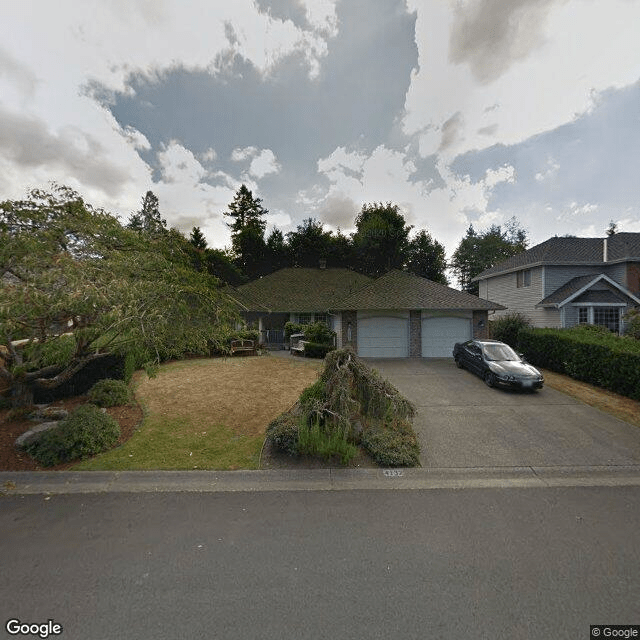
4132 124th St. SE, Everett, WA 98208
To contact a resident: (425) 785-5886
For more information about senior living options: (866) 208-4318
Premier Care Living AFH Costs & Pricing
At Premier Care Living AFH, the monthly costs for accommodations reflect a higher investment compared to the average in Snohomish County and throughout Washington State. For a semi-private room, residents can anticipate a fee of $6,000, which is significantly above the county's average of $4,320 and the state's average of $4,267. Likewise, the cost for a one-bedroom unit is set at $7,000, again surpassing both the county's average of $5,080 and the state's average of $4,632. While these prices may be elevated relative to local standards, they can represent a commitment to enhanced care and amenities that are often sought after in assisted living environments.
| Floor plans | Premier Care Living AFH | Snohomish County | Washington |
|---|---|---|---|
| Semi-Private | $6,000 | $4,320 | $4,272 |
| 1 Bedroom | $7,000 | $5,080 | $4,634 |
Memory care communities with a similar price nearby
-
from +$500 / mo
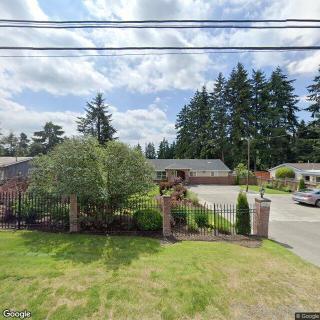
The Promised Land
$6,500 / month7.8 miles away -
About the same
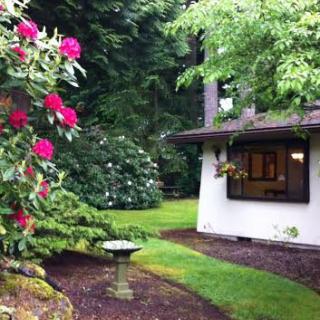
Home Away From Home LLC
$6,000 to $7,000 / month6.8 miles away -
About the same
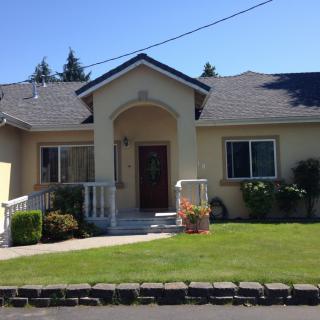
Elderly Home Care
$6,000 to $8,000 / month10.4 miles away -
from -$250 / mo

Fieldstone Rolling Bay and Fieldstone Memory Care
$5,750 to $8,895 / month21.6 miles away -
About the same
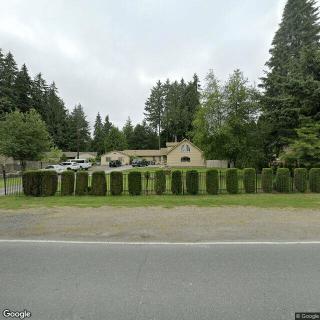
Sunny Side Adult Family Home
$6,000 / month2.6 miles away
Overall Review of Premier Care Living AFH
Pros
 The community provides excellent communication with families, is respectful, offers individualized care, and provides numerous social activities.
- The community is a loving household with quality care.
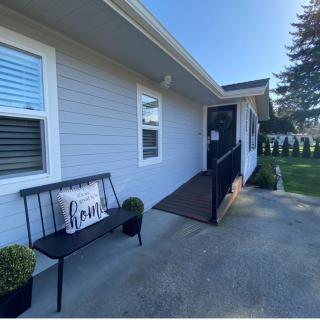
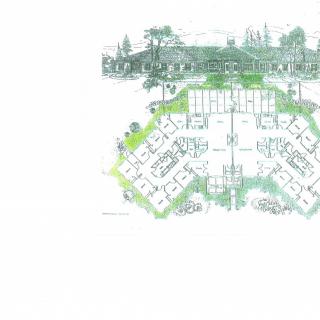
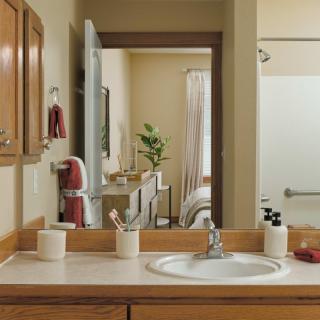
- The room sizes are adequate, and the layout is good and wheelchair accessible.
- The food is good and offers a good variety.
- The community is highly recommended.
- The facility is very friendly and caring, with a well-trained team and 24-hour care workers.
Review
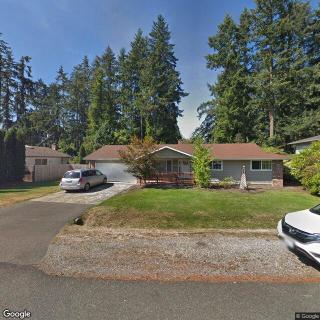
Premier Care Living AFH in Everett is best suited for families seeking a close-knit, home-like setting where care feels personal and communication with loved ones is consistently strong. The community’s hallmark is individualized attention delivered in a respectful, family-focused atmosphere. Residents benefit from a staff that appears well-trained and accessible, with daily life shaped by ongoing social activities and meaningful interaction. For seniors who prize transparency, frequent family updates, and a living arrangement that prioritizes warmth and familiarity over formality, this AFH aligns with practical expectations and delivers on those promises with evident reliability.
However, prospects should explicitly consider alternatives if the situation involves higher medical complexity or a preference for a larger campus with a broader array of specialized services. For seniors who require intensive skilled nursing, complex memory care, or on-site medical supports beyond what a small, family-operated setting typically provides, a more expansive assisted living or memory-care facility may be a wiser match. Families should evaluate whether a bigger environment with turnkey clinical programs better suits those evolving needs, even if it means stepping away from the intimate feel of an AFH.
On balance, the strongest pros form a compelling offset to common concerns about small-home care. The communication with families is excellent, and the staff’s respectful, individualized approach translates into consistent, personalized routines. A well-trained team providing 24-hour coverage emerges as a major safeguard, ensuring help is available at any hour and that responses stay aligned with resident preferences. The environment itself, described as a loving household with quality care, creates a sense of safety and belonging that often reduces agitation and confusion for residents, a practical advantage for families balancing care with other responsibilities.
Room size and accessibility further reinforce the appeal for daily living. The rooms are noted as adequate, with a layout that supports ease of movement and wheelchair access. This combination helps minimize daily friction around mobility and transfers, allowing staff to focus on engagement rather than logistical hurdles. Food quality and variety also appear solid, addressing both nutrition and enjoyment, an important factor when meals double as social occasions and a routine anchor for many residents. Coupled with the broad range of social activities, the overall daily experience feels balanced, purposeful, and enjoyable rather than routine or transactional.
Where potential gaps might matter, the reviews show no glaring deficiencies, yet prudent consideration remains prudent. In a setting this size, the breadth of specialized programs and medical amenities will naturally be narrower than in larger campuses, so families should confirm the availability of specific therapies, memory-care supports, and any required physician access before committing. The upside is that the transparency and responsiveness described by families typically translate into rapid problem-solving and a nimble care plan, with staff who know residents deeply and prioritize comfort, dignity, and continuity of care.
The bottom-line recommendation is clear: Premier Care Living AFH excels for seniors who want a dignified, affectionate home environment paired with robust daily activity, reliable staffing, and strong family partnership. It is particularly well-suited for residents who thrive in a smaller, intimate setting and who do not require highly specialized medical services on-site. For those whose care needs become more medically demanding or who crave the scale and diversity of a larger care campus, alternatives should be explored. A thoughtful tour, direct conversations about care routines, and a careful review of room configurations and meal offerings will crystallize whether this AFH best fits the evolving picture of care for a given loved one.
 Board and Care Home
 Memory Care
 Activities off-site
 Beautician on-site
 Indoor common areas
 Outdoor common areas
 Respite or short term stays offered
 Diabetic care
 High acuity care
 Incontinence care
 Medication management
 Kosher

 Understanding Dementia Behaviors: Practical Insights and Strategies for Caregivers
 When Dementia Sparks Anger and Aggression: Understanding the Connection and Ways to Cope
 Dementia Behaviors: In-Depth Understanding and Effective Coping Strategies