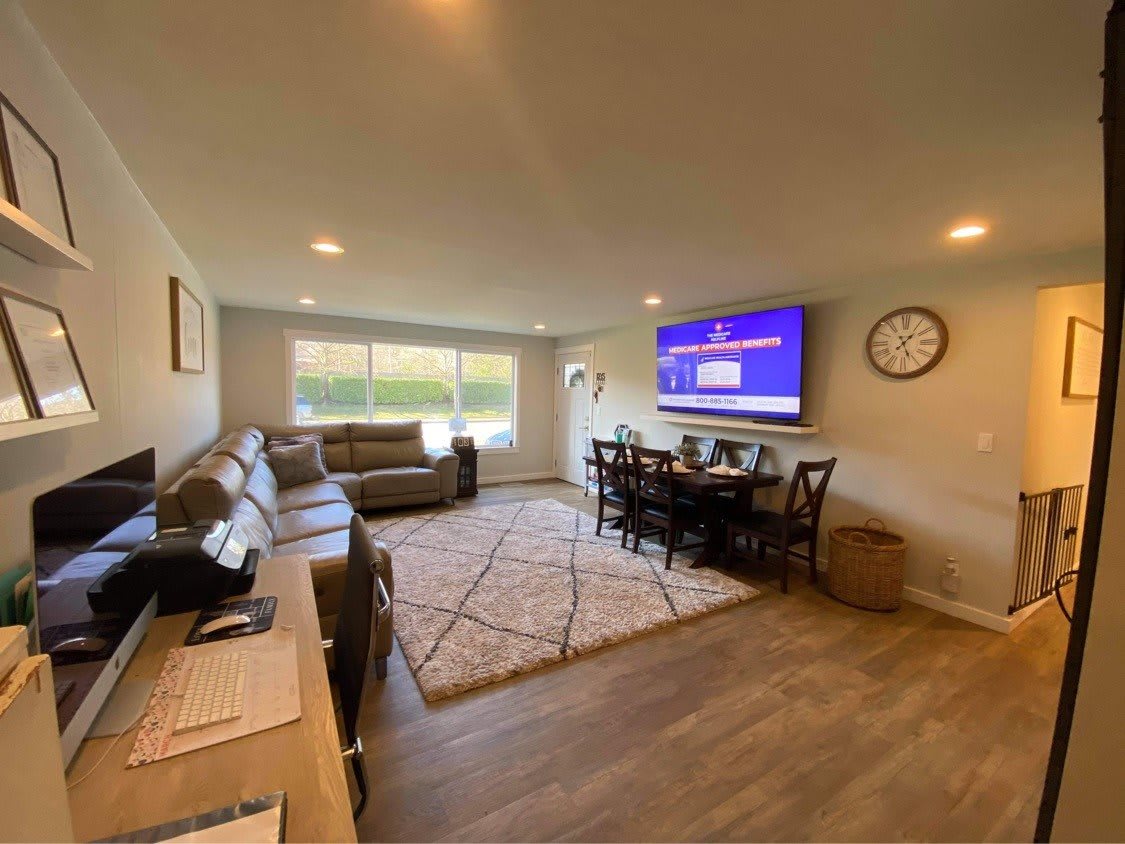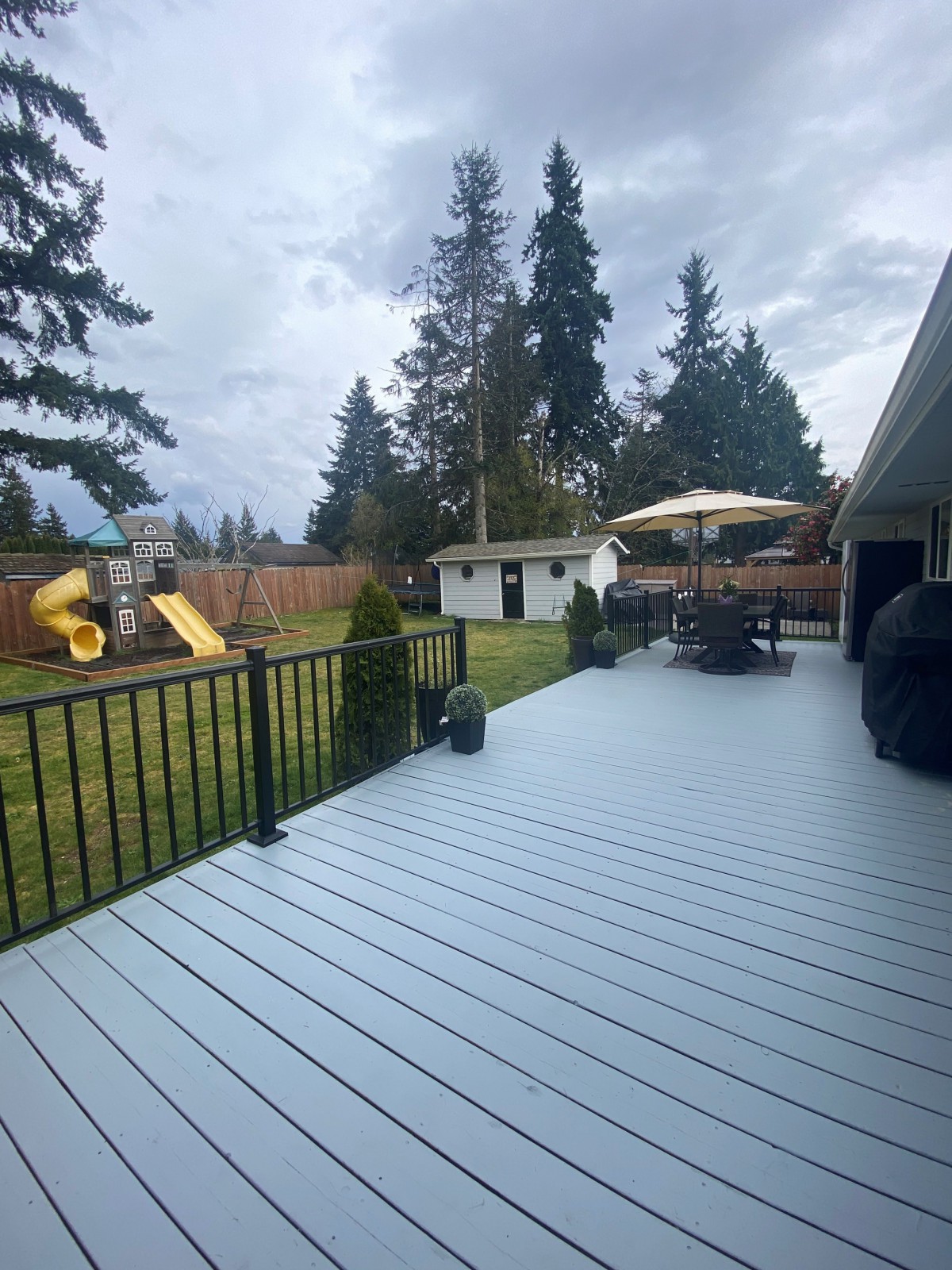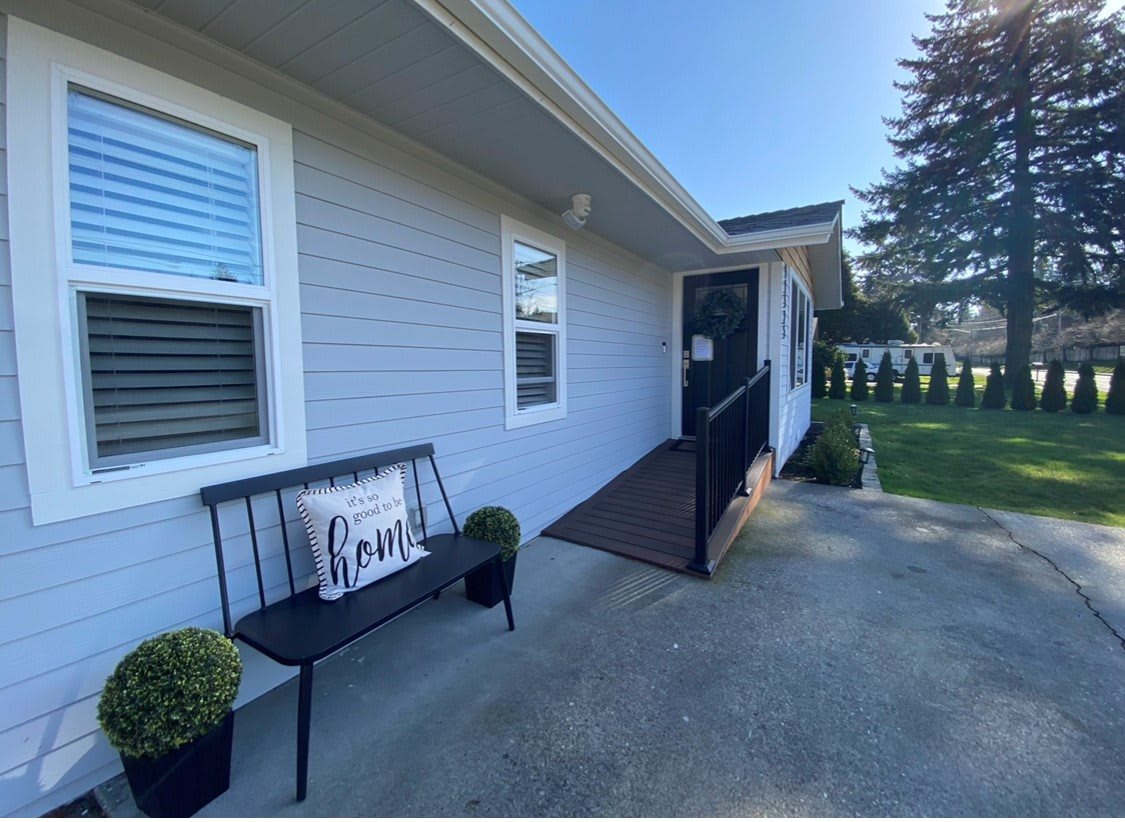
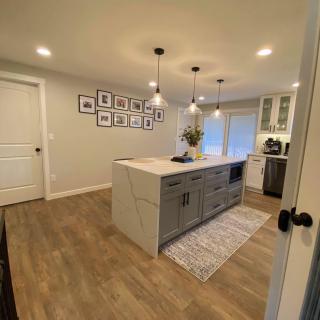
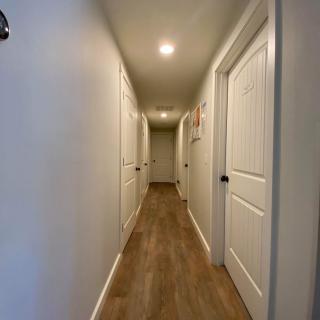
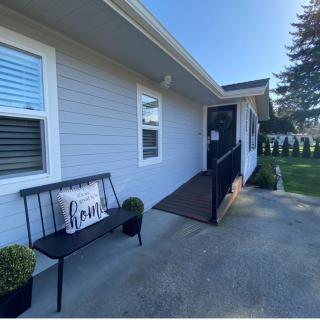
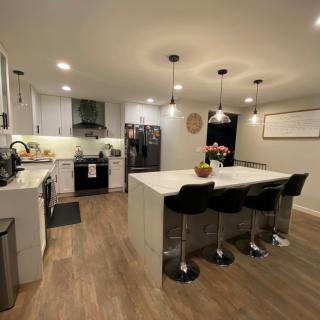
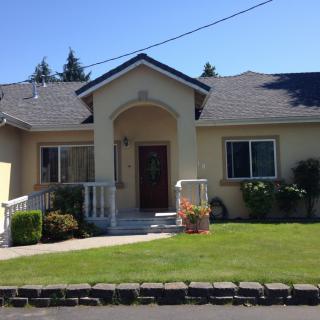
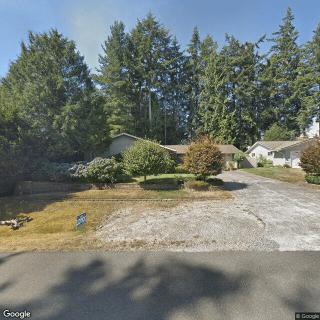
11325 35th Ave, Everett, WA 98208
To contact a resident: (425) 338-7269
For more information about senior living options: (866) 208-4318
A and D Quality Care LLC Costs & Pricing
A and D Quality Care LLC positions itself as a premium provider in the assisted living market with a monthly cost of $6,500 for private rooms. This rate stands out when compared to the average costs in Snohomish County, which is approximately $4,834, and the broader state average of around $4,772. While A and D Quality Care LLC's pricing reflects a commitment to high-quality service and personalized care tailored to individual needs, it is essential for potential clients and families to weigh these costs against the level of support and amenities provided. The company aims to justify this premium through exceptional service standards that enhance the overall quality of life for its residents.
| Floor plans | A and D Quality Care LLC | Snohomish County | Washington |
|---|---|---|---|
| Private | $6,500 | $4,834 | $4,774 |
Senior living communities with a similar price nearby
-
About the same
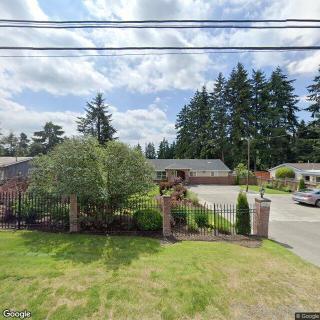
The Promised Land
$6,500 / month8.3 miles away -
from -$500 / mo
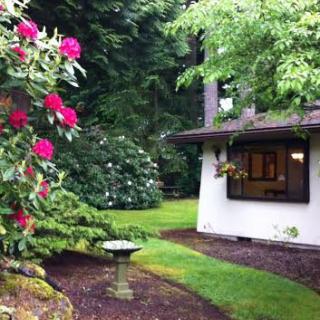
Home Away From Home LLC
$6,000 to $7,000 / month6.5 miles away -
About the same
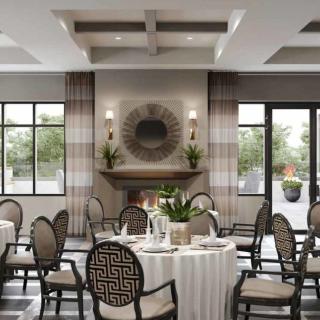
The Park at Belle Harbour
$6,400 to $15,500 / month18.3 miles away -
from -$500 / mo
Elderly Home Care
$6,000 to $8,000 / month11.0 miles away -
from -$750 / mo

Fieldstone Rolling Bay and Fieldstone Memory Care
$5,750 to $8,895 / month21.8 miles away
Overall Review of A and D Quality Care LLC
Pros
 Things are going really well at Quality Care Adult Family Home.
- Flavius is phenomenal with mom.
- Flavius makes visitors feel welcome.
- The food at Quality Care Adult Family Home is really good.
- Mom enjoys the staff at this facility.
Cons
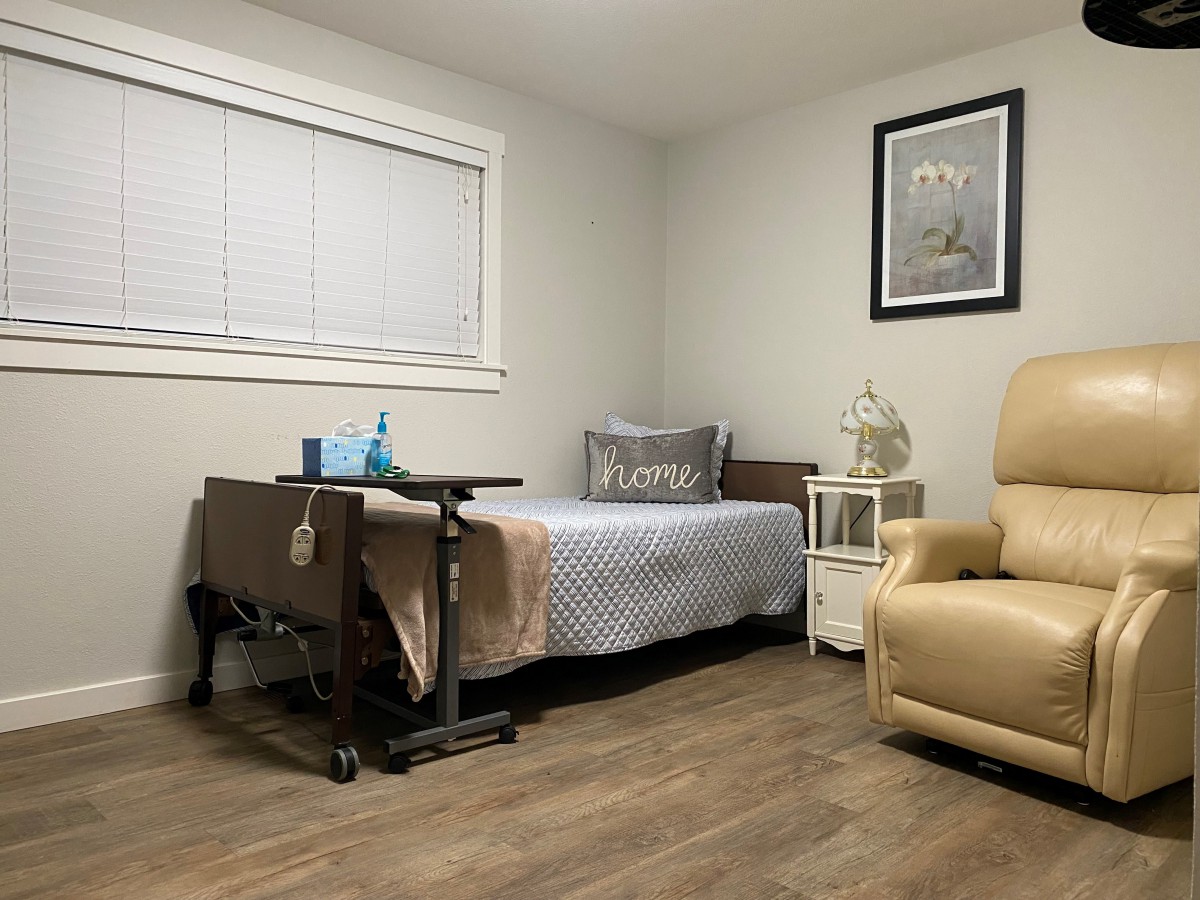
 The facility did not have a recliner.
- There are younger people in the other house.
- It is a second choice.
Review
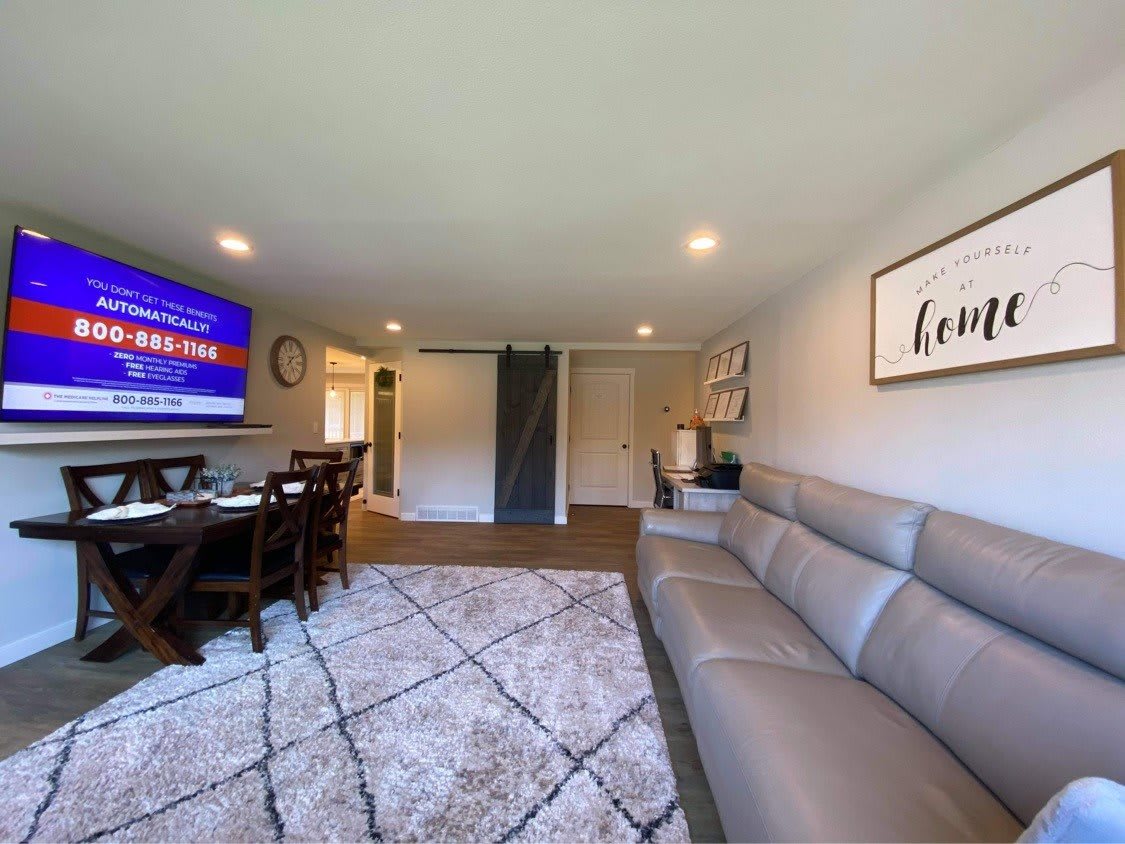
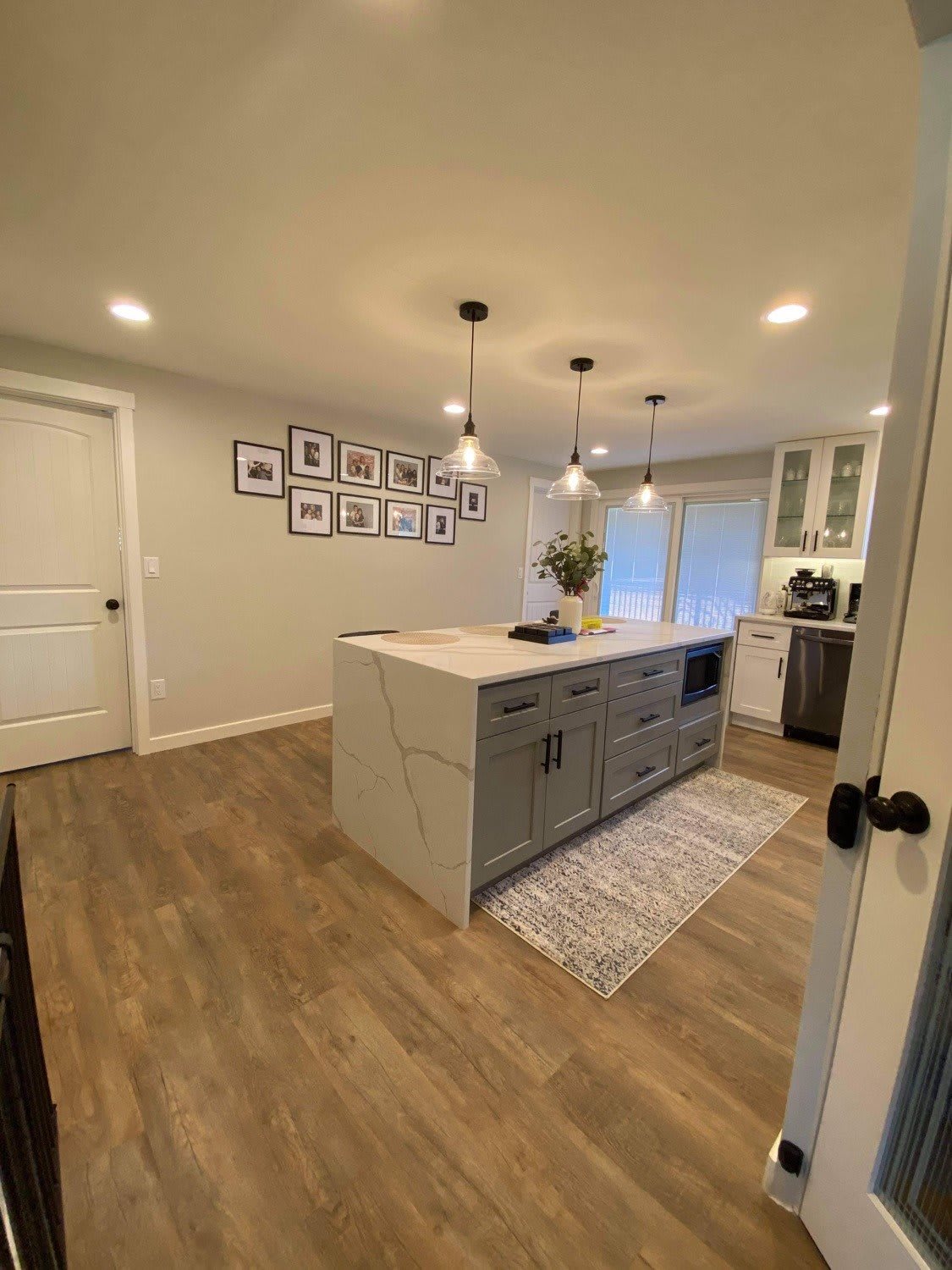
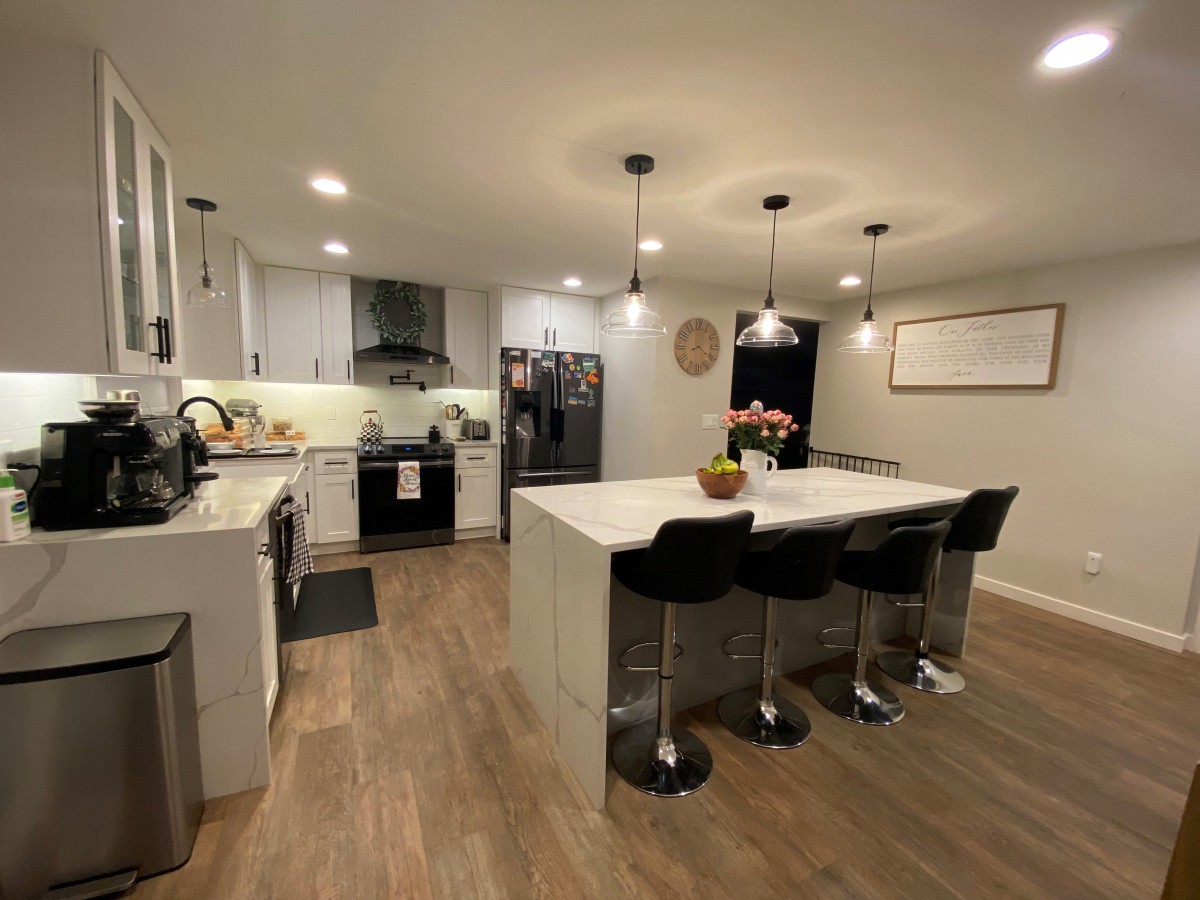
Quality Care Adult Family Home in Everett is best suited for families seeking a small, home-like setting where a loved one, especially someone dealing with dementia, can receive intimate, attentive care from a caregiver who takes personal responsibility for daily well-being. The standout strength here is a hands-on, compassionate approach that translates into visible warmth and trust. When a family’s priority is consistent, person-centered attention, paired with straightforward meals and a welcoming atmosphere, this community delivers. The arrangement works particularly well for residents who thrive on close interactions with one primary caregiver and a tightly knit staff that treats the home as an extension of family life.
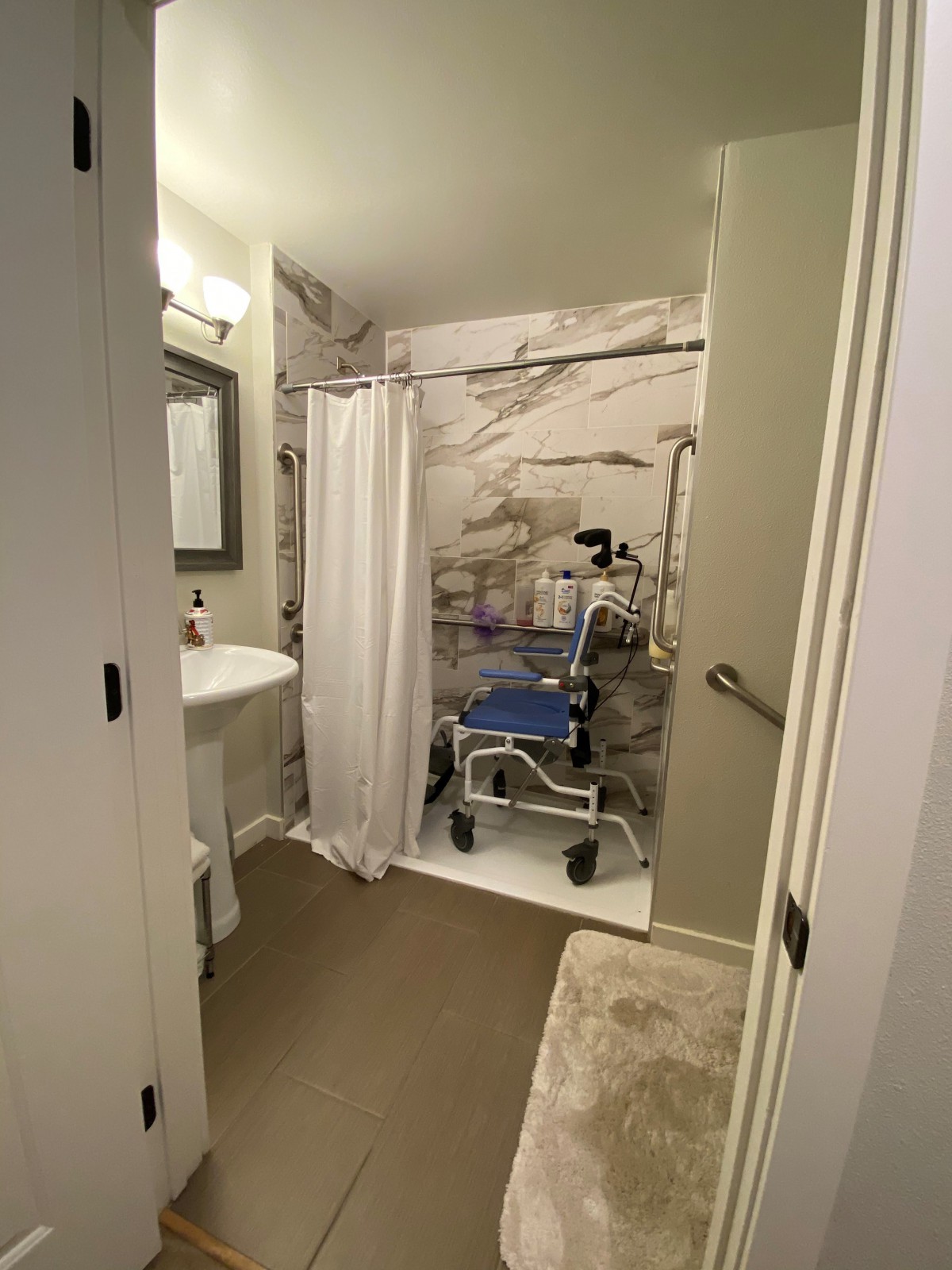
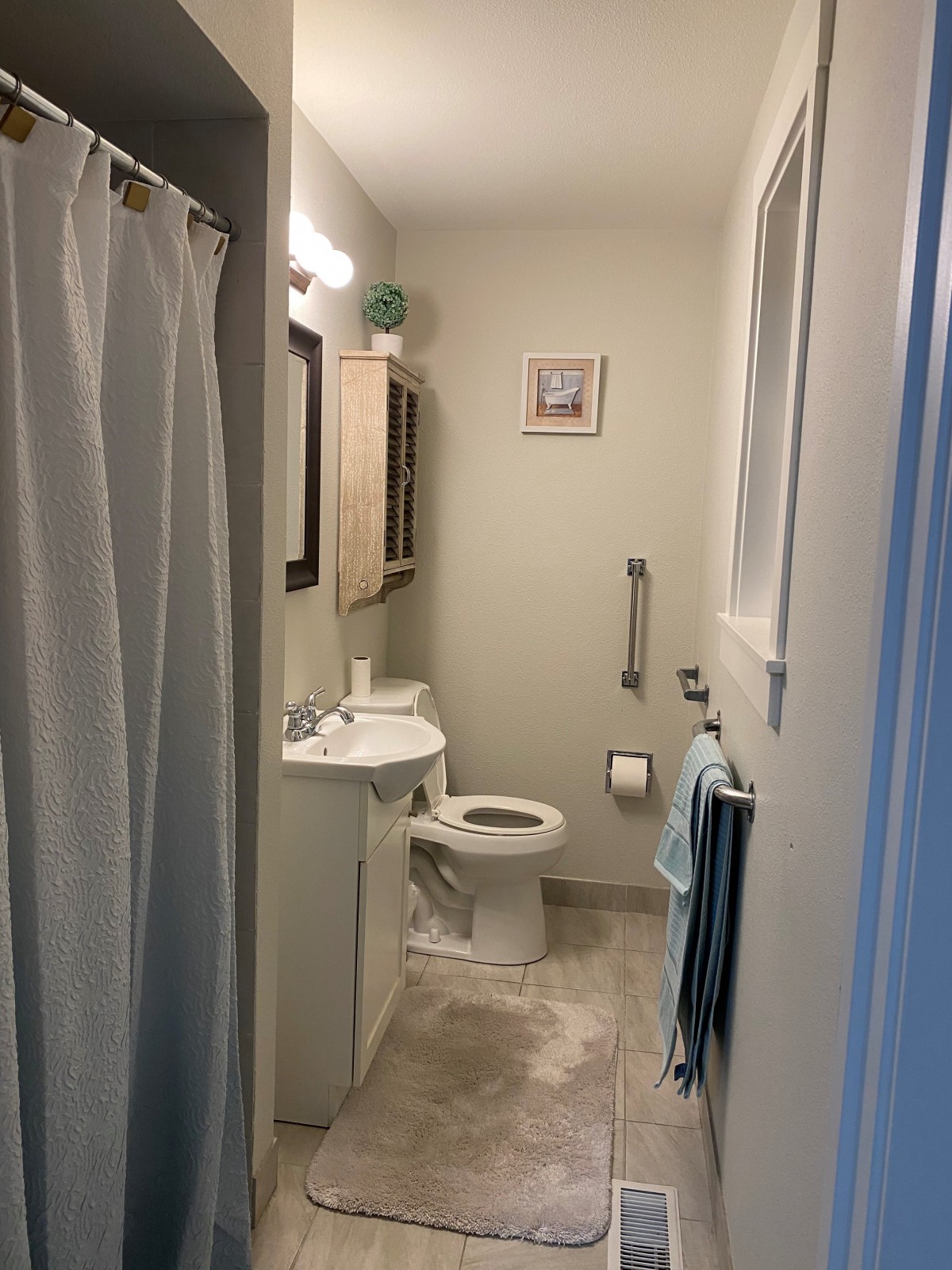
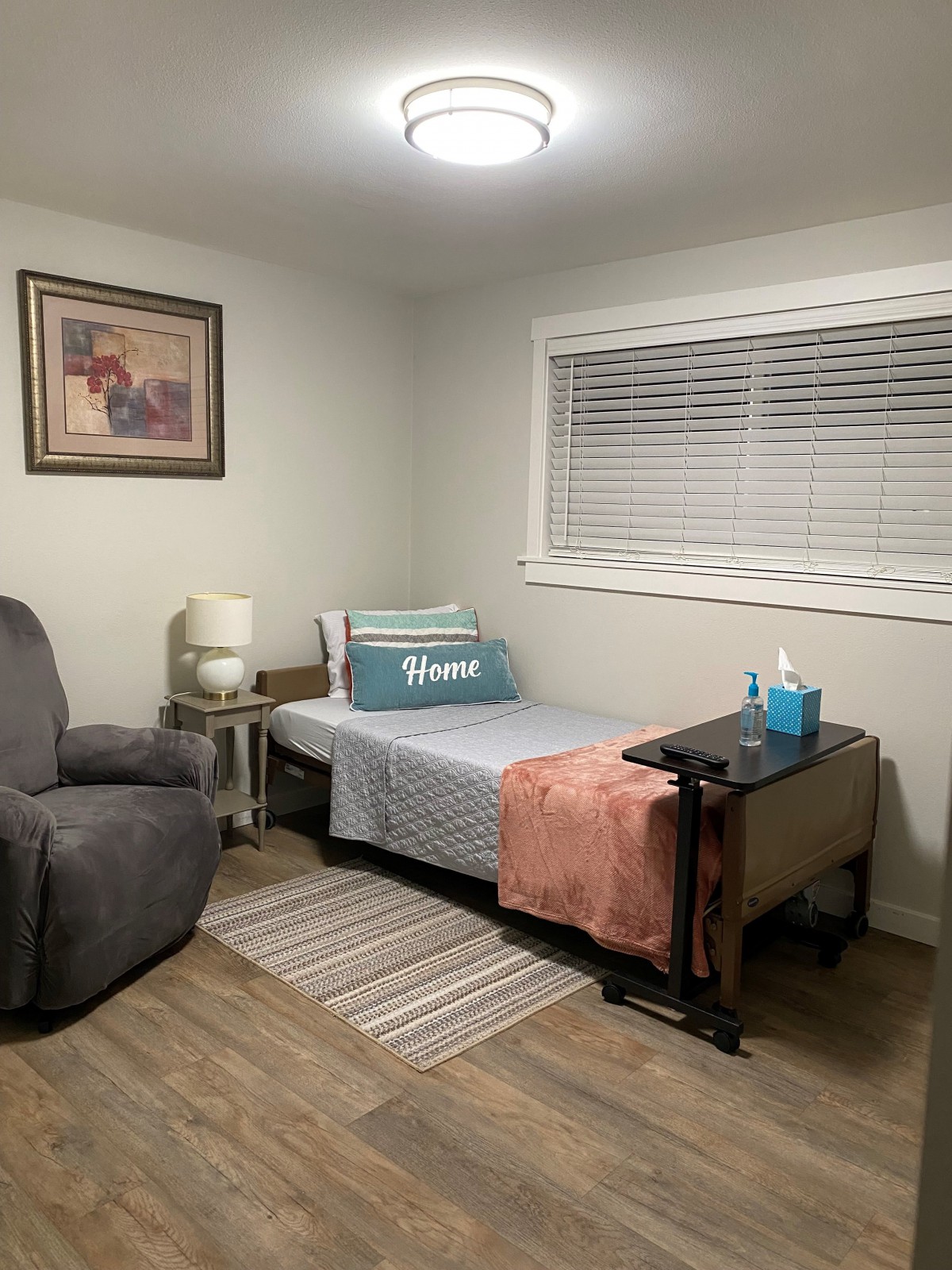
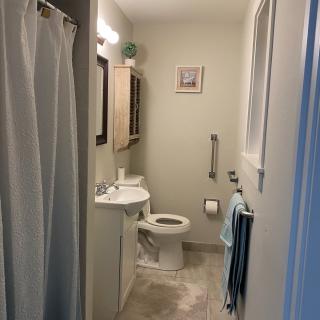
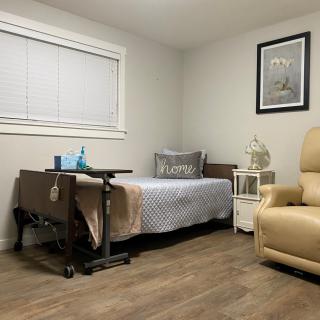
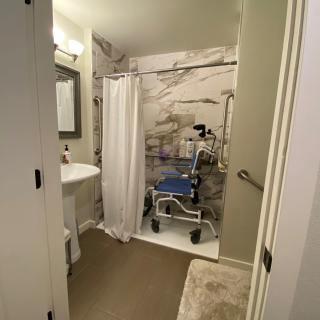
That said, some families should actively consider alternatives. The model clearly leans toward individualized care rather than a large, institution-like experience. For residents who are younger or who strongly value a setting with a broader mix of ages or more expansive social programming, the smaller footprint and the “home” dynamic may feel limiting. Another factor is the physical setup: the presence of electric beds, a Hoyer lift, and pedestal sinks signals strong mobility support, yet the absence of a recliner and potential limits on seating options could matter for residents with particular comfort needs or post-therapy routines. For those who want more than one house under the same umbrella with distinctly different resident mixes, exploring other houses within the same provider or nearby facilities may be prudent.
The strongest pros revolve around personal approach and quality nourishment. Flavius stands out as a caregiver who makes a meaningful difference for a resident with dementia, earning praise for warmth, responsiveness, and a sense of welcome that travels to family members. Food quality is consistently highlighted as a bright spot, a practical uplift that supports daily life and mood. Family members repeatedly note that the staff genuinely enjoys working with residents, which translates into steadier routines, reliable supervision, and a calmer day-to-day rhythm. In a setting where small wins, like a favorite meal or a familiar morning routine, meaningfully improve quality of life, such relational strengths carry substantial weight.
The main cons, as reflected in the reviews, center on the practical gaps that can matter in ongoing care. The equipment notes point to solid safety and mobility support, but the lack of a recliner may frustrate residents who rely on particular seating for comfort or medical needs. The mention of “younger people in other house” signals a potential misalignment for families seeking a strictly senior, quiet environment or a memory-care niche with a uniform age profile. While the small, intimate setting offers undeniable benefits, it can also limit a resident’s exposure to a broader social calendar or a wider range of activities. Taken together, these realities do not derail the overall positive impression, but they do reduce the facility’s appeal for certain profiles.
For families deciding in real time, the question becomes: does the care plan align with dementia-focused intimacy and dependable daily routine, or does it require broader social programming, more expansive seating arrangements, and a more varied resident mix? Prospective residents should probe exact caregiver-to-resident ratios, confirm the availability of recliners or suitable seating, and ask how the home handles mobility equipment in practice. Clarify which house would best match the resident’s age profile and activity preferences, and whether respite care or temporary stays are feasible if a trial period is desired. In addition, request a transparent discussion about personalized activities, memory-stimulating routines, and meal customization to ensure alignment with expectations.
Overall, Quality Care Adult Family Home offers a compelling fit for dementia-focused care delivered with genuine warmth, reliable staffing, and solid food quality within a small, respectful setting. It stands out when the priority is a trusted caregiver relationship and a nurturing, home-like daily life. However, families should not overlook the potential misalignment for residents who need a more age-diverse environment, extensive social programming, or particular seating arrangements. For those needs, exploring alternatives within the same provider’s portfolio or nearby communities with larger communities and dedicated memory-care units will help ensure a fit that supports both safety and meaningful engagement over the long term.
 Board and Care Home
 Activities on-site
 Air-conditioning
 Beautician on-site
 Cable or satellite TV
 Devotional services on-site
 Full kitchen
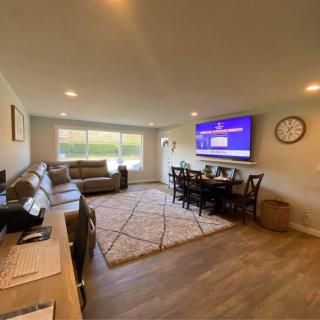
 Indoor common areas
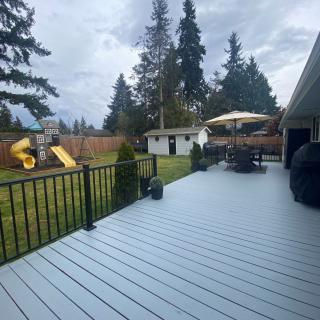
 Outdoor common areas
 Private
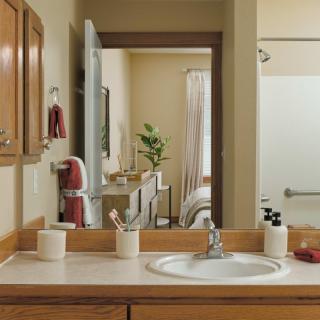
 Private bathrooms
 Respite or short term stays offered
 Wheelchair accessible showers
 Wi-Fi/high-speed internet available
 Ambulatory care
 Diabetic care
 High acuity care
 Incontinence care
 Medication management
 Anytime dining
 BBQs or picnics
 Birthday parties
 Live musical performances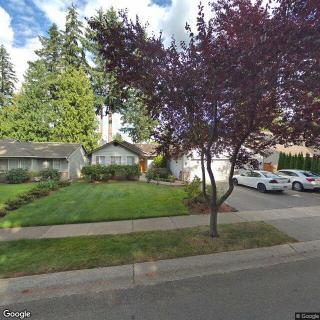


 Comprehensive Guide to Medicare Coverage for Hospice Care
 Caring for Those Who Care: Recognizing, Understanding, and Overcoming Caregiver Burnout
 Caregiver Exhaustion: Recognizing the Signs and Restoring Your Well-Being