
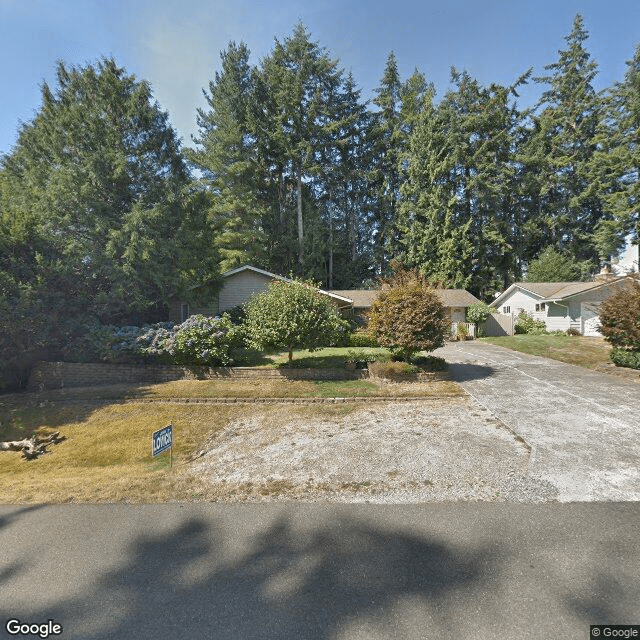
11728 31st Drive Southeast, Everett, WA 98208
To contact a resident: (425) 238-4644
For more information about senior living options: (866) 208-4318
Good Samaritan Adult Family Home I Costs & Pricing
Good Samaritan Adult Family Home I offers competitive pricing for its residents, especially when compared to the broader market in Snohomish County and the state of Washington. For a semi-private room, residents can expect to pay $3,000 per month, significantly less than the county average of $4,320 and the state average of $4,267. Similarly, for those seeking more privacy in a private room, the monthly cost at Good Samaritan is $3,500, which is also lower than both the county's average of $4,834 and the state's average of $4,772. This cost structure not only highlights the affordability of Good Samaritan Adult Family Home I but also ensures that residents receive quality care without straining their financial resources.
| Floor plans | Good Samaritan Adult Family Home I | Snohomish County | Washington |
|---|---|---|---|
| Semi-Private | $3,000 | $4,320 | $4,272 |
| Private | $3,500 | $4,834 | $4,774 |
Senior living communities with a similar price nearby
-
from +$500 / mo
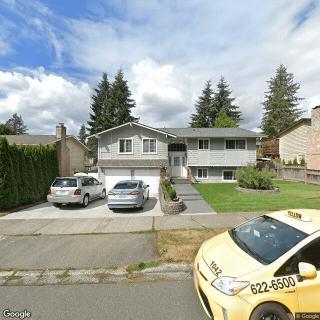
Dignity Life
$3,500 / month3.6 miles away -
from +$375 / mo
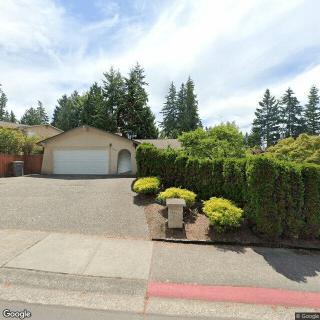
Evergreen Manor Senior Care Inc
$3,375 to $7,500 / month13.5 miles away -
from -$200 / mo
Gold Standard Care
$2,800 / month8.1 miles away -
About the same
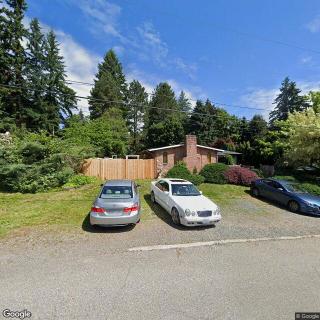
Caring Adult Family Home #1
$3,000 / month8.8 miles away -
from +$500 / mo
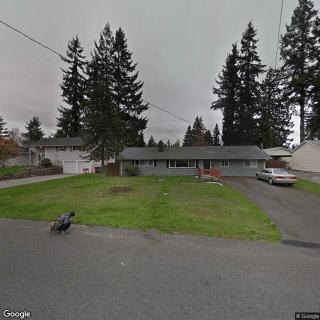
Terrace View AFH
$3,500 to $4,000 / month8.0 miles away
Overall Review of Good Samaritan Adult Family Home I
Pros
 Sammy and his team work hard to ensure clients receive excellent individualized care.
- The home is warm and loving, where residents are truly cared for and happy.
- Sammy and the staff are excellent caregivers who provide attentive, compassionate care.
- Amazing Samar AFH offers vital, high-quality care that families value.
- The staff are highly knowledgeable in memory care and residents are well cared for.
- The home is well maintained, immaculately clean, and pleasantly smells of daily meals.
- Families have peace of mind knowing their loved ones are safe and well cared for.
- The staff are easy to work with and feel like an extension of the family.
Review
Good Samaritan Adult Family Home I in Everett is best suited for families seeking a warm, intimate, home-like setting where care is highly personalized and consistently attentive. This community excels when a loved one benefits from steady, relationship-driven caregiving, routine that feels like everyday family life, and a setting where staff know residents well by name and need. The reviews consistently describe a clean, well-maintained house, homemade meals, and engaging daily activities, all of which translate into steady mood, better appetite, and safer mobility. For residents who respond positively to familiar rhythms, strong bonding with caregivers, and a sense of belonging, this AFH offers a tangible, reassuring home environment rather than a clinical atmosphere.
Those weighing alternatives should consider where medical intensity or scale matters most. Families with loved ones who require around-the-clock skilled nursing, extensive wound or complex medical management, or broad-spectrum rehabilitation services may prefer a larger assisted living or a dedicated memory-care facility with more formal medical oversight and on-site specialists. The intimate, family-style model at Good Samaritan AFH I inherently carries fewer on-site resources than bigger campuses, which means transitions or adjustments can be necessary if care needs shift toward higher-acuity therapies or 24/7 nursing coverage.
The strongest pros, customized care, a warm, “home” atmosphere, and staff who clearly know residents’ histories, offset the potential constraints inherent to smaller homes. Reviews repeatedly applaud personalized care plans and the staff’s attentiveness, which reduces the feeling of being just another chart. The sense that caregivers are easy to work with and genuinely invested creates peace of mind for families, aligning care with individual preferences, routines, and cultural or religious practices. Cleanliness, a welcoming kitchen aroma, and the absence of institutional smells reinforce trust and make daily life feel comfortable rather than clinical.
Safety and emotional well-being emerge as complementary strengths. The home setting supports residents with memory care needs through familiar cues, steady routines, and continuous companionship, all of which can slow confusion and decline. Families note the staff’s depth of knowledge in memory-related issues, which translates into timely red flags and proactive care. In practical terms, this means fewer hospital-like experiences for many residents, more opportunities to engage in meaningful activities, and a stronger sense of normalcy during recovery or rehab phases.
Nonetheless, the smaller scale of an AFH carries inherent limits that prospective residents should acknowledge. If a routine demands more intensive PT/OT, frequent physician visits, or specialized equipment, the pace and availability can be less predictable than in larger facilities with formal therapy departments. The upside lies in the hands-on, flexible approach; the downside is a potential need for earlier planning regarding transitions or supplemental services. Families should verify the precise extent of medical oversight, medication management protocols, and on-call arrangements, and should confirm how quickly staff can mobilize additional care if health needs spike.
In the end, the decision hinges on what a family values most: the depth of personal attention and the homey, engaging environment versus the breadth of clinical services and scale. For those prioritizing warmth, individualized attention, strong memory-care know-how, and a setting that feels like a trusted extended family, Good Samaritan AFH I represents a compelling, low-friction option that can deliver remarkable quality of life and meaningful health gains. For families prioritizing maximum on-site clinical resources, rapid access to a wide spectrum of therapies, or larger, more resource-rich amenities, exploring alternatives with broader medical staffing and programming is a prudent step.
 Board and Care Home
 Activities off-site
 Devotional services off-site
 Indoor common areas
 Outdoor common areas
 Private
 Private bathrooms
 Respite or short term stays offered
 Wheelchair accessible showers
 Diabetic care
 High acuity care
 Incontinence care
 Medication management
 Meals provided
 Christian services


 Comprehensive Exploration of Living Wills and Other Advance Directives
 A Detailed Exploration of Living Wills and Advance Directives
 Comprehensive Guide to Medicare Coverage for Hospice Care