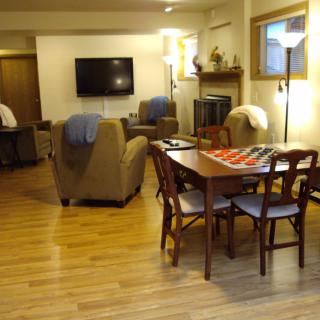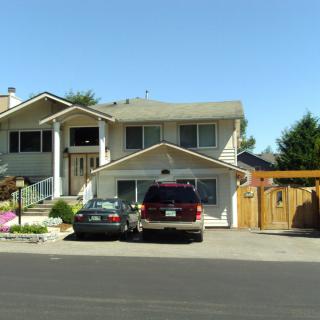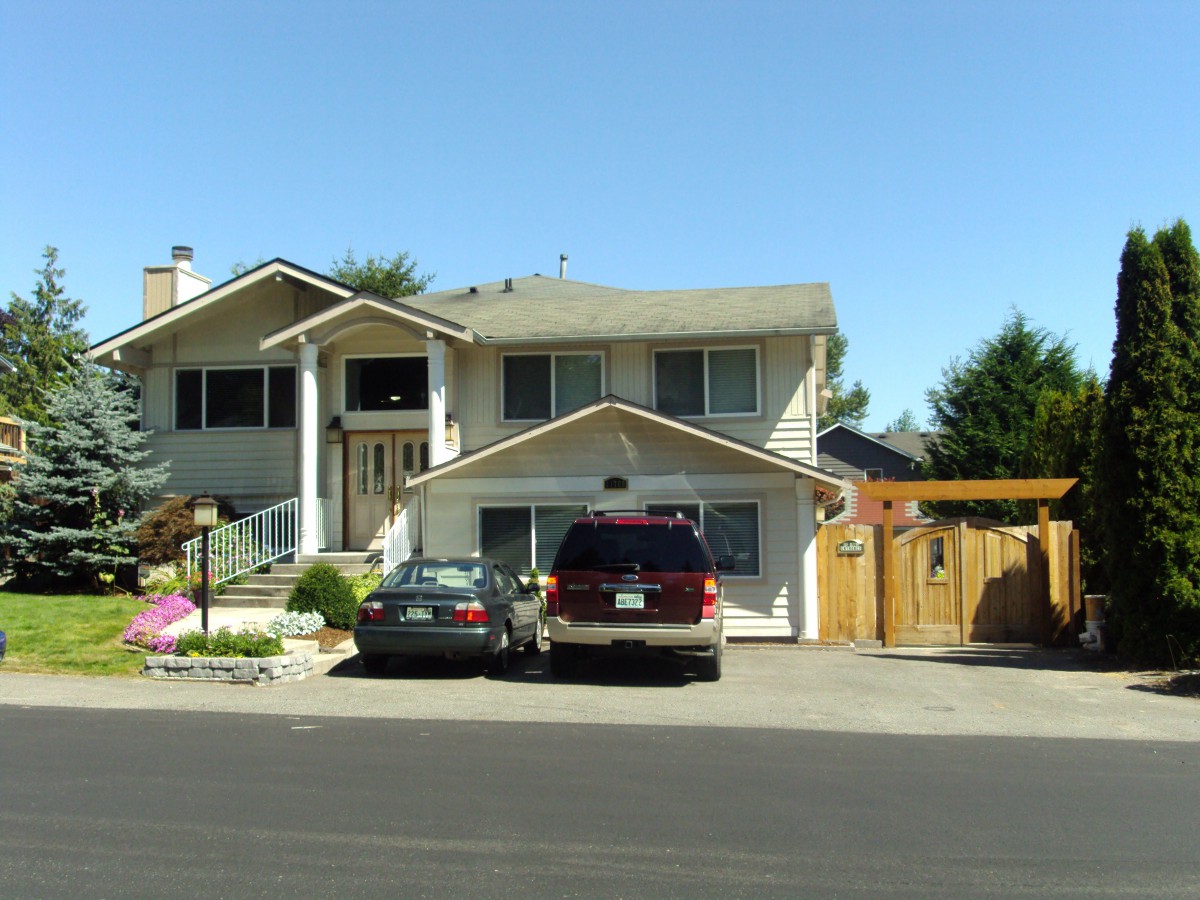
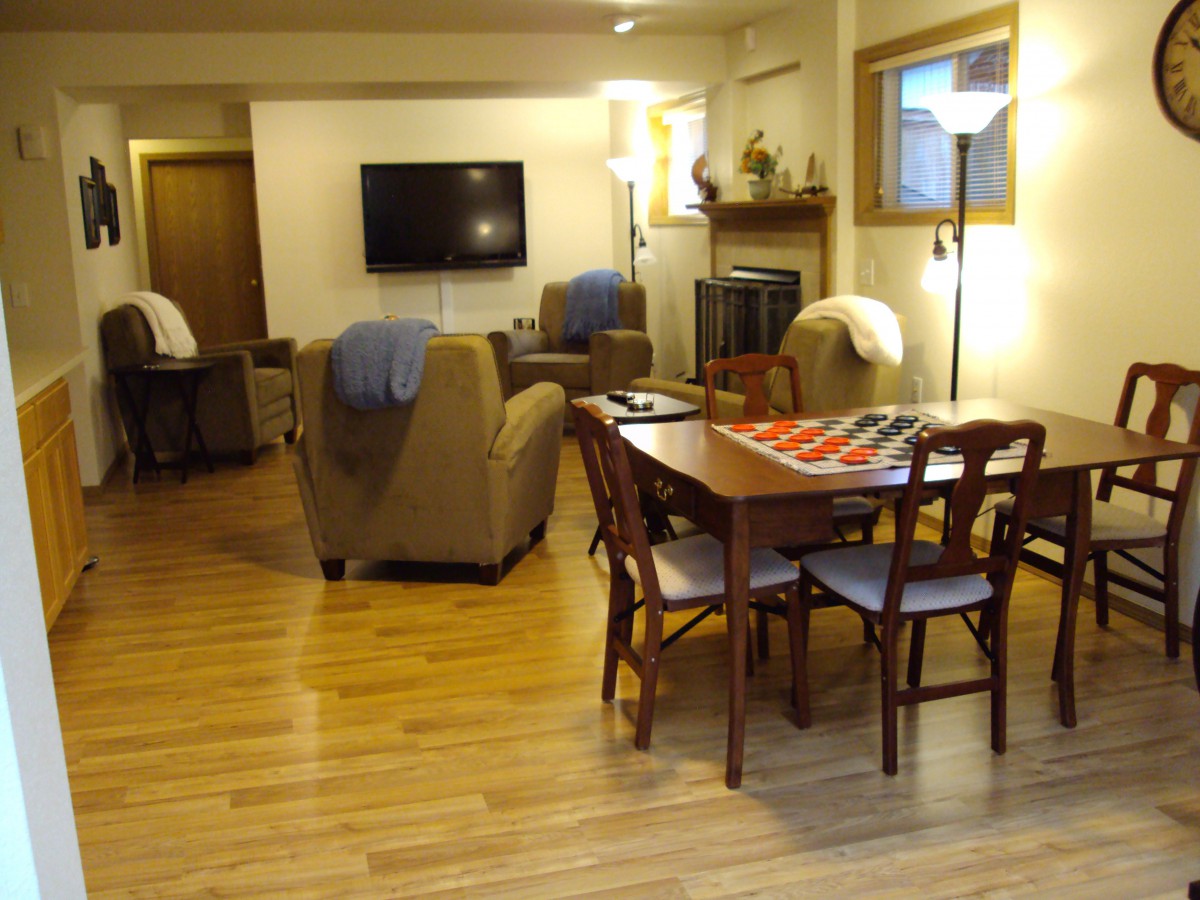
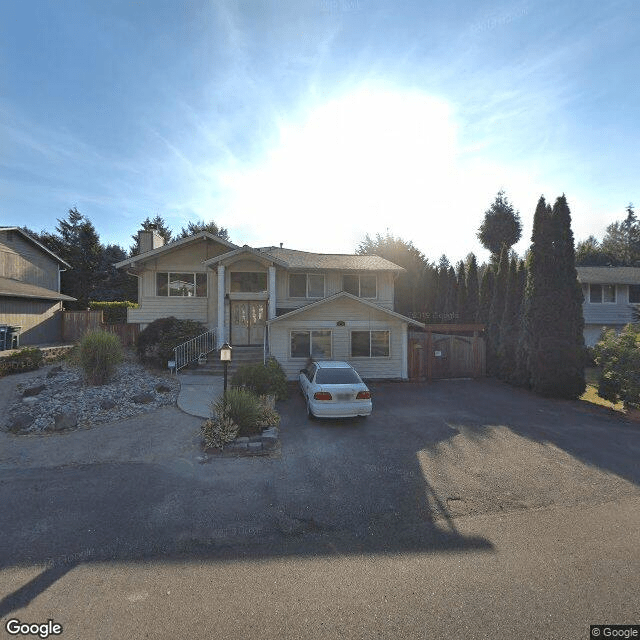
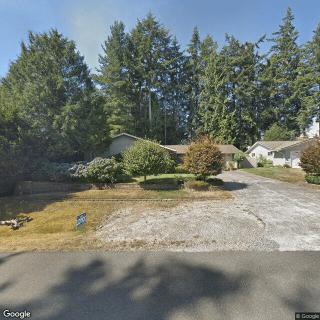
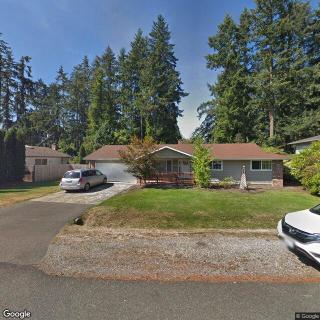
11709 37th Drive SE, Everett, WA 98208
To contact a resident: (425) 338-2099
For more information about senior living options: (866) 208-4318
US Inns, Inc Costs & Pricing
US Inns, Inc. presents a competitive pricing structure for its accommodations compared to the averages in Snohomish County and the broader state of Washington. For a Semi-Private room, US Inns charges $4,500 per month, which is slightly above both the county's average of $4,320 and the state's average of $4,267. In the Private room category, US Inns stands out with a monthly rate of $6,500 - significantly higher than Snohomish County's mark of $4,834 and Washington's state average of $4,772. Similarly, their Studio rooms are priced at $6,500 each month, surpassing both local ($4,443) and state ($4,126) averages. While US Inns' costs reflect a premium positioning within the market, they may signify enhanced amenities or services that justify the difference for prospective residents seeking quality and comfort.
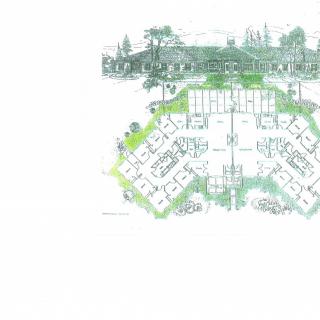
| Floor plans | US Inns, Inc | Snohomish County | Washington |
|---|---|---|---|
| Semi-Private | $4,500 | $4,320 | $4,272 |
| Private | $6,500 | $4,834 | $4,774 |
| Studio | $6,500 | $4,443 | $4,128 |
Memory care communities with a similar price nearby
-
About the same
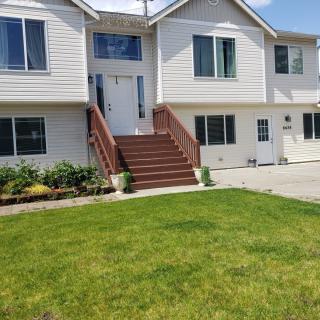
We Care Adult Family Home
$4,500 to $8,000 / month4.4 miles away -
from +$500 / mo
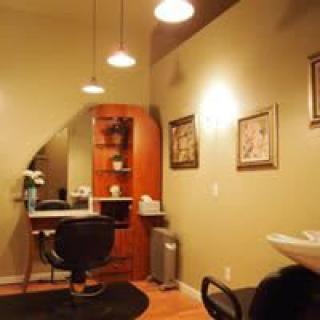
Abundant Life Lynnwood
$5,000 to $6,000 / month4.1 miles away -
About the same
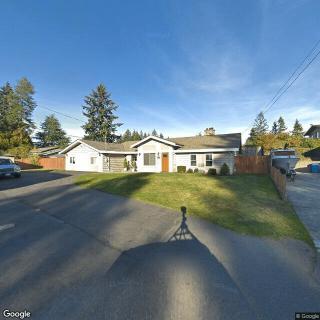
Happy Family Adult Family Home 2
$4,500 / month10.9 miles away -
About the same
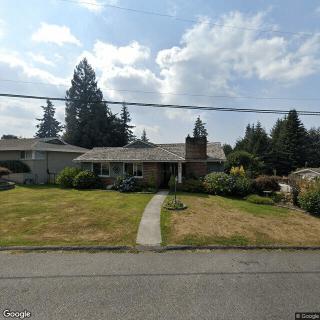
Amy's Adult Care Home
$4,500 / month5.5 miles away -
About the same
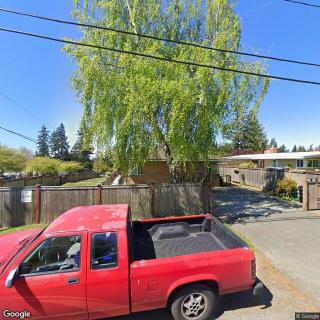
Happy Family Adult Family Home 3
$4,500 to $5,500 / month14.3 miles away
Overall Review of US Inns, Inc
Pros
 Helen and her staff provide excellent care for residents' needs.
- They keep families posted on changes in health and behavior.
- The home is spotless and the staff are organized.
- The on-site owner, an RN, directly oversees a well-trained staff.
- The meals are delicious, home-cooked, with fresh ingredients.
- The environment is peaceful, safe, and clean.
- The staff are caring, attentive, and easy to work with.
- Residents feel safe, well cared for, and loved.
Review
This community is best suited for seniors who want a true home atmosphere anchored by hands-on medical oversight. In Everett, WA, US Inns operates as a small, family-oriented setting led by an on-site owner who is an RN, with a devoted, well-trained staff. Residents benefit from a calm, clean, and safe environment where daily life centers on warmth, predictability, and personalized care. Families report reliable updates about health changes and medical conversations, with caregivers who are gracious, attentive, and easy to work with. For elders who prize belonging and continuous, direct interaction with caregivers over institutional formality, this is a compelling fit.
Those weighing alternatives should consider whether a larger community with more extensive medical resources or a broader activity calendar might better match evolving needs. If medical complexity demands frequent skilled nursing, access to a wider team of clinicians, or a highly structured programming schedule, a bigger facility could be preferable. For residents with memory-care needs or the desire for a more expansive campus atmosphere, options with dedicated memory-care wings or multiple neighborhoods often make sense. In short, the intimate, home-like model shines for personal attention, while larger settings can offer breadth of services and activities.
The core strengths here, personalized attention, transparent communication, and meticulous care, offset the absence of scale by delivering consistency that families can trust. The owner’s direct oversight ensures care plans stay aligned with individual needs, while staff members are described as caring and attentive to every resident. This leads to fewer unanswered questions for families and more confidence that changes in health or behavior are noticed early and communicated promptly. Such hands-on leadership also means care decisions can be adjusted quickly in response to a resident’s day-to-day realities.
Cleanliness and safety are repeatedly highlighted as foundational pillars, reinforcing a peaceful living experience. The home is described as spotless, orderly, and calm, which reduces stress for both residents and families. Residents enjoy home-cooked meals made from fresh ingredients, with meals serving not merely as sustenance but as social, comfort-filled rituals that reinforce a sense of belonging. The capacity to join meals and engage with staff during daily routines adds a tangible, homelike quality that larger, more impersonal facilities often struggle to replicate.
From a practical decision standpoint, this community excels for families seeking constant, meaningful connection with caregivers and a stable, low-traffic environment. The tight-knit atmosphere and direct accessibility to the RN-owner translate into rapid issue resolution and a clear line of accountability. However, this strength can also imply tradeoffs: the breadth of services and the breadth of programming may be narrower than in bigger communities. Families should weigh whether the comfort of a small, intimately managed home outweighs the advantages of a facility with broader medical teams, wider activity menus, and more specialized care options.
For families actively assessing options, concrete next steps are straightforward. Visit with specific questions about staffing ratios during peak hours, the scope of on-site medical oversight, and how care plans are coordinated with external physicians. Inquire about meal plans, flexibility in daily routines, and opportunities for family involvement in care decisions. If a resident’s needs lean toward highly individualized attention, clear communication, and a serene, home-like setting, this community stands out as a strong, well-supported choice. If the priority shifts toward broader clinical resources or more expansive programming, it is prudent to explore larger neighbors to ensure all possible needs are covered.
 Board and Care Home
 Memory Care
 Activities on-site
 Beautician on-site
 Cable or satellite TV
 Devotional services on-site
 Indoor common areas
 Outdoor common areas
 Private
 Respite or short term stays offered
 Wheelchair accessible showers
 Wi-Fi/high-speed internet available
 Ambulatory care
 Diabetic care
 High acuity care
 Incontinence care
 Medication management
 Anytime dining
 Birthday parties
 Catholic services
 Resident band or musicians
 Stretching classes

 Dementia-Related Hallucinations: Causes, Experiences, and Practical Approaches
 Illuminating Insights About Alzheimer's Disease: Ten Crucial Realities
 A Thorough Discussion of Medications Potentially Linked to Dementia Risk