

10931 39th Dr SE, Everett, WA 98208
To contact a resident: (425) 338-5800
For more information about senior living options: (866) 208-4318
Overall Review of Dean Miller's Adult Family Hm
Pros
 The home and Helen provide excellent care.
- Helen and her staff take good care of all of the mother's needs.
- The mother always looks clean and well groomed.
- Helen is gracious and courteous.
- They keep the family posted about changes in the mother's health and on virtual doctor appointments.
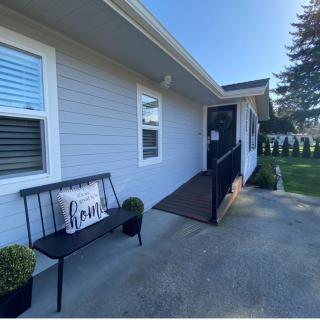
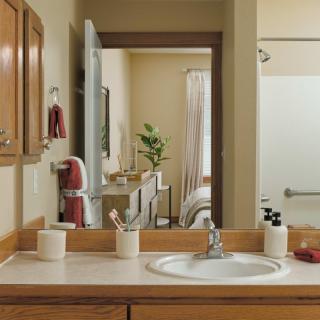
- The home at US Inns is spotless and the staff is organized.
- The mother feels safe and is treated well at US Inns.
Cons
 There are no negative statements present in the reviews.
Review
Dean Miller's Adult Family Hm in Everett, WA is best suited for families seeking a small, home-like setting where a single, consistently attentive caregiving team delivers highly personalized support. This community shines for residents who need help with daily tasks, grooming, and health monitoring, and for relatives who want transparent, frequent updates about medical changes and doctor communications. The reviews emphasize a caregiver-led model, with Helen and her staff earning trust through reliability, courtesy, and a hands-on approach to performance and communication. For families prioritizing warmth, continuity, and a resident who thrives on predictable routines, this setting offers a practical, emotionally reassuring option.
Those weighing alternatives should consider whether a resident’s needs extend beyond what a residential adult family home can responsibly manage. If extensive on-site medical oversight, 24/7 nursing, or highly structured memory care programming is essential, larger assisted living communities or dedicated memory care facilities may be more appropriate. Individuals who require robust social programming, diverse activity calendars, or more formalized care plans might find these features better aligned with their goals. In short, for residents who are comfortable in a tightly knit, caregiver-driven environment, this home excels; for those needing broader medical services, a different care model may serve better.
The strongest positives center on staff reliability, cleanliness, and proactive communication. The caregivers’ attentiveness translates into a consistently tidy appearance and a safe, well-maintained living space, which in turn supports a sense of dignity and comfort for residents. Communication stands out as a core strength: family members report being kept informed of behavioral or health changes and of interactions with healthcare providers. This level of engagement mitigates the anxiety that often accompanies aging in place and helps families feel confident in the ongoing management of care. These advantages collectively offset potential gaps inherent in a smaller, home-based setting.
In practical terms, the intimate structure means daily life is straightforward and predictable, with a genuine emphasis on respect and personal attention. The reviews suggest residents are treated with kindness and given a nurturing, respectful routine, which can be a decisive factor for families prioritizing emotional well-being as much as physical safety. The emphasis on a spotless, organized home contributes to a calm environment where routines can be maintained without the chaos sometimes associated with larger facilities. The downside is the natural trade-off: fewer on-site medical resources and potentially fewer formal activities. Yet for many, the payoff, the assurance of genuine care and constant family-facing communication, will outweigh these limits.
Before committing, families should verify several practical points to avoid later surprises. Inquire about staffing ratios and how staffing changes are handled, including caregiver continuity and backup coverage. Ask how medications are managed, what medical oversight exists on-site, and how emergencies are escalated. Request a clear rundown of daily programming, meal options, transportation for medical appointments, and visiting policies. Discuss contract terms, respite care availability, and the process for hospital transfers, if needed. Finally, request recent references and, if possible, arrange a trial visit to observe caregiver residents’ interactions and the daily rhythm firsthand.
Ultimately, this community is a strong fit for families prioritizing a warm, personalized care model delivered with remarkable trust and cleanliness. It offers a compelling combination of attentive caregiving, transparent family communication, and a peaceful, well-kept home environment. Those who need more intensive medical services, specialized memory care, or expansive activity programming should consider alternatives that align with higher medical needs or broader social offerings. For the right resident and family, the appeal is clear: genuine care, consistent oversight, and a home where dignity and comfort come first.
 Board and Care Home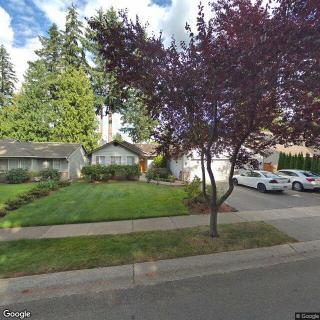


 Weight Training for Seniors: Building Strength and Vitality
 Understanding the Sandwich Generation: Stress and Responsibilities for Multigenerational Caregivers
 8 Essential Assistive Devices for Older Adults