
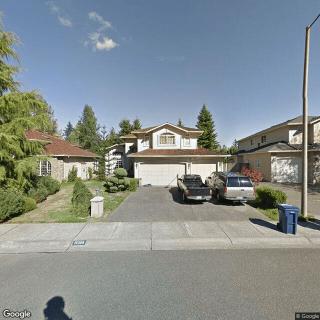
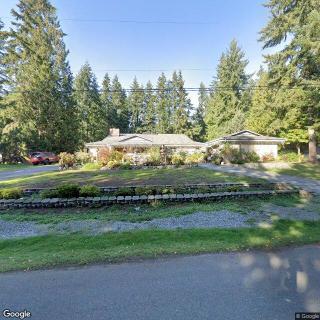
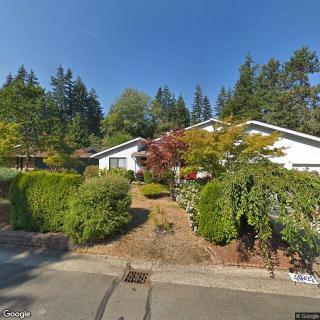
15120 41st Ave SE, Bothell, WA 98012
To contact a resident: (425) 337-8883
For more information about senior living options: (866) 208-4318
Golden Leaf Adult Family Home Costs & Pricing
Golden Leaf Adult Family Home offers a private room at a monthly rate of $6,000, which is significantly higher than the average costs in both Snohomish County and the broader state of Washington, where private rooms are priced at approximately $4,834 and $4,772, respectively. This suggests that Golden Leaf may provide enhanced services or amenities that justify the premium pricing. Families considering this option may want to weigh the value of the unique offerings against more affordable alternatives in the region.
| Floor plans | Golden Leaf Adult Family Home | Snohomish County | Washington |
|---|---|---|---|
| Private | $6,000 | $4,834 | $4,774 |
Senior living communities with a similar price nearby
-
from +$500 / mo

The Promised Land
$6,500 / month6.1 miles away -
About the same
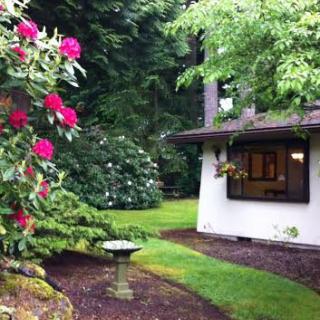
Home Away From Home LLC
$6,000 to $7,000 / month6.4 miles away -
from +$400 / mo

The Park at Belle Harbour
$6,400 to $15,500 / month15.9 miles away -
About the same

Elderly Home Care
$6,000 to $8,000 / month8.7 miles away -
from -$250 / mo
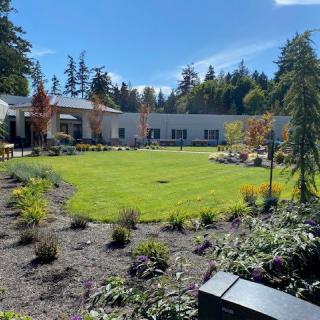
Fieldstone Rolling Bay and Fieldstone Memory Care
$5,750 to $8,895 / month20.3 miles away
Overall Review of Golden Leaf Adult Family Home
Pros
 The home is a very nice place aesthetically.
- The home is very roomy.
- The loved one has her own larger room with a private bath and a large closet.
- Pads on the sitting areas and bed alert staff if she gets up or wanders at night, showing attentive care.
- The staff are attentive and friendly toward residents.
- The home has a nice deck outside.
- The owner is very nice, kind, and available to talk if you need to discuss something.
- Golden Leaf has been really great.
- The home is beautiful and comfortable, with a nice room for family to visit.
- The home is worth considering for a loved one.
Cons
 They hadn't really seen any activities, noting they weren't there during the day to observe what goes on.
- They tend to keep to themselves.
Review
Golden Leaf Adult Family Home in Bothell is best suited for families who want a small, home-like setting where privacy, safety, and personalized attention drive daily care. With about six residents, the environment remains intimate enough for staff to know routines and preferences without feeling clinical. Private rooms with baths and sizable closets preserve dignity, while safety features, pads that alert staff if a resident rises at night, offer reassurance. The property’s aesthetics are inviting, from a roomy deck to a cozy library and comfortable common areas. The owner is consistently accessible and appears genuinely invested in each resident’s well-being. Food that looks and smells appetizing reinforces the sense of everyday comfort. Taken together, the setting supports calm, predictable care for seniors who do well in a quiet, caregiver-led ambiance.
Those needing a more structured social calendar or higher-level medical oversight should consider alternatives. The small scale, while a strength, can limit spontaneous social interactions and formal activities. Residents who require memory-care expertise, frequent clinical monitoring, or a bustling activity program may not find enough stimulation here. If continuous engagement, outings, or a broader array of programs are essential, a larger community with dedicated activity staff may be a better fit.
On the positive side, the advantages are tangible. Generous private rooms and private baths support dignity and independence. The wander-alert pads provide safety without turning the home into a hospital. Attentive staff and an approachable owner foster trust and quick resolution of concerns. The home’s common spaces, including a deck and library, offer safe places to relax, visit, or read, while a separate family room accommodates visits. Meal quality, at times highlighted by reviewers, adds to daily satisfaction and avoids the sense of sacrifice that can accompany senior living.
Yet the footprint has tradeoffs. Observations note a lack of visible daytime activities, which can limit opportunities for socializing or pursuing interests beyond routine care. The tone is calm and private, ideal for some, but potentially isolating for residents who thrive on group interaction. Depending on staffing at any given time, the smaller operation may also constrain rapid escalation of complex needs. These factors aren’t flaws for everyone, but they are important to weigh against the desire for quiet, one-on-one attention.
Despite these caveats, the strengths largely offset the drawbacks. The intimate setting minimizes confusion and supports consistent routines, which is a major win for seniors who value stability. Personalized attention allows care plans to be tailored, meals to be adjusted, and changes to be addressed promptly. Family involvement is facilitated by the dedicated visiting space, and the home-like environment reduces stress associated with care transitions. When safety, comfort, and dignity trump a robust activity calendar, Golden Leaf delivers outcomes that families prioritize.
Bottom line: Golden Leaf is a strong match for families prioritizing privacy, predictable routines, and genuine caregiver engagement in a small, homelike setting. It is well-suited for residents who want to avoid large, bustling communities and instead rely on close relationships with a caring owner and staff. For those seeking richer programming, more intensive medical oversight, or broader social opportunities, alternatives with larger staff and structured activity schedules should be explored. Prospective families should visit at different times, meet the owner, review care plans, and sample meals to confirm fit before deciding.
 Board and Care Home
 Activities off-site
 Bath tubs
 Devotional services on-site
 Indoor common areas
 Outdoor common areas
 Private
 Respite or short term stays offered
 Wheelchair accessible showers
 High acuity care
 Incontinence care
 Medication management
 Meals provided
 Christian services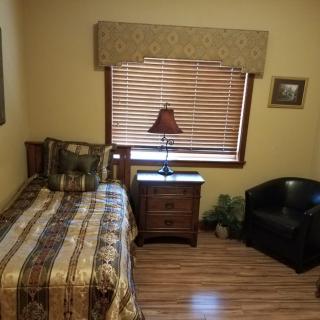
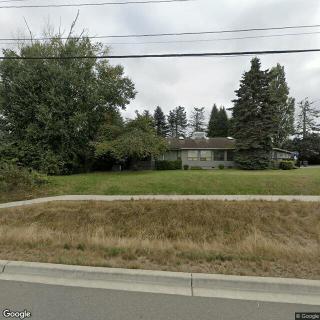

 Engaging Brain Games and Innovative Apps to Keep Senior Minds Active
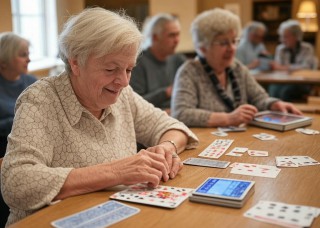 Effective Strategies for Keeping Seniors' Minds Active: A Deep Dive into Brain Games and Apps
 In-Depth Look at the VA Aid and Attendance Program