

4525 Strumme Rd., Bothell, WA 98012
To contact a resident: (425) 385-8991
For more information about senior living options: (866) 208-4318
Leano's Adult Family Home Costs & Pricing
Leano's Adult Family Home offers competitive pricing for its residents, particularly when compared to the average costs in Snohomish County and across Washington State. For a semi-private room, Leano's charges $2,500 per month, which is significantly lower than the county average of $4,320 and the state average of $4,267. The private room option also presents an attractive value at $3,000 monthly, notably less than both the county's average of $4,834 and the state's average of $4,772. These rates reflect Leano's commitment to providing high-quality care at accessible prices, making it an appealing choice for families seeking adult family home services in the area.
| Floor plans | Leano's Adult Family Home | Snohomish County | Washington |
|---|---|---|---|
| Semi-Private | $2,500 | $4,320 | $4,272 |
| Private | $3,000 | $4,834 | $4,774 |
Senior living communities with a similar price nearby
-
from +$300 / mo

Gold Standard Care
$2,800 / month7.2 miles away -
from +$75 / mo

Admiral Heights
$2,575 to $2,975 / month21.2 miles away -
About the same
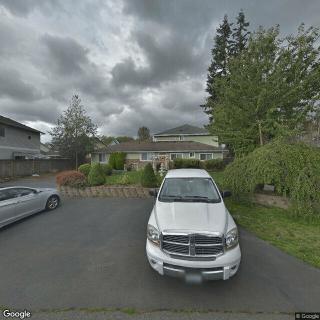
Silver Pond AFH
$2,500 to $3,500 / month4.3 miles away -
from -$150 / mo

Truewood By Merrill, First Hill
$2,350 to $5,550 / month18.1 miles away -
from -$105 / mo

Park Place
$2,395 to $2,695 / month22.2 miles away
Overall Review of Leano's Adult Family Home
Pros
 Angel and Lourdes were wonderful caregivers to their mother for over three years.
- They cared deeply for their patients and families, keeping residents comfortable, well fed, and active.
- The home was spotless and offered healthy meals for residents.
- The staff were friendly, compassionate, and diligent in ensuring residents are comfortable at all times.
- They treated residents like family and often went above and beyond to meet their needs.
- They provided personal touches and activities, such as manicures, drives, and meals out, to enhance comfort.
- Families felt at ease and well informed about their loved ones' condition.
Cons
 The reviewer describes constant discrepancies in financial expectations during the six months the father was there.
- The owner allegedly requested a $500 fully refundable deposit a month after admission, reportedly on the owner's birthday.
- After the father's passing, the refund was not provided.
- It took 90 days to reimburse the full month’s charge, even though the father only received care for three days that month.
- Communication was poor, and dealing with the owners was frustrating.
- They felt the owners favored residents with dementia and uninvolved families and disliked residents whose care was challenging.
- They felt financially taken advantage of, with charges that were erroneous and not discussed or agreed upon.
Review
Leano’s Adult Family Home is best suited for families seeking a small, intimate setting where caregivers form real relationships with residents and families. It works well for seniors who want daily assistance with routine tasks, steady companionship, and the comforts of a homelike environment, home-cooked meals, familiar faces, and a schedule that feels personal rather than institutional. For loved ones who thrive on being actively engaged, having regular outings, and receiving touchpoints that feel like family care, this community can deliver consistently strong nonclinical support. In short, it suits those who prioritize warmth, accessibility, and a hands-on approach over formalized systems and large-scale operations.
That said, certain families will want to consider alternatives. The strongest caveat is the financial and administrative clarity side of the operation. Several reviewers flagged inconsistent or unclear billing practices, a substantial deposit policy, and delays in reimbursement, all of which can color the overall experience when a loved one has passed or changes in care are required. For families that insist on precise, transparent contracts, or that require strict adherence to budgeted payments with fully documented terms, a more formal setting or a facility with dedicated business office processes may be more reassuring. Also, when memory-care needs are prominent or when nursing oversight must be available around the clock, a larger, more clinician-led environment can be a better fit.
The core strengths of Leano’s, exceptional personal attention, genuine warmth, and daily life that centers around the resident, often offset the potential downsides. Angel and Lourdes are repeatedly described as deeply compassionate and devoted, treating residents like family and going beyond basic care with pampering and enrichment activities. The home’s cleanliness, the consistency of staff, and the way residents are kept engaged, through conversations, shared meals, outings, and even regular manicures and social drives, create a sense of security and well-being that’s hard to match in bigger settings. For families who measure success by whether a loved one feels cared for, valued, and included in daily routines, these relational strengths carry substantial weight.
However, the operational model has clear constraints. The care team, anchored by the two owners who are also the primary caregivers, provides stability and continuity, yet this structure can translate into limited staffing bandwidth and less formalized governance. One reviewer highlighted a frustrating financial experience, with disputes over deposits and refunds, and a broader concern about communication. For families who require robust, proactive financial management, and for those who expect a facility-backed policy framework for disputes, these gaps can become meaningful friction points. The same reviews also suggest the home’s strengths can tilt toward residents who are less demanding in terms of complex medical management or heavy cognitive-care needs; families with highly involved or technically oriented caregiving plans may need to push harder for clarity and documentation.
In practical terms, families should enter with a clear plan: demand a detailed written agreement that spells out services, costs, deposits, refund terms, and what happens if plans change. Ask for current staffing levels, daily routines, and the range of activities offered beyond meals and social time. Confirm capacity to manage mobility limitations, ongoing medical needs, and emergency procedures, and ensure there is a reliable path to escalate concerns if communication falters. Evaluating the fit also means assessing the resident’s temperament and needs: those who value a nurturing, home-like environment will likely thrive, while those requiring formalized financial governance or intensive memory-care programming may be better served elsewhere.
Bottom line: Leano’s Adult Family Home offers an extraordinary level of personal care and a warm, attentive culture that can make a meaningful difference in quality of life for many seniors and their families. It is a compelling choice for households prioritizing intimate, caregiver-driven attention, consistent daily engagement, and a homelike atmosphere. It is less suited for families needing ironclad financial policies, predictable budgeting with extensive documentation, or high-level medical oversight in a facility setting. For those with a loved one who fits the home’s intimate model and who can navigate the deposit and billing conversations with clear expectations, Leano’s stands out as a trusted, loving option. If memory-focused or highly clinical support is non-negotiable, or if transparency around charges is non-negotiable, alternatives deserve serious consideration.
 Board and Care Home
 Private
 Private bathrooms
 Diabetic care
 High acuity care
 Christian services







 Understanding the Full Cost of 24/7 In-Home Care: A Detailed Overview
 Exploring the World of Home Health Nurses: Qualifications, Roles, and Hiring Tips
 Navigating Medicare Coverage for In-Home Care Services