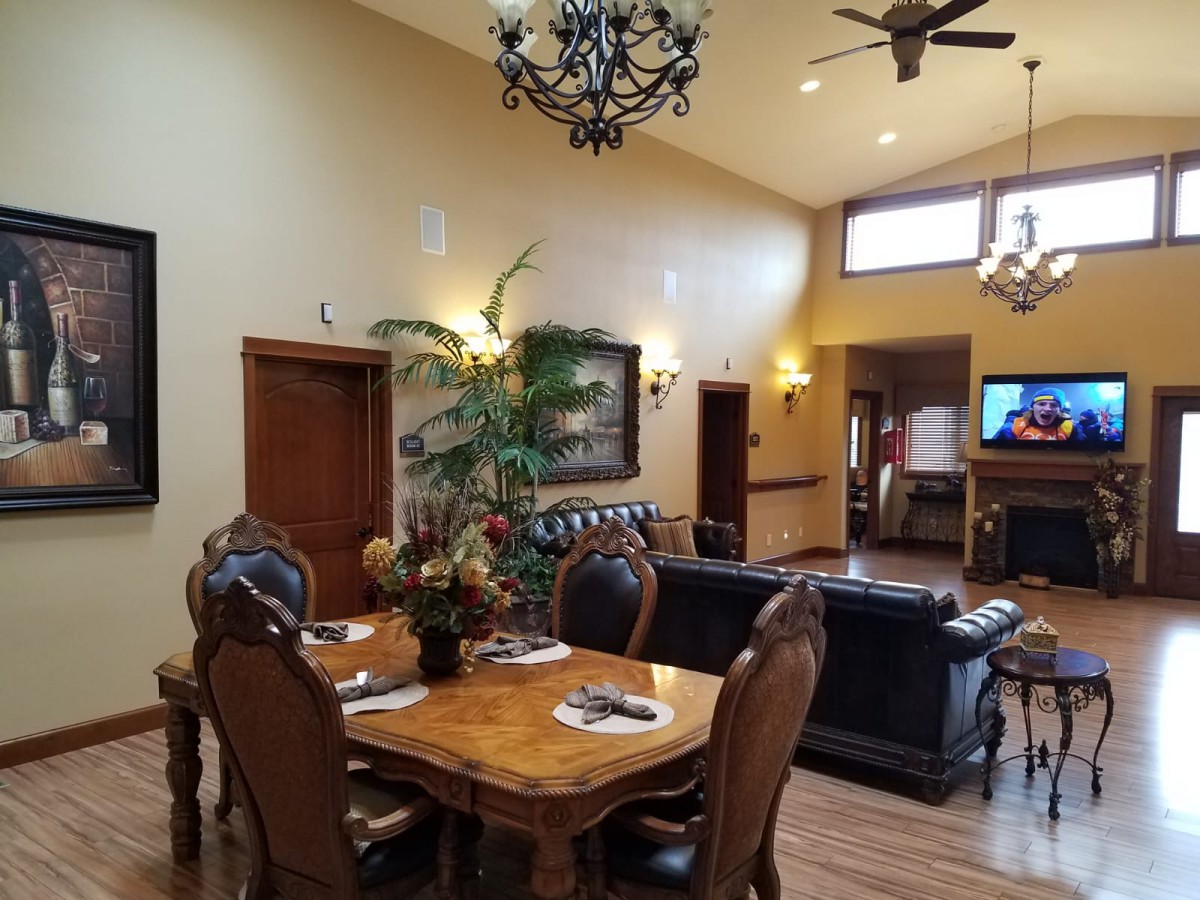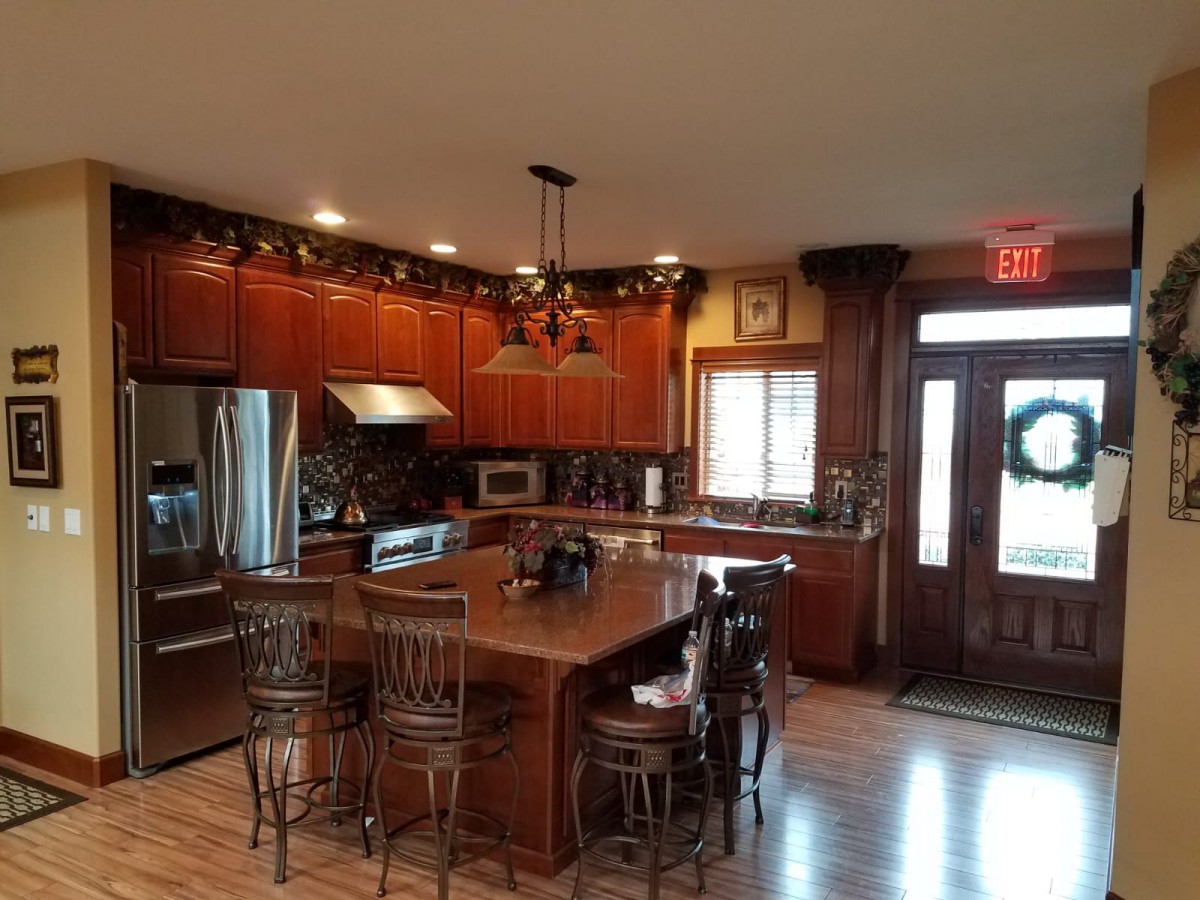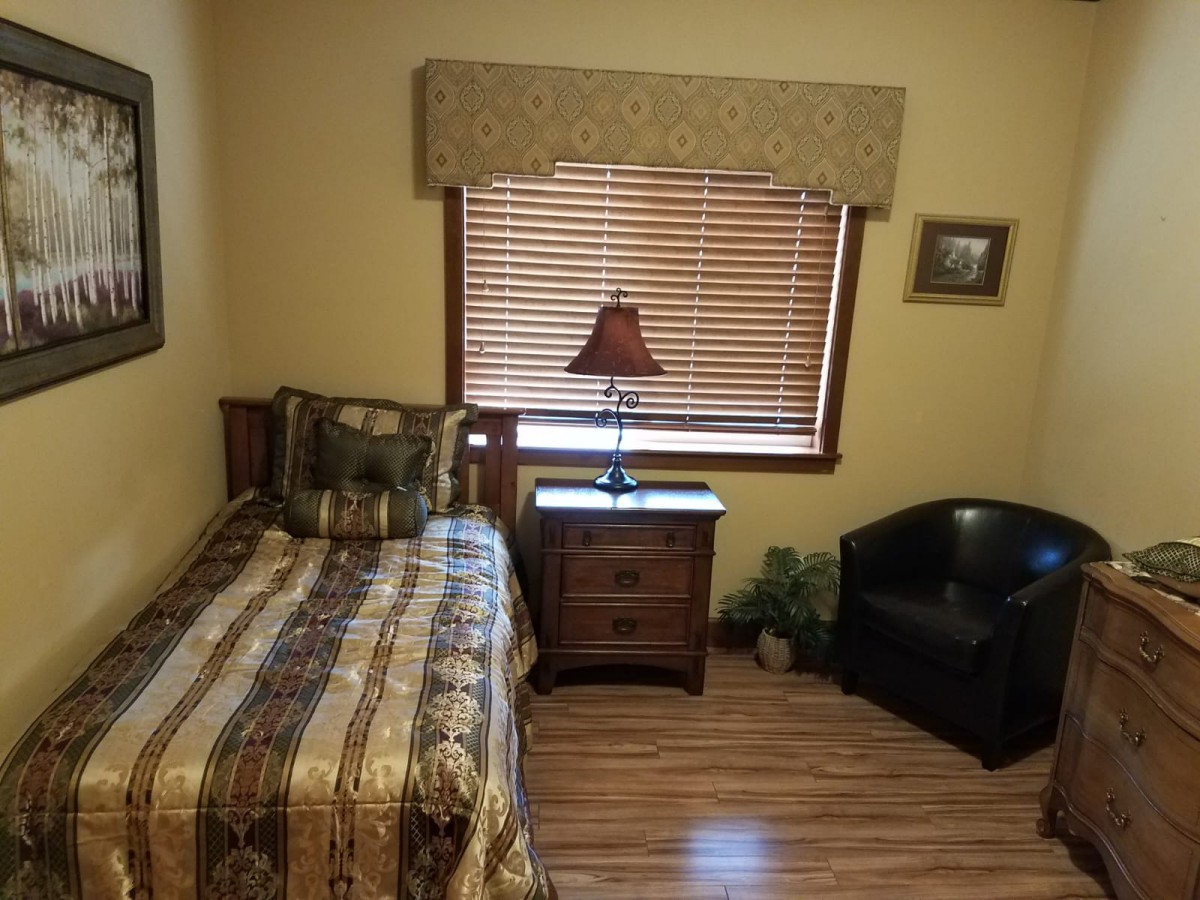
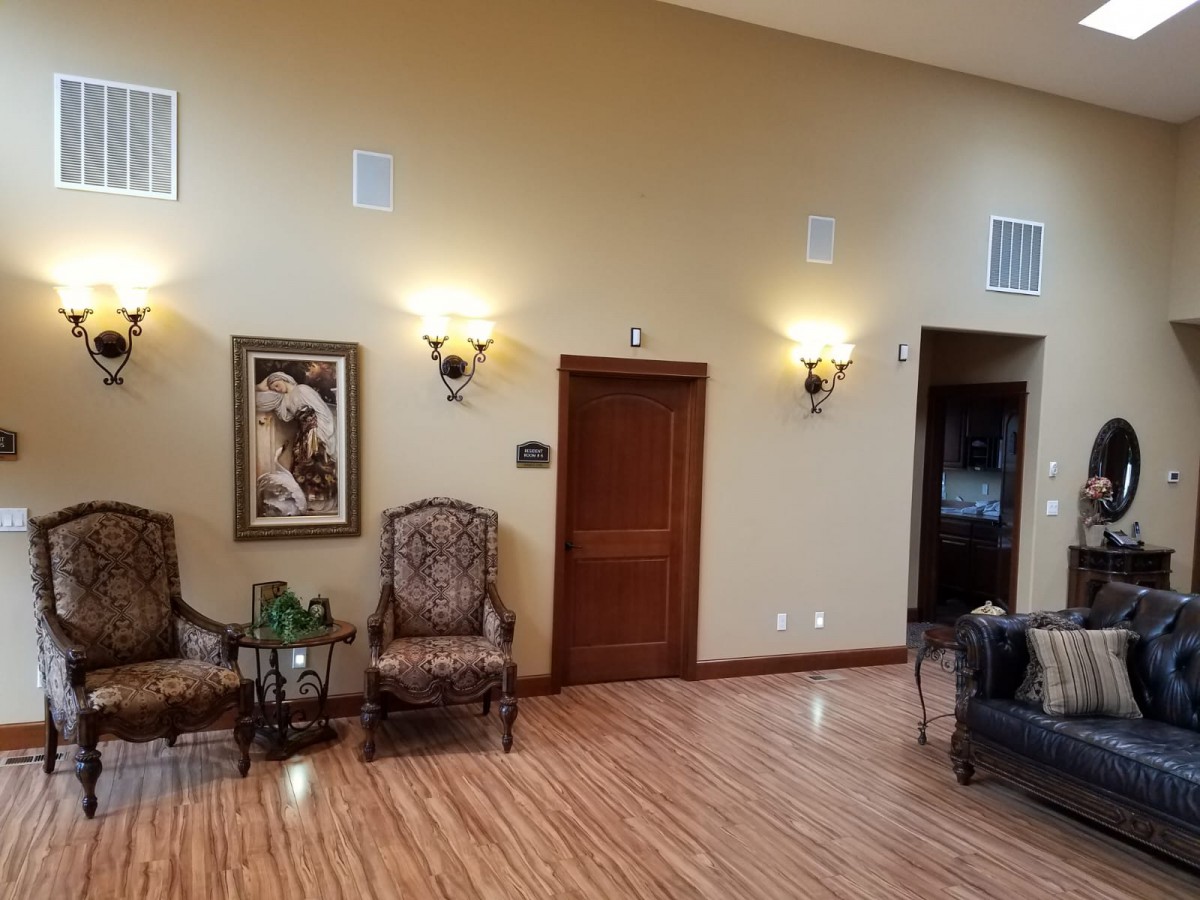
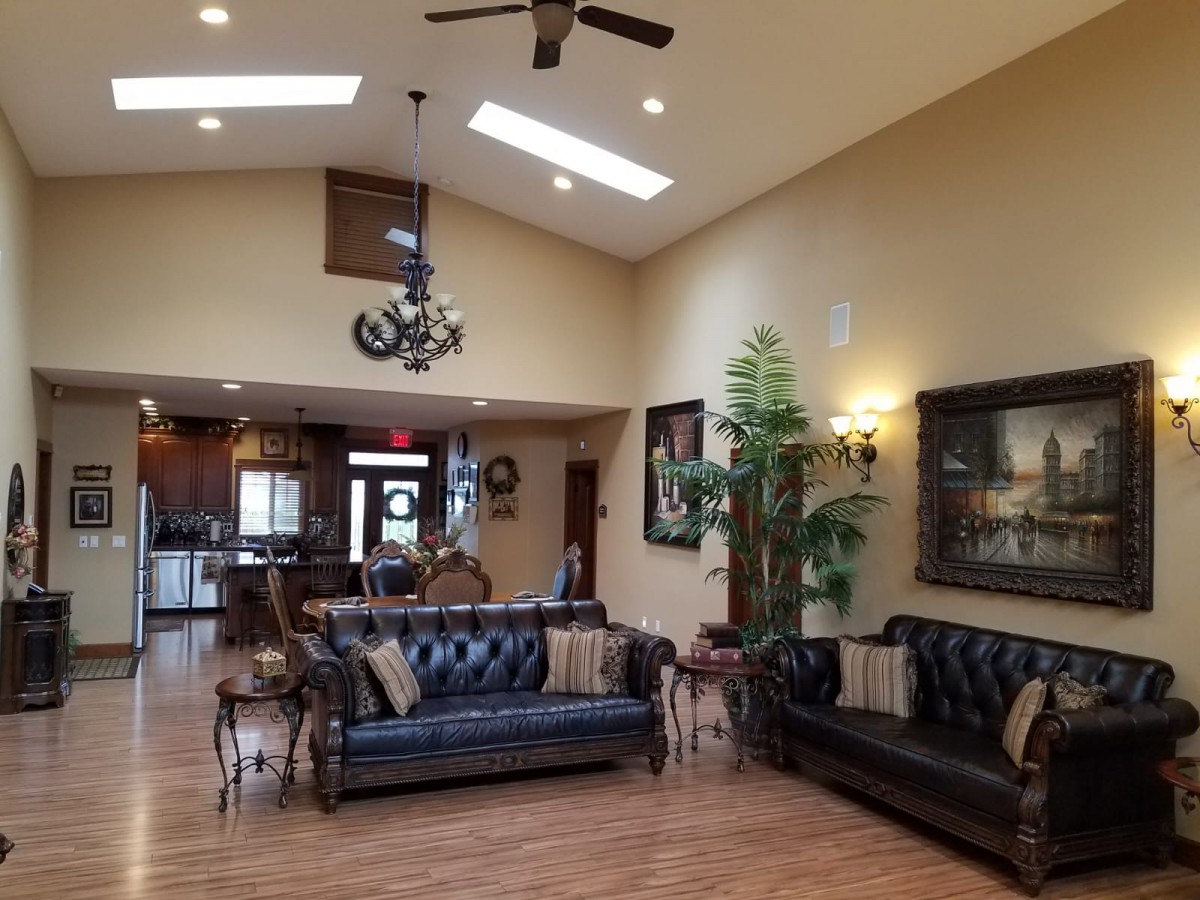
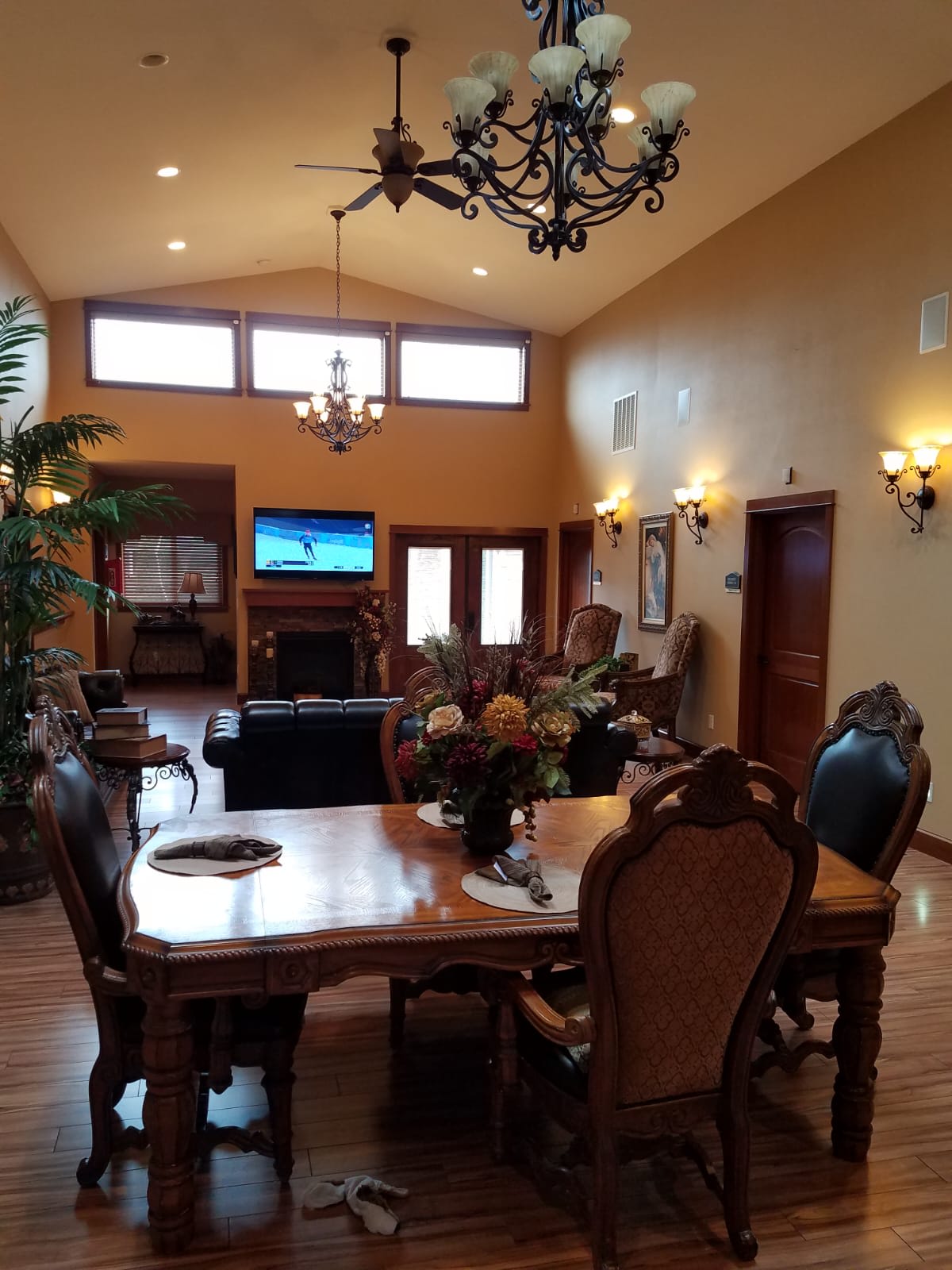
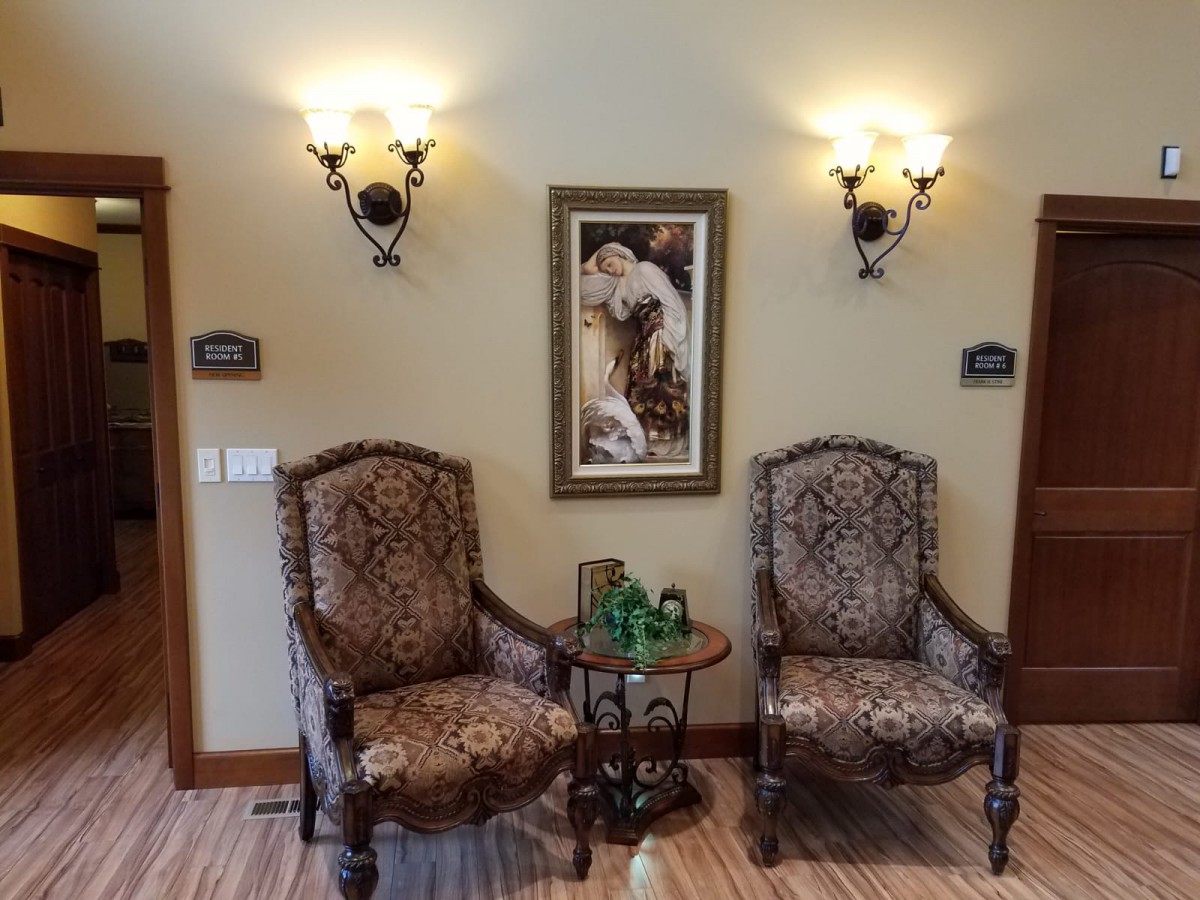
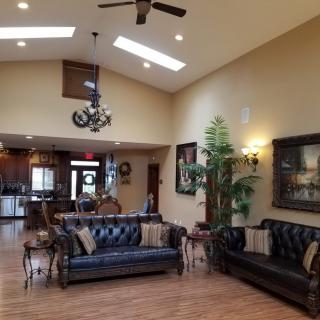
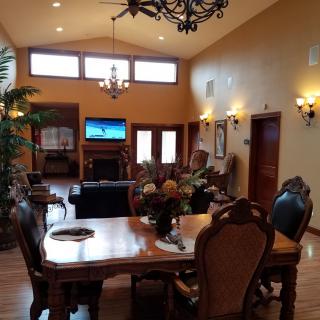
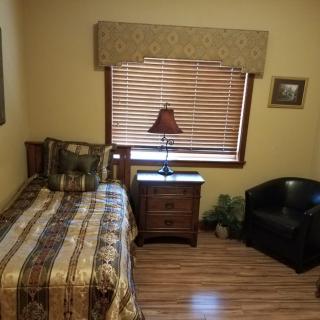
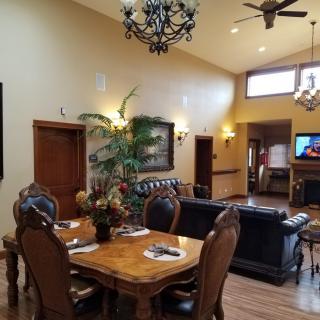
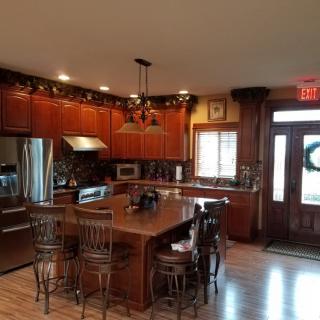
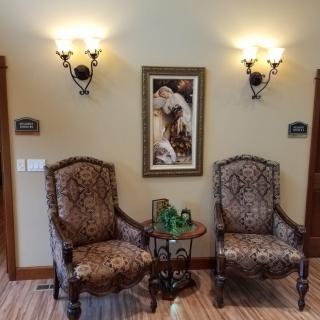


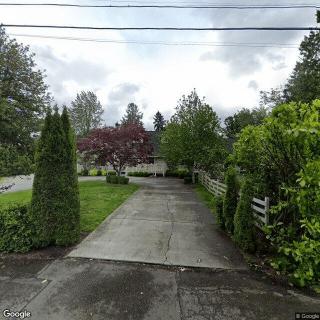
15502 43rd Ave SE, Bothell, WA 98012
To contact a resident: (425) 445-0222
For more information about senior living options: (866) 208-4318
Wellness Village Adult Care Home Costs & Pricing
Wellness Village Adult Care Home offers a private room at a monthly cost of $8,000, which significantly exceeds the average costs observed in Snohomish County and across Washington state. In comparison, the typical monthly rate in Snohomish County is approximately $4,834, while the overall state average stands at around $4,772. This pricing reflects Wellness Village's commitment to providing exceptional care and comprehensive services tailored to individual needs, positioning it as a premium option within the landscape of adult care homes. While the cost may be higher than other facilities in the region, many families find value in the specialized support and personalized attention offered to residents.
| Floor plans | Wellness Village Adult Care Home | Snohomish County | Washington |
|---|---|---|---|
| Private | $8,000 | $4,834 | $4,774 |
Senior living communities with a similar price nearby
-
from -$1500 / mo

The Promised Land
$6,500 / month6.0 miles away -
About the same
Grace Senior Care of Issaquah
$8,000 / month22.2 miles away -
About the same
Golden Cottage AFH, Inc
$8,000 / month9.1 miles away -
About the same

Caring Cabin Manager, LLC
$7,900 to $9,000 / month5.0 miles away -
from -$1500 / mo
Royal Anne Senior Care Home
$6,500 / month4.1 miles away
Overall Review of Wellness Village Adult Care Home
Pros
 The owner is very personable and responsive to guests.
- There is really good open communication, keeping guests informed and able to have questions answered.
- The mother-in-law is very happy there, which is the most important thing.
Review
Wellness Village Adult Care Home in Bothell is best suited for families desiring a small, intimate, family-like setting where care is led by a highly engaged owner and communication is consistently straightforward. The reviews point to a model built around personal attention, with the owner driving day-to-day responsiveness and keeping families in the loop. This environment tends to work best for a loved one who prioritizes trust, predictable routines, and knowing exactly who is overseeing care each day.
Those who may want to consider alternatives are seniors who need more extensive medical oversight or specialized memory-care programming, or families seeking a larger community with a broader menu of services and activities. If a resident requires frequent on-site nursing, highly structured therapeutic programs, or highly varied social programming across a wide campus, a larger assisted living or memory-care community could be a more suitable fit. Likewise, households watching for tighter budgets or more expansive transportation options might explore other options with different cost structures or service mixes.
The strongest positives are concise and actionable: an owner who is personable and deeply involved, rapid and reliable communication, and a clear sense that the family’s questions will be answered promptly. This creates a practical benefit: families feel informed, which reduces anxiety and makes it easier to align daily routines with the resident’s needs. When the caregiver is directly accessible and responsive, transitions, meals, schedules, and medical requests, tend to stay smooth, and the resident’s comfort can rise as a result.
Yet the format of a small adult care home inevitably introduces trade-offs. The limited scale can mean fewer on-site staff at any given moment and less diversity in activities or specialized services than larger campuses offer. Potential residents should recognize that care decisions may rest with a small team or the owner, which can be a strength in terms of consistency but may also limit back-up coverage during peak times or medical contingencies. These realities don’t negate the positives, but they are important to weigh against the expectations built around a highly personal setting.
The key question becomes how the proven advantages measure against any gaps. For families prioritizing trusted, accessible leadership and transparent, ongoing communication, the owner-driven model delivers tangible peace of mind: a resident who appears content, a family that feels heard, and a process that tends to keep questions answered without long wait times. For those who cannot compromise on 24/7 medical oversight, memory-care specialization, or a broader activity slate, it is wise to explore options that pair similar personal attention with those additional supports.
Bottom line: Wellness Village is a strong choice for families seeking a warm, hands-on, owner-led environment where open communication translates into real reassurance and a happy loved one. It suits residents who thrive on close, predictable care and value an immediate point of contact you can trust. However, for families needing intensive clinical supervision, specialized memory care, or a larger, more resource-rich community, it pays to compare alternatives that can deliver those elements at scale. A candid visit, dialoguing about staffing coverage, care-plans, and daily routines, will confirm whether this intimate setting aligns with the specific medical and lifestyle needs of the person served.
 Board and Care Home
 Activities on-site
 Air-conditioning
 Beautician on-site
 Cable or satellite TV
 Devotional services on-site
 Fireplaces
 Garden view
 Ground floor units
 Handicap accessible
 Indoor common areas
 Outdoor common areas
 Private
 Private bathrooms
 Respite or short term stays offered
 Wheelchair accessible showers
 Wi-Fi/high-speed internet available
 Diabetic care
 High acuity care
 Incontinence care
 Medication management
 Gluten-free
 Bible study group
 Book club
 Bridge club
 Happy hour
 Jewish services
 Live musical performances
 Live well programs



 Comprehensive Guide to Blood Pressure Charts for Older Adults: Understanding Normal and High Readings by Age
 Financing Long-Term Nursing Home Care Through Social Security: A Thorough Exploration
 Essential Knowledge on Pneumonia in Older Adults