






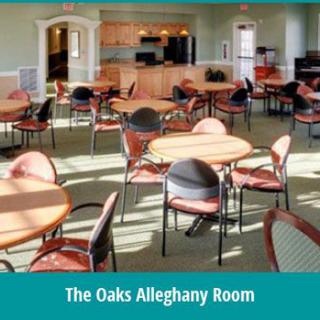
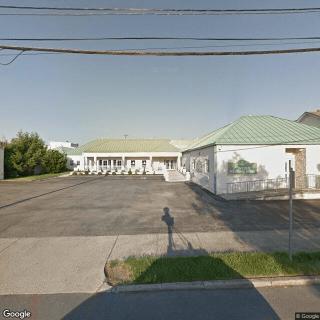
3706 Knollridge Road, Salem, VA 24153
For more information about senior living options: (866) 208-4318
Overall Review of The Oaks at Richfield
Pros
 The environment is safe and healthy.
- The residents are nice.
- The staff is good.
- The food is okay and the service is good.
- The mom has been very happy at Richfield.
- The majority of the staff seem to care.
Cons
 The dining hall charges her $150 for the Cafe each month, and it does not roll over; if she doesn’t use it, she loses it.
- The nursing home provides only fair care of residents.
Review
The Oaks at Richfield in Salem, Virginia is best suited for seniors who want a safe, sociable environment that accommodates a gradual shift from independent living into assisted care as needs evolve. It works well for residents who are reasonably mobile but anticipate requiring more help over time, and for families that value continuity and the sense that staff generally cares. The community tends to attract pleasant residents and a caregiving staff that many families describe as consistently kind. In practical terms, this is a solid, low-drama option for aging in place on a single campus, where a transition to higher levels of support can be managed without uprooting the resident.
Those evaluating options should consider alternatives if top-tier nursing oversight, highly specialized memory-care support, or exceptional dining value are priorities. The care profile here is described as fair rather than outstanding, which matters for anyone with significant medical needs or complex daily assistance. The dining policy introduces another friction point: a flat $150 monthly Café fee that doesn’t roll over, and the implication that unused access is forfeited. For families seeking transparent, all-inclusive pricing and consistently premium dining, this may not measure up, and other communities could offer stronger alignment with those expectations.
On balance, the Oaks delivers dependable strengths that can offset its drawbacks. A safe, healthy environment paired with residents who are described as nice and staff who are generally good and caring creates daily-life stability. The path from independent apartments into Oaks-level care as needs rise provides meaningful continuity, reducing the stress of relocation. The food is described as okay and the service as reliable, which translates into predictable meals and responsive support. For families prioritizing steady daily rhythms and a community that values its residents, these practical advantages carry substantial weight.
The principal drawbacks are tangible enough to warrant careful consideration. The Café” cost policy is a conspicuous ongoing expense that can feel punitive if the resident ends up not using it, since the benefit isn’t flexible or refundable. The characterization of nursing care as “fair” adds another layer of caution for those who anticipate frequent skilled nursing or intensive medical oversight. These cons don’t erase the positives, the environment, staff engagement, and a clear care ladder remain important, but they do limit the appeal for residents who demand more comprehensive clinical resources or want a more generous, all-encompassing dining arrangement.
For families weighing options, The Oaks at Richfield represents a pragmatic compromise: solid safety, dependable staff, and a clear progression from independence to assisted living. It’s less compelling for those who require highly attentive clinical oversight, robust on-site medical services, or highly flexible dining benefits. The mixed-to-positive rating signals that experiences vary, making a direct visit essential. Prospective residents should verify staff-to-resident ratios during peak times, confirm how care levels are documented and escalated, and obtain a detailed breakdown of all monthly charges and what triggers any upgrades.
To decide with confidence, tours should be conducted with a focused checklist: what exact daily assistance is available, how “Nursing home care” applies on site, and how the cost structure stacks up against similarly equipped communities. Clarify the transition process from independent living to Oaks care, what happens if medical needs change suddenly, and how the dining café policy is enforced in practice. Request current resident references and inquire about activity calendars, transportation options, and the availability of specialized supports if memory care or higher-acuity needs arise. The Oaks offers a solid, steady option for aging in place with a credible care ladder, worth pursuing for those who prize continuity and a caring staff, and worth steering toward alternatives for families seeking stronger clinical resources or more flexible dining economics.
 80 resident community capacity
 Assisted Living
 Independent Living
 Activities on-site
 Air-conditioning
 Beauty salon
 Cable or satellite TV
 Computer center
 Devotional services off-site
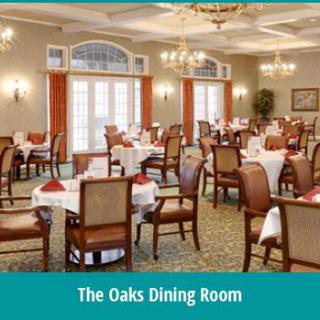
 Dining room
 Fitness room
 Fully furnished
 Gaming room
 Garden
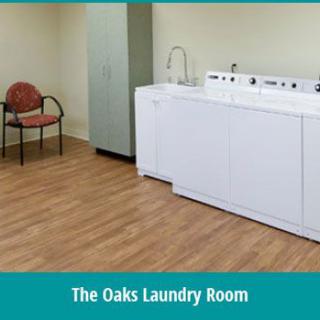
 Housekeeping services
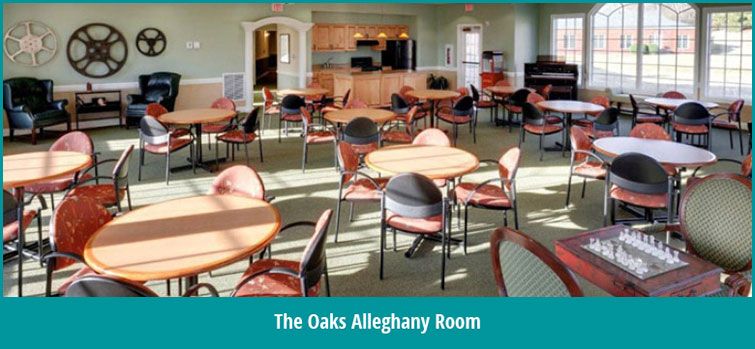
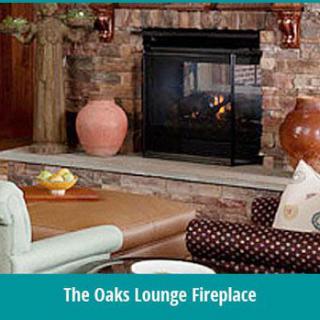
 Indoor common areas
 Kitchenette
 Move-in coordination
 Outdoor space
 Private bathrooms
 Restaurant-style dining
 Small library
 Telephone
 Wellness center
 Wi-Fi/high-speed internet available
 Roanoke Regional Woodrum (9 miles away)
 Community operated transportation
 12-16 hour nursing
 24-hour call system
 Ambulatory care
 Assistance with bathing
 Assistance with dressing
 Assistance with transfers
 Diabetes diet
 Diabetic care
 Medication management
 Mental wellness program
 Special dietary restrictions
 Transportation arrangement (medical)
 Concierge services
 Planned day trips





 How and When Medicaid May Cover Assisted Living Costs
 A Detailed Exploration of Assisted Living Medicaid Waivers Across the United States
 Comprehensive Residential Support and Assisted Living Solutions for Individuals with Disabilities