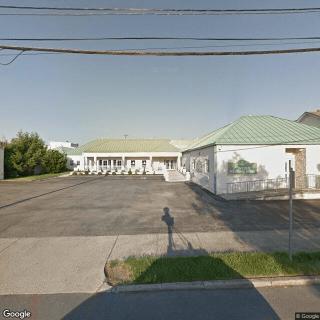
3939 Daugherty Road, Salem, VA 24153
For more information about senior living options: (866) 208-4318
Overall Review of Joseph C. Thomas Center
Pros
 The staff are caring and professional.
- The care provided to the resident was good.
- Housekeeping keeps the environment clean and is very kind.
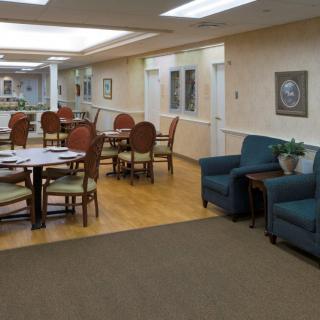
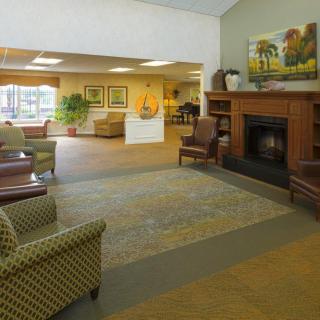
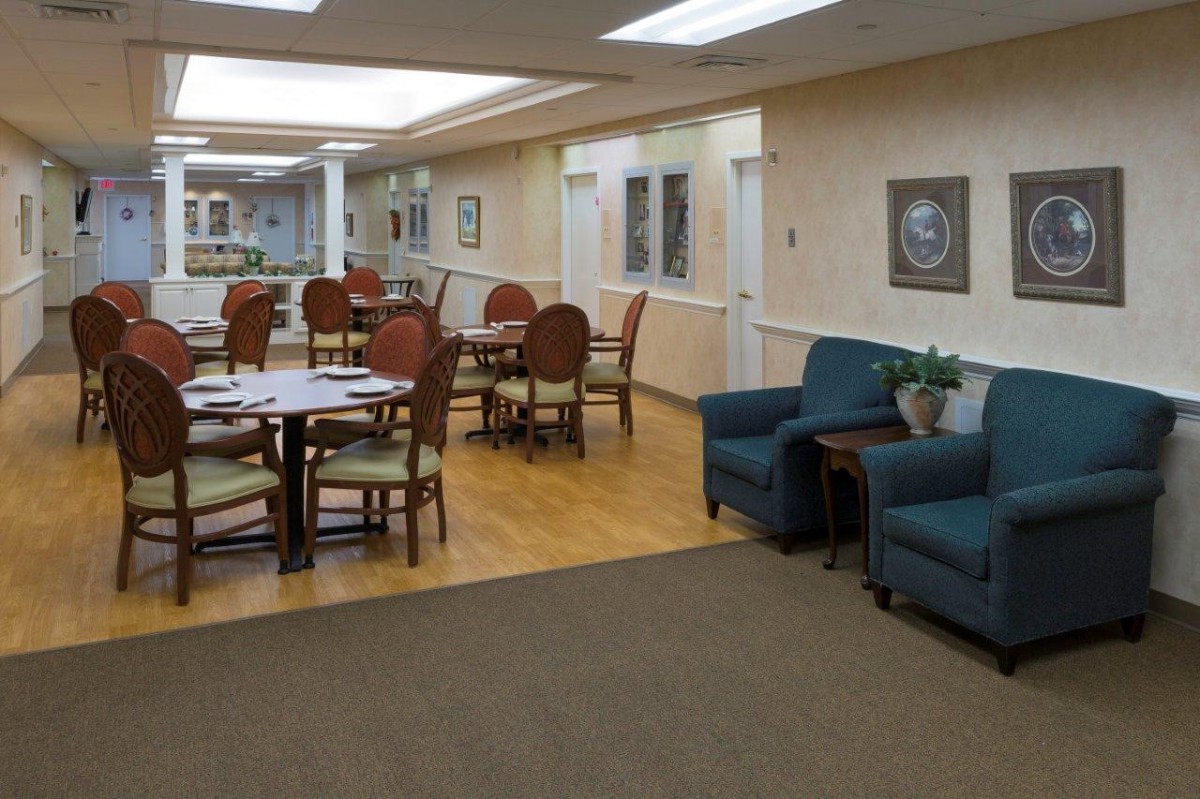
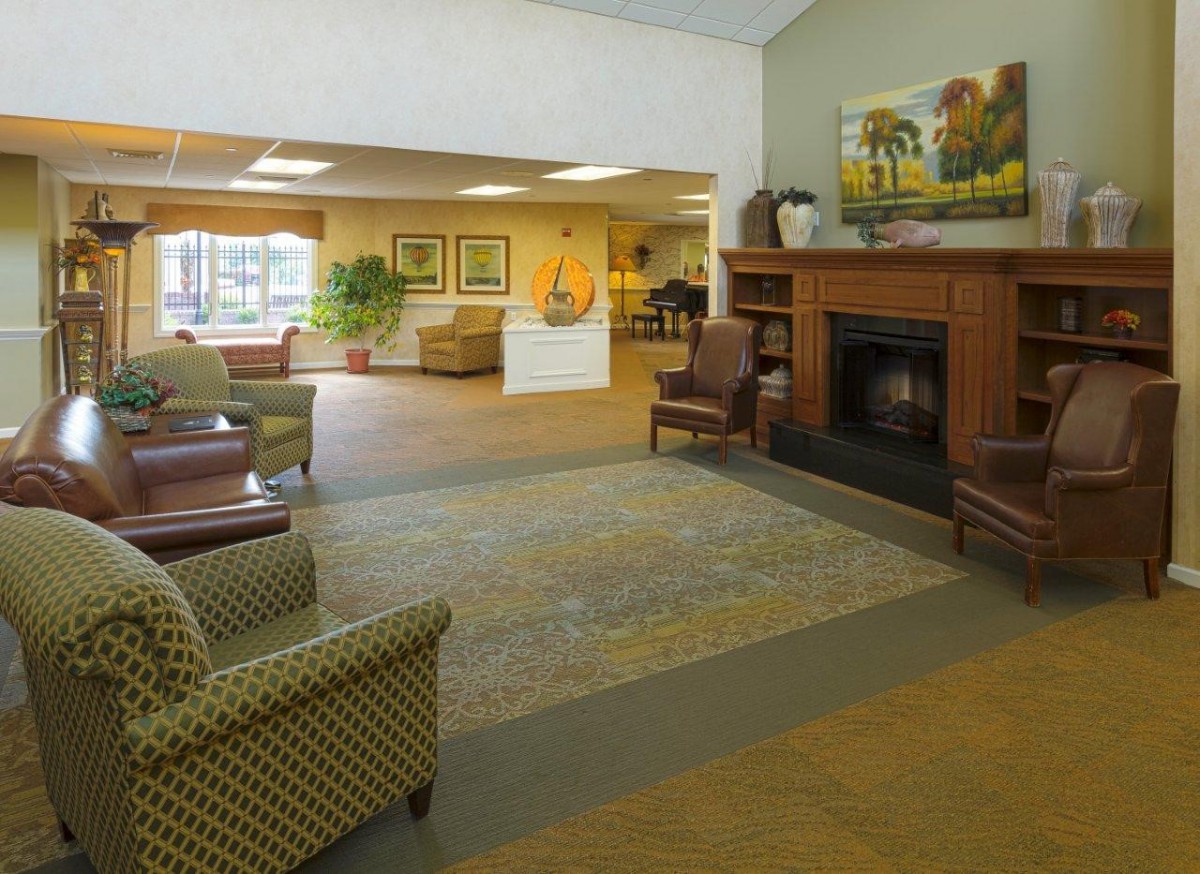
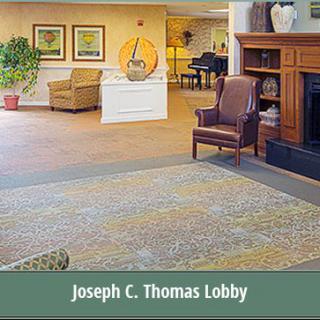
- The facility feels cheerful and homey.
- The staff are kind and supportive during transitions.
- Residents are described as nice and smiling.
- The food is well-regarded by residents.
Cons
 The reviewer states the level of supervision is extremely lacking, with activities for memory care residents basically nonexistent and the food horrible.
- The reviewer notes there are a lot of falls due to lack of supervision and inadequate staffing.
- The reviewer says residents spend most of their time on their own without any assistance, which is not why they are placed in a facility.
- The reviewer cautions that, despite its looks, the facility is not recommended for memory care, as promises are not delivered.
- The reviewer observes that on most days residents are sitting, staring and sleeping between meals, indicating a lack of meaningful engagement.
- The reviewer reports that the staff are great but not enough of them.
- The reviewer claims they were treated unfairly by the facility through agency staff, with false accusations and character assassination, and would not recommend the place.
Review
Joseph C. Thomas Center in Salem, VA is best suited for families seeking a small, home-like memory-care environment where residents receive personalized attention from a steady, caring staff. The facility’s intimate footprint, about 16 residents per wing, fosters close, consistent relationships between residents and caregivers, which can translate into more familiar routines and easier family involvement. This setting rewards residents who thrive on predictable daily rhythms, gentle supervision, and staff who know their preferences and histories. The strongest value here is the sense of connection: a cheerful, approachable atmosphere paired with reliable housekeeping and a genuinely kind staff.
Those considering alternatives should recognize that not every memory-care resident will fit this model. For families prioritizing robust, highly structured programming, aggressive supervision, and a busier activity calendar, other communities may deliver more consistent daily engagement and stronger fall-prevention routines. Several reviews flag variability in supervision and activity offerings, suggesting that on some days residents may appear to wait for assistance or spend long stretches with limited stimulation. For residents who require extensive cognitive activities, frequent social programming, or a consistently high-energy environment, it may be prudent to explore facilities known for more intensive programming and higher staffing levels.
The facility’s positive attributes, careful staff who are described as kind and professional, a clean and welcoming environment, and a genuine homey feel, often offset concerns about the smaller scale. Families of residents who have thrived emphasize transitions that felt reassuring and staff who made difficult decisions easier. When supervision is steady and staff accessibility is reliable, this can translate into meaningful daily moments: calm meals, friendly conversations, and residents who appear comfortable in their surroundings. The home-like ambiance and the perceived warmth of the team can be a decisive factor for families balancing safety with emotional well-being and familiarity.
Nevertheless, the strongest caveat centers on staffing and engagement. Reports of insufficient supervision, especially for memory-care residents, and gaps in meaningful activities raise legitimate concerns about safety and stimulation. Occasional critiques regarding meal quality and the overall activity slate cannot be dismissed, as they speak directly to residents’ daily experiences. Families should scrutinize actual supervision during peak hours, request a realistic day-to-day activity plan, and observe whether staff engage residents across meals, therapies, and routine tasks. These observations will reveal whether the stated care philosophy translates into practical, reliable care.
Given the mixed but meaningful feedback, Joseph C. Thomas Center is a compelling option for families who prize a small, intimate setting with strong staff relationships and a homey atmosphere, especially when a loved one’s needs align with gentle, personalized supervision rather than high-intensity programming. For residents requiring heavy supervision, frequent cognitive stimulation, or robust dining and social schedules, it may be wise to compare more large-scale memory-care communities before deciding. The facility’s strengths can become decisive advantages when matched to the resident’s temperament, care needs, and the family’s desire for dependable, familiar faces in daily care.
To make an informed choice, prospective families should schedule a focused tour that centers on memory-care dynamics: observe staff-to-resident ratios during meals and activities, verify how supervision is maintained across shifts, and request a realistic calendar of daily and weekly programming. Ask candid questions about incident reporting, fall-prevention measures, and how staff are trained to handle memory-impaired behaviors. Taste test the dining experience and ask to speak with current families about meal quality and resident engagement. Finally, compare with other communities on tangible metrics, staff stability, program variety, safety features, and the ability to customize care, before committing.
 96 resident community capacity
 Assisted Living
 Independent Living
 Memory Care
 Activities on-site
 Air-conditioning
 Beauty salon
 Cable or satellite TV
 Computer center
 Devotional services off-site
 Dining room
 Fitness room
 Fully furnished
 Gaming room
 Garden
 Housekeeping services
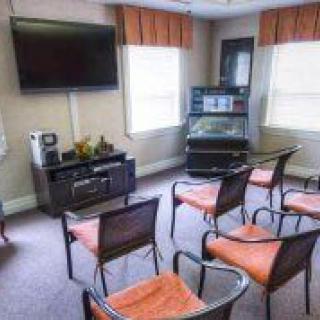
 Indoor common areas
 Kitchenette
 Move-in coordination
 Outdoor space
 Private bathrooms
 Restaurant-style dining
 Small library
 Telephone
 Wellness center
 Wi-Fi/high-speed internet available
 Roanoke Regional Woodrum (9 miles away)
 Community operated transportation
 12-16 hour nursing
 24-hour call system
 Ambulatory care
 Assistance with bathing
 Assistance with dressing
 Assistance with transfers
 Diabetes diet
 Diabetic care
 Medication management
 Mental wellness program
 Special dietary restrictions
 Concierge services
 Planned day trips




 Comprehending Evening Confusion in Dementia: Causes, Manifestations, and Support
 Delirium and Dementia: Unraveling the Key Differences
 Are Dementia and Alzheimer's Disease Lethal? A Comprehensive Exploration