


2728 East 3900 South, Salt Lake City, UT 84124
For more information about senior living options: (866) 208-4318

Overall Review of The Abbington At Holladay
Pros
 The Abbington's staff is helpful, friendly, and professional.
- The facility provides a wide range of activities for residents.
- The food is tasty and well presented, with portions that are appropriate.
- The memory care unit offers dedicated, compassionate care and engaging daily activities.
- Families feel welcomed and supported by the staff throughout the transition to assisted living.
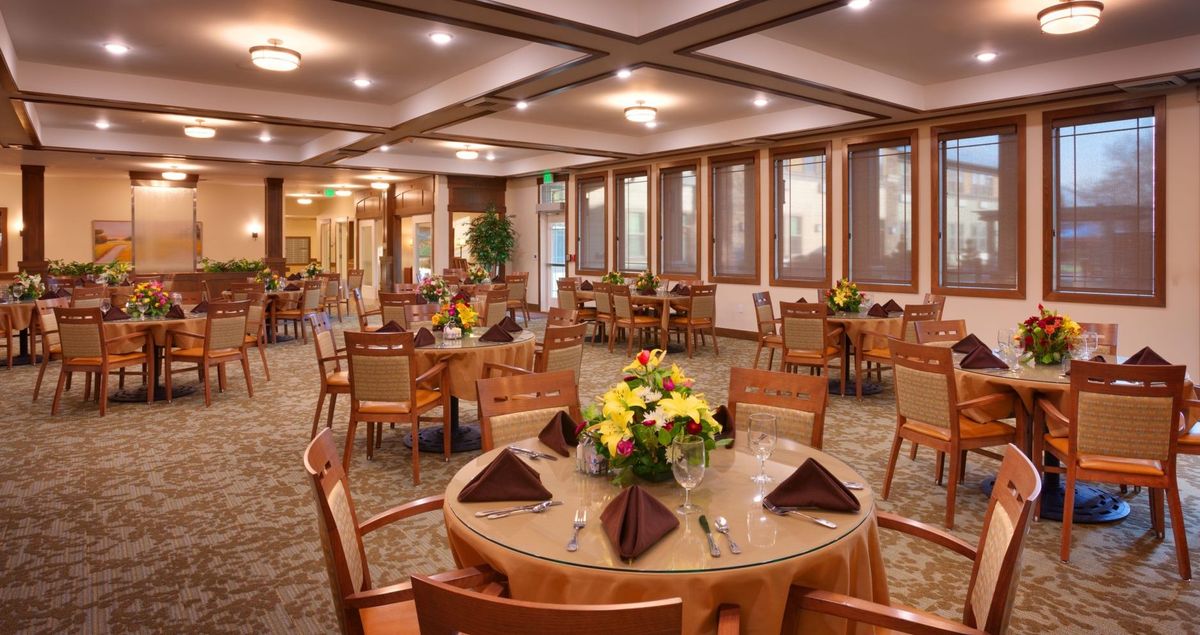
- The environment is warm, welcoming, and feels like home.
- Residents are treated with kindness, dignity, and respect by the care team.
- The common areas are clean, safe, and well maintained, contributing to peace of mind.
Cons
 The residents are served high carb meals with processed meats which contain a high amount of salt.
- Concerns about food have been brought up by residents but the issues don’t seem to get resolved.
- Residents are often bringing in their own food or going out, which is sad when they pay so much.
- The Abbington rarely has staff eat what residents are served.
- A chef salad was served with couple thin slices of deli meat, one thin slice of processed meat and cheese.
Review
The Abbington at Holladay is best suited for families seeking a warm, home-like assisted living experience in Salt Lake City where staff consistently deliver compassionate, personalized care and where memory care is embedded on site for future needs. This community shines for residents who value a welcoming atmosphere, strong social engagement, and a safe, well-maintained environment. The ambiance feels more like a gracious residence than an institution, with staff who are described as friendly, competent, and genuinely invested in residents’ well-being. For families prioritizing ongoing social activity, reachable staff, and a seamless transition from home to care, The Abbington delivers reliably.
Those considering alternatives should weigh a few realities that emerge from the experience here. Families with strict dietary requirements or with residents whose medical needs demand high-acuity, around-the-clock nursing oversight may want to compare options that promise tighter control of meals and more intensive medical staffing. The reviews reveal some concerns about the food, high-carb meals and elevated salt, and notes that residents sometimes bring in or go out for meals. While management has shown responsiveness on these issues, it is reasonable to expect a facility to offer menus and service levels that align more closely with specific medical or dietary plans from day one. Additionally, for households with budget constraints or very high expectations for enterprise-scale amenities, there are other local options that may present different trade-offs.
The strongest positives here, staff warmth, dependable safety, abundant activities, and a clearly caring culture, offset the primary drawbacks in meaningful ways. Families repeatedly praise staff for going above and beyond in easing transitions, with examples of hands-on help and patient, individualized care. The presence of a full-time memory care component on site is a notable strategic advantage, enabling smoother transitions if memory care becomes necessary and preserving continuity for loved ones. Residents describe a bright, engaging common area and daily programming that keeps life vibrant, reducing the loneliness that can accompany aging in place. Cleanliness and the feel of a well-kept home contribute to peace of mind for families during challenging times.
That care-and-community strength will not erase every concern, but it does tilt the balance decisively. When dietary issues arise, management’s willingness to address feedback and implement changes is a powerful offset to earlier lapses, and it signals the presence of a responsive leadership team. The combination of a secure, home-like setting with a robust activity calendar and an on-site memory care option creates a compelling safety net for families worried about escalating care needs. In practice, the Abbington’s pros, compassionate staff, safe environment, and meaningful engagement, often outweigh the occasional misalignment on meals, particularly once dietary concerns have been addressed and ongoing communication is established.
Prospective residents should test a few decision-critical factors before choosing. First, verify current dining approaches and available customization for dietary restrictions, weight management, and sodium limits; observe residents’ reaction to meals and ask how often menus rotate. Second, assess the memory care ecosystem: how the on-site unit operates, how residents mingle with the broader community, and what outings or social opportunities are maintained. Third, probe the daily activity slate, transportation options, and family involvement protocols, since these elements often determine quality of life as needs evolve. Finally, obtain a transparent sense of cost inclusions, any ancillary fees, and how pricing might change with moves to memory care or increases in care intensity.
Overall, The Abbington at Holladay stands out in the Salt Lake City region for families prioritizing a warm, family-like environment, reliable staff, and integrated memory care that can grow with a loved one. The main caveat, dining alignment with individual dietary needs and cost considerations, can be managed effectively with proactive conversations and clear expectations from the outset. For families seeking a place where residents feel truly cared for, where life remains active and social, and where transitions are supported with genuine warmth, The Abbington is a strong, confident choice. If those priorities align with what matters most, it is wise to move forward with confidence; if strict dietary rigidity or budget-driven constraints are non-negotiable, explore alternatives that foreground those elements more prominently.
 83 resident community capacity
 Assisted Living
 Air-conditioning
 Beauty salon
 Cable or satellite TV
 Computer center
 Dining room
 Fitness room
 Fully furnished
 Gaming room
 Garden
 Housekeeping services
 Kitchenette
 Move-in coordination
 Outdoor space
 Private bathrooms
 Restaurant-style dining
 Small library
 Telephone
 Wellness center
 Wi-Fi/high-speed internet available
 Salt Lake City International (11 miles away)
 Community operated transportation
 12-16 hour nursing
 24-hour call system
 Activities of daily living assistance
 Assistance with bathing
 Assistance with dressing
 Assistance with transfers
 Diabetes diet
 Medication management
 Mental wellness program
 Special dietary restrictions
 Concierge services
 Planned day trips





 Assisted Living Expenses and Long-Term Care Insurance: A Comprehensive Exploration
 Securing Financial Support for Assisted Living: A Comprehensive Overview
 Social Security Benefits and Assisted Living: Navigating Options Across the U.S.