At Sunrise at Holladay, the monthly costs for various room types present a competitive edge in comparison to both Salt Lake County and the broader state of Utah. For instance, a one-bedroom suite is priced at $3,255, notably lower than the county average of $3,840 and the state average of $3,556. Similarly, the two-bedroom option at $3,722 offers significant savings against the county's $4,443 and state's $4,194. However, it's important to note that the semi-private rooms were priced higher at $5,040 compared to both Salt Lake County's $3,970 and Utah's statewide average of $3,596. Conversely, studio accommodations are offered at a premium rate of $5,940 but still remain above the county's cost of $3,331 and Utah's average of $3,206. Overall, Sunrise at Holladay presents an appealing balance of affordability and quality across most room options while demonstrating variability in pricing for certain accommodations that may warrant further consideration by prospective residents.
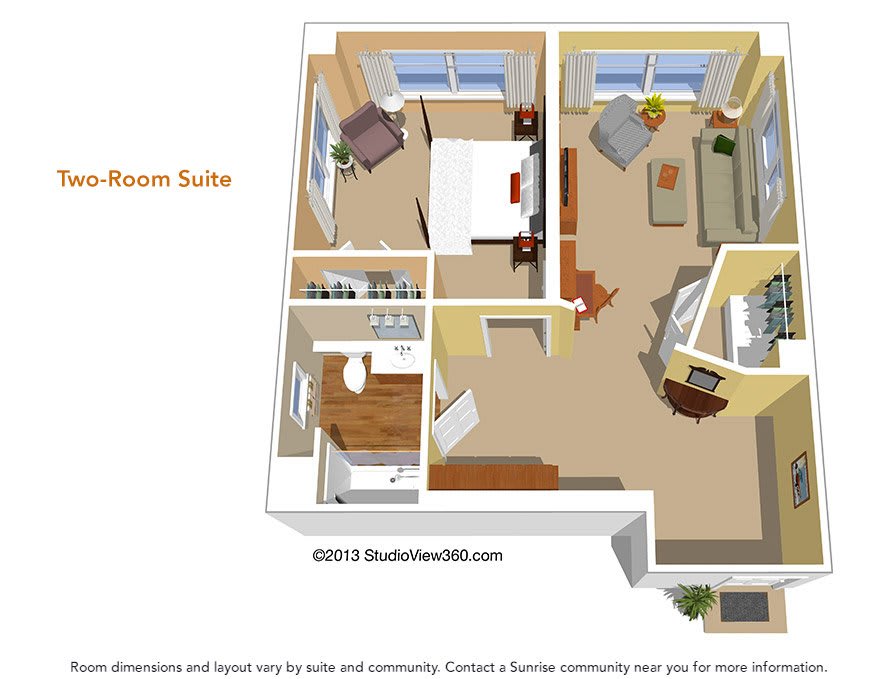
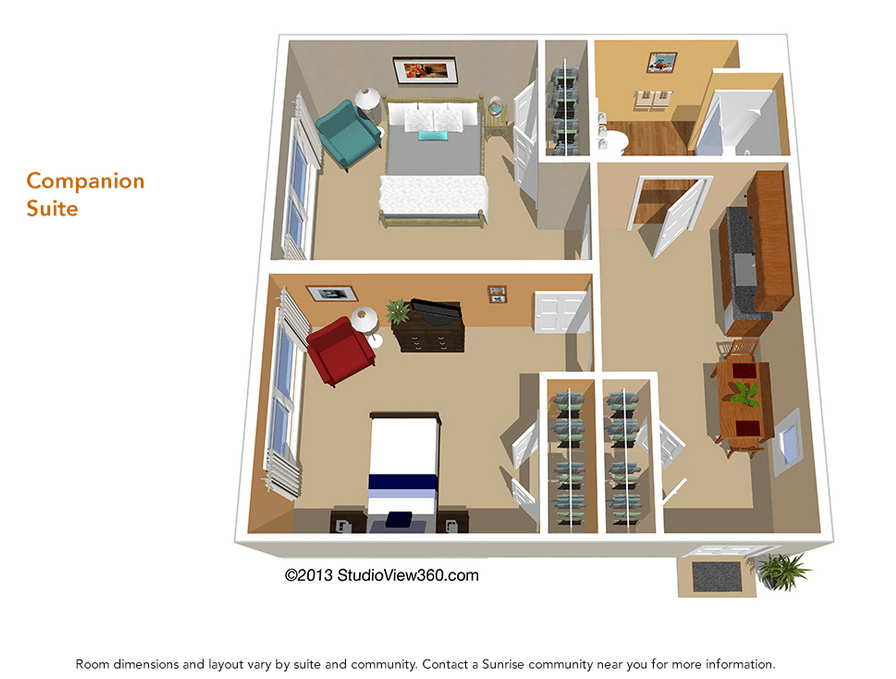
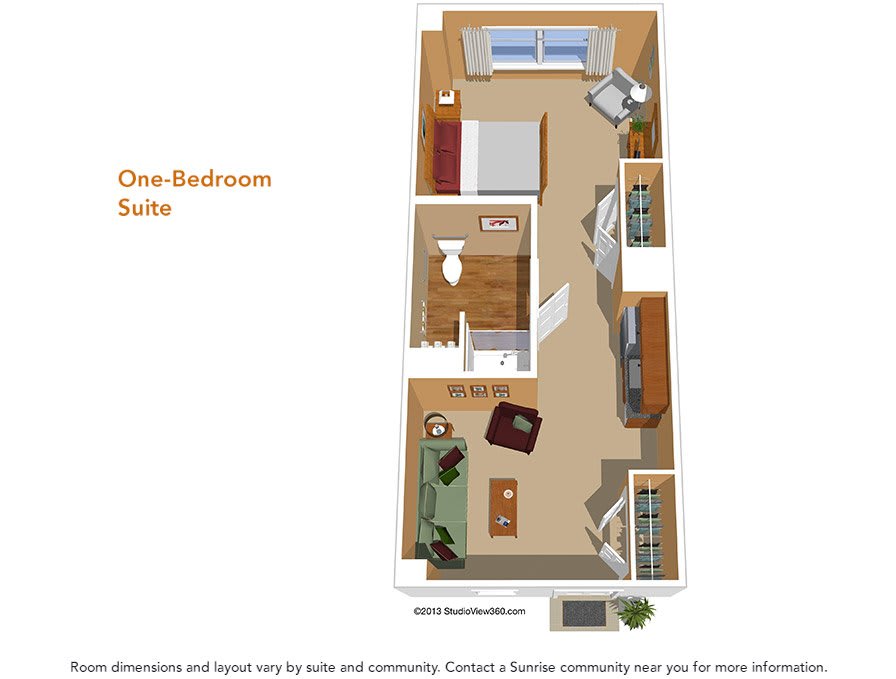
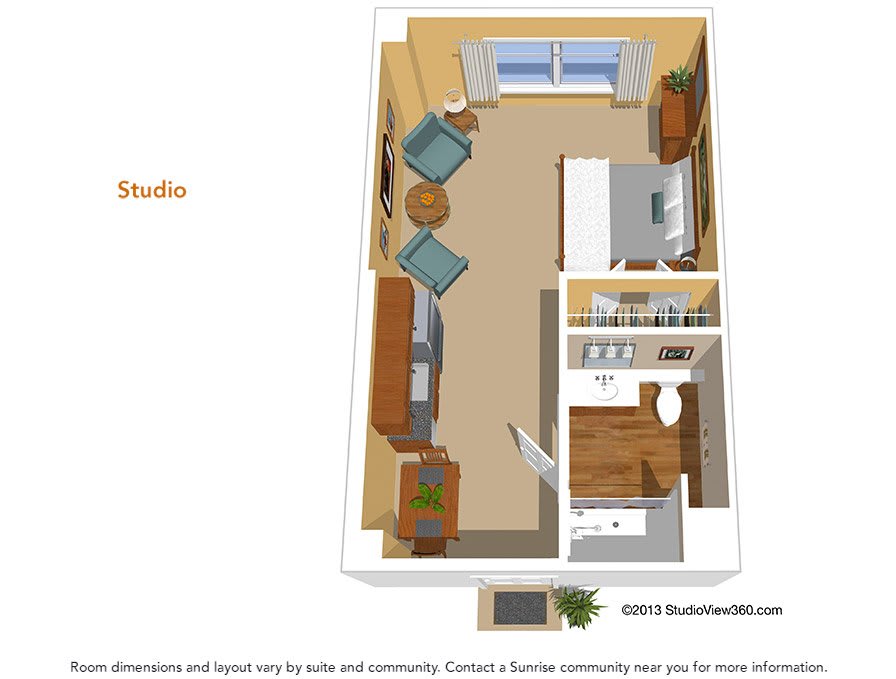
Floor plans
Sunrise at Holladay
Salt Lake County
Utah
1 Bedroom
$3,255
$3,840
$3,556
2 Bedrooms
$3,722
$4,443
$4,194
Semi-Private
$5,040
$3,970
$3,596
Studio
$5,940
$3,331
$3,206
Memory care communities with a similar price nearby
Residents and families consistently describe staff as kind and quick to respond.
Across reviews, people repeatedly mention friendly, knowledgeable staff members who treat residents with kindness and respect. Several reviewers also point to responsiveness when needs come up, including help with day-to-day tasks and follow-up when families had concerns. Care is described as supportive during difficult moments, with some families specifically thanking staff for communication and reassurance.
common28 reviews mention this
Clean, home-like atmosphere
Many reviews highlight a clean, welcoming feel throughout the building.
Multiple reviews describe the community as clean and well kept, from common areas to residents’ rooms. Reviewers often use language like homey, welcoming, and comfortable when describing the environment and day-to-day feel. Some also mention maintenance and housekeeping, and that apartments are cared for and pleasant to live in.
differentiator17 reviews mention this
Restaurant-style dining gets praise
Dining stands out, with residents and families describing it as restaurant-like and well prepared.
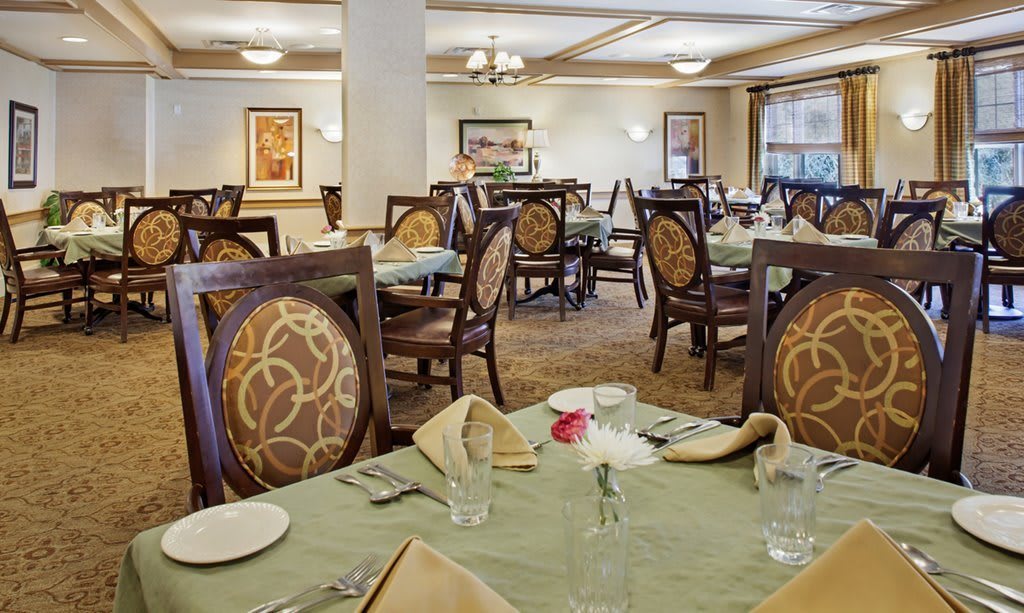
Dining comes up often in reviews, with several people praising the variety of meal options and how meals are presented. Some residents and family members specifically describe the food as good, enjoyable, or even restaurant quality. The community also offers restaurant-style dining, along with meals provided and support for special dietary needs.
common18 reviews mention this
Activities and outings are a focus
Reviews frequently mention plenty of activities, events, and outings to stay engaged.
Many reviewers describe a schedule with regular activities such as exercise, classes, games, and resident-centered programs. Families mention outings and day trips, and some say their loved ones stay involved as much as they want to. The community’s offering aligns with that feedback, including on-site and off-site activities, day trips, and resident-run programming.
caveat6 reviews mention this
Memory care can be a mismatch
Some families report memory care didn’t meet expectations for higher-needs situations.
While some reviewers describe positive memory care experiences, several express concerns—especially when residents needed more than basic support. Criticisms include issues with care approaches and safety/handling challenges, as well as difficulty matching the right level of support. Others also say the memory care setup wasn’t a fit for their loved one’s specific needs or progression, even after moving into that unit.
caveat16 reviews mention this
Pricing is frequently described as high
Cost is a recurring concern, with multiple reviews calling it expensive.
A number of reviews focus on affordability, saying the community is costly and that value didn’t always match expectations. Some reviewers say pricing felt out of line compared with what they saw, while others mention issues around transitions or move-out terms when care needs changed. At the same time, a few families describe the cost as worth it for the care they received, which suggests experiences vary by household and level of need.
How we summarize
Counts show how many written reviews mention each theme; a review can touch several themes, and only frequently mentioned themes are displayed.
Features
Housing
101 resident community capacity
Studio apartments
Types of Care
Assisted Living
Independent Living
Memory Care
Pets
Cats allowed
Dogs allowed
Amenities
Activities off-site
Activities on-site
Air-conditioning
Beautician on-site
Beauty salon
Cable or satellite TV
Computer center
Devotional services off-site
Devotional services on-site
Dining room
Fitness room
Full kitchen
Fully furnished
Gaming room
Garden
Ground floor units
Handicap accessible
Housekeeping services
Indoor common areas
Kitchenette
Laundry
Move-in coordination
Outdoor common areas
Outdoor space
Private bathrooms
Respite or short term stays offered
Restaurant-style dining
Small library
Telephone
Wellness center
Wheelchair accessible showers
Wi-Fi/high-speed internet available
Transportation
Salt Lake City International (10 miles away)
Community operated transportation
Transportation arrangement
Transportation arrangement (non-medical)
Care Services
12-16 hour nursing
24-hour call system
24-hour supervision
Activities of daily living assistance
Ambulatory care
Assistance with bathing
Assistance with dressing
Assistance with transfers
Coordination with health care providers
Diabetes diet
Diabetic care
Hospice waiver
Incontinence care
Meal preparation and service
Medication management
Mental wellness program
Mild cognitive impairment
Special dietary restrictions
Specialized memory care programming
Transportation arrangement (medical)
Transportation to doctors appointments
Dining
Diabetes diet
Guest meals
Low / no sodium
Meals provided
No Sugar
Professional chef
Restaurant style dining
Special dietary restrictions
Special dining programs
Activities
Activities off-site
Activities on-site
Art classes
Community-sponsored activities
Concierge services
Day trips and outings
Devotional activities offsite
Devotional activities on-site
Educational speakers / life long learning
Fitness programs
Happy hour
Live well programs
Pet-focused programs
Planned day trips
Religious services
Resident-run activities
Scheduled daily activities
Languages Spoken
English
Nearby Places of Interest
This area of Salt Lake City, Utah, offers a variety of healthcare services including urology, women's health, eye care, pulmonary medicine, cancer treatment, endocrinology, and more. There are several pharmacies nearby for easy access to medications. The proximity to St Mark's Hospital and Intermountain Medical Center provides convenient medical care in case of emergencies. In addition to healthcare services, there are several cafes and restaurants nearby for dining options. Parks such as Sugar House Park and Liberty Park offer green spaces for outdoor activities and relaxation. Public transportation options like TRAX stations provide convenient travel around the city. Overall, this area provides a mix of essential services and amenities that could be beneficial for senior living.
Physicians
Western Urological (0.2 miles)
Mountain View Women's Clinic (0.6 miles)
Advanced Eye Care (0.7 miles)
Pulmonary Internal Medicine (0.8 miles)
Utah Cancer Specialists (0.9 miles)
Endocrinology of Utah - Diabetes Center (1.2 miles)
The Eye Institute of Utah (1.4 miles)
Pharmacies
Maceys Pharmacy (0.6 miles)
Walgreens (1.3 miles)
Walgreens (1.3 miles)
Harmons (1.5 miles)
Walgreens (2 miles)
Southeast Pharmacy (2.2 miles)
Walgreens (2.5 miles)
Hospitals
St Mark's Hospital (0.7 miles)
Intermountain Medical Center (3 miles)
Orthopedic Specialty Group - TOSH (3.4 miles)
Valley Mental Health (4.1 miles)
United States Government (5.1 miles)
George E Wahlen VA Hospital (5.2 miles)
Clinical Neurosciences Center - UUHC (5.9 miles)
Cafes
Roots Cafe (1.4 miles)
Java Jos (1.5 miles)
Stratford Proper (2.3 miles)
Coffee Garden (4.8 miles)
Publik Coffee Roasters (5.2 miles)
Starbucks (5.3 miles)
Starbucks (5.4 miles)
Restaurants
Karroo (1.6 miles)
Left Fork Grill (2.6 miles)
McDonald's (3.2 miles)
Prohibition (3.8 miles)
Red Rock Brewing Co. (3.9 miles)
Lone Star Taqueria (4.1 miles)
The Original Pancake House Utah - Ft Union (4.1 miles)
At Sunrise at Holladay, the monthly costs for various room types present a competitive edge in comparison to both Salt Lake County and the broader state of Utah. For instance, a one-bedroom suite is priced at $3,255, notably lower than the county average of $3,840 and the state average of $3,556. Similarly, the two-bedroom option at $3,722 offers significant savings against the county's $4,443 and state's $4,194. However, it's important to note that the semi-private rooms were priced higher at $5,040 compared to both Salt Lake County's $3,970 and Utah's statewide average of $3,596. Conversely, studio accommodations are offered at a premium rate of $5,940 but still remain above the county's cost of $3,331 and Utah's average of $3,206. Overall, Sunrise at Holladay presents an appealing balance of affordability and quality across most room options while demonstrating variability in pricing for certain accommodations that may warrant further consideration by prospective residents.
The comprehensive features offered at Sunrise at Holladay are designed to enhance the quality of life for residents experiencing dementia or Alzheimer's disease. With 24-hour supervision, staff are always available to provide immediate assistance, ensuring safety and comfort throughout the day and night. Support with activities of daily living, such as bathing and dressing, empowers residents to maintain dignity while receiving necessary help. The facility's coordination with healthcare providers ensures that medical needs are managed effectively, including medication management and incontinence care. Meal preparation and service cater to individual dietary requirements, promoting good nutrition essential for physical health. Specialized memory care programming and a mental wellness program support cognitive engagement and emotional well-being, while arrangements for transportation facilitate access to medical appointments, ultimately fostering a holistic approach to memory care that addresses both physical and psychological needs.
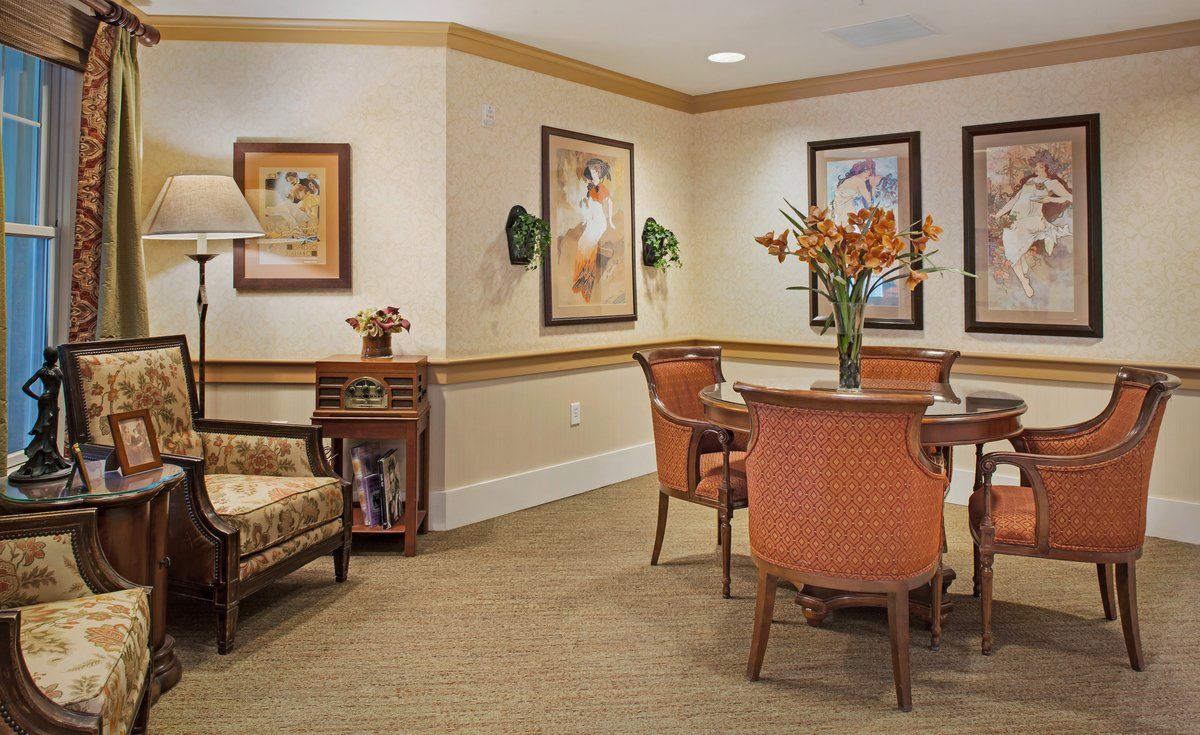
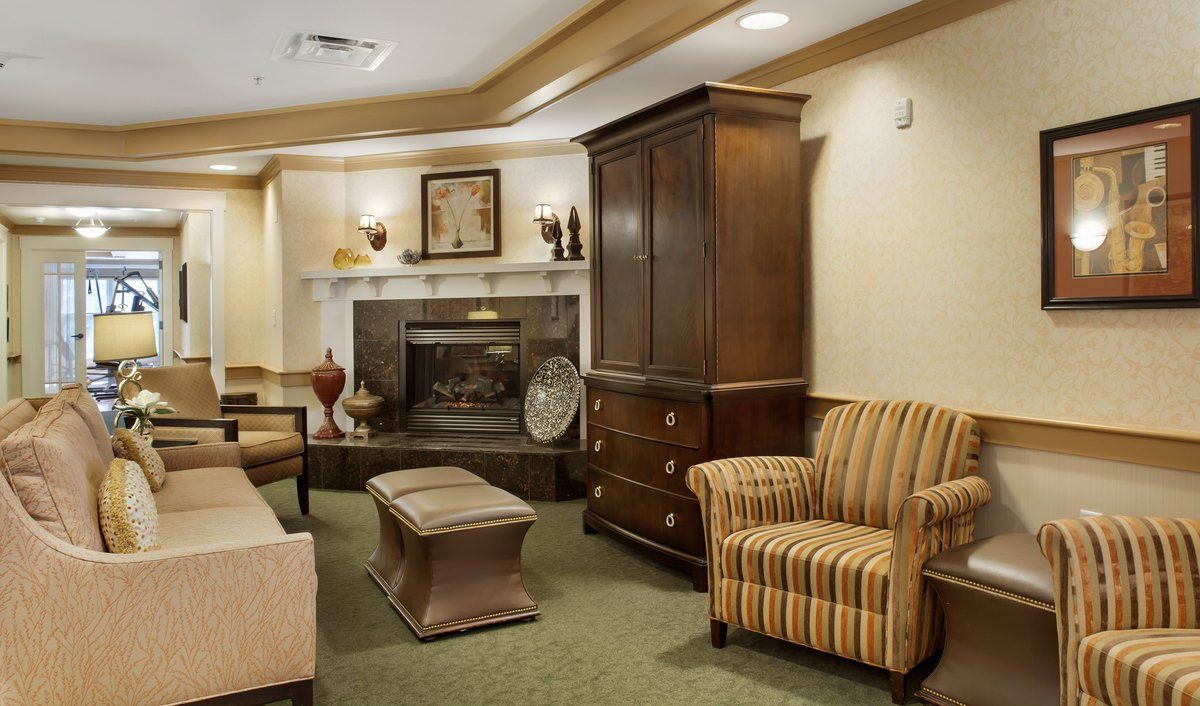
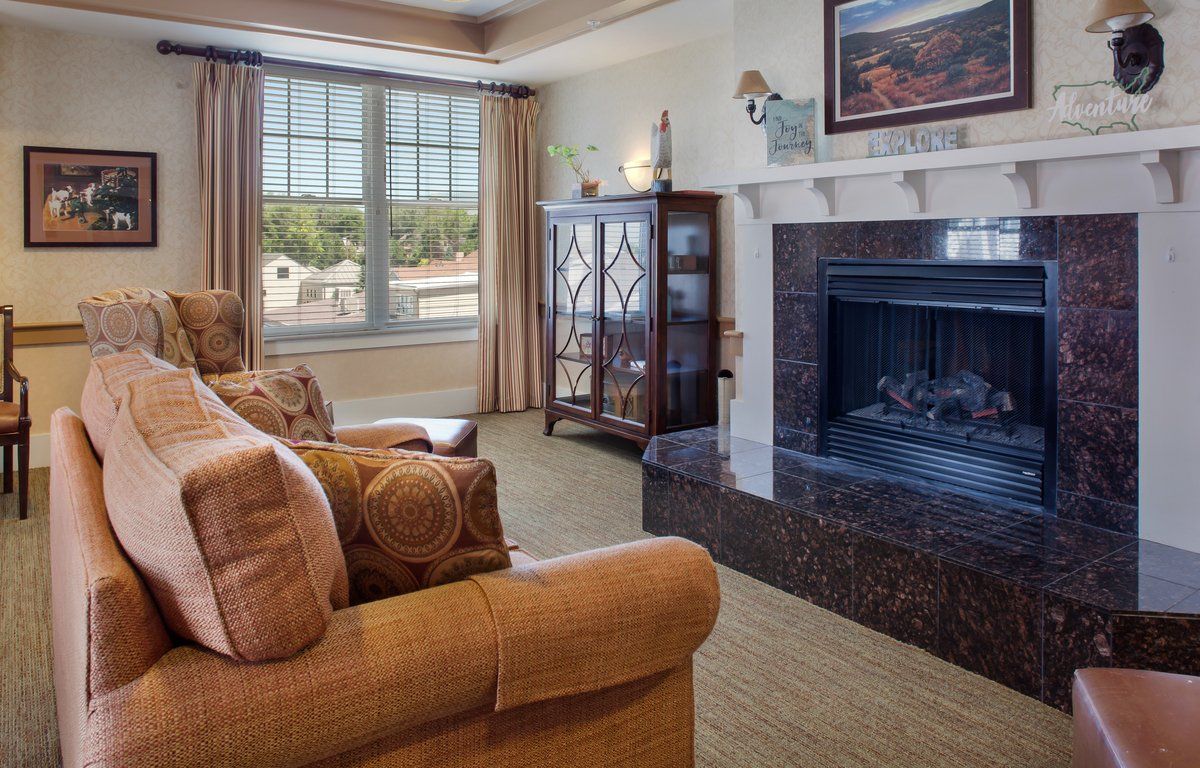
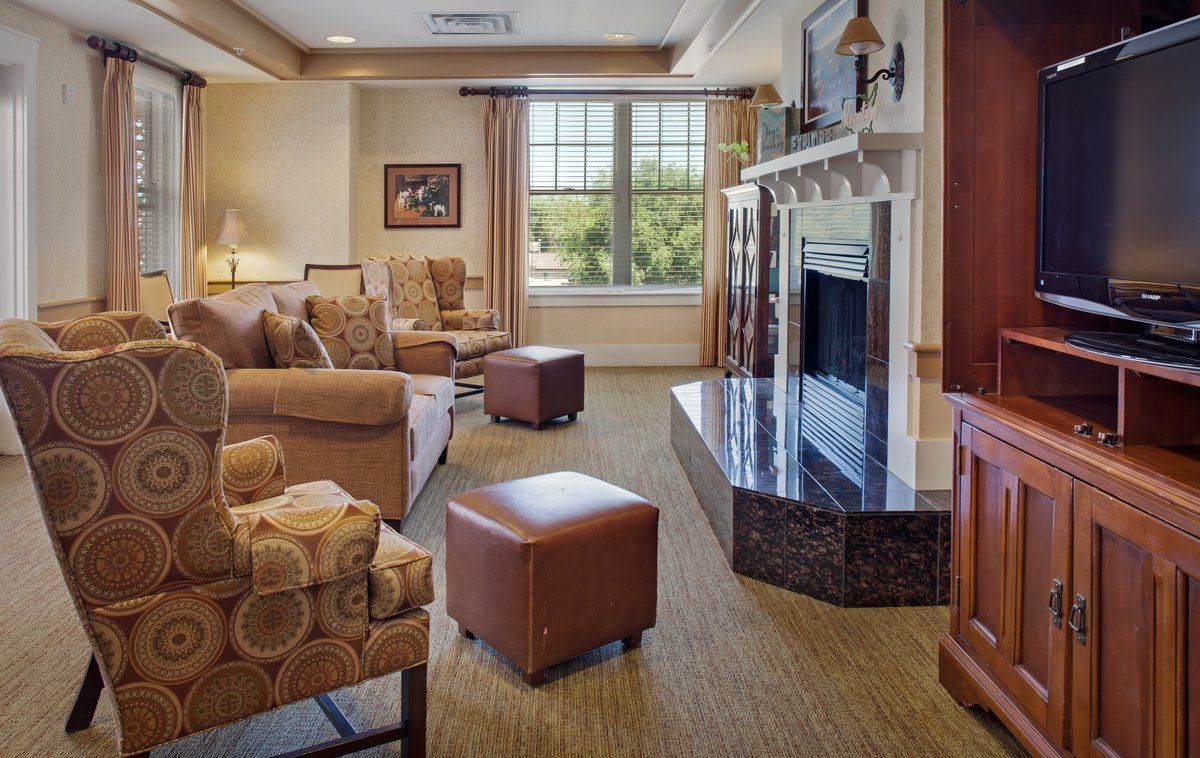
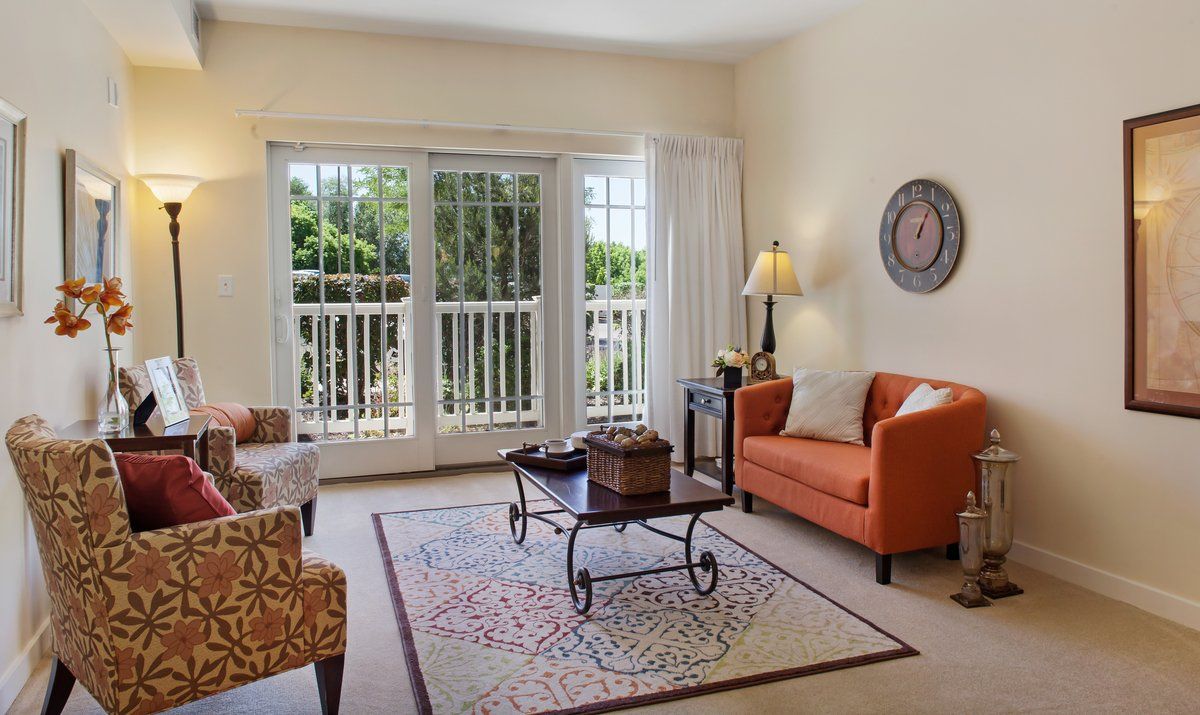
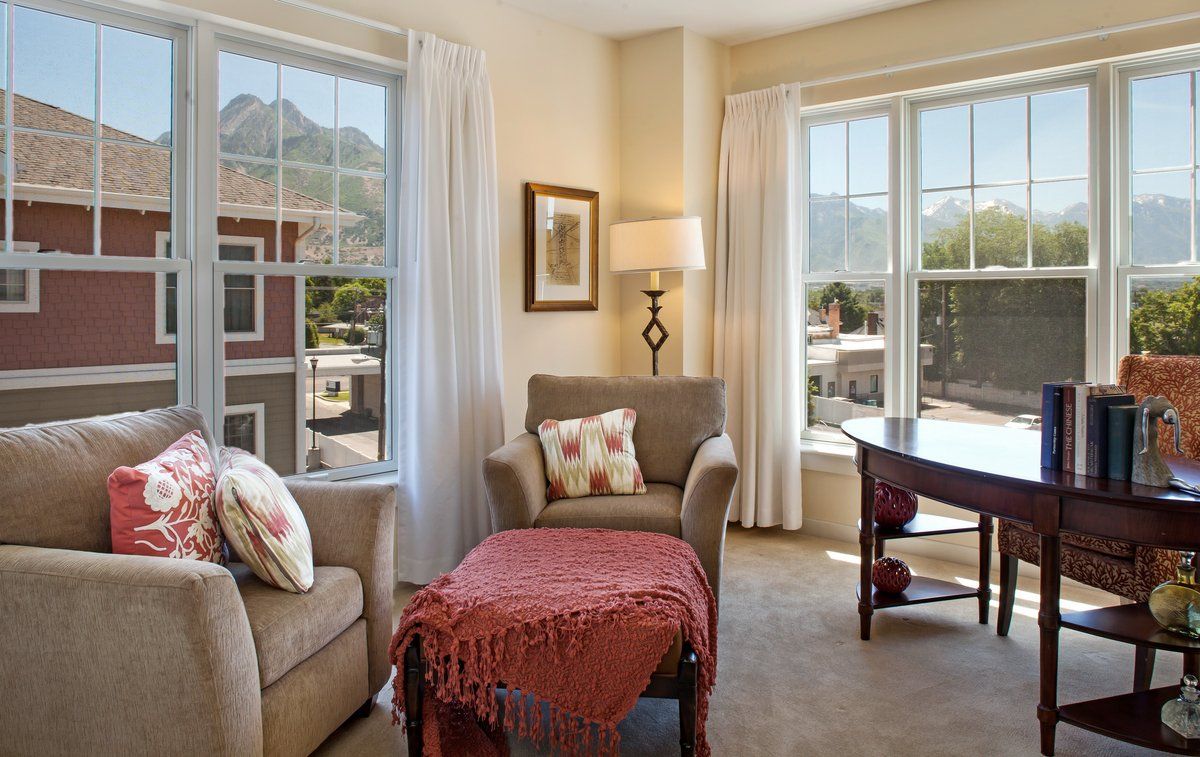
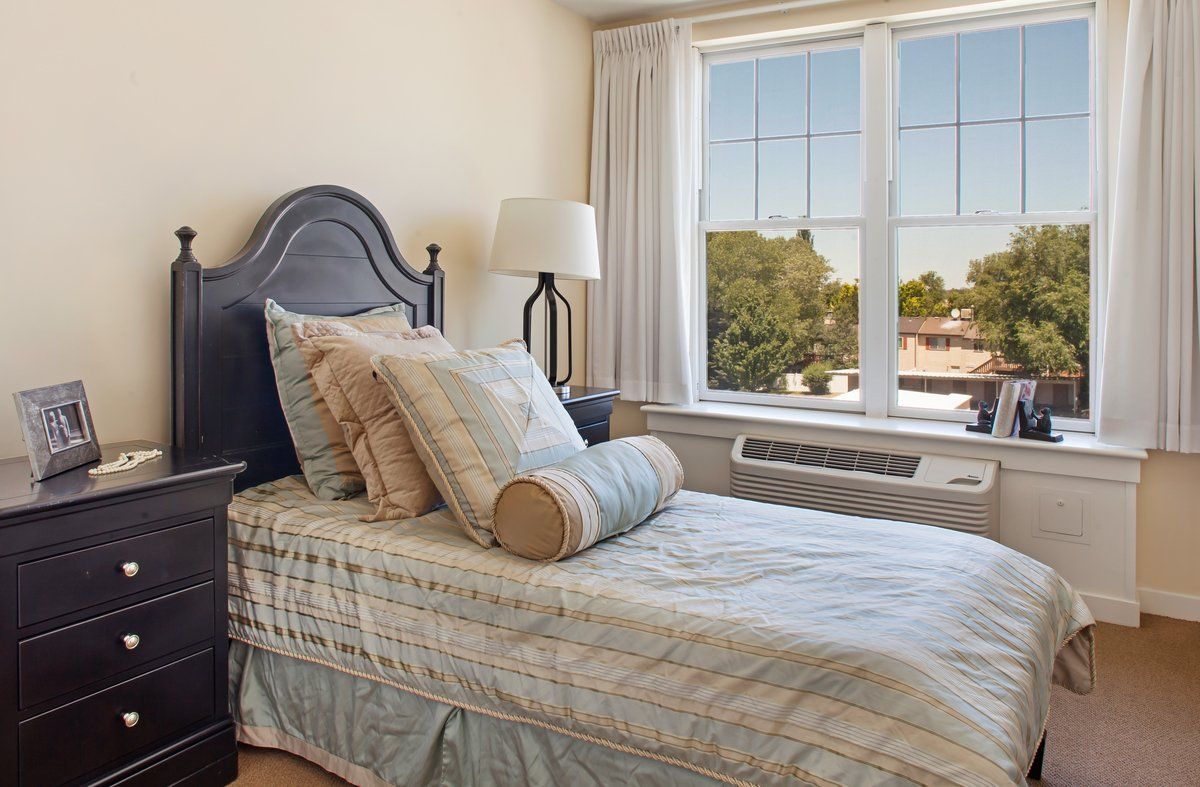
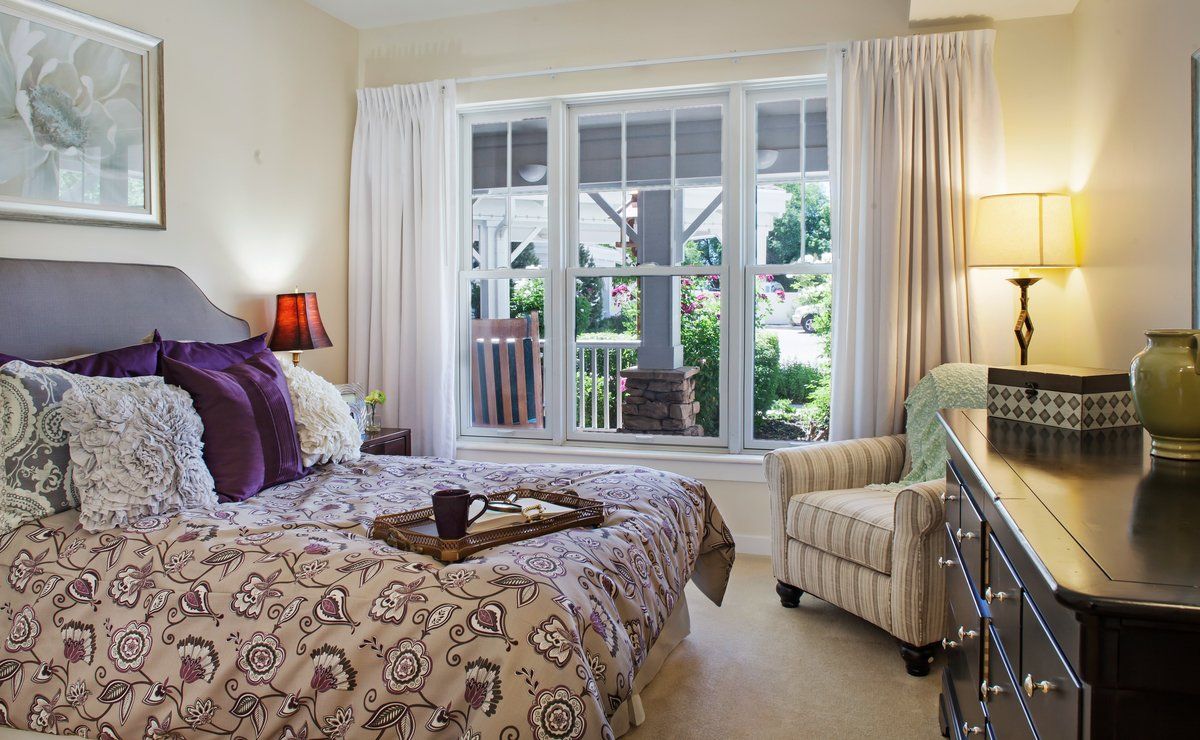
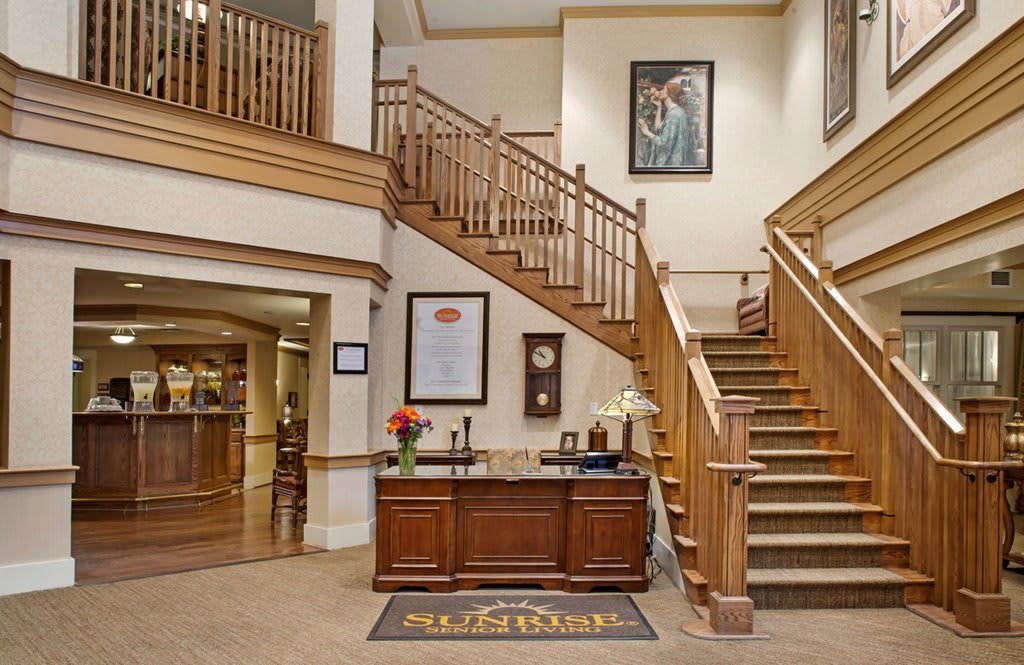
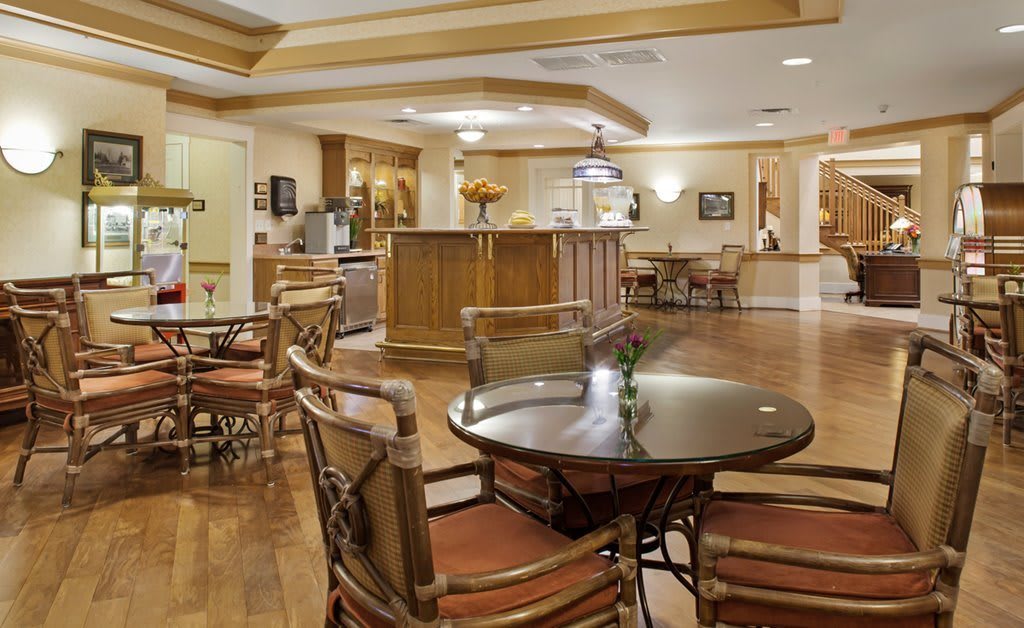
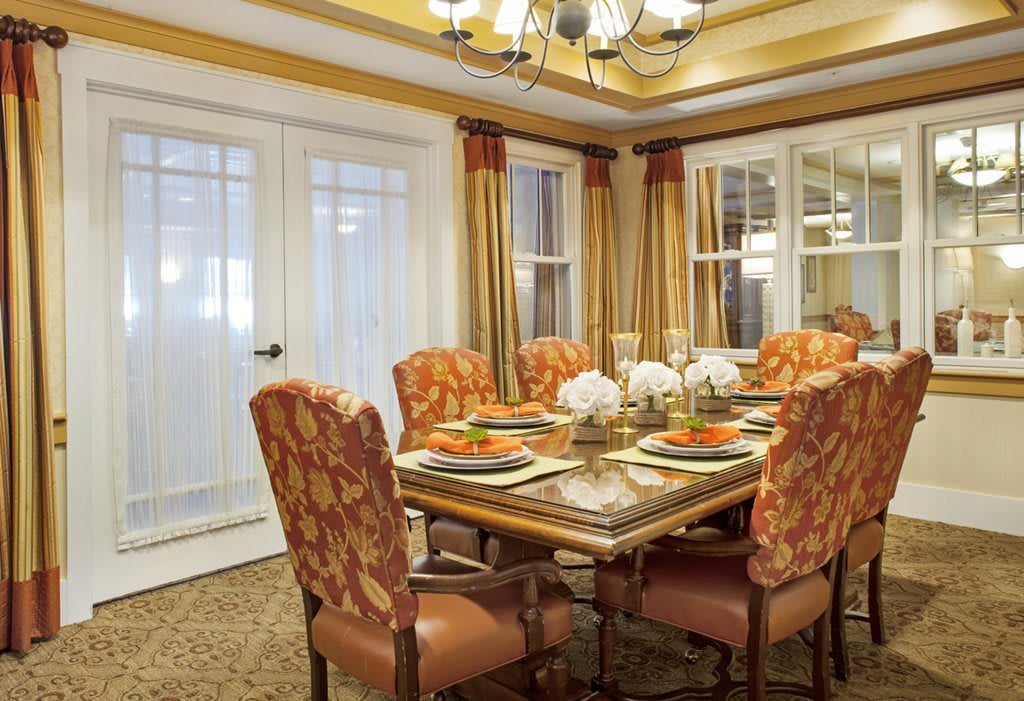
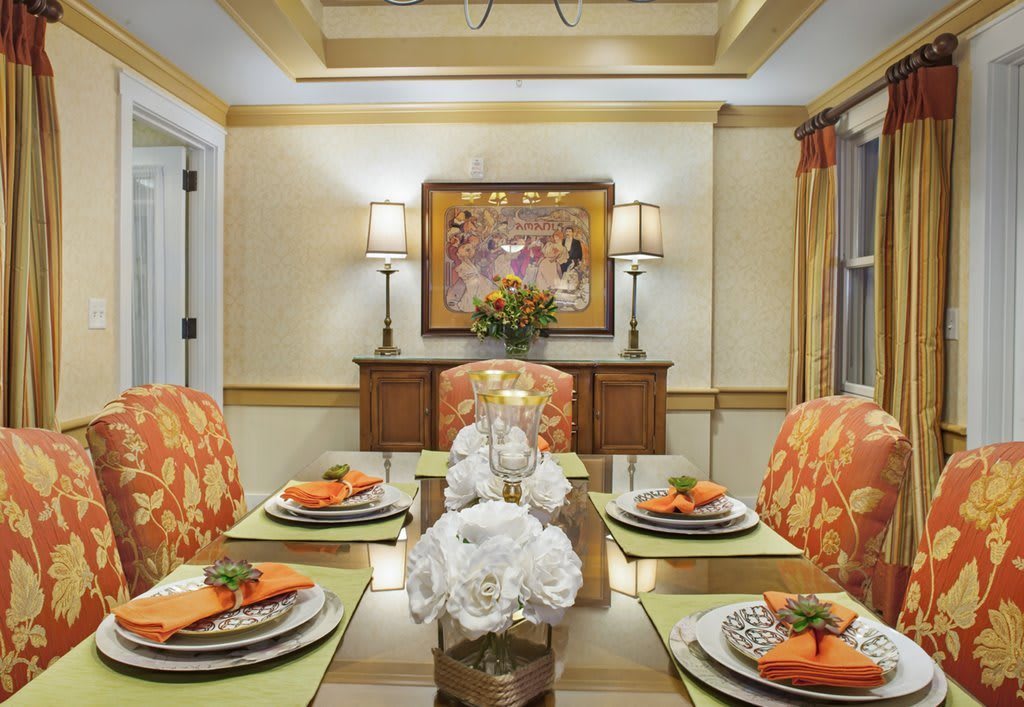
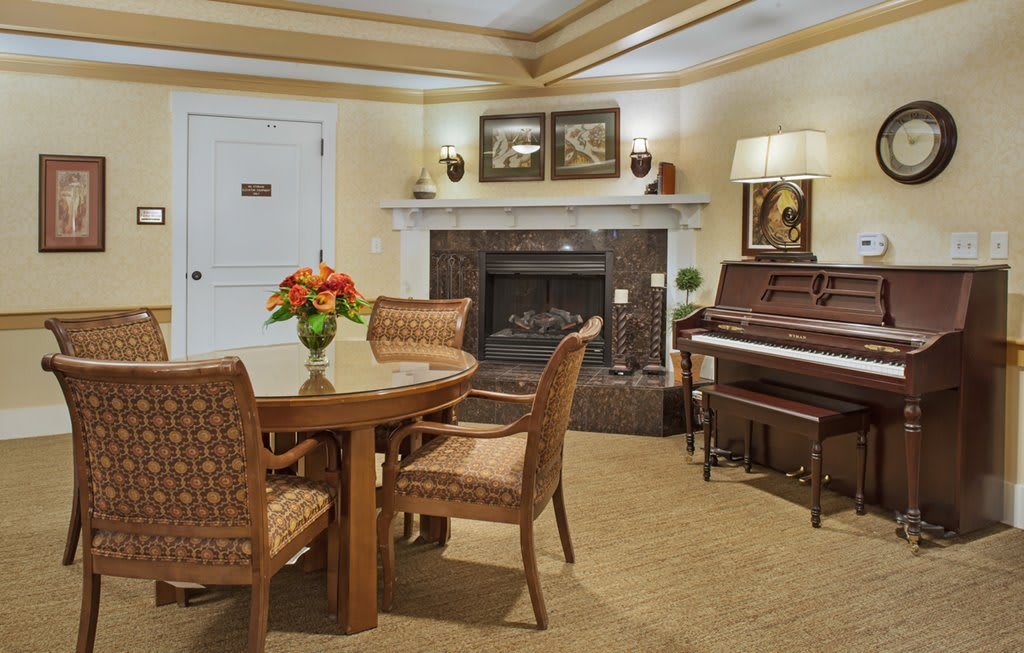
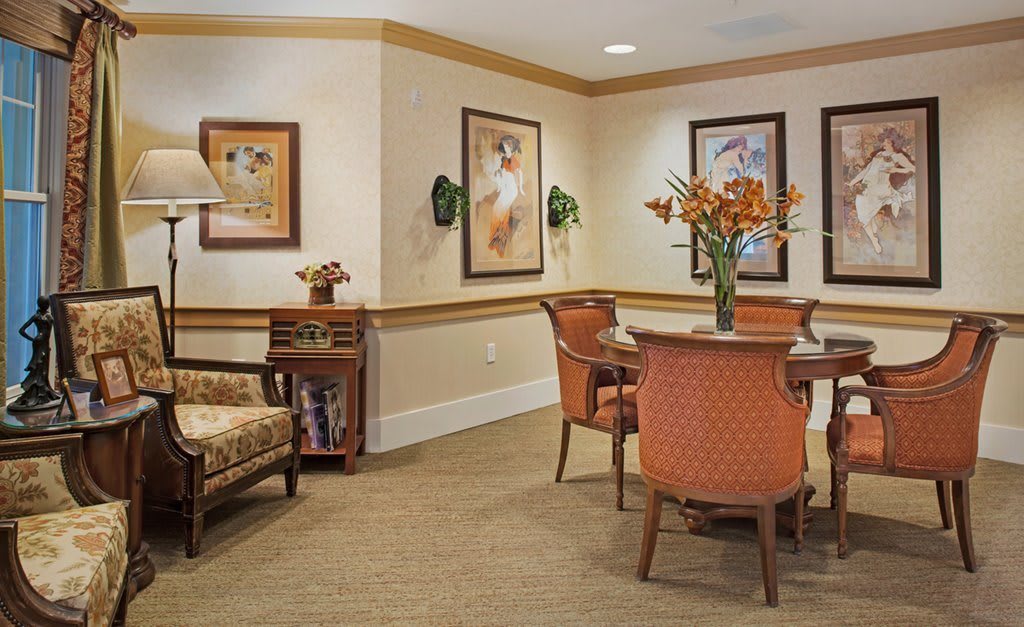
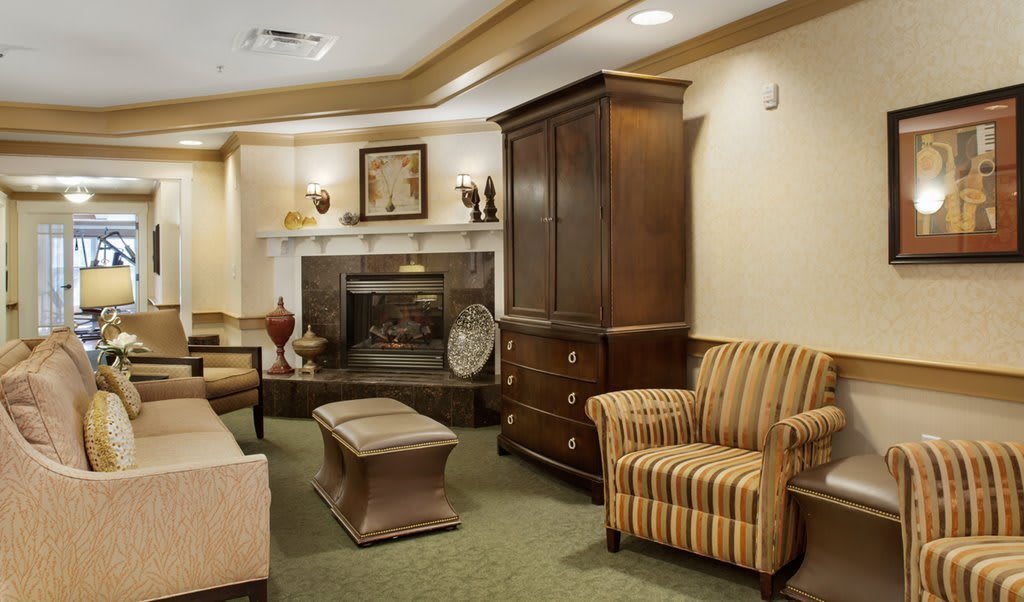
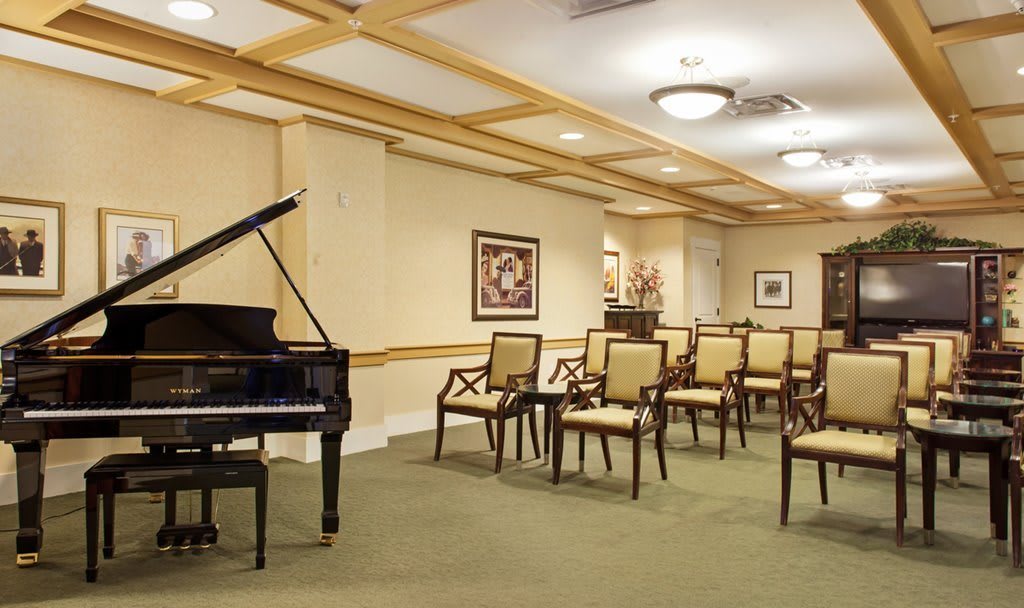
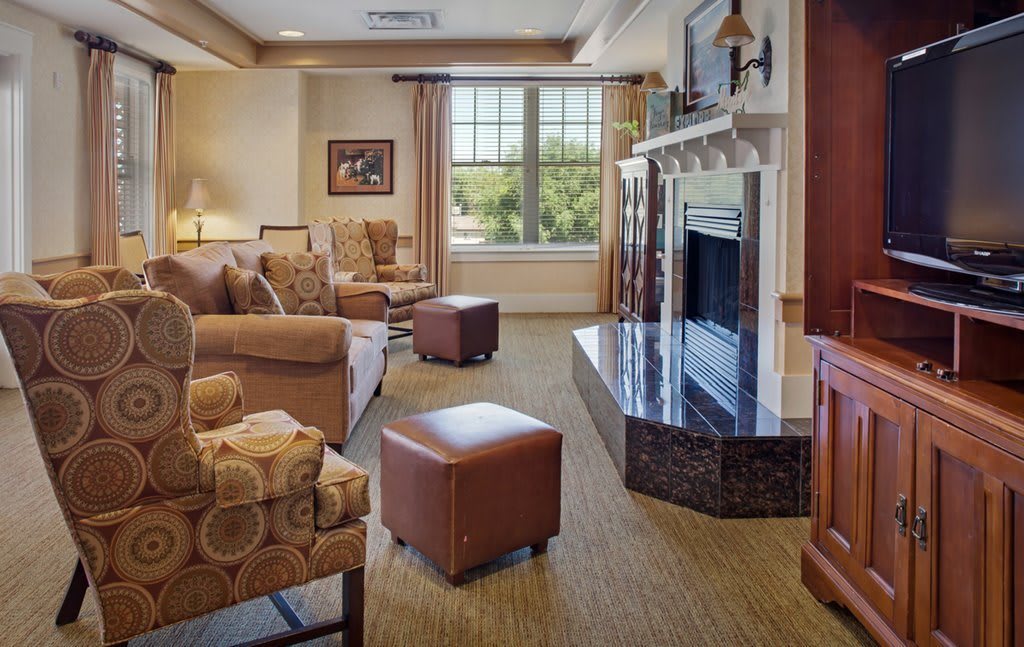
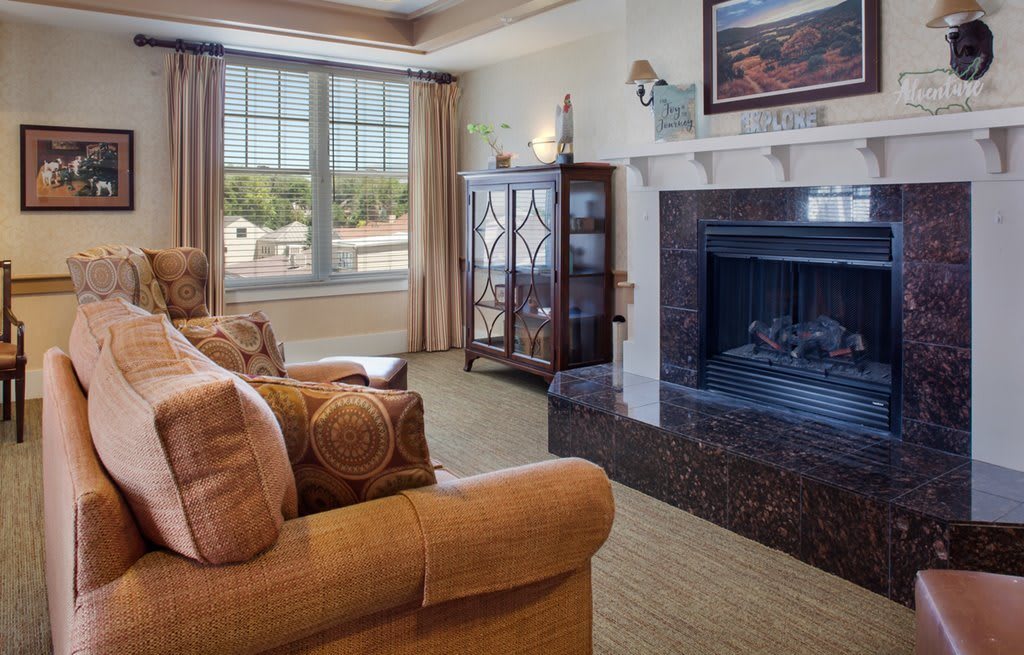
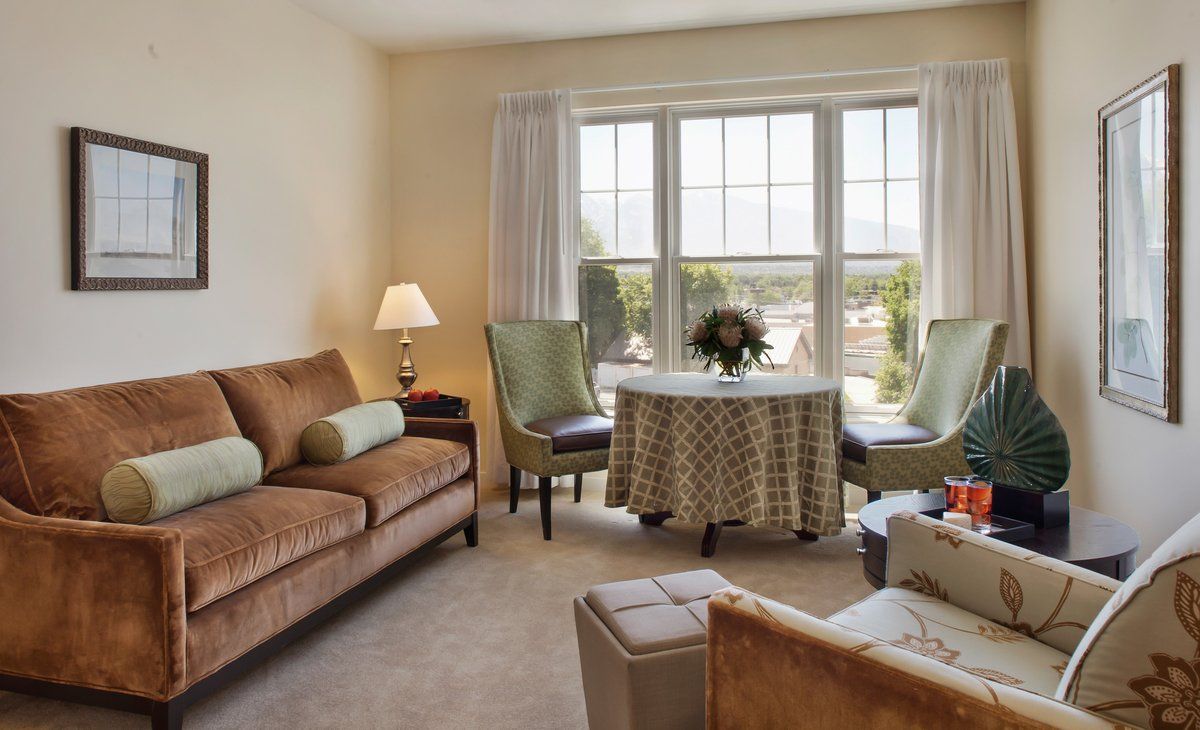
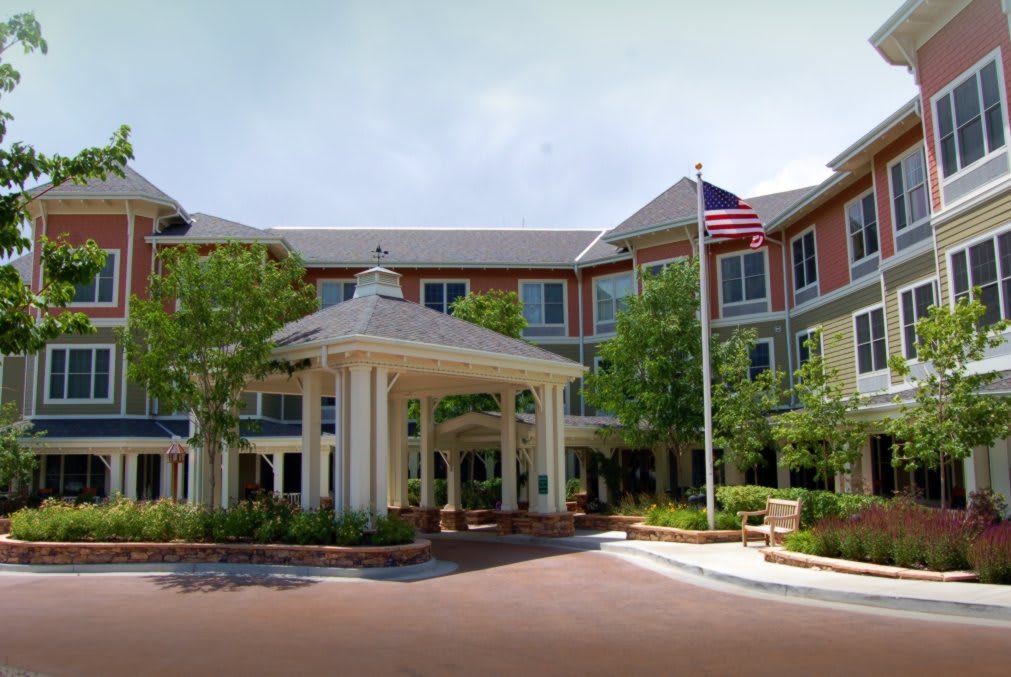
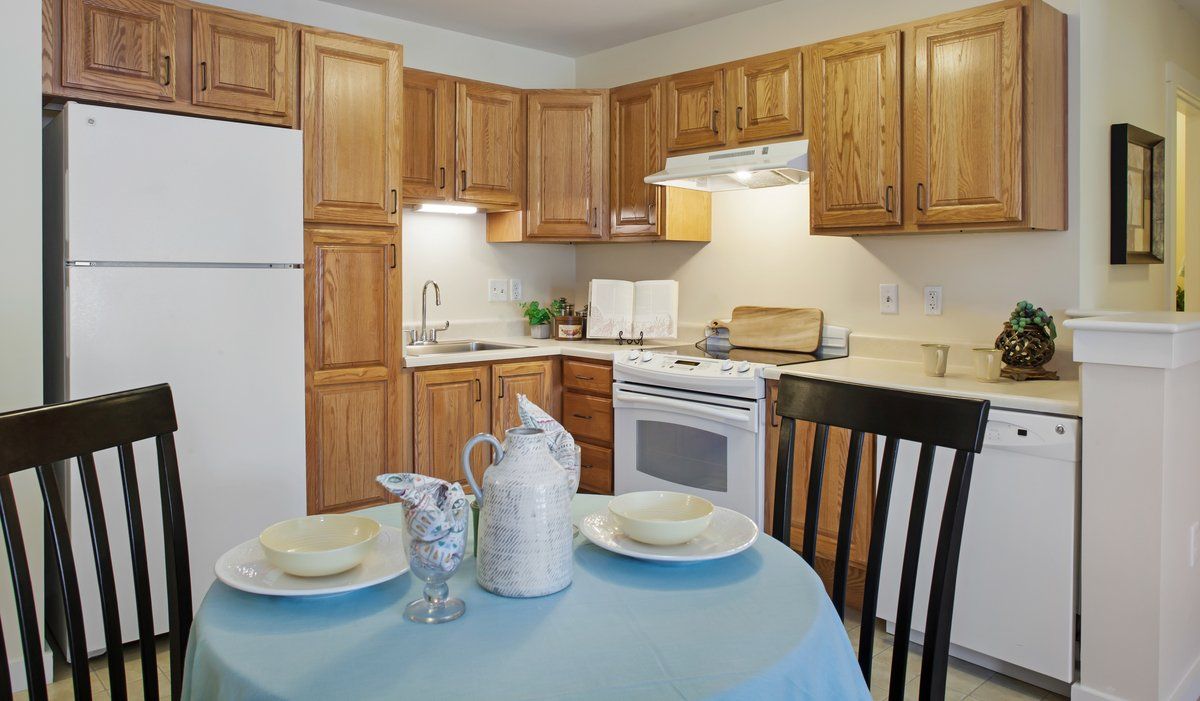
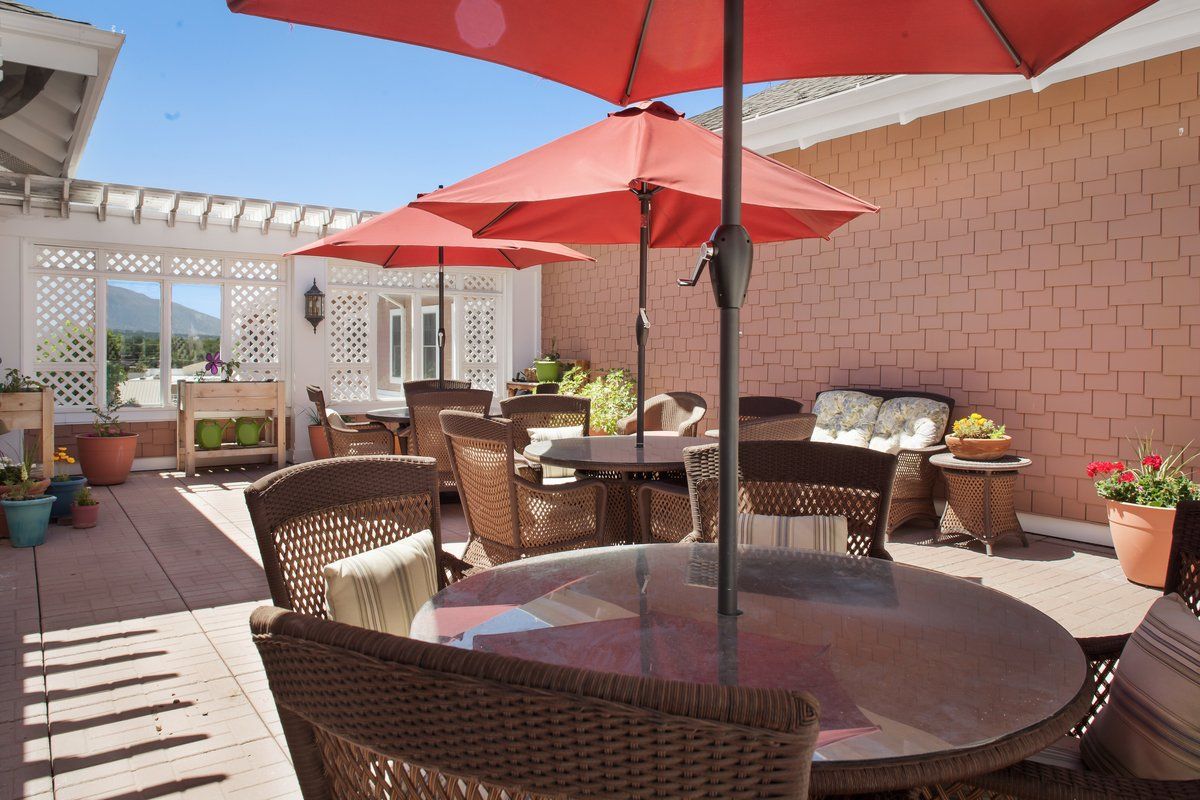
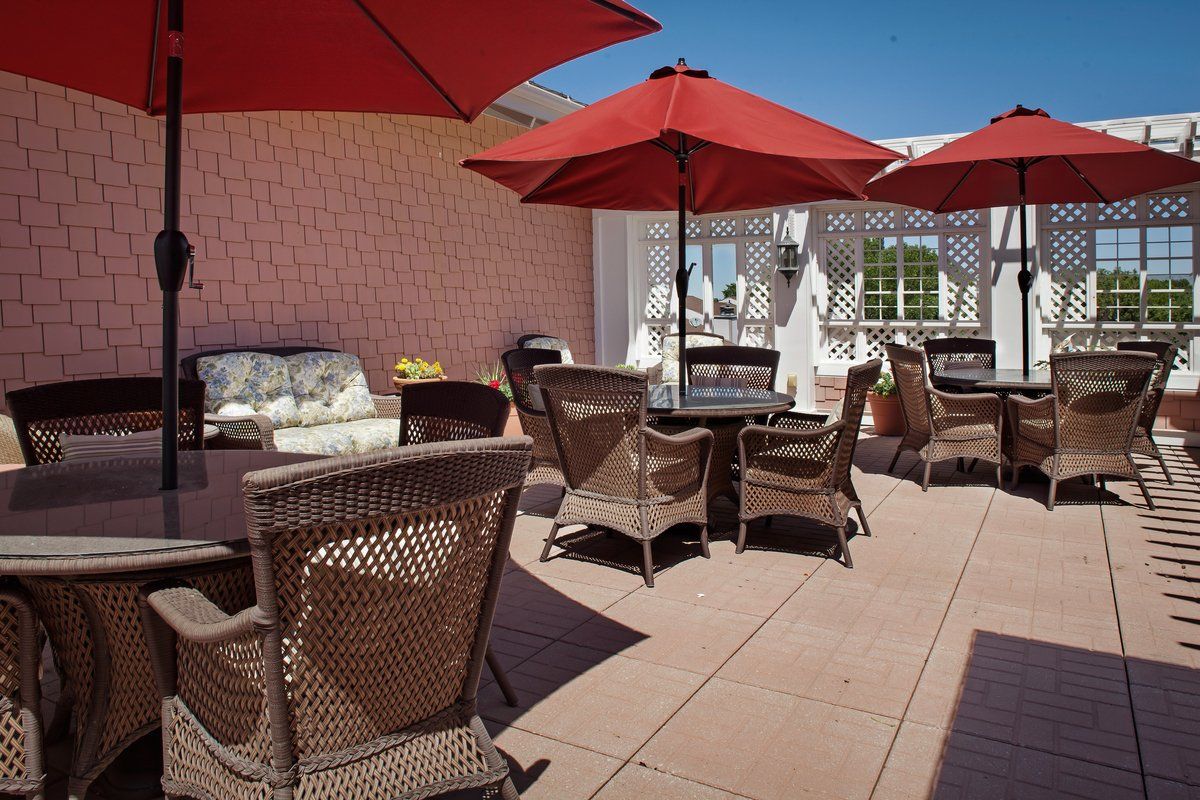
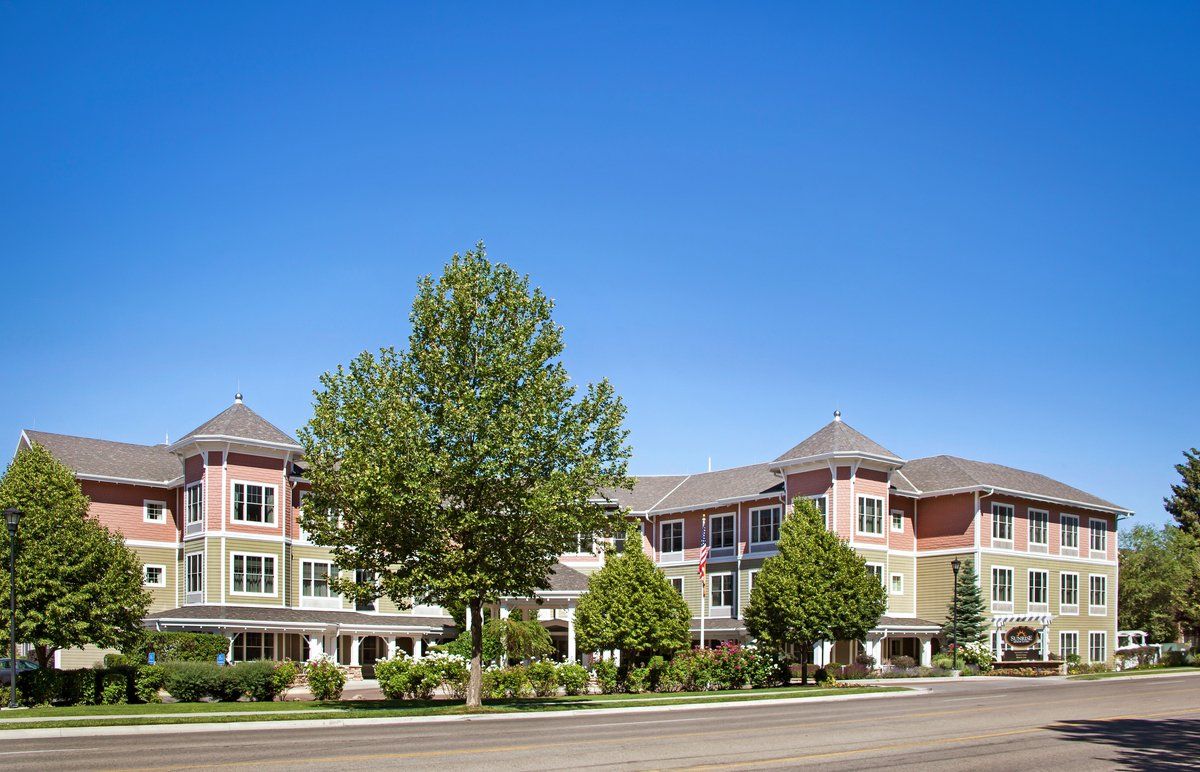
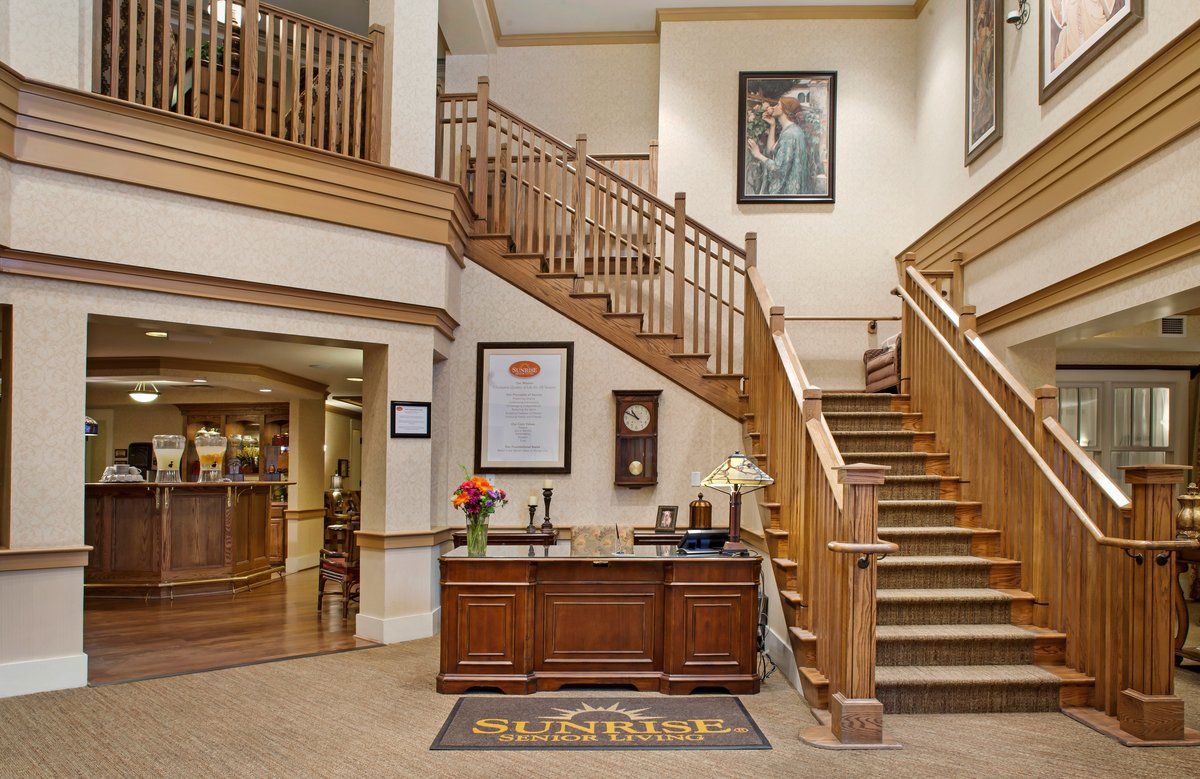
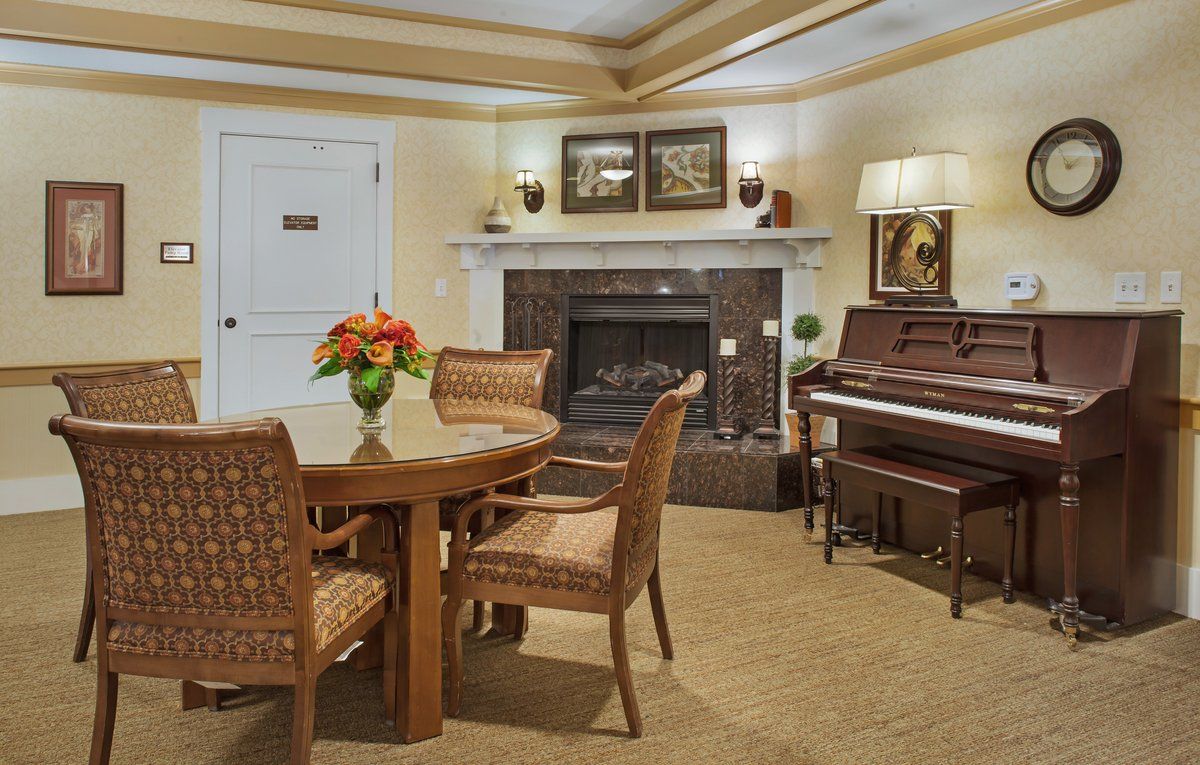
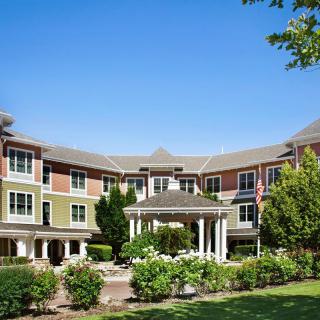
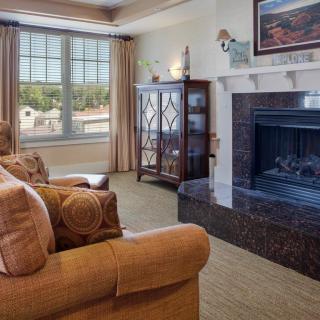
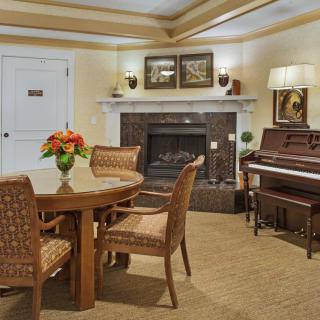
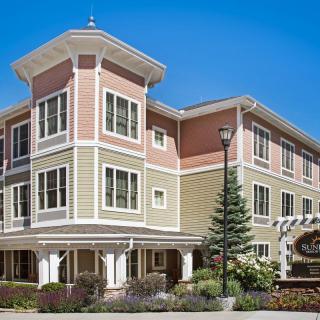
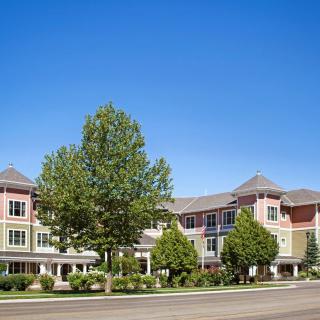
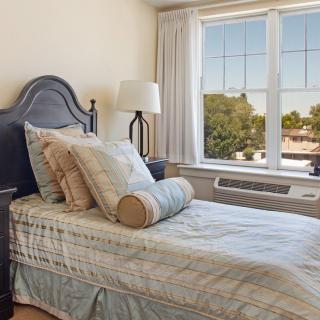
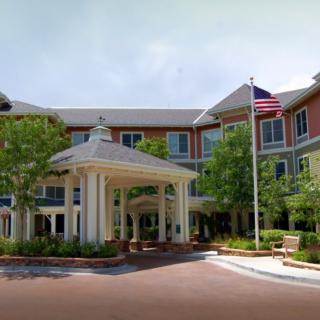
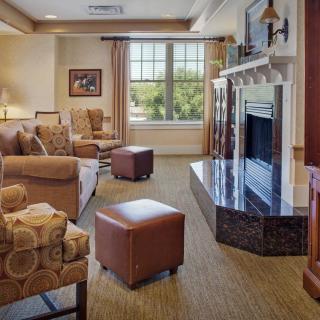
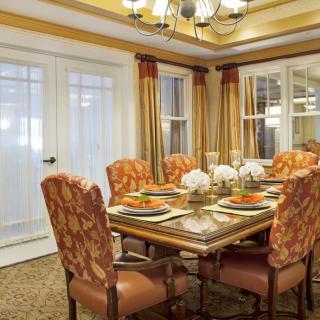
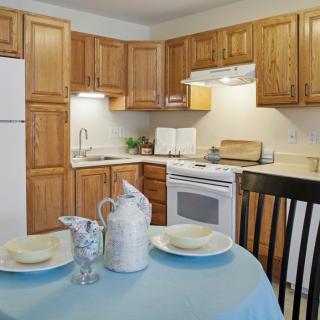
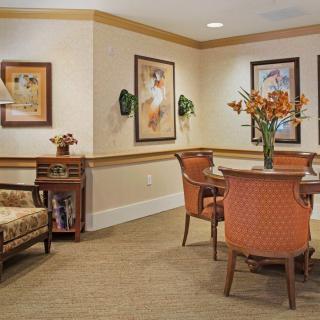
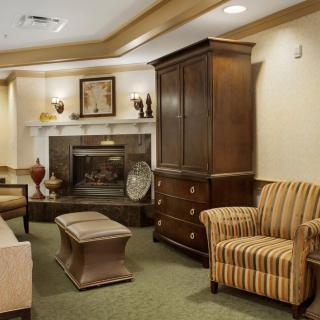
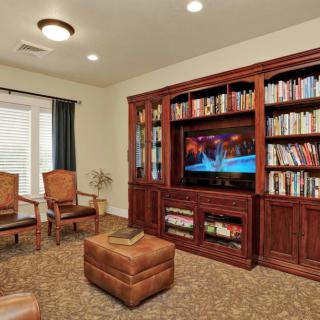
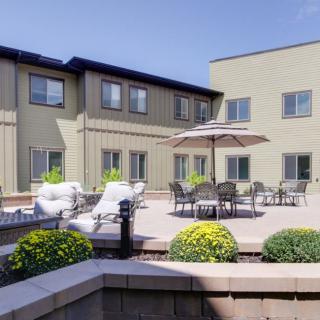
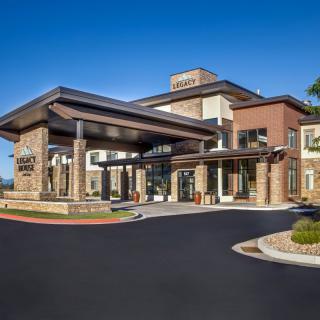
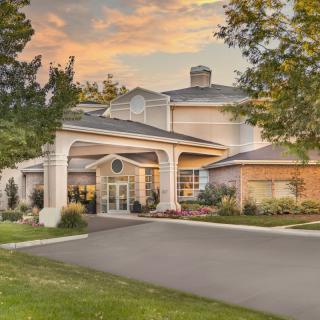
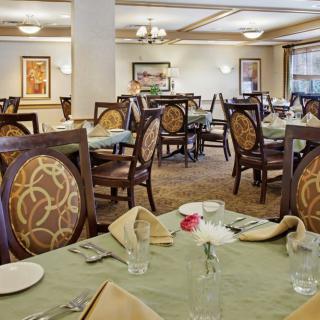
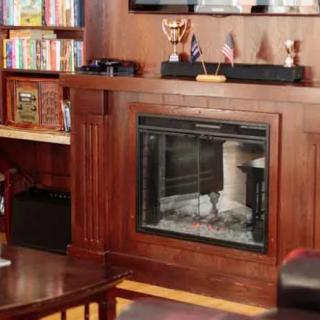
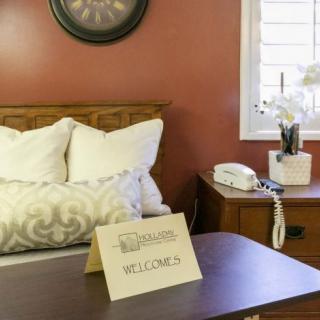
Sunrise at Holladay on seniors.fyi includes 36 photos including images showing interior, living room, decor, fireplace, windows, floor plan, bedroom, architecture, and more.
Nearby Communities
Visiting Angels Of Salt Lake City
Salt Lake City, UT
4.9 from 41 reviews
24-hour supervision and comprehensive care in furnished accommodations
Highland Care Center
Holladay, UT
3.8 from 134 reviews
Supportive rehab staff and a family-like environment.
Highland Cove
Salt Lake City, UT
Continuum of care with independent living and assisted options.
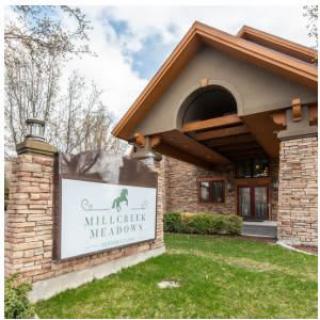
Millcreek Meadows
Salt Lake City, UT
5 from 11 reviews
$2,995 to $3,995 / month
Exceptional, personalized care with tailored plans in a renovated, amenity-rich setting.
Highland Cove Retirement
Salt Lake City, UT
4.6 from 143 reviews
$2,385 to $2,675 / month
Warm, family-like community with attentive staff and quality dining.
Right at Home of Salt Lake Central
Salt Lake City, UT
4.8 from 68 reviews
Excellent access to nearby amenities and healthcare.
The Auberge at Aspen Park
Salt Lake City, UT
4.4 from 112 reviews
$5,875 to $8,900 / month
Engaging, activity-rich environment with attentive staff and strong meal program.
Mt Olympus Rehabilitation Center
Salt Lake City, UT
3.7 from 112 reviews
Caring staff with supportive therapy and a welcoming, family-like atmosphere.
Holladay Healthcare Center
Holladay, UT
3.8 from 121 reviews
$4,035 to $4,712 / month
Attentive, caring staff in a clean, homelike environment.
Transitioning from assisted living to memory care is driven by an individual's cognitive decline and specific needs, requiring careful evaluation of indicators like increased confusion and wandering. The process involves consulting medical professionals, researching suitable communities, considering financial and legal aspects, and ensuring effective communication for personalized care plans.
The article differentiates between assisted living and memory care, explaining that assisted living supports seniors with daily activities while promoting independence, whereas memory care provides specialized services for individuals with dementia, focusing on secure environments and cognitive support. It also addresses staff training, safety considerations, costs, family involvement, and transition strategies for families navigating these care options.
The article outlines effective communication strategies for interacting with loved ones with dementia, highlighting the need for empathy, patience, and understanding while emphasizing supportive approaches like using simple language, minimizing distractions, and focusing on feelings over facts to maintain dignity and foster connection. It also suggests seeking professional guidance when needed as communication challenges evolve.
Get PricingAsk A QuestionSchedule A TourContact Senior Advisor
By clicking submit, you agree to our Partner's Terms of Use. You
also consent to receive calls and texts, which may be autodialed, from our Partner. Your consent is not a condition to
using our Partner's service. Please visit our Partner's Privacy Policy for information about their privacy practices.



 101 resident community capacity
 Studio apartments
 Assisted Living
 Independent Living
 Memory Care
 Cats allowed
 Dogs allowed
 Activities off-site
 Air-conditioning
 Beautician on-site
 Cable or satellite TV
 Computer center
 Devotional services off-site
 Dining room
 Fitness room
 Full kitchen
 Fully furnished
 Gaming room
 Garden
 Ground floor units
 Handicap accessible
 Housekeeping services
 Indoor common areas
 Laundry
 Move-in coordination
 Outdoor common areas
 Private bathrooms
 Respite or short term stays offered
 Restaurant-style dining
 Small library
 Telephone
 Wellness center
 Wheelchair accessible showers
 Wi-Fi/high-speed internet available
 Salt Lake City International (10 miles away)
 Community operated transportation
 12-16 hour nursing
 24-hour call system
 Ambulatory care
 Assistance with bathing
 Assistance with dressing
 Assistance with transfers
 Diabetes diet
 Diabetic care
 Hospice waiver
 Incontinence care
 Medication management
 Mental wellness program
 Special dietary restrictions
 Transportation arrangement (medical)
 Art classes
 Concierge services
 Day trips and outings
 Educational speakers / life long learning
 Happy hour
 Pet-focused programs
 English
 24-hour supervision and comprehensive care in furnished accommodations
 When to Transition from Assisted Living to Memory Care: Key Indicators, Steps, and Finding the Right Community
 Understanding the Distinctions: Assisted Living and Memory Care Explained
 How to Communicate with a Loved One Living with Dementia: 10 Supportive Strategies