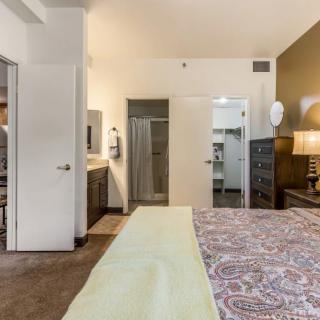
Canyon Rim Care Center in Salt Lake City, UT

Save

Canyon Rim Care Center in Salt Lake City, UT

Information last verified:

2730 East 3300 South, Salt Lake City, UT 84109

For more information about senior living options: (844) 490-3973

4.2 from 80 reviews
5 stars
59
4 stars
4
3 stars
2
2 stars
2
1 stars
13

Overall Review of Canyon Rim Care Center

Pros

  • pro The staff at Canyon Rim are truly amazing, providing excellent, friendly, and dedicated care.
  • pro The administrative and front-desk teams are excellent, communicative, helpful, and welcoming.
  • pro Michelle, the director of physical therapy, is a lovely, energetic leader whose enthusiasm inspires residents to reach their goals.
  • pro The night staff provide great peace of mind, with team members going above and beyond to care for loved ones.
  • pro Dana Brown, the receptionist, is sweet, caring, and thorough in answering questions.
  • pro The staff consistently show compassion and dedication, creating a caring, family-like environment.
  • pro The facility is clean, quiet, and sanitary, with a positive atmosphere that supports resident well-being.
  • pro The therapy and nursing teams work well together to focus on rehabilitation and quality of life.
  • pro The leadership team is professional, responsive, and easy to work with.
  • pro They go above and beyond to care for residents, making them feel valued and supported.

Cons

  • pro The facility is run down.
  • pro The environment feels unsafe for residents and the staff respond too slowly.
  • pro The center is described as the worst care center ever, with nurses nearly harming a patient.
  • pro The center discharges patients unsafely, risking homelessness.
  • pro The facility is dirty and provides poor, improper care.
  • pro Residents are forced to take medications early to enable discharge.
  • pro The nurses are belligerent and self-righteous.
  • pro The management team is very poor, with the director failing to take accountability.

Review

Canyon Rim Care Center is best suited for families prioritizing skilled nursing and rehabilitation outcomes where frontline staff deliver consistently warm, person‑centered care. The facility shines for residents who need intensive therapy after surgery, a fall, or an acute episode and for whom family involvement and transparent communication with caregivers are nonnegotiable. In practice, the rehab and nursing teams are repeatedly praised for their dedication, with therapists and bedside staff often described as compassionate, energetic, and deeply committed to advancing each resident’s goals. For families who value a community where staff treat residents like family, and where administrative leaders are visible and engaged, Canyon Rim can provide a dependable pathway back to independence. The setting may feel older or utilitarian to some, but the day-to-day care and the quality of interaction frequently tip the balance toward yes for those seeking practical, outcome‑driven care.

Those weighing alternatives should listen to warning signs from the less satisfied reviews. If pristine, showroom‑new surroundings and flawless safety optics are non‑negotiable, Canyon Rim may disappoint. A subset of critics highlights a need for stronger environmental upkeep and more consistent behavior across all shifts, with concerns ranging from perceived safety lapses to incidents suggesting discharge planning and follow‑through could be tighter. Families who require highly specialized dementia or behavioral management, or who cannot tolerate the occasional perception of impersonal or rigid governance, may find better fit elsewhere. In short, this community rewards those who can navigate its realities with patience and clear expectations, while others may prefer facilities that present a more uniform experience on every visit.

On the positive side, the staffing profile is the principal strength. Night teams, nurses, CNAs, and therapists are repeatedly described as kind, capable, and relentlessly focused on resident well‑being. Night staff like Nia and Monica bring peace of mind to families, while the therapy department, led by a high‑energy director of physical therapy, is praised for motivating residents to move, participate in games, and engage in meaningful activities. Front‑line workers who “go above and beyond”, along with administrative anchors who communicate clearly and advocate for residents, stand out in almost every account. The therapy‑first approach, coupled with strong collaboration between nursing and therapy, creates tangible progress and a faster, more confident rehabilitation trajectory, which is critical for families trying to determine whether a return home is feasible.

Yet the cons are not negligible and must be weighed honestly. Several reviews describe experiences that feel far from ideal: an older, less polished building; pockets of staff disengagement or brusque interactions; and reports of inconsistent care quality that can undermine confidence in the daily routine. Discharge decisions and coordination sometimes appear misaligned with family needs, creating stress just when a loved one is transitioning back to the community. There are even extreme anecdotes about safety and care failures. While these voices are not the majority, they persist enough to demand careful scrutiny during a visit. Prospective families should insist on observing a shift change, meeting the director, and reviewing the most recent quality metrics to calibrate expectations.

Those advantages and drawbacks do not exist in a vacuum; the key is how they balance in practice. The strongest offsets come from a clearly defined care pathway: a robust rehabilitation program, highly engaged nursing leadership, and a culture of family communication that translates into practical guidance for at‑home recovery. Management’s accessibility and a proactive social work team help families understand benefits, navigate benefits, and plan transfers when needed. The potential downsides, the aged facility feel, the variability in staff experience, and occasional friction in discharge planning, can be mitigated with deliberate, pre‑move diligence: schedule comprehensive tours, speak with the therapy and nursing leads, request recent quality data, and outline a concrete discharge plan before admission. In essence, the care philosophy and the people delivering it can compensate for some environmental rough edges, provided decisions are made with eyes wide open.

The bottom line is clear: Canyon Rim Care Center is a strong option for families seeking real-world rehab and nursing care anchored by compassionate staff and effective therapy. It rewards those who prioritize functional recovery, clear communication, and a “care like family” ethos, even if the surroundings and some experiences require careful vetting. For families that insist on a spotless, modern facility and unwavering consistency across all shifts, alternatives may be more comfortable, albeit potentially less focused on rapid, goal-driven rehabilitation. The prudent path is to visit, talk with the administrator and therapy team, review the latest quality indicators, and assess whether the resident’s personality and goals align with the community’s strengths. With the right expectations and active involvement, Canyon Rim can translate into meaningful gains and a smoother path back to daily life.

Features

Housing

  • 90 resident community capacity 90 resident community capacity

Types of Care

  • Skilled Nursing Facility Skilled Nursing FacilitySkilled Nursing Facilities are crucial for seniors as they provide round-the-clock medical care, rehabilitation services, and assistance with daily activities. These facilities ensure that seniors receive the specialized care they need to maintain their health and well-being as they age.

Amenities

  • Air-conditioning Air-conditioningAir conditioning is important for seniors as they are more vulnerable to heat-related illnesses and may have underlying health conditions that make it difficult for them to regulate their body temperature. It helps to keep them comfortable, safe, and healthy in hot weather.
  • Beauty salon Beauty salonBeauty salons are important for seniors because they provide a space for them to feel pampered, socialize, and maintain their personal grooming and hygiene. Regular visits to a beauty salon can help boost seniors' self-esteem and overall well-being.
  • Cable or satellite TV Cable or satellite TVCable or satellite TV is important for seniors because it provides entertainment, news, and companionship, helping to combat loneliness and boredom. It also offers a wide range of programming options tailored to different interests and preferences.
  • Computer center Computer centerA computer center is essential for seniors as it provides access to technology, communication tools, and resources that can enhance their daily lives. It allows them to stay connected with loved ones, engage in online activities, and learn new skills, ultimately promoting socialization and mental stimulation.
  • Dining room Dining roomDining rooms are important for seniors as they provide a space for socialization, connection, and nutritious meals. They offer opportunities for residents to bond over shared meals, foster a sense of community, and promote healthy eating habits. Dining rooms also ensure that seniors have access to well-balanced meals tailored to their dietary needs and preferences.
  • Fitness room Fitness roomHaving a fitness room in a senior living community is essential for seniors to stay active, maintain their physical health, and improve their overall well-being. Regular exercise can help prevent falls, reduce the risk of chronic diseases, and promote mental sharpness. It also provides social opportunities for residents to connect with others and enjoy a sense of community.
  • Fully furnished Fully furnishedFully furnished senior living communities are important for seniors because they provide convenience, comfort, and a hassle-free moving experience. Seniors can easily settle into their new living space without the stress of having to buy and move furniture. This allows them to focus on enjoying their new home and community.
  • Gaming room Gaming roomGaming rooms are important for seniors as they provide a fun and engaging environment for socializing, cognitive stimulation, and physical activity. Games can improve memory, problem-solving skills, and overall mental well-being while fostering friendships and reducing feelings of isolation.
  • Garden GardenGardens are important for seniors as they provide a peaceful and therapeutic environment for relaxation, physical activity, and socialization. Being in nature has been shown to reduce stress, improve mood, and promote overall well-being. Gardens also offer opportunities for seniors to engage in gardening activities, which can improve mobility, flexibility, and cognitive function. Additionally, gardens create a sense of community and connection with others who share a passion for plants and outdoor spaces.
  • Housekeeping services Housekeeping servicesHousekeeping services are important for seniors because they help maintain a clean and safe living environment, promote independence, and reduce the risk of accidents or illnesses. Additionally, having assistance with household chores can alleviate physical strain and allow seniors to focus on other aspects of their well-being.
  • Kitchenette KitchenetteKitchenettes are important for seniors living in senior living communities because they provide the convenience and independence of being able to prepare simple meals and snacks in the comfort of their own living space. This can help promote a sense of autonomy and well-being for seniors, allowing them to maintain some level of control over their dietary choices and daily routines.
  • Move-in coordination Move-in coordinationMove-in coordination is important for seniors because it helps ease the transition into their new living environment. It ensures that all logistics, such as packing, organizing movers, and setting up utilities are taken care of, allowing seniors to focus on settling in and adjusting to their new home. Having a smooth move-in process can alleviate stress and anxiety, making the transition smoother and more enjoyable for seniors.
  • Outdoor space Outdoor spaceOutdoor spaces are important for seniors as they provide opportunities for physical activity, social interaction, exposure to natural light and fresh air, and a sense of connection to nature. Having access to outdoor spaces can improve overall well-being and quality of life for older adults living in senior communities.
  • Private bathrooms Private bathroomsPrivate bathrooms are important for seniors in senior living communities because they provide independence, dignity, and comfort. Having a private bathroom allows seniors to maintain their personal hygiene routines without the need for assistance, promoting a sense of autonomy and privacy. Additionally, private bathrooms help prevent the spread of infections and provide a safe and clean environment for seniors to navigate safely.
  • Restaurant-style dining Restaurant-style diningRestaurant-style dining is important for seniors because it allows them to enjoy delicious, nutritious meals in a social and upscale setting. This enhances their dining experience, promotes healthy eating habits, and fosters socialization with fellow residents, ultimately contributing to their overall well-being and quality of life.
  • Small library Small librarySmall libraries are important for seniors as they provide access to a variety of reading materials, including books, newspapers, and magazines. This can help stimulate their minds, keep them engaged, and provide a sense of community through book clubs and other social activities. Additionally, reading has been shown to improve cognitive function and overall mental well-being in older adults.
  • Telephone TelephoneTelephones are important for seniors as they provide a lifeline for communication with loved ones, emergency services, and healthcare providers. They offer a sense of security and independence, enabling seniors to stay connected and access assistance when needed.
  • Wellness center Wellness centerWellness centers are important for seniors because they offer a variety of programs and services that promote physical, mental, and emotional well-being. These centers provide opportunities for exercise, socialization, education, and relaxation, helping seniors maintain their overall health and quality of life.
  • Wi-Fi/high-speed internet available Wi-Fi/high-speed internet availableWi-Fi/high-speed internet is important for seniors to stay connected with loved ones, access online resources, and participate in virtual activities to combat feelings of loneliness and isolation. It also allows them to easily manage healthcare needs, access entertainment, and engage in lifelong learning opportunities.

Transportation

  • Salt Lake City International (11 miles away) Salt Lake City International (11 miles away)
  • Community operated transportation Community operated transportationCommunity operated transportation is crucial for seniors as it provides them with the means to access essential services, social activities, and medical appointments. It allows seniors to maintain their independence and quality of life by ensuring they can participate in activities outside of their homes. Additionally, community-operated transportation services offer a safe and reliable way for seniors to travel without having to rely on family or friends for assistance.
  • Transportation arrangement Transportation arrangementTransportation arrangements are crucial for seniors as they may face challenges with driving, mobility, or access to public transportation. Having reliable transportation services ensures that seniors can easily attend appointments, social activities, and maintain their independence and quality of life.
  • Transportation arrangement (non-medical) Transportation arrangement (non-medical)Transportation arrangements are essential for seniors as they provide access to essential services, activities, and social interactions outside the home. This service helps maintain independence, mobility, and overall well-being for seniors who may have limited transportation options.
  • Transportation to doctors appointments Transportation to doctors appointmentsTransportation to doctors appointments is crucial for seniors as it ensures they have access to necessary medical care and support, promoting their health and well-being. It allows them to receive timely treatment, monitor existing conditions, and address any new health concerns efficiently. Additionally, transportation services can help seniors maintain their independence and quality of life by enabling them to stay connected with their healthcare providers.

Care Services

  • 12-16 hour nursing 12-16 hour nursing12-16 hour nursing care is crucial for seniors in order to ensure around-the-clock monitoring, timely medication administration, and prompt response to any health concerns or emergencies. This level of care helps to promote the overall well-being and safety of seniors living in senior living communities.
  • 24-hour call system 24-hour call system24-hour call systems are important for seniors because they provide peace of mind and immediate assistance in case of emergencies. This technology ensures that help is always available, promoting safety and security for elderly individuals living alone or in assisted living facilities.
  • 24-hour nursing 24-hour nursing24-hour nursing is important for seniors because it provides round-the-clock medical care and support, ensuring their health and safety are consistently monitored and attended to. This level of care can help prevent emergencies, manage chronic conditions, and provide peace of mind for both seniors and their families.
  • 24-hour supervision 24-hour supervision24-hour supervision is important for seniors to ensure their safety, well-being, and access to immediate assistance in case of emergencies or health issues. This constant support provides peace of mind for both seniors and their loved ones, allowing them to age in place with dignity and security.
  • Activities of daily living assistance Activities of daily living assistanceActivities of daily living assistance are important for seniors because they provide essential support with tasks such as eating, bathing, dressing, and mobility. This assistance helps seniors maintain their independence, dignity, and overall quality of life as they age.
  • Assistance with bathing Assistance with bathingAssistance with bathing is crucial for seniors as it helps maintain personal hygiene, prevents infections, and ensures their overall well-being and comfort. It also provides a sense of dignity and independence for seniors who may struggle with this task on their own.
  • Assistance with dressing Assistance with dressingAssistance with dressing is important for seniors because it helps maintain their independence, promotes personal hygiene, prevents accidents and injuries, and improves overall quality of life. This service ensures that seniors can continue to dress comfortably and confidently, despite any physical limitations they may have.
  • Assistance with transfers Assistance with transfersAssistance with transfers is crucial for seniors as it helps prevent falls and injuries, maintains their independence, and ensures they can safely navigate their living environment. It also provides peace of mind for both seniors and their loved ones.
  • Diabetes diet Diabetes dietA diabetes diet is crucial for seniors as it helps manage blood sugar levels, reduce risks of complications, and improve overall health and well-being. By following a balanced and nutritious diet tailored to their specific needs, seniors can better control their diabetes and enhance their quality of life.
  • Meal preparation and service Meal preparation and serviceMeal preparation and service are crucial for seniors as they may have limited mobility or energy to cook nutritious meals. Having access to healthy and convenient food options can ensure they are getting the proper nutrition needed to maintain their overall health and well-being.
  • Medication management Medication managementMedication management is crucial for seniors to ensure they are taking the right medications at the correct dosages and times. This helps prevent adverse drug interactions, reduces the risk of medication errors, and promotes overall health and well-being. Proactive management also allows for adjustments as needed based on changing health conditions or new prescriptions.
  • Mental wellness program Mental wellness programMental wellness programs are essential for seniors as they promote cognitive stimulation, emotional support, and social engagement. These programs help prevent isolation, depression, and cognitive decline, ultimately enhancing the overall quality of life for older adults.
  • Special dietary restrictions Special dietary restrictionsSpecial dietary restrictions are important for seniors because age-related changes in metabolism and health conditions can make it difficult for their bodies to process certain foods. By following a diet tailored to their specific needs, seniors can maintain their overall health and well-being, manage chronic conditions, and reduce the risk of complications such as malnutrition or food interactions with medications.
  • Transportation to doctors appointments Transportation to doctors appointmentsTransportation to doctors appointments is crucial for seniors as it ensures they have access to necessary medical care and support, promoting their health and well-being. It allows them to receive timely treatment, monitor existing conditions, and address any new health concerns efficiently. Additionally, transportation services can help seniors maintain their independence and quality of life by enabling them to stay connected with their healthcare providers.

Dining

  • Diabetes diet Diabetes dietA diabetes diet is crucial for seniors as it helps manage blood sugar levels, reduce risks of complications, and improve overall health and well-being. By following a balanced and nutritious diet tailored to their specific needs, seniors can better control their diabetes and enhance their quality of life.
  • Special dietary restrictions Special dietary restrictionsSpecial dietary restrictions are important for seniors because age-related changes in metabolism and health conditions can make it difficult for their bodies to process certain foods. By following a diet tailored to their specific needs, seniors can maintain their overall health and well-being, manage chronic conditions, and reduce the risk of complications such as malnutrition or food interactions with medications.

Activities

  • Community-sponsored activities Community-sponsored activitiesCommunity-sponsored activities are important for seniors as they provide opportunities for social interaction, mental stimulation, and physical activity. These activities can help improve overall well-being, combat loneliness and isolation, and promote a sense of belonging and purpose among older adults.
  • Concierge services Concierge servicesConcierge services are essential for seniors as they provide assistance with daily tasks and errands, enhance their quality of life by offering convenience and personalized care, and promote a sense of safety and security.
  • Fitness programs Fitness programsFitness programs are crucial for seniors as they help improve strength, flexibility, balance, and overall well-being. Staying active can reduce the risk of chronic diseases, improve mental health, and enhance quality of life in older adults.
  • Planned day trips Planned day tripsPlanned day trips are important for seniors because they offer opportunities for socialization, mental stimulation, and physical activity. They provide a change of scenery and help seniors stay engaged and connected to their community, promoting overall well-being and quality of life.
  • Resident-run activities Resident-run activitiesResident-run activities are important for seniors as they encourage social interaction, creativity, and a sense of autonomy. These activities empower seniors to stay engaged and active in their community while fostering meaningful connections with their peers.
  • Scheduled daily activities Scheduled daily activitiesScheduled daily activities are important for seniors because they provide structure, socialization, mental stimulation, and physical activity. Engaging in regular activities can improve overall well-being and quality of life for seniors living in a community setting.

Description

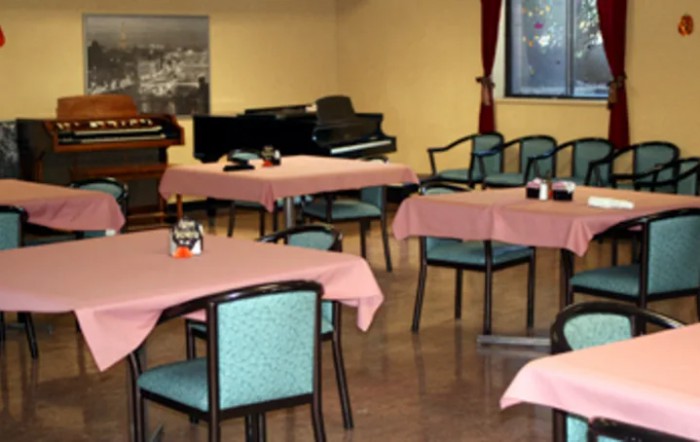
Canyon Rim Care Center in Salt Lake City, UT is an assisted living community that provides a wide range of amenities and care services for its residents. The community offers a variety of amenities to enhance the residents' quality of life, including a beauty salon, cable or satellite TV, computer center, fitness room, gaming room, small library, and outdoor space.

Residents can enjoy delicious meals in the dining room with restaurant-style dining options and special dietary restrictions are accommodated. Housekeeping services are provided to ensure a clean and comfortable living environment for all residents. Wi-Fi/high-speed internet is available for those who wish to stay connected.

The care services at Canyon Rim Care Center are designed to meet the individual needs of each resident. With 24-hour call system and nursing care, residents can feel secure knowing help is always available when needed. Assistance with activities of daily living such as bathing, dressing, and transfers is provided by trained staff members. Medication management is also offered to ensure proper medication administration.

The community offers transportation arrangements for both non-medical needs and doctors' appointments to make it easier for residents to get around. There is also a wellness center where residents can take part in various mental wellness programs to promote overall well-being.

In terms of location, Canyon Rim Care Center is conveniently located near several cafes, parks, pharmacies, physicians' offices, restaurants, transportation options, places of worship, and hospitals.

Overall, Canyon Rim Care Center provides a comfortable and supportive environment for seniors who require assistance with daily tasks while offering amenities and services that enhance their overall well-being and quality of life.

Nearby Places of Interest

This part of Salt Lake City, Utah, offers a range of amenities and services that may be appealing to seniors looking for a comfortable and convenient living environment. With several cafes, pharmacies, physicians, parks, places of worship, hospitals, restaurants, and transportation options nearby, residents can easily access necessary resources and recreational activities. The proximity of healthcare facilities such as St Mark's Hospital and Intermountain Medical Center provides peace of mind for seniors seeking quality medical care. Additionally, the diverse dining options offer opportunities for socializing and enjoying meals outside the home. The presence of public transportation options like TRAX stations further enhances accessibility for those without their own vehicles. Overall, this area presents a well-rounded community with a variety of conveniences that may suit the needs and preferences of seniors in search of a vibrant neighborhood to call home.

Cafes

  • Roots Cafe (0.6 miles)
  • Stratford Proper (2 miles)
  • Java Jos (3.5 miles)
  • Starbucks (4.2 miles)
  • Coffee Garden (4.4 miles)
  • Publik Coffee Roasters (5.3 miles)
  • Salt Lake Coffee Break (5.4 miles)

Pharmacies

  • Southeast Pharmacy (1.4 miles)
  • Dan's Pharmacy (1.4 miles)
  • Walgreens (1.9 miles)
  • Harmons (2.2 miles)
  • Maceys Pharmacy (2.3 miles)
  • CVS Pharmacy (2.8 miles)
  • Dan's Fresh Market (2.8 miles)

Physicians

  • Foothill Family Clinic - Dorothy Williams MD (1.5 miles)
  • Western Urological (2.1 miles)
  • Mountain View Women's Clinic (2.2 miles)
  • Pulmonary Internal Medicine (2.4 miles)
  • Advanced Eye Care (2.4 miles)
  • Utah Cancer Specialists (2.5 miles)
  • The Eye Institute of Utah (3 miles)

Parks

  • Imperial Park (1.8 miles)
  • Sugar House Park (2.5 miles)
  • Fairmont Park (2.9 miles)
  • Bonneville Glen (3.7 miles)
  • Sunnyside Park (3.9 miles)
  • Liberty Park (4.7 miles)
  • Reservoir Park (5.1 miles)

Places of Worship

  • LDS Foothill Stake Center (2.2 miles)

Hospitals

  • St Mark's Hospital (2.4 miles)
  • United States Government (4.1 miles)
  • George E Wahlen VA Hospital (4.2 miles)
  • Clinical Neurosciences Center - UUHC (4.7 miles)
  • Moran Patient Support (4.9 miles)
  • Intermountain Medical Center (4.9 miles)
  • University Of Utah ENT Clinic 9 (5 miles)

Restaurants

  • McDonald's (3.2 miles)
  • Karroo (3.5 miles)
  • Hub & Spoke Diner (3.7 miles)
  • Left Fork Grill (4.2 miles)
  • Amour Café (4.3 miles)
  • The New Golden Dragon Restaurant (4.5 miles)
  • Little World Chinese Restaurant (4.8 miles)

Transportation

  • Trax Ballpark Staion (4.3 miles)
  • TRAX Millcreek (4.3 miles)
  • TRAX Meadowbrook (4.4 miles)
  • TRAX Murray North (4.5 miles)
  • TRAX Central Pointe (4.7 miles)

Frequently Asked Questions

Where is Canyon Rim Care Center?
What photos are available for Canyon Rim Care Center in Salt Lake City, Utah?

Nearby Communities

  • Evergreen Residential Care

    Evergreen Residential Care

    Salt Lake City, UT

    4.3 from 3 reviews
     

    pro Intimate 10-bed setting enables personalized attention and close connections with staff.

  • Senior Helpers I

    Senior Helpers I

    Salt Lake City, UT

    4.7 from 53 reviews
     

    pro Consistent, personalized care with compassionate staff and reliable emergency response.

  • Mt Olympus Rehabilitation Center

    Mt Olympus Rehabilitation Center

    Salt Lake City, UT

    3.7 from 102 reviews
     

    pro Caring staff with supportive therapy and a welcoming, family-like atmosphere.

  • Beehive At East Millcreek

    Beehive At East Millcreek

    Salt Lake City, UT

    4.6 from 7 reviews
    $3,800 / month

    pro Competitive local price with comprehensive, personalized care.

  • The Abbington At Holladay

    The Abbington At Holladay

    Salt Lake City, UT

    4.9 from 18 reviews
     

    pro Restaurant-style dining with dietary accommodations and 24/7 supervision.

  • Beehive Homes Of Salt Lake

    Beehive Homes Of Salt Lake

    E. Salt Lake City, UT

    4.6 from 7 reviews
     

    pro Cozy assisted living with diabetic care, on-site activities, and convenient access to nearby amenities.

  • Highland Cove Retirement

    Highland Cove Retirement

    Salt Lake City, UT

    4.7 from 141 reviews
    $2,385 to $2,675 / month

    pro Warm, family-like community with attentive staff and quality dining.

  • Sunrise at Holladay

    Sunrise at Holladay

    Salt Lake City, UT

    4.4 from 159 reviews
    $3,255 to $5,940 / month

    pro Friendly, attentive staff and a warm, home-like atmosphere with engaging activities.

  • Peaks at Millcreek

    Peaks at Millcreek

    Salt Lake City, UT

    4.2 from 73 reviews
    $1,700 to $2,300 / month

    pro Friendly staff with an active activities program.

Related Resources

  • what does the sandwich generation meanUnderstanding the Sandwich Generation: Stress and Responsibilities for Multigenerational Caregivers

    The Sandwich Generation comprises adults managing the dual responsibilities of caring for aging parents and raising children, leading to significant emotional, logistical, and financial challenges. This situation is exacerbated by longer life expectancies and cultural expectations, necessitating effective coping strategies and support resources to alleviate caregiver stress and burnout.

  • assistive devices for elderly8 Essential Assistive Devices for Older Adults

    The article highlights eight essential assistive devices that improve the independence and safety of older adults, addressing issues related to mobility, balance, vision, hearing, and dexterity. It emphasizes the importance of proper selection guided by healthcare professionals to enhance seniors' quality of life while allowing them to age in place.

  • how to pay for nursing homeNavigating the Financial Road to Nursing Home Care: In-Depth Guidance and Resources

    The article offers detailed guidance on the financial complexities of nursing home care, covering costs, payment methods, and alternative funding strategies while emphasizing the importance of proactive planning and legal considerations for individuals and families making care decisions.