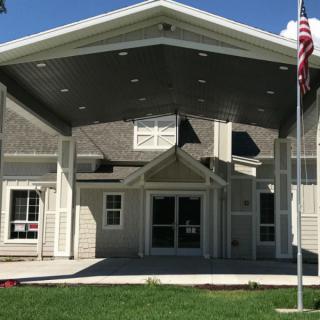
Spring Gardens Senior Living Mapleton

1483 West 800 South Street, Mapleton, UT 84664

For more information about senior living options: (844) 490-3973

4.9 from 100 reviews
5 stars
96
4 stars
2
3 stars
1
2 stars
0
1 stars
1

Assisted Living Independent Living Memory Care

Overall Review of Spring Gardens Senior Living Mapleton

Pros

  • pro Spring Gardens is described as a place families can call home, where new residents are welcomed, loved, and cared for.
  • pro The staff - from the director to the housekeeping/kitchen crew - provide excellent service.
  • pro Having physicians on site reduces the need for outside medical care.
  • pro Activities are designed to promote mental, social, emotional, and spiritual health.
  • pro Residents enjoy meals together, and families appreciate the ice cream parlor.
  • pro The Fall Festival shows the time and care Spring Gardens puts into making residents feel loved and needed.
  • pro Spring Gardens brings peace of mind to families.
  • pro Shayne, the administrator, is noted for going above and beyond in caring for residents and supporting families.
  • pro Shelly, the activities coordinator, keeps residents engaged with a wide range of outings and events.
  • pro The staff are thoughtful, patient, and treat every resident like family.
  • pro The facility is spotless, welcoming, and maintained with evident pride.
  • pro The administration cares for residents and takes time to know their individual needs.
  • pro The meals are consistently high quality, with attentive kitchen staff.
  • pro The community is described as filled with love, laughter, and genuine kindness.
  • pro Families highly recommend Spring Gardens for exceptional care.

Review

Spring Gardens is a place many families come to think of as home, a sentiment that shows up again and again in the experiences shared by loved ones. New residents are welcomed with warmth, and moms and dads quickly feel the care and consideration that defines daily life there. The community is described as a place where every detail - from the director to the resident care coordinators, from the secretaries and med techs to the housekeeping and kitchen crew - receives attentive, respectful service. The presence of physicians on site further reinforces a sense of security, reducing the need for outside medical trips and keeping health closely coordinated with daily living. Daily programming is intentionally crafted to nurture mental, social, emotional, and spiritual well-being, with meals shared as a centerpiece of connection and joy. The fall festival, in particular, stands out as a vivid example of the thought and care infused into every event, underscoring how Spring Gardens strives to make each resident feel loved and valued.

Leadership at Spring Gardens is consistently highlighted as exceptional. The administrator, Shayne, earns repeated praise for going above and beyond for residents and their families. Families describe how he and the broader staff take time to understand each resident personally - knowing favorite treats, preferences, and needs - and how they extend that attention to the families themselves. This level of dedication is echoed across the team, from CNAs and nurses to kitchen staff, hairdressers, cleaning crews, and office personnel. The feedback conveys a cohesive, compassionate culture where every member of the staff plays a part in ensuring that life at Spring Gardens remains calm, respectful, and supportive, even in the face of difficult moments.

Engagement and activities are a cornerstone of life at Spring Gardens. Shelly, the activities coordinator, is frequently credited with keeping residents energized and happy through a rich calendar of outings, games, crafts, and social events. Residents routinely share stories about the joy they find in these activities, which bring daily moments of delight and a sense of purpose. Families notice that their loved ones look forward to the next event, recounting how such programs foster laughter, friendship, and a sense of belonging. The staff's commitment to meaningful interaction helps residents feel seen and valued, turning everyday living into a vibrant, communal experience.

Mealtime is another pillar of the Spring Gardens experience, with residents and families consistently raving about the quality and variety of meals. The culinary team - featuring chefs and kitchen staff who personalize service - receives special mention for spoiling residents with thoughtful touches and consistently delicious options. Time and again, reviewers highlight the care put into meals, from festive holiday spreads - Thanksgiving buffets and Valentine's Day lunches, for example - to everyday offerings that balance taste with nutrition. Specific affirmations about favorites, such as cinnamon rolls and other treats, reflect a kitchen culture that treats dining as an opportunity for comfort, celebration, and shared happiness.

Safety, communication, and individualized care are also emphasized as defining strengths. For families, the ability to stay informed about their loved one's status - especially when a resident is a fall risk or experiencing health events - provides immeasurable peace of mind. Staff are described as proactive communicators who walk families through what happened and the steps being taken to safeguard the resident's well-being. This transparency, coupled with a compassionate approach, builds trust and reassurance, reinforcing the sense that Spring Gardens is not merely a facility but a trusted partner in caregiving.

The environment and ethos at Spring Gardens further contribute to its strong reputation. Reviewers consistently call the facility immaculate and welcoming, noting that cleanliness and order reflect the team's pride in their work. The ambience is described as comfortable and homelike, with careful attention paid to creating a respectful, nurturing atmosphere. The combination of a clean, well-maintained setting with a community that feels like family leaves families with a sense of relief and gratitude, even during challenging times.

Location and scenery add another layer to the appeal. Several reviews reference the Mapleton setting, where mountain views and a convenient, nearby presence create additional reasons families choose Spring Gardens. The sense of being close to home - literally across the highway in one case - and the ability to share daily life with loved ones through easy visits and nearby scenery reinforces the perception of Spring Gardens as a home away from home. In these narratives, residents thrive not only because of excellent care but also because of the broader lifestyle and tranquil surroundings the location offers.

Taken together, the impression left by these testimonials is consistently warm and unequivocal: Spring Gardens is a community where residents are treated with genuine kindness, where staff invest in meaningful relationships, and where life is organized around the well-being and dignity of each individual. Families speak of peace of mind, heartfelt gratitude, and strong confidence in the care their loved ones receive. With outstanding leadership, engaging activities, nourishing meals, transparent communication, and a welcoming, pristine environment, Spring Gardens stands out as a place where love, laughter, and thoughtful care come together to create a truly special senior living experience.

Features

Types of Care

  • Assisted Living Assisted LivingAssisted living facilities provide crucial support and care for seniors who may need help with daily tasks such as medication management, bathing, and meal preparation. These communities offer a safe and comfortable environment where seniors can maintain their independence while receiving the assistance they need to thrive in their golden years.
  • Independent Living Independent LivingIndependent living communities are important for seniors because they offer a safe and supportive environment where older adults can live independently while still having access to amenities and services that enhance their quality of life. These communities provide social opportunities, recreational activities, and assistance with daily tasks, promoting overall well-being and allowing seniors to maintain their independence for as long as possible.
  • Memory Care Memory CareMemory care is crucial for seniors as it provides specialized support and services for individuals with dementia or Alzheimer's disease. These programs offer a safe and secure environment where residents receive personalized care, cognitive stimulation, and help with daily activities. Memory care helps seniors maintain their independence, quality of life, and dignity while also providing peace of mind for their families.

Amenities

  • Cable or satellite TV Cable or satellite TVCable or satellite TV is important for seniors because it provides entertainment, news, and companionship, helping to combat loneliness and boredom. It also offers a wide range of programming options tailored to different interests and preferences.
  • Fully furnished Fully furnishedFully furnished senior living communities are important for seniors because they provide convenience, comfort, and a hassle-free moving experience. Seniors can easily settle into their new living space without the stress of having to buy and move furniture. This allows them to focus on enjoying their new home and community.
  • Garden GardenGardens are important for seniors as they provide a peaceful and therapeutic environment for relaxation, physical activity, and socialization. Being in nature has been shown to reduce stress, improve mood, and promote overall well-being. Gardens also offer opportunities for seniors to engage in gardening activities, which can improve mobility, flexibility, and cognitive function. Additionally, gardens create a sense of community and connection with others who share a passion for plants and outdoor spaces.
  • Housekeeping services Housekeeping servicesHousekeeping services are important for seniors because they help maintain a clean and safe living environment, promote independence, and reduce the risk of accidents or illnesses. Additionally, having assistance with household chores can alleviate physical strain and allow seniors to focus on other aspects of their well-being.
  • Move-in coordination Move-in coordinationMove-in coordination is important for seniors because it helps ease the transition into their new living environment. It ensures that all logistics, such as packing, organizing movers, and setting up utilities are taken care of, allowing seniors to focus on settling in and adjusting to their new home. Having a smooth move-in process can alleviate stress and anxiety, making the transition smoother and more enjoyable for seniors.
  • Outdoor space Outdoor spaceOutdoor spaces are important for seniors as they provide opportunities for physical activity, social interaction, exposure to natural light and fresh air, and a sense of connection to nature. Having access to outdoor spaces can improve overall well-being and quality of life for older adults living in senior communities.

Care Services

  • 24-hour supervision 24-hour supervision24-hour supervision is important for seniors to ensure their safety, well-being, and access to immediate assistance in case of emergencies or health issues. This constant support provides peace of mind for both seniors and their loved ones, allowing them to age in place with dignity and security.
  • Activities of daily living assistance Activities of daily living assistanceActivities of daily living assistance are important for seniors because they provide essential support with tasks such as eating, bathing, dressing, and mobility. This assistance helps seniors maintain their independence, dignity, and overall quality of life as they age.
  • Assistance with bathing Assistance with bathingAssistance with bathing is crucial for seniors as it helps maintain personal hygiene, prevents infections, and ensures their overall well-being and comfort. It also provides a sense of dignity and independence for seniors who may struggle with this task on their own.
  • Assistance with dressing Assistance with dressingAssistance with dressing is important for seniors because it helps maintain their independence, promotes personal hygiene, prevents accidents and injuries, and improves overall quality of life. This service ensures that seniors can continue to dress comfortably and confidently, despite any physical limitations they may have.
  • Assistance with transfers Assistance with transfersAssistance with transfers is crucial for seniors as it helps prevent falls and injuries, maintains their independence, and ensures they can safely navigate their living environment. It also provides peace of mind for both seniors and their loved ones.
  • Diabetes diet Diabetes dietA diabetes diet is crucial for seniors as it helps manage blood sugar levels, reduce risks of complications, and improve overall health and well-being. By following a balanced and nutritious diet tailored to their specific needs, seniors can better control their diabetes and enhance their quality of life.
  • Meal preparation and service Meal preparation and serviceMeal preparation and service are crucial for seniors as they may have limited mobility or energy to cook nutritious meals. Having access to healthy and convenient food options can ensure they are getting the proper nutrition needed to maintain their overall health and well-being.
  • Medication management Medication managementMedication management is crucial for seniors to ensure they are taking the right medications at the correct dosages and times. This helps prevent adverse drug interactions, reduces the risk of medication errors, and promotes overall health and well-being. Proactive management also allows for adjustments as needed based on changing health conditions or new prescriptions.
  • Mental wellness program Mental wellness programMental wellness programs are essential for seniors as they promote cognitive stimulation, emotional support, and social engagement. These programs help prevent isolation, depression, and cognitive decline, ultimately enhancing the overall quality of life for older adults.
  • Mild cognitive impairment Mild cognitive impairment"Mild cognitive impairment" is important for seniors because it is an early stage of cognitive decline that can potentially progress to more severe conditions such as dementia. Recognizing and addressing mild cognitive impairment can help seniors receive appropriate care and support to maintain their quality of life and independence for as long as possible.
  • Special dietary restrictions Special dietary restrictionsSpecial dietary restrictions are important for seniors because age-related changes in metabolism and health conditions can make it difficult for their bodies to process certain foods. By following a diet tailored to their specific needs, seniors can maintain their overall health and well-being, manage chronic conditions, and reduce the risk of complications such as malnutrition or food interactions with medications.

  • Specialized memory care programming Specialized memory care programmingSpecialized memory care programming is crucial for seniors with cognitive impairments such as dementia or Alzheimer's disease. These programs provide a safe and supportive environment tailored to the unique needs of individuals with memory loss, helping them maintain their independence, dignity, and quality of life.

Dining

  • Diabetes diet Diabetes dietA diabetes diet is crucial for seniors as it helps manage blood sugar levels, reduce risks of complications, and improve overall health and well-being. By following a balanced and nutritious diet tailored to their specific needs, seniors can better control their diabetes and enhance their quality of life.
  • Special dietary restrictions Special dietary restrictionsSpecial dietary restrictions are important for seniors because age-related changes in metabolism and health conditions can make it difficult for their bodies to process certain foods. By following a diet tailored to their specific needs, seniors can maintain their overall health and well-being, manage chronic conditions, and reduce the risk of complications such as malnutrition or food interactions with medications.

Activities

  • Community-sponsored activities Community-sponsored activitiesCommunity-sponsored activities are important for seniors as they provide opportunities for social interaction, mental stimulation, and physical activity. These activities can help improve overall well-being, combat loneliness and isolation, and promote a sense of belonging and purpose among older adults.
  • Scheduled daily activities Scheduled daily activitiesScheduled daily activities are important for seniors because they provide structure, socialization, mental stimulation, and physical activity. Engaging in regular activities can improve overall well-being and quality of life for seniors living in a community setting.

Description

Spring Gardens Senior Living in Mapleton, UT is an assisted living community that offers a range of care services and amenities for seniors. The community provides independent living options for those who are still able to live on their own but desire the convenience of having services and activities available. Additionally, Spring Gardens Senior Living also offers specialized memory care for residents with mild cognitive impairment or Alzheimer's disease.

The community boasts a variety of amenities to enhance the quality of life for its residents. Each apartment comes fully furnished, providing a comfortable and convenient living space. The well-maintained garden and outdoor spaces offer opportunities for residents to enjoy fresh air and nature. Housekeeping services are provided to ensure that each resident's living area remains clean and tidy.

Moving into Spring Gardens Senior Living is made easy with move-in coordination services available to help streamline the transition process. This can be especially helpful for individuals who may be downsizing or relocating from another area.

Care services at Spring Gardens Senior Living include assistance with activities of daily living such as bathing, dressing, and transfers. Medication management is available to help residents stay organized and on track with their medications. The community also offers a mental wellness program to support the emotional well-being of its residents.

Special dietary needs are accommodated through diabetes diet options and special dietary restrictions in both dining services and meal preparation. Residents can expect delicious meals that cater to their specific needs.

Engaging activities are scheduled daily to keep residents active and socially connected within the community. These activities provide opportunities for enjoyment, entertainment, and participation in hobbies or interests.

Conveniently located near various amenities, Spring Gardens Senior Living provides quick access to nearby cafes, parks, pharmacies, physicians' offices, restaurants, places of worship, theaters, and hospitals. This allows residents easy access to important resources in their daily lives.

Overall, Spring Gardens Senior Living in Mapleton offers a comfortable home-like environment with comprehensive care services, thoughtful amenities, and convenient access to nearby amenities. It is an ideal choice for seniors looking for a supportive community that enhances their quality of life.

Nearby Places of Interest

Pharmacies

  • Maple Mountain Pharmacy (0.1 miles)
  • Walmart Pharmacy (1.8 miles)
  • Art City Pharmacy (2.7 miles)
  • Walgreens (2.8 miles)
  • Macey's Food & Pharmacy (2.9 miles)
  • Macey's, Happy Shopping (2.9 miles)
  • SOS Drug Store (2.9 miles)

Places of Worship

  • Church of Jesus Christ of Latter Day Saints (0.2 miles)
  • Church of Jesus Christ of Latter Day Saints (2.3 miles)
  • Church of Jesus Christ of Latter Day Saints (2.8 miles)
  • Church of Jesus Christ of Latter-Day Saints the, Wards, Spring Creek, Eighteenth (3.8 miles)
  • Church of Jesus Christ of Latter Day Saints (7.1 miles)
  • Provo City Center Temple (8.3 miles)

Parks

  • Ira Allen Park Mapleton Utah (0.7 miles)
  • Mapleton City Park (1.1 miles)
  • Spring Acres Arts Park (2.4 miles)
  • Spanish Fork Dog Park (2.8 miles)
  • Bartholomew Park (2.9 miles)
  • Springville Community Park (4.1 miles)
  • Bicentennial Park (6.7 miles)

Transportation

  • Enterprise Rent-A-Car (2.2 miles)
  • UTA FrontRunner Provo Station (7.9 miles)
  • Provo Municipal Airport (PVU) (9.3 miles)

Restaurants

  • McDonald's (2.2 miles)
  • Chili's Grill & Bar (2.3 miles)
  • Chick-Fil-A (2.4 miles)
  • Super Chix (2.5 miles)
  • Cubbys Spanish Fork (2.6 miles)
  • Jake's Brookside (2.7 miles)
  • Taco Bell (3.1 miles)

Physicians

  • Utah Valley Pediatrics (2.4 miles)
  • Revere Health (2.5 miles)
  • Summit Oral & Maxillofacial Surgery (2.5 miles)
  • Hobble Creek Medical Clinic (2.7 miles)
  • Intermountain Healthcare (2.8 miles)
  • Aspen Dermatology & Aesthetics (2.9 miles)
  • Intermountain Medical Group (3.1 miles)

Theaters

  • Cinemark Spanish Fork And Xd (2.5 miles)
  • Cinemark 16 (7.4 miles)

Cafes

  • Starbucks (2.5 miles)

Hospitals

  • Utah Valley Hearing and Balance (2.6 miles)
  • Intermountain Health Care (3.1 miles)
  • Levi J. Berry, DPM - Canyon Foot and Ankle (3.4 miles)
  • Payson Regional Dialysis Center (8.3 miles)

Frequently Asked Questions

Where is Spring Gardens Senior Living Mapleton?
Does Spring Gardens Senior Living Mapleton provide care for residents with dementia or Alzheimer's disease?

Nearby Communities

Related Resources

  • reminiscence therapyAn In-Depth Look at Reminiscence Therapy in Dementia Care

    Reminiscence therapy is a structured method for older adults, especially those with dementia, to share life stories using prompts and sensory cues, fostering emotional well-being, social engagement, and self-identity. It aims to improve quality of life by enhancing interpersonal connections and cognitive stimulation while requiring careful facilitation to avoid distressing memories.

  • dementia hallucinationsDementia-Related Hallucinations: Causes, Experiences, and Practical Approaches

    Dementia, particularly Lewy body dementia, often involves hallucinations that can significantly distress both patients and caregivers due to disruptions in sensory processing and neurotransmitter imbalances. Effective management includes compassionate communication, environmental adjustments, and a multidisciplinary approach to care while addressing the emotional needs of caregivers.

  • alzheimer's factsIlluminating Insights About Alzheimer's Disease: Ten Crucial Realities

    Alzheimer’s disease is a progressive neurological disorder that significantly impacts memory and cognitive functions, accounting for 60-80% of dementia cases, with early diagnosis being crucial yet challenging. It involves brain changes like beta-amyloid plaques and tau tangles, influenced by genetic and lifestyle factors, and while there is no cure, symptom management and support for caregivers are essential.