At Maple Springs, the monthly costs for various room types present a competitive option compared to both Box Elder County and the wider Utah market. For a one-bedroom unit, residents will find the price at $2,550, which is notably higher than Box Elder County's average of $2,364 but significantly lower than the state average of $3,556. The studio apartment is priced at $2,600, slightly below Box Elder County's rate of $2,719 and again more affordable than the state average of $3,206. Moving up to two-bedroom accommodations at Maple Springs, the cost stands at $3,400 - this matches Box Elder County's pricing while still being less than the statewide average of $4,194. Overall, Maple Springs offers a well-balanced choice for those seeking quality living arrangements that can appeal to budget-conscious residents without compromising on comfort.
Floor plans
Maple Springs
Box Elder County
Utah
1 Bedroom
$2,550
$2,364
$3,556
Studio
$2,600
$2,719
$3,206
2 Bedrooms
$3,400
$3,400
$4,194
Assisted Living communities with a similar price nearby
Food quality is the most talked-about part of daily life here.
Many reviewers describe the meals as really good, first class, or enjoyable. A few others call out inconsistent meals, including one review that says meals were so-so for the money and another that notes a short stay where the food wasn’t what the loved one had hoped for. One resident also mentioned that there wasn’t enough food served for a larger appetite. Overall, dining appears to be a strong point, with occasional gaps in consistency.
common7 reviews mention this
Staff responsiveness is a common theme
Residents and families repeatedly describe the staff as helpful and kind.
Several reviews highlight helpful, welcoming staff who take care of what families and residents need. Multiple comments also emphasize a friendly environment where residents and visitors feel supported. There are also a couple of negative moments tied to dining service—such as a server being rude or impatient and general dissatisfaction during a meal—but these reviews still end with overall satisfaction. Taken together, staff interactions are a consistent part of the experience.
common5 reviews mention this
Facility cleanliness and upkeep
Reviewers frequently mention the community is kept clean and well maintained.
Multiple reviewers describe the facility as clean, well kept, and maintained. Others mention good housekeeping as part of what makes the day-to-day feel comfortable. Even when there were concerns—like meal expectations during a stay—reviews still tend to acknowledge the cleanliness. Cleanliness shows up as a steady positive across different family experiences.
common3 reviews mention this
Planned activities keep residents busy
Residents are consistently described as having plenty to do.
Reviewers mention that their loved ones participate in activities and have fun, including scheduled events. One review describes frequent options happening every couple of hours, with examples like bingo, exercises, and auctions. Another reviewer says they haven’t attended events themselves but their family member enjoys the activities. Overall, activities appear regularly enough for families to notice and for residents to stay engaged.
How we summarize
Counts show how many written reviews mention each theme; a review can touch several themes, and only frequently mentioned themes are displayed.
Features
Housing
36 resident community capacity
Types of Care
Assisted Living
Independent Living
Pets
Cats allowed
Dogs allowed
Amenities
Activities off-site
Activities on-site
Air-conditioning
Bath tubs
Beautician on-site
Beauty salon
Cable or satellite TV
Devotional services off-site
Devotional services on-site
Dining room
Fully furnished
Garden
Ground floor units
Handicap accessible
Housekeeping services
Indoor common areas
Kitchenette
Move-in coordination
Outdoor common areas
Outdoor space
Respite or short term stays offered
Restaurant-style dining
Small library
Telephone
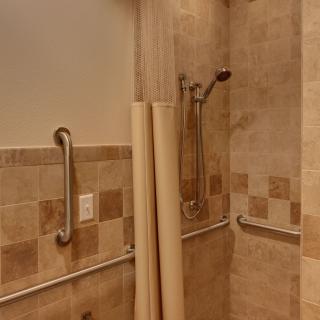
Wheelchair accessible showers
Wi-Fi/high-speed internet available
Care Services
24-hour call system
24-hour supervision
Activities of daily living assistance
Ambulatory care
Assistance with bathing
Assistance with dressing
Assistance with transfers
Diabetes diet
Diabetic care
Incontinence care
Meal preparation and service
Medication management
Mental wellness program
Special dietary restrictions
Dining
Diabetes diet
Gluten-free
Guest meals
International cuisine
Kosher
Low / no sodium
Meals provided
No Sugar
Professional chef
Restaurant style dining
Room service
Special dietary restrictions
Vegan
Vegetarian
Activities
Art classes
Catholic services
Community-sponsored activities
Devotional activities offsite
Devotional activities on-site
Educational speakers / life long learning
Karaoke
Live well programs
Mormon/LDS services
Other religious services
Protestant services
Resident-run activities
Scheduled daily activities
Visiting chaplain or priest
Nearby Places of Interest
This area of Brigham City, Utah is a convenient and bustling neighborhood with a variety of amenities nearby. Residents have easy access to a range of dining options, including the Old Grist Mill, Wingers, and Floriberto's Mexican Food. There are also several physicians and pharmacies in close proximity for medical needs, such as Perry Family Medicine and Brigham Community Pharmacy. The Brigham City Community Hospital is just a short distance away for any healthcare emergencies. For leisure activities, there are cafes like Buzzbru Coffee & More and theaters such as Walker Cinemas within reach. Additionally, there are several places of worship in the vicinity, providing opportunities for spiritual engagement. The transportation options include Union Pacific Railroad Co. and U-Haul for travel needs. Overall, this part of Brigham City offers a vibrant community with access to essential services making it an ideal location for senior living.
Restaurants
Old Grist Mill (0.1 miles)
Wingers (0.2 miles)
Fiiz Drinks (0.3 miles)
Crumbl Cookies (0.4 miles)
Floriberto's Mexican Food (0.6 miles)
McDonald's (0.7 miles)
Burger King (0.7 miles)
Physicians
Perry Family Medicine (0.1 miles)
Matthew F Bitner (0.1 miles)
Medical Arts Clinic (0.1 miles)
Brigham City Woman's Center (0.1 miles)
Alpine Orthopaedic Specialists (0.1 miles)
Sumko Michael H DO Sumko Bitner Orthopaedic (0.1 miles)
Sumko Orthopedic And Sports Medicine (0.1 miles)
Pharmacies
Brigham Community Pharmacy (0.1 miles)
Walmart Pharmacy (0.4 miles)
Shopko Brigham City Pharmacy (0.8 miles)
Smith's Food & Drug (1.4 miles)
Kent's Market (12.9 miles)
Lee's Marketplace (12.9 miles)
Walgreens (13.1 miles)
Hospitals
Brigham City Community Hospital (0.2 miles)
Pleasant View Dialysis Center (12.6 miles)
Cafes
Buzzbru Coffee & More (0.4 miles)
Starbucks (1.4 miles)
Idle Isle Cafe (1.6 miles)
Starbucks (13.3 miles)
Theaters
Walker Cinemas (0.8 miles)
Places of Worship
St Michael's Episcopal Church (1 miles)
Victory First Assembly of God (1.2 miles)
Community Preschool (1.3 miles)
Box Elder Stake Tabernacle (1.3 miles)
Church of Jesus Christ of Latter Day Saints (1.3 miles)
Church of Jesus Christ of Latter Day Saints (1.5 miles)
At Maple Springs, the monthly costs for various room types present a competitive option compared to both Box Elder County and the wider Utah market. For a one-bedroom unit, residents will find the price at $2,550, which is notably higher than Box Elder County's average of $2,364 but significantly lower than the state average of $3,556. The studio apartment is priced at $2,600, slightly below Box Elder County's rate of $2,719 and again more affordable than the state average of $3,206. Moving up to two-bedroom accommodations at Maple Springs, the cost stands at $3,400 - this matches Box Elder County's pricing while still being less than the statewide average of $4,194. Overall, Maple Springs offers a well-balanced choice for those seeking quality living arrangements that can appeal to budget-conscious residents without compromising on comfort.
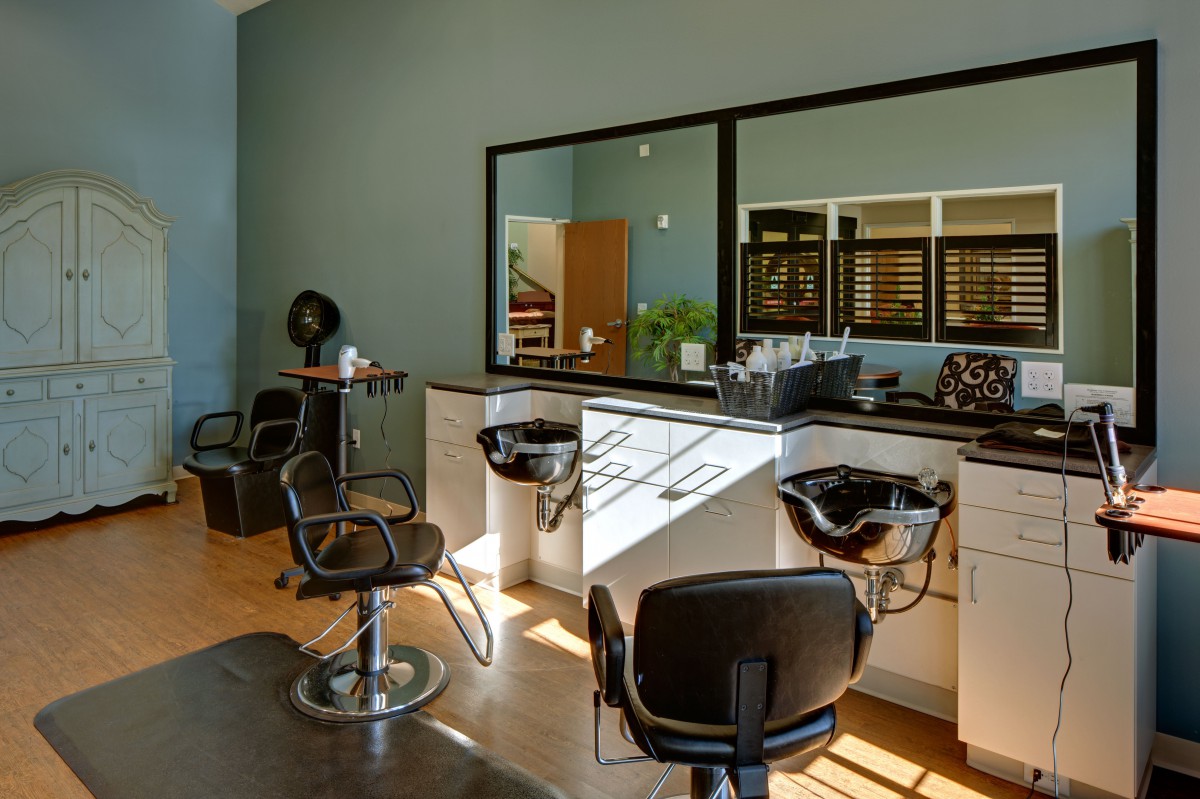
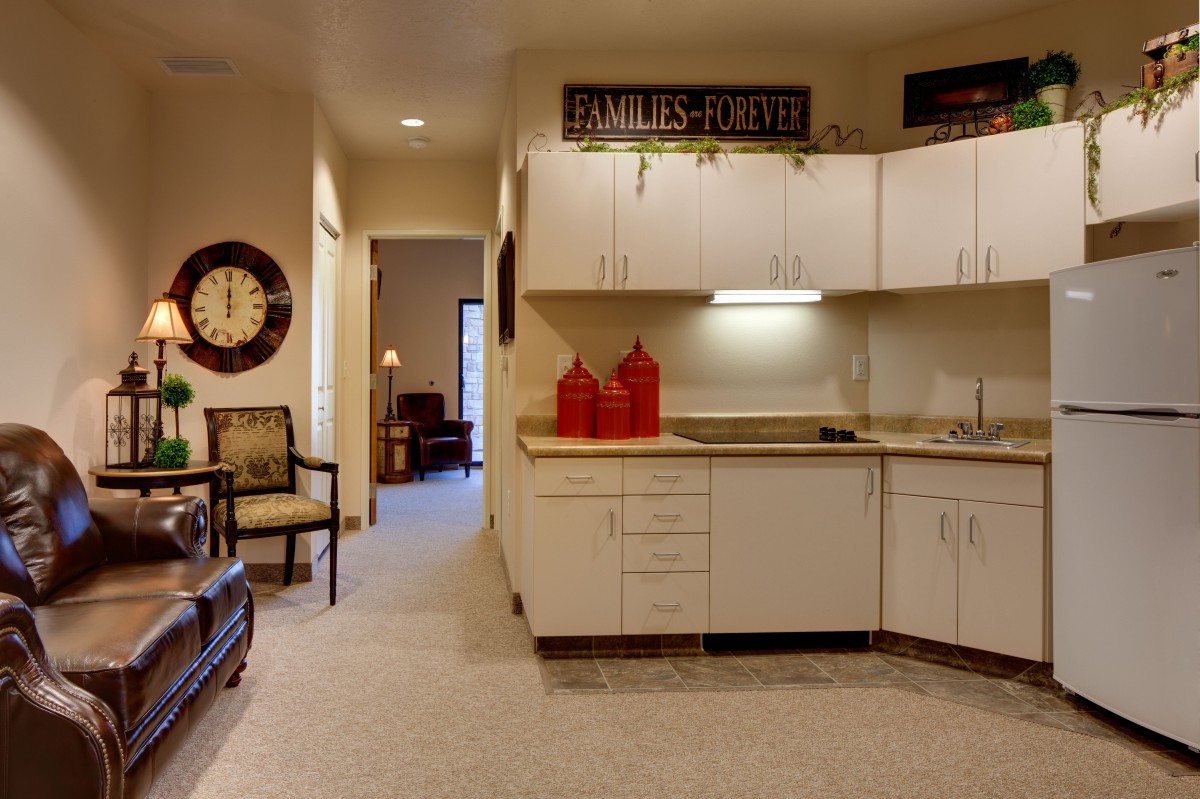
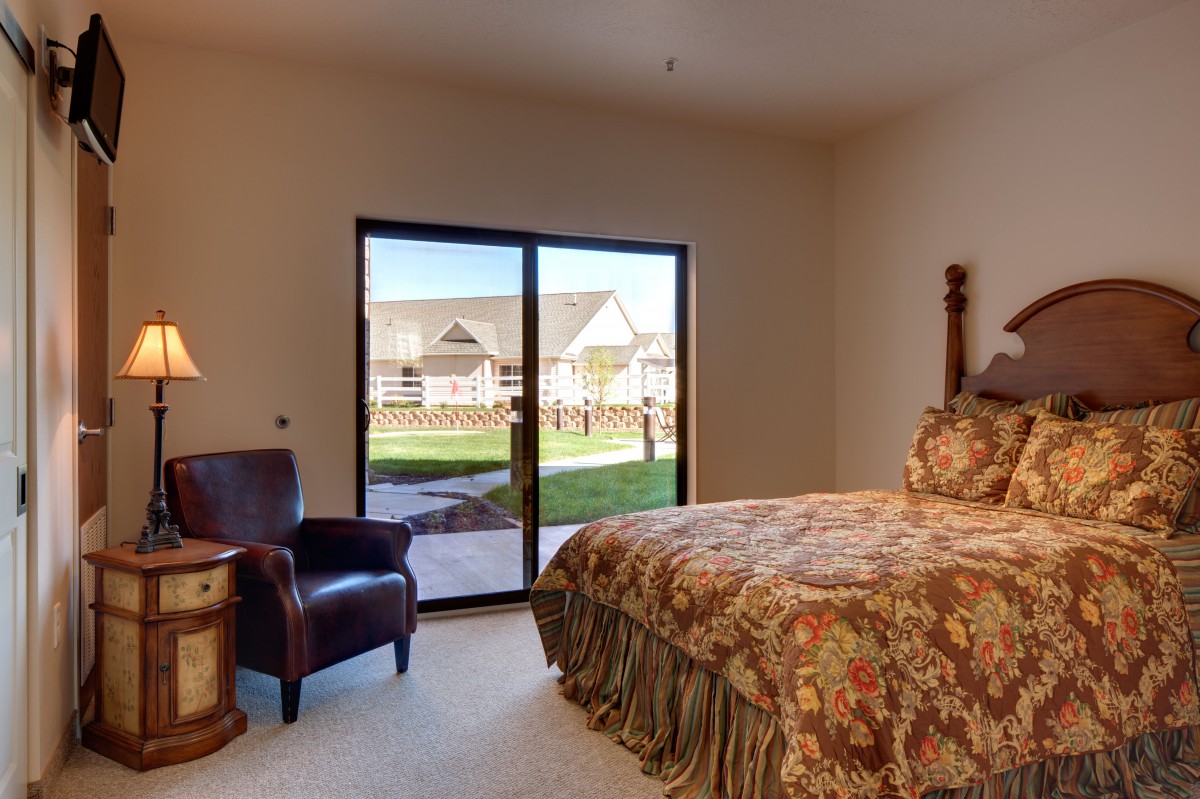
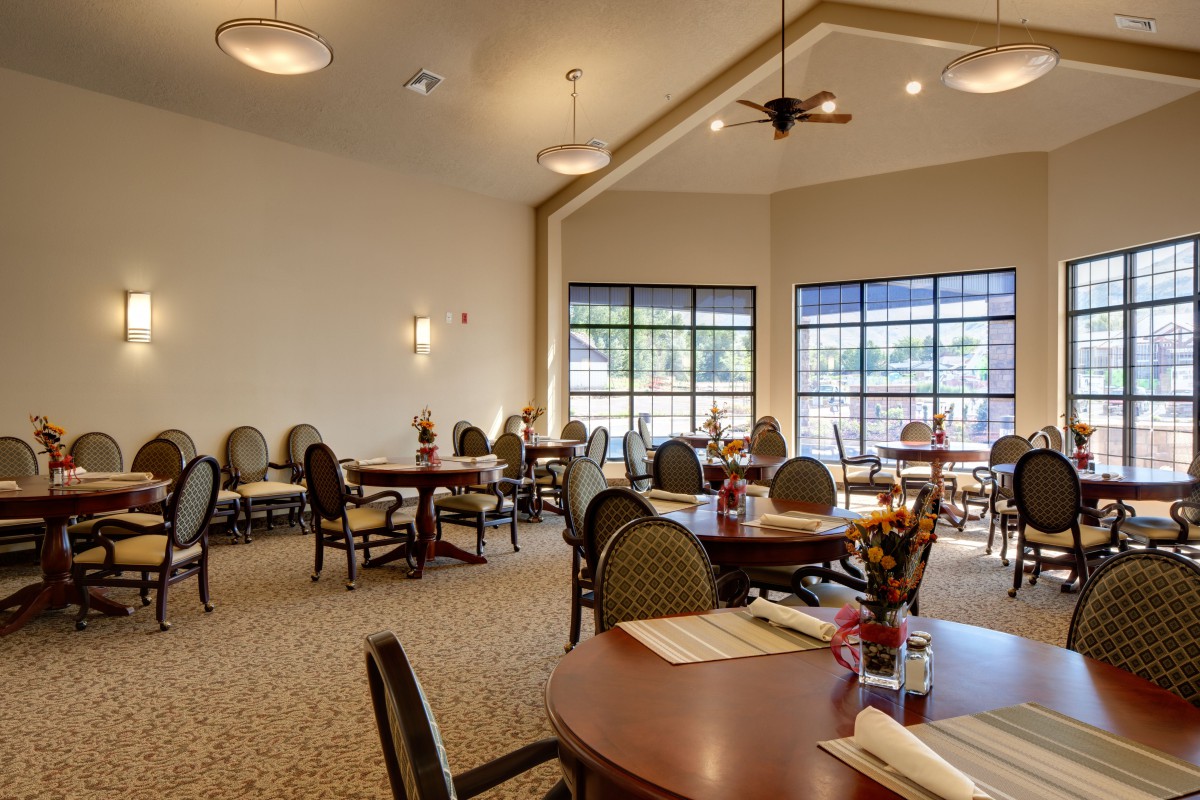
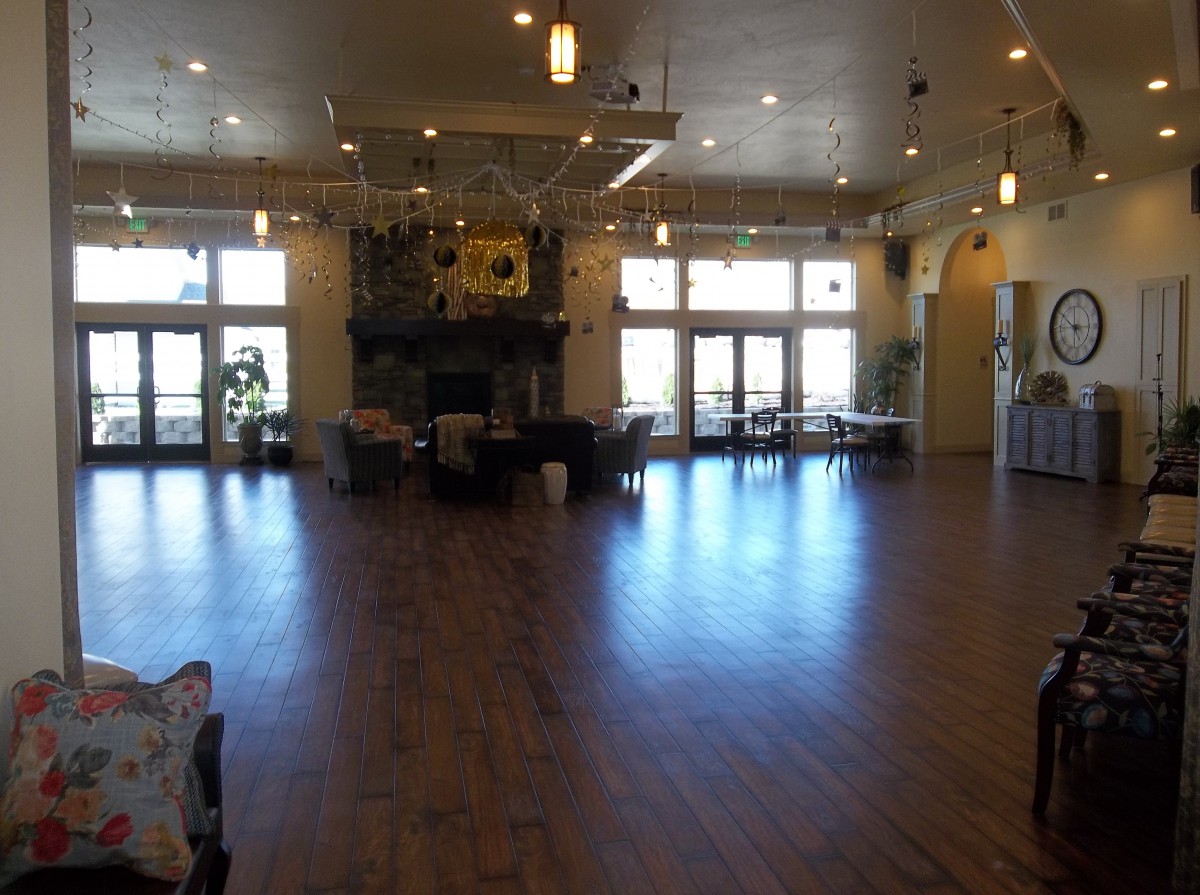
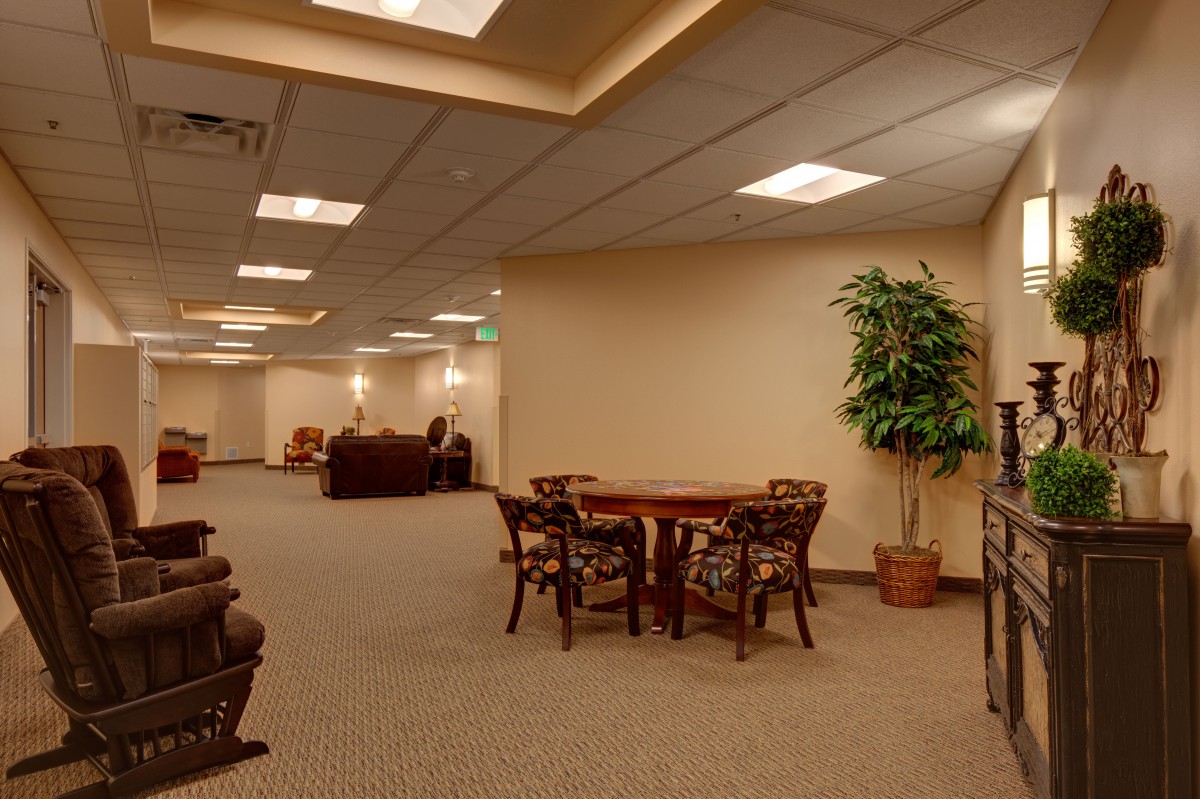
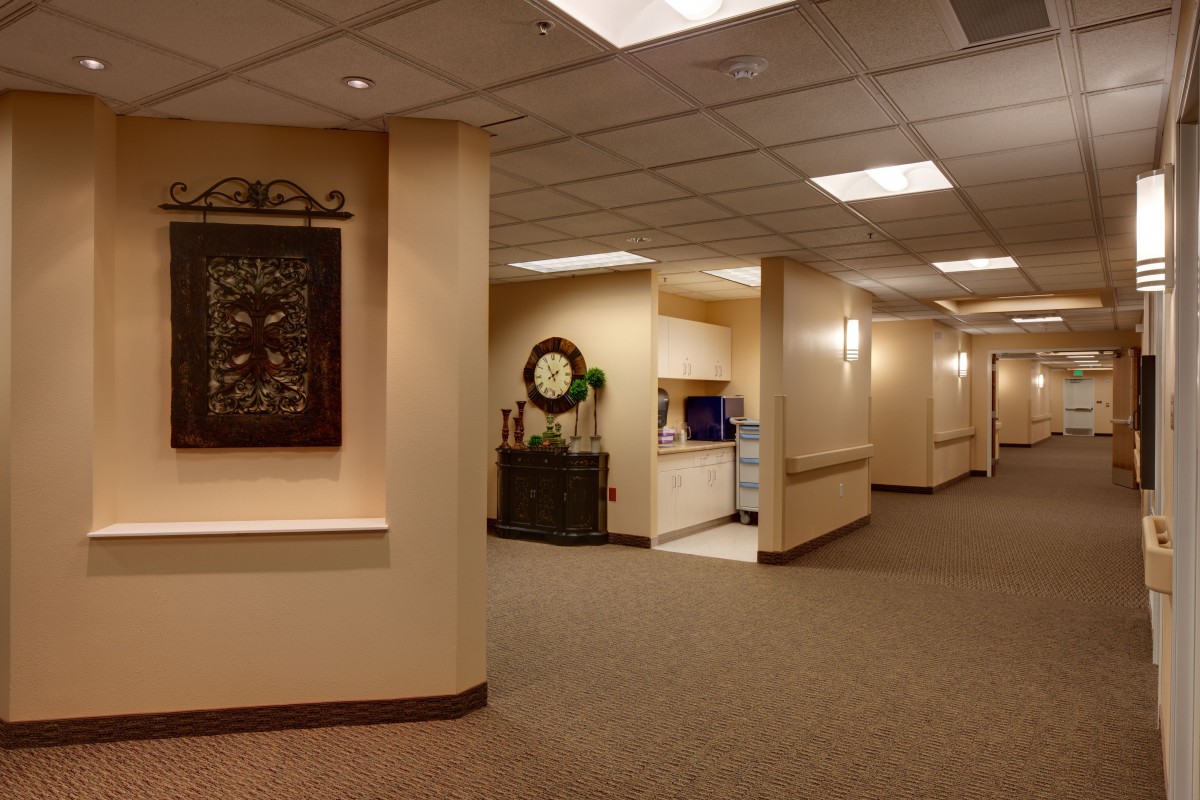
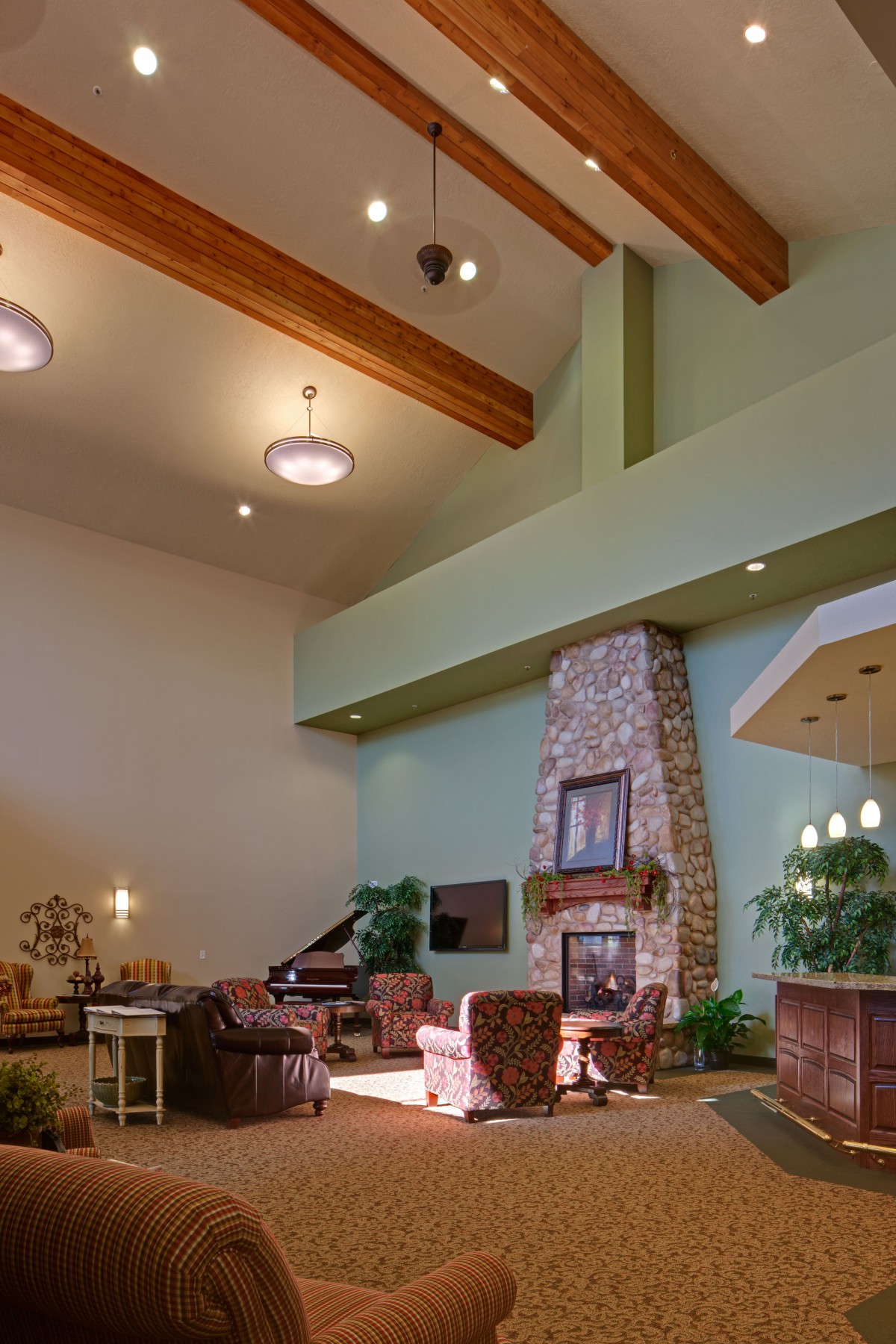
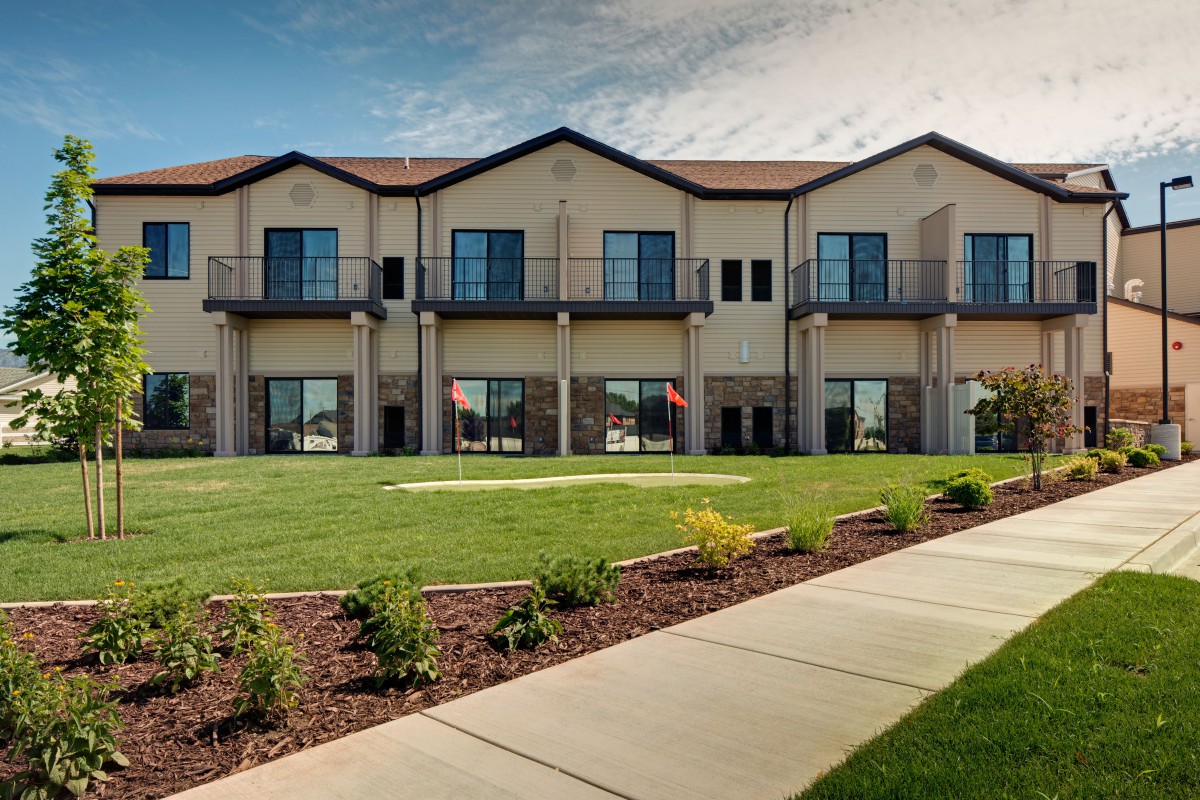
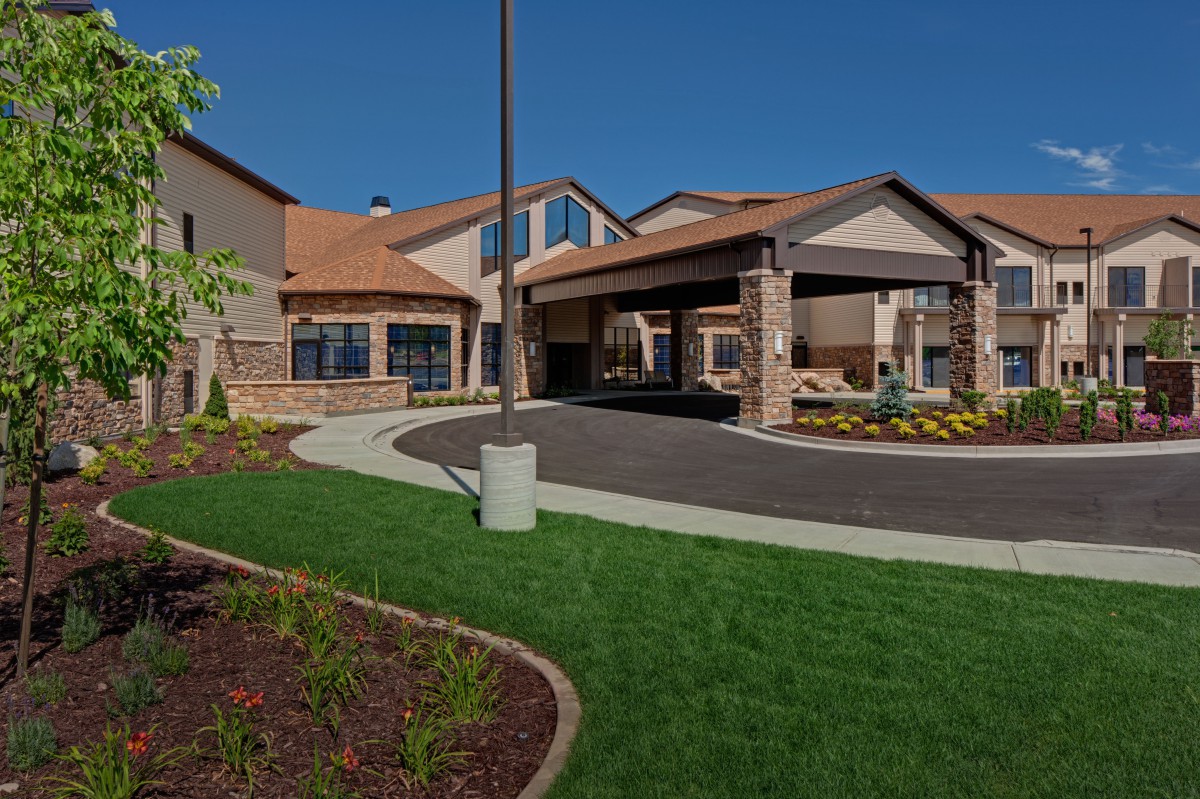
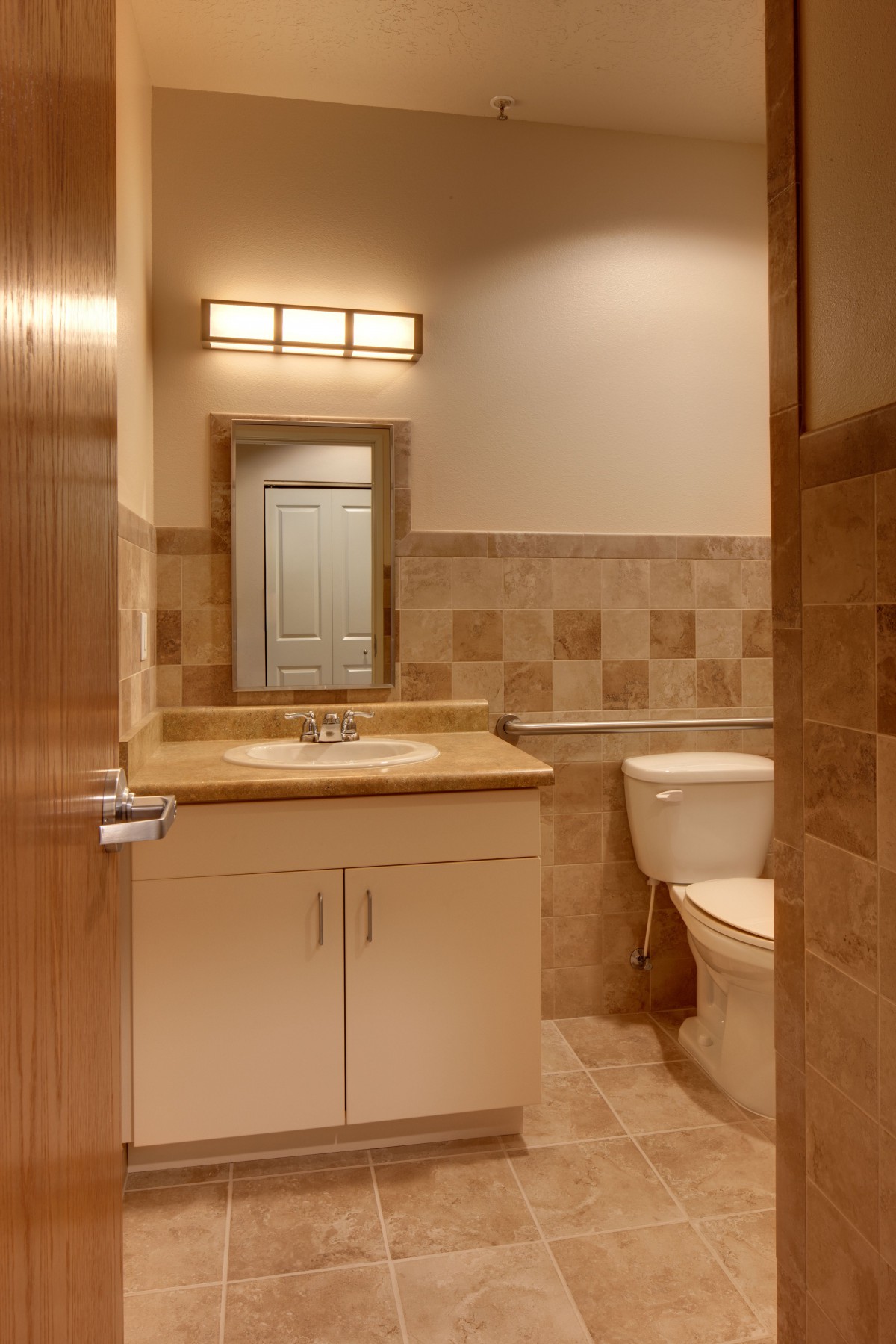
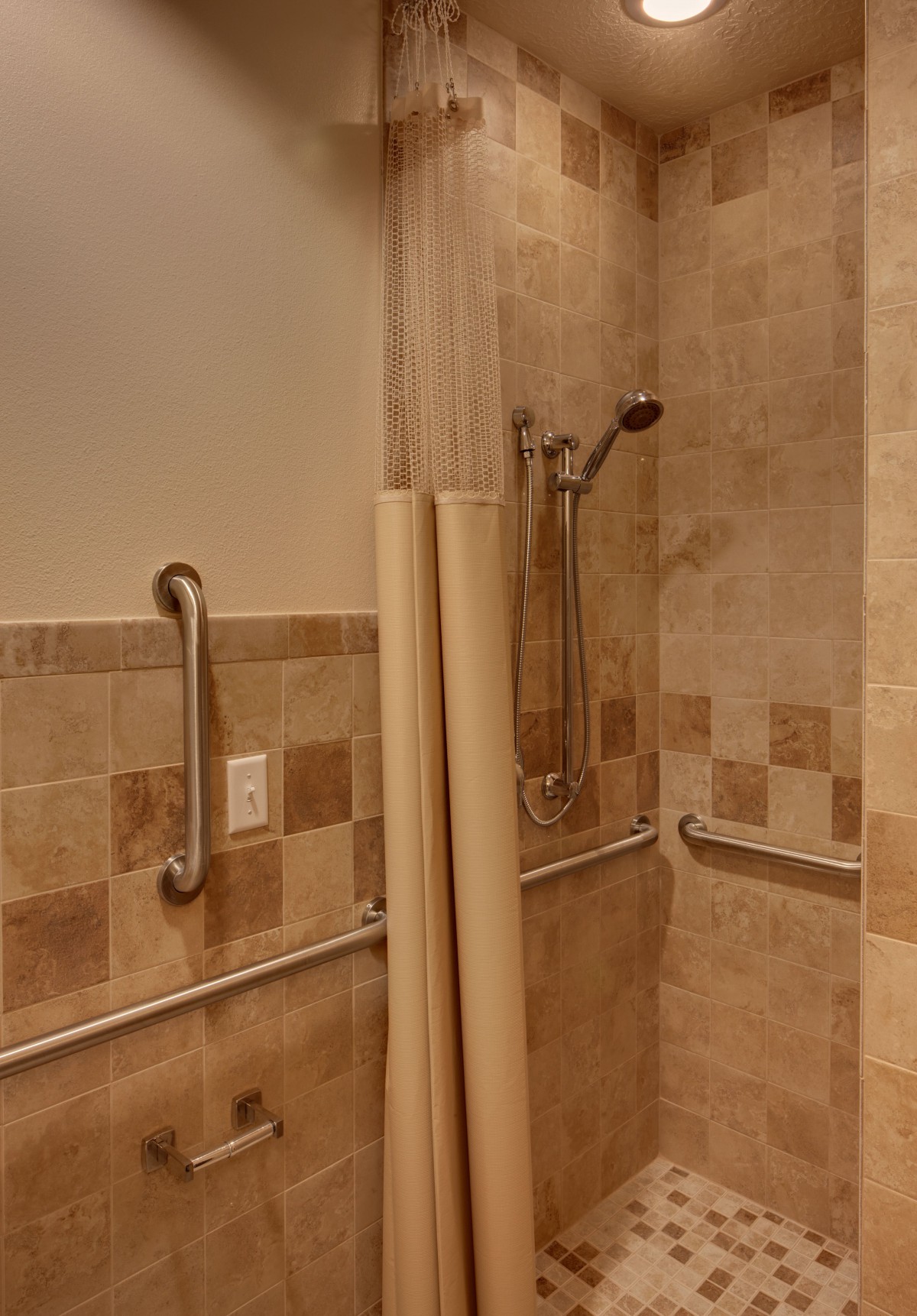
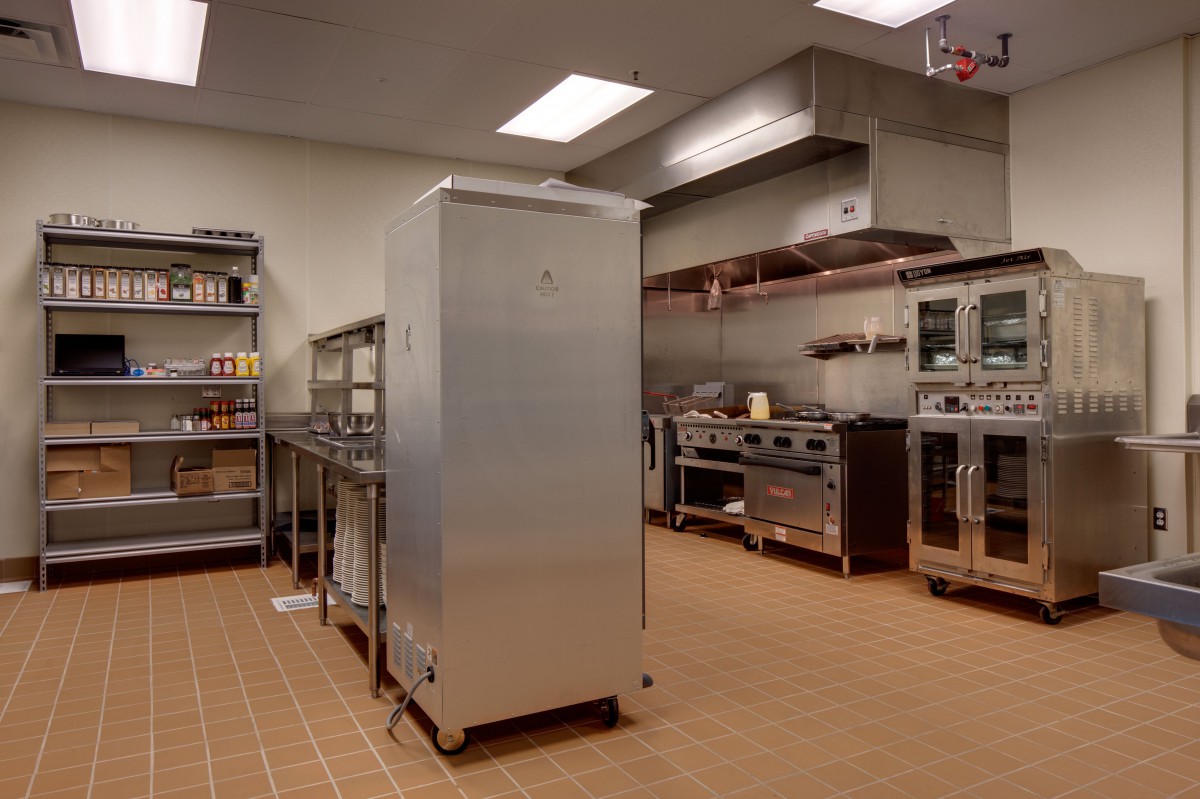
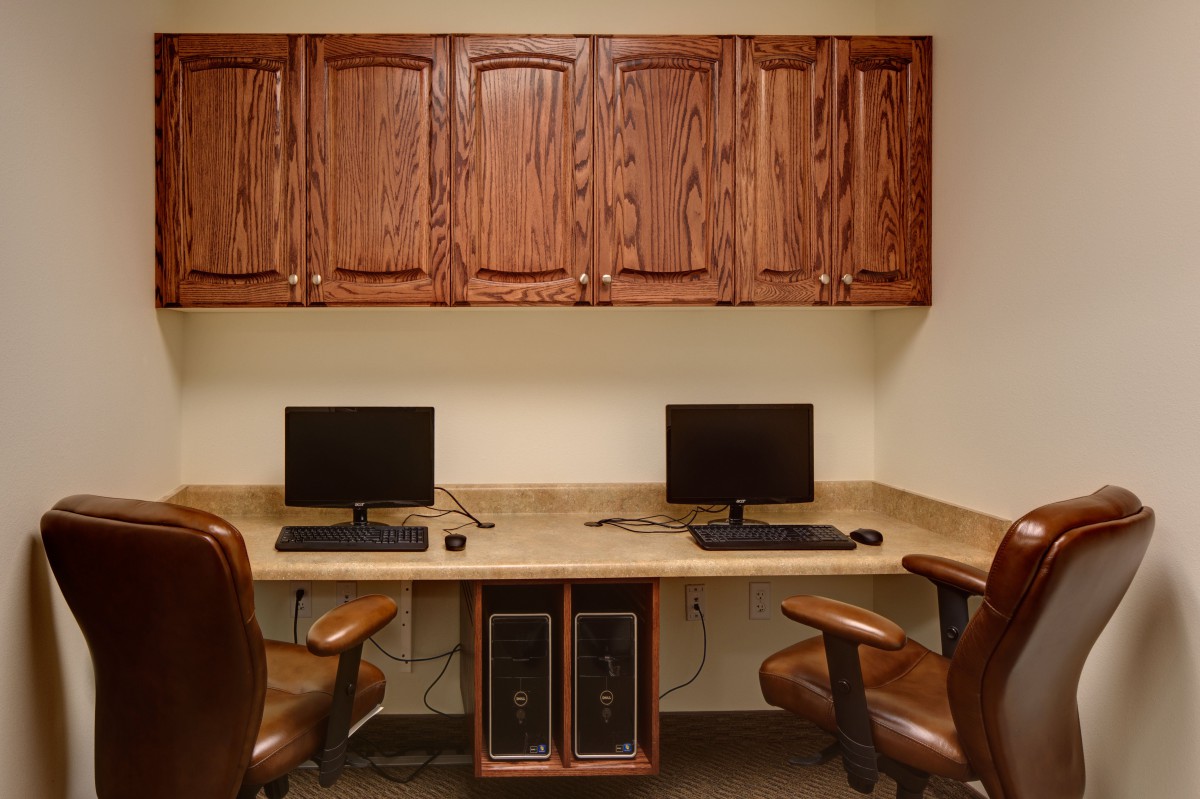
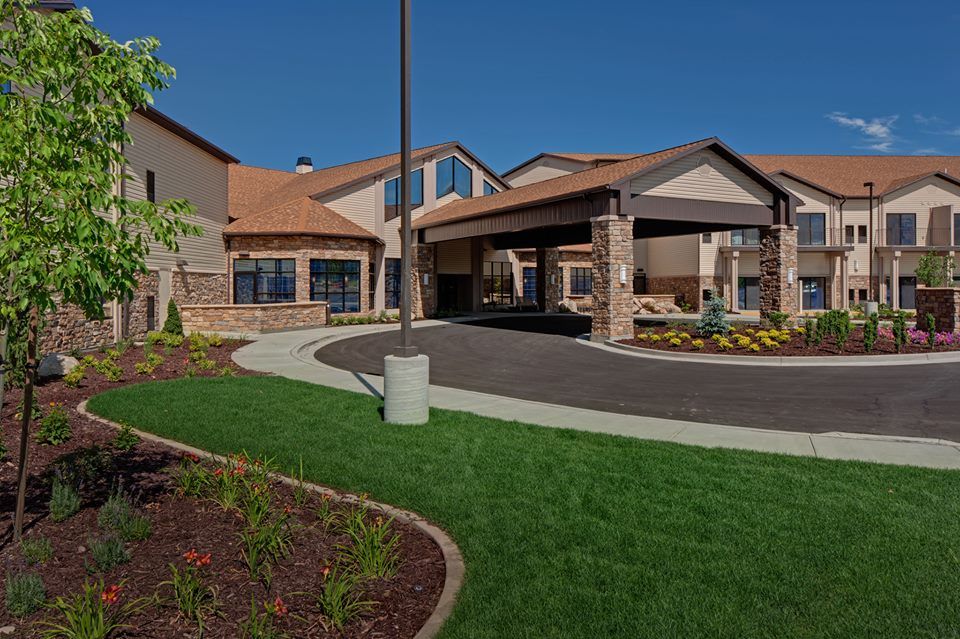
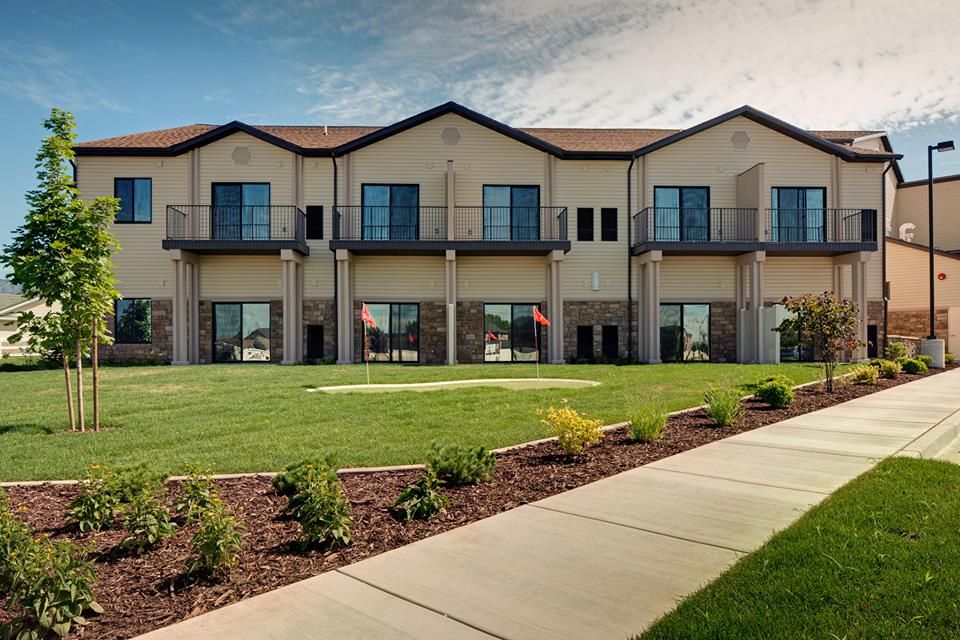
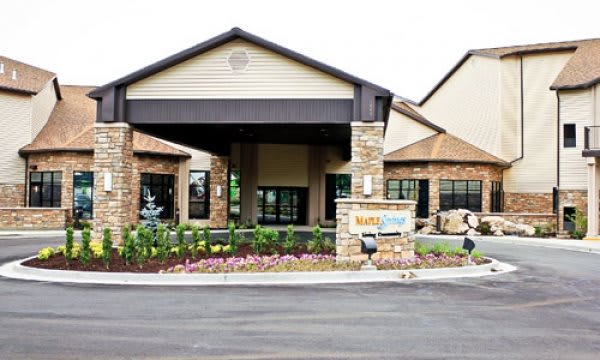
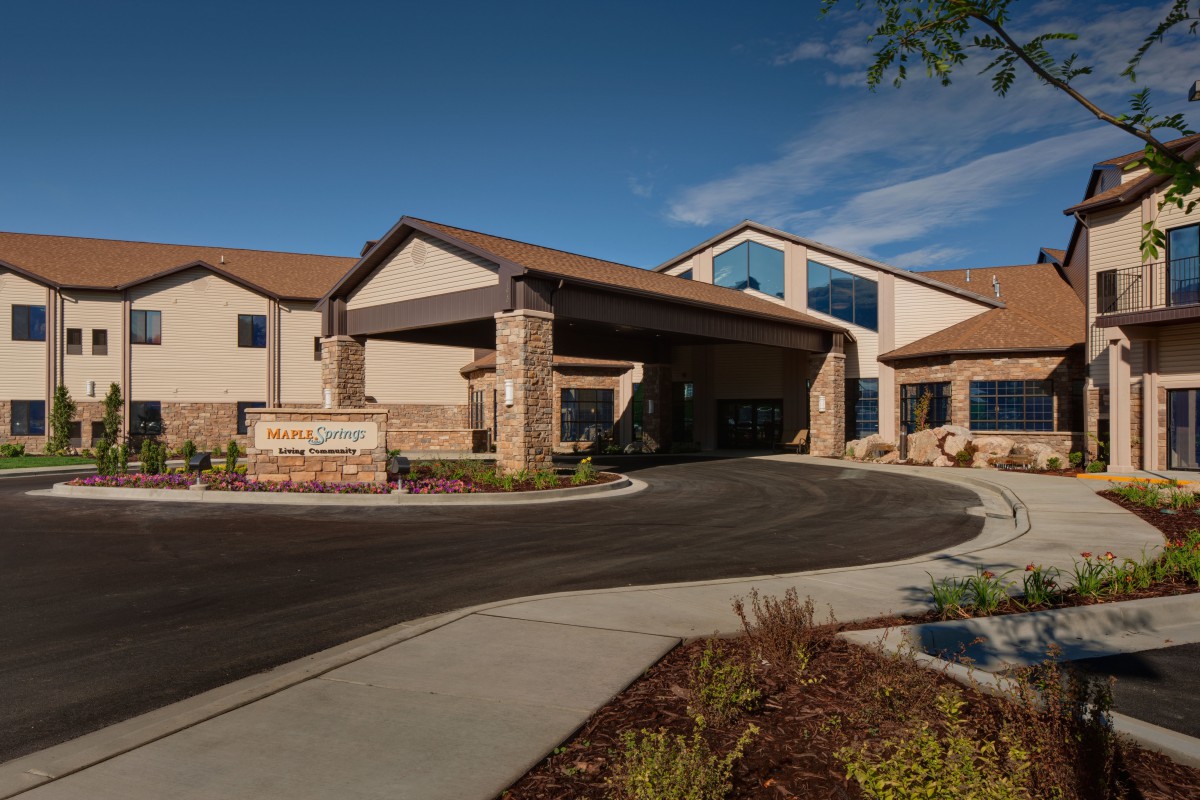
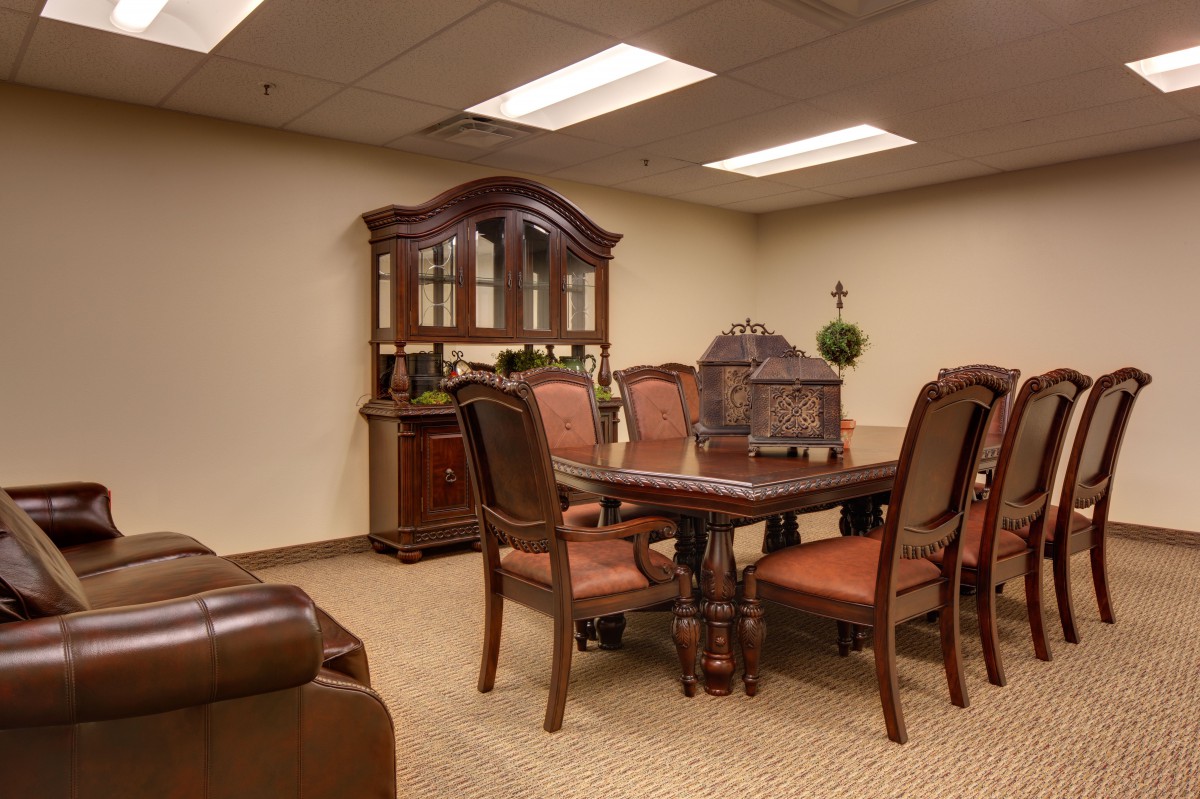
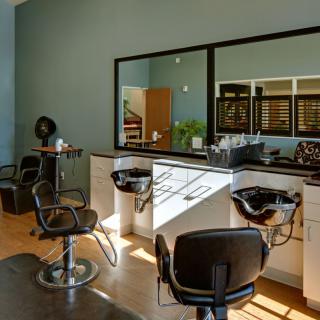
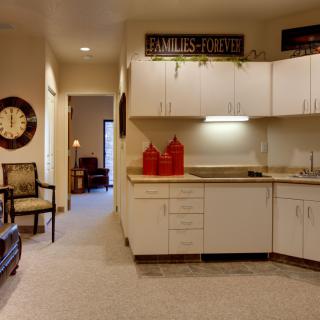
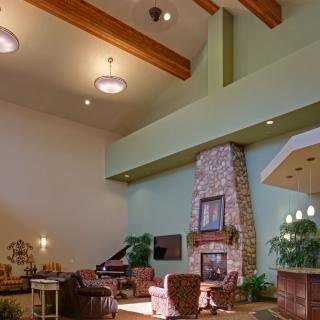
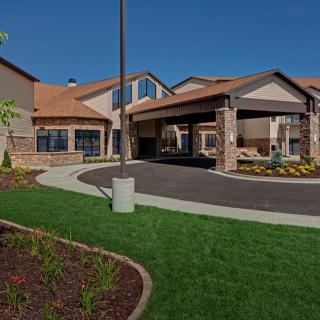
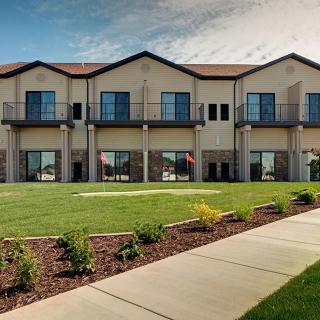
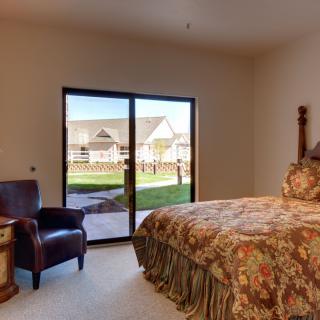
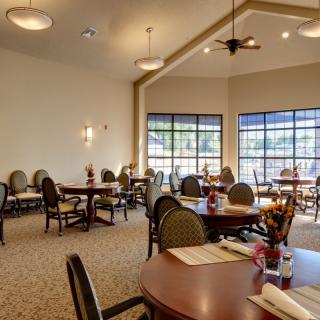
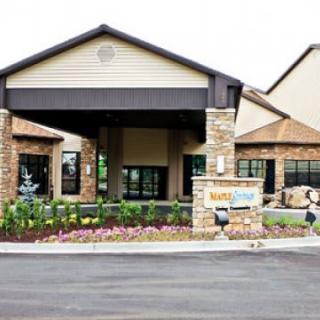
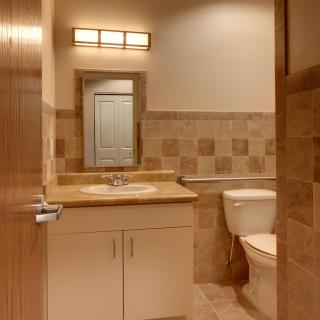
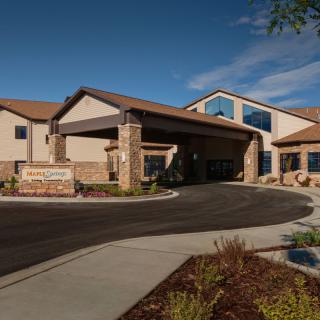
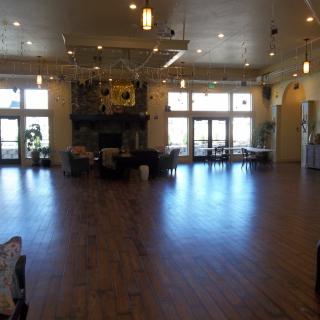
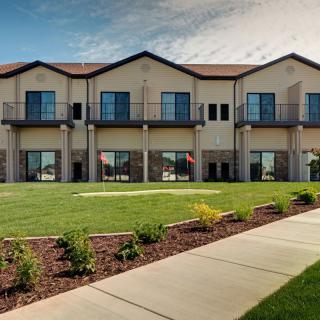
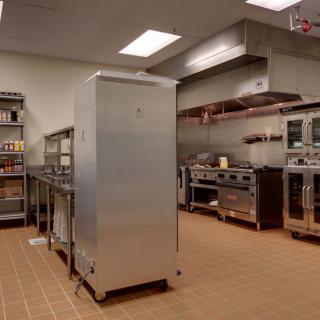
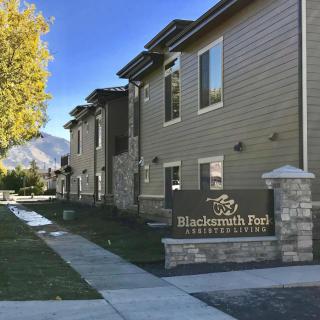
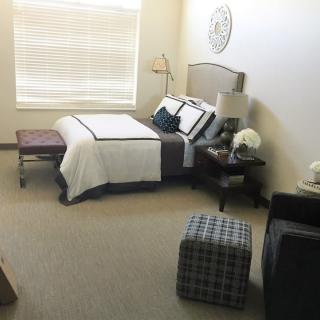
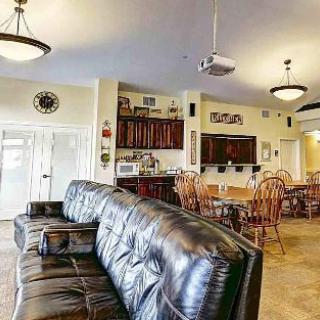
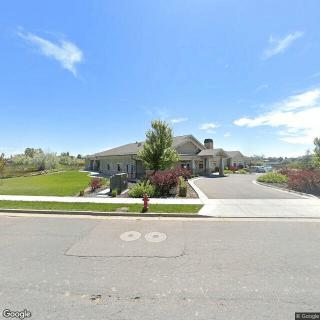
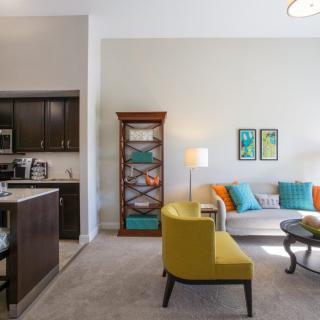
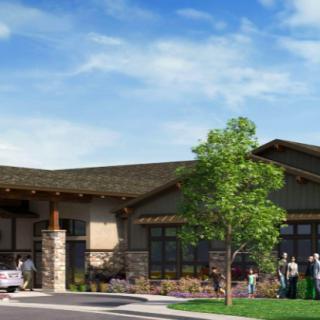
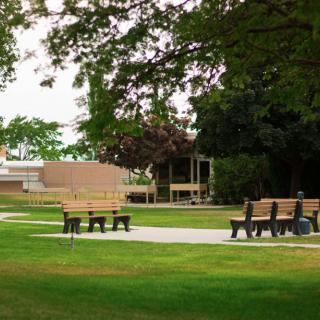
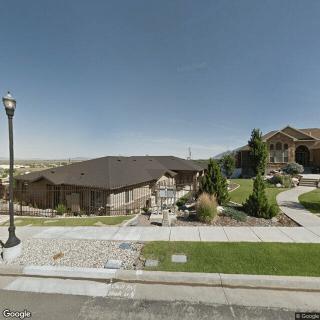
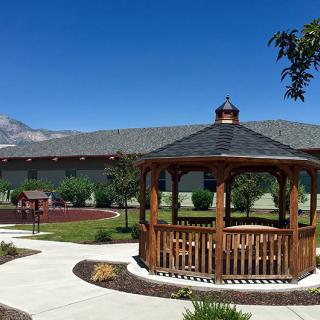
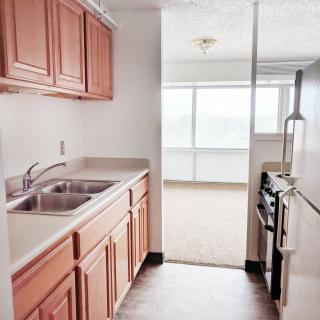
Maple Springs on seniors.fyi includes 20 photos including images showing landscaping, interior, building, architecture, entrance, windows, lighting, office, and more.
Nearby Communities
The Gables Of Brigham City
Brigham City, UT
5 from 2 reviews
$3,200 to $3,700 / month
Compassionate staff and a clean, welcoming environment.
Country Lane Retirement and Care Center
Brigham City, UT
1 from 2 reviews
$1,375 to $2,178 / month
Clean, well-maintained environment with dedicated staff and openness to improving dining options.
Mission At Maple Springs
Brigham, UT
3.8 from 24 reviews
Small, personalized assisted living community with comprehensive care services and on-site amenities.
Alis Angels
Brigham City, UT
4 from 4 reviews
Cozy, homelike setting with 24/7 supervision, restaurant-style dining, and ADL support.
Pioneer Care Center
Brigham City, UT
4.4 from 63 reviews
Engaged, attentive staff in a clean facility with active resident programming.
Beehive Homes of Perry
Perry, UT
4.8 from 14 reviews
$3,200 / month
Clean, welcoming atmosphere with friendly staff and regular activities and outings.
Assisted living provides moderate support for seniors seeking independence, while memory care offers specialized support for individuals with dementia or cognitive impairments through structured routines and trained staff. Key differences include care approaches, environment security measures, staff training levels, activity types, and cost considerations.
Assisted living communities offer diverse activities beyond traditional games to enhance seniors' physical health, cognitive well-being, emotional enrichment, and social connections, including fitness classes, creative expression, and intergenerational interactions. These enriching programs foster community bonds and support residents' independence and happiness.
The article differentiates between assisted living and memory care, explaining that assisted living supports seniors with daily activities while promoting independence, whereas memory care provides specialized services for individuals with dementia, focusing on secure environments and cognitive support. It also addresses staff training, safety considerations, costs, family involvement, and transition strategies for families navigating these care options.
Get PricingAsk A QuestionSchedule A TourContact Senior Advisor
By clicking submit, you agree to our Partner's Terms of Use. You
also consent to receive calls and texts, which may be autodialed, from our Partner. Your consent is not a condition to
using our Partner's service. Please visit our Partner's Privacy Policy for information about their privacy practices.


 36 resident community capacity
 Assisted Living
 Independent Living
 Cats allowed
 Dogs allowed
 Activities off-site
 Air-conditioning
 Bath tubs
 Beautician on-site
 Cable or satellite TV
 Devotional services off-site
 Dining room
 Fully furnished
 Garden
 Ground floor units
 Handicap accessible
 Housekeeping services
 Indoor common areas
 Kitchenette
 Move-in coordination
 Outdoor common areas
 Respite or short term stays offered
 Restaurant-style dining
 Small library
 Telephone
 Wheelchair accessible showers
 Wi-Fi/high-speed internet available
 24-hour call system
 Ambulatory care
 Assistance with bathing
 Assistance with dressing
 Assistance with transfers
 Diabetes diet
 Diabetic care
 Incontinence care
 Medication management
 Mental wellness program
 Special dietary restrictions
 Art classes
 Catholic services
 Educational speakers / life long learning
 Karaoke
 Live well programs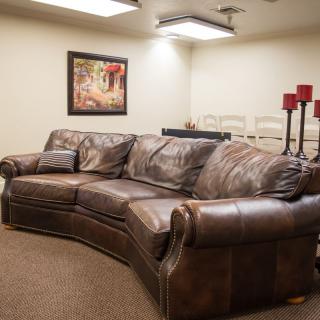
 Compassionate staff and a clean, welcoming environment.

 Assisted Living and Memory Care: Understanding Their Core Differences
 Beyond the Bingo Hall: 50+ Enriching Activities for Seniors in Assisted Living
 Understanding the Distinctions: Assisted Living and Memory Care Explained