
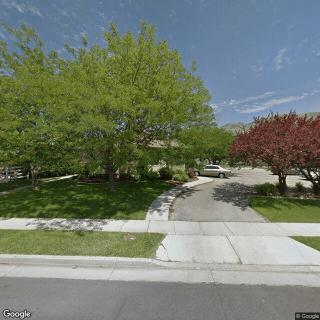
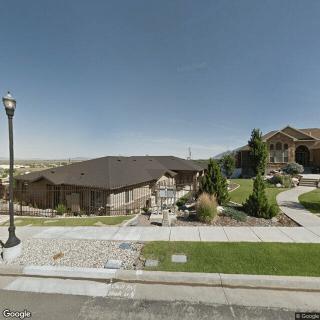
740 South 400 West, Brigham City, UT 84302
For more information about senior living options: (866) 208-4318
Overall Review of Alis Angels
Pros
 Ali's Angels provided loving and personalized care for the mother during her last months.
- The caregivers were trained and took time to understand her needs on a personal basis.
- They went above and beyond, handling light housework, preparing meals, and assisting with exercises.
- They engaged in activities with her, such as painting and watching TV, and shared treats and flowers.
- Kyle was wonderful to work with and could schedule trained, reliable aides for 24/7 care.
- The family never worried about their mother when she was with Ali's Angels, and they would recommend Ali's services to others.
Cons
 The company is not compassionate and fails to meet expectations for senior care.
- The price of $35 per hour for in-home visits was charged without prior discussion.
- The aides repeatedly arrived late, with one appearing unkempt.
- One aide spent three hours cleaning the bathroom, which seemed inefficient and unprofessional.
- Scheduling was inflexible and chaotic, with staff changes and conflicting availability.
- The scheduler spoke over the reviewer and threatened to cancel the service, indicating poor customer service.
Review
Alis Angels is best suited for families seeking intensely personalized, in-home care for a loved one with Alzheimer’s and Parkinson’s, delivered by a tight-knit team that can tailor routines, respond to evolving needs, and provide around-the-clock support. The strongest value lies in a caregiver network that truly listens, builds relationships, and treats care as a personal mission rather than a checklist. Families report aides who go beyond the basics, joining in exercises, preparing meals, handling light chores, sharing small comforts, and maintaining a level of presence that reduces family worry. When a loved one benefits from constant, attentive supervision and a caregiver who can blend medical sensitivity with everyday companionship, Alis Angels stands out.
That said, certain realities merit careful consideration before committing. Those needing a fully hospital- or facility-style operation with rigid staffing schedules, strict medical oversight, or crystal-clear, published pricing may find alternatives more predictable. A troubling pattern in one account, late arrivals, inconsistent caregivers, and a tense, sometimes aggressive tone from scheduling staff, cannot be ignored. If family members require a highly standardized service model, or if they must avoid the risk of shifting aides and mixed-quality interactions, exploring other agencies or a traditional assisted-living option could prevent frustrating surprises.
The core strengths, unwavering compassion, specialized attention to dementia and movement disorders, and 24/7 availability, tend to offset several significant drawbacks. The caregiver team’s willingness to immerse themselves in the patient’s daily life, to “listen” and adjust, and to perform tasks outside a narrow job description creates a profound sense of security for families. The ability to add light housekeeping, meal preparation, guided exercises, and even small rituals or gifts helps maintain dignity and routine in the person’s last months. When a loved one’s care demands constant vigilance and adaptive support, this level of intimacy and dedication can be the decisive factor in choosing in-home care over a shared living facility.
Yet the drawbacks are tangible. Inconsistency of staff, with different aides on different days, can fragment routines and complicate medical or personal preferences. Delays and late starts, a sense of disorganization in scheduling, and mixed impressions of professionalism... all of these risks undercut the ease of planning and the overall comfort families seek. One review details a confrontational interaction with a scheduler, which underscores how fragile communication can become when expectations aren’t aligned. For families balancing medical needs, emotional fatigue, and budget constraints, these issues can quickly tilt the balance toward looking elsewhere.
Prospective clients should enter with a concrete plan to maximize reliability and outcomes. Request a dedicated care team with assigned caregivers and a clear back-up system, so shifts and holidays don’t dissolve into gaps. Insist on a formal written care plan that outlines tasks, schedules, emergency protocols, and escalation paths, plus an explicit discussion of rates, billing cycles, and any additional charges. Demand transparent references, a trial period, and a documented process for addressing concerns, preferably with a single point of contact who can coordinate the team. Set expectations for professionalism, dress, and punctuality, and require a standardized intake that captures the patient’s routines, preferences, and medical needs.
In the end, Alis Angels delivers a compelling proposition for families seeking extraordinary personal attention and round-the-clock in-home care for dementia- and Parkinson’s-related challenges. The strongest advocates describe a level of care that profoundly eases family burdens and honors the person’s dignity through daily acts of care and kindness. However, the model hinges on staffing consistency, reliable communication, and transparent operations. If those elements are non-negotiable, it is prudent to compare alternatives, whether another home-care provider with a steadier staffing record or a structured assisted-living environment, to ensure the chosen path aligns with both care goals and peace of mind.
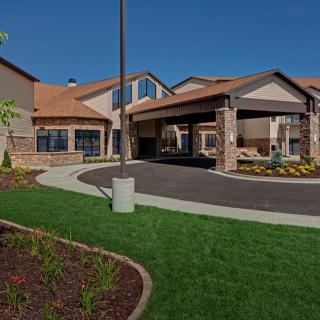
 21 resident community capacity
 Assisted Living
 Beauty salon
 Cable or satellite TV
 Dining room
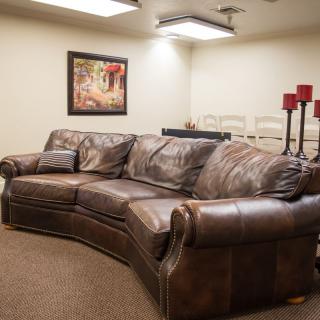
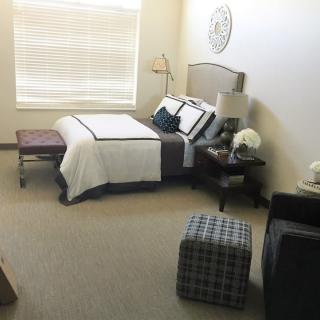
 Fully furnished
 Garden
 Housekeeping services
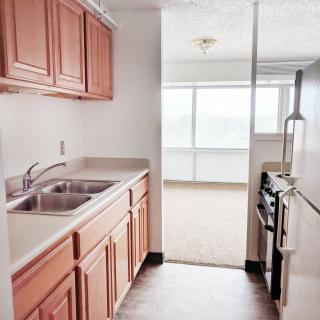
 Kitchenette
 Move-in coordination
 Outdoor space
 Restaurant-style dining
 Small library
 Telephone
 Wi-Fi/high-speed internet available
 24-hour call system
 Activities of daily living assistance
 Assistance with bathing
 Assistance with dressing
 Assistance with transfers
 Diabetes diet
 Medication management
 Mental wellness program
 Special dietary restrictions


 Assisted Living and Memory Care: Understanding Their Core Differences
 Beyond the Bingo Hall: 50+ Enriching Activities for Seniors in Assisted Living
 Understanding the Distinctions: Assisted Living and Memory Care Explained