Pioneer Care Center in Brigham City, UT

Save

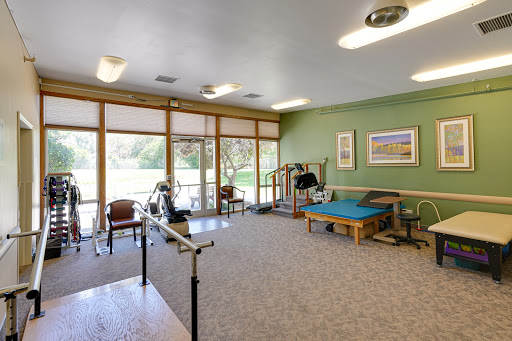
  • Interior

    A bright and spacious rehabilitation therapy room equipped with various exercise tools.
  • Outdoors

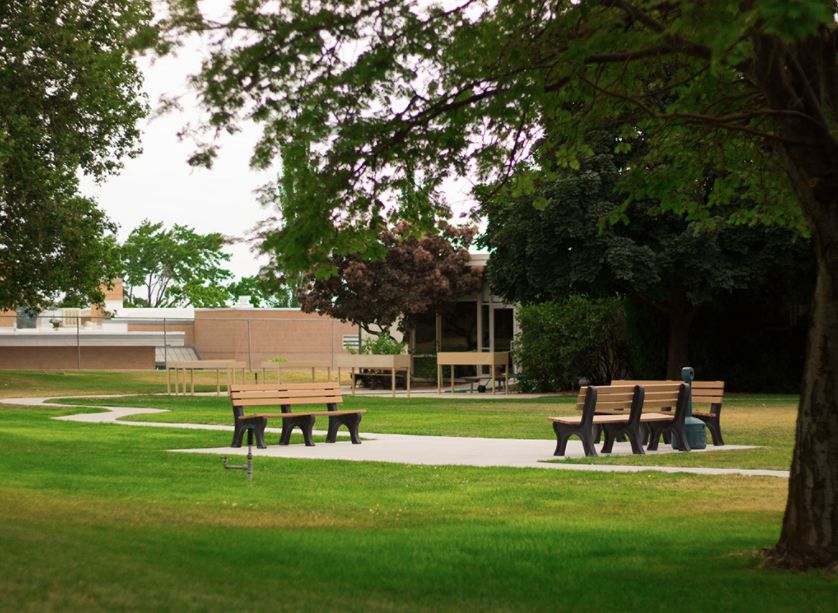
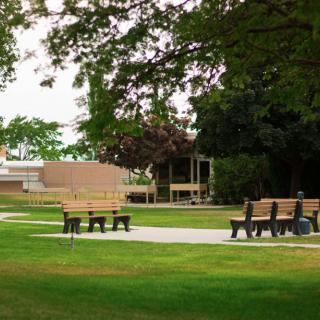
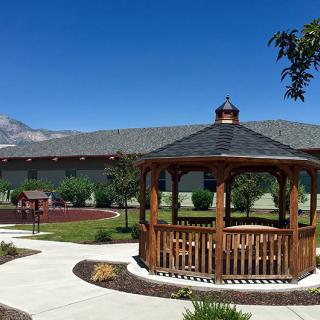
    A peaceful park setting with benches and a pathway surrounded by greenery.
  • Building

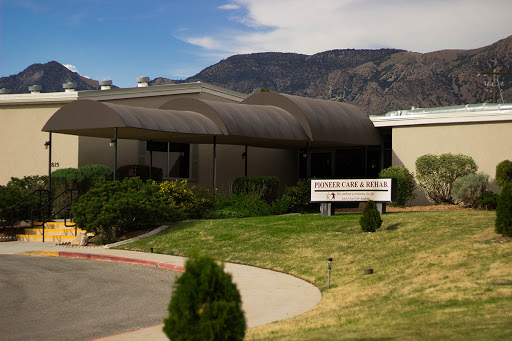
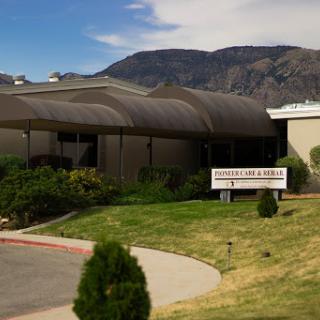
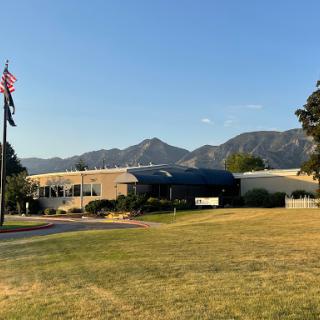
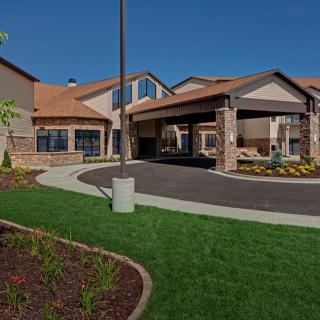
    A modern building set against a backdrop of mountains, featuring well-maintained landscaping and a visible sign.
  • Trees

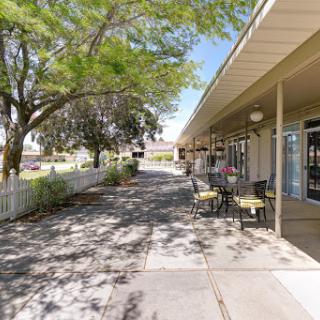
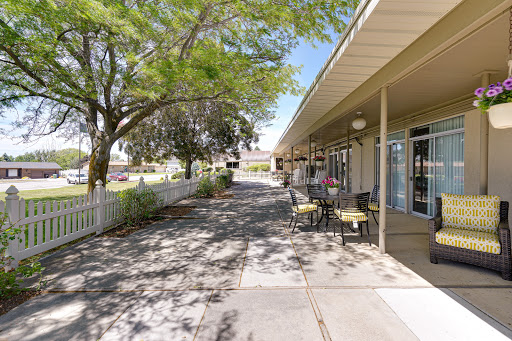
    A serene outdoor walkway lined with trees and chairs, leading to a row of buildings in a sunny atmosphere.
  • Windows

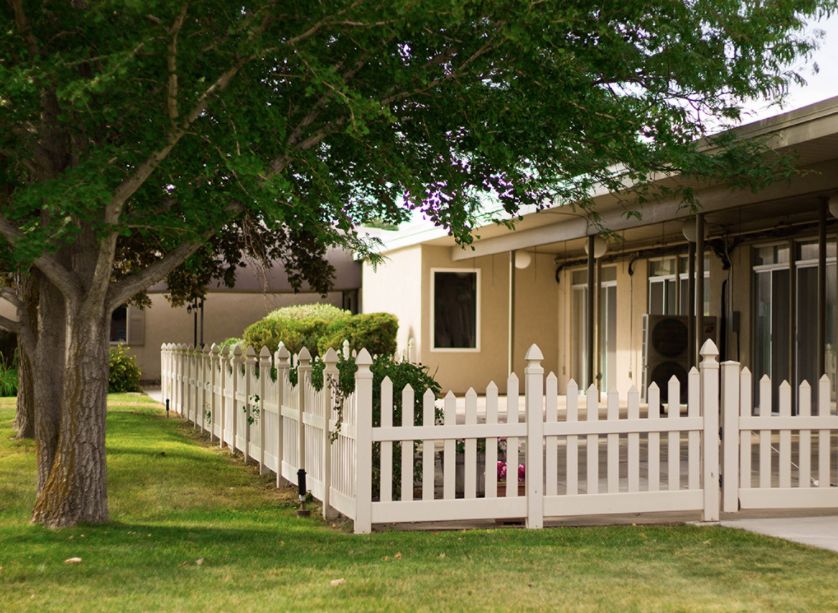
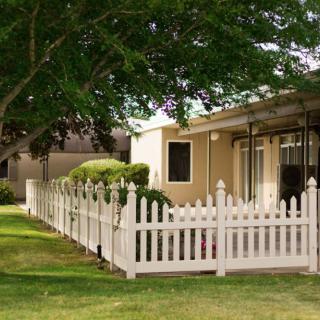
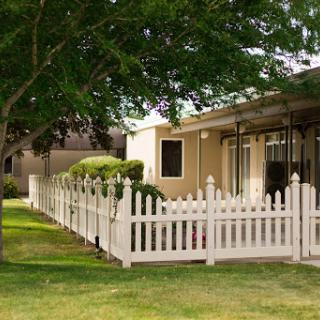
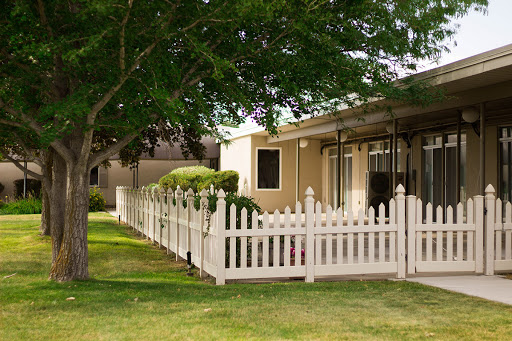
    A house with a white picket fence and a neatly maintained lawn.
  • Landscaping

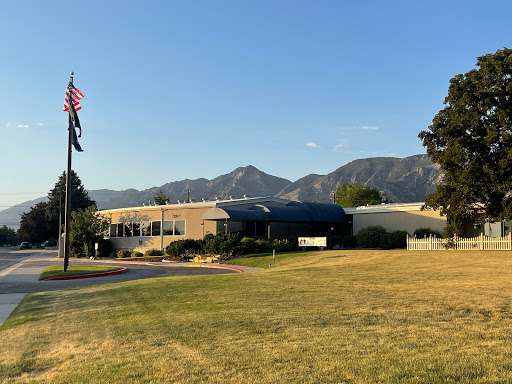
    A clear day showcasing a building with mountains in the background, accompanied by an American flag and a grassy area.
  • Lighting

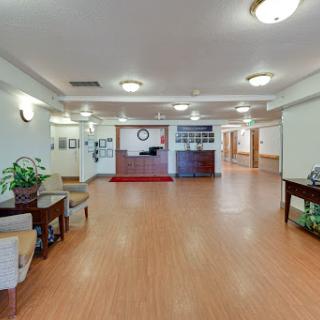
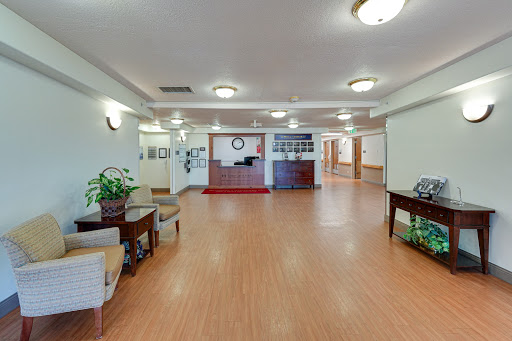
    A spacious and welcoming lobby area featuring comfortable furniture and decorative plants.
  • Seating Area

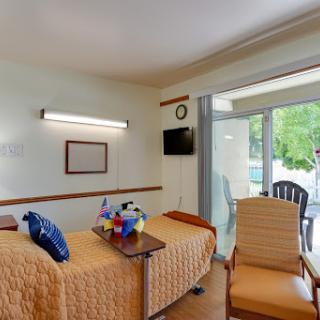
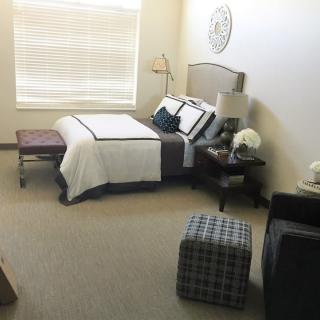
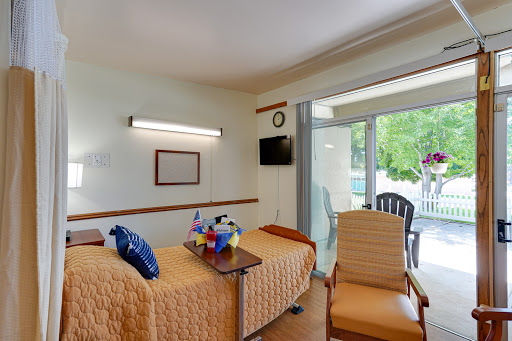
    A bright and comfortable hospital room featuring two beds, a seating area, and access to an outdoor space.
  • Outdoor

    A cozy house with a white picket fence surrounded by lush greenery.
  • Patio

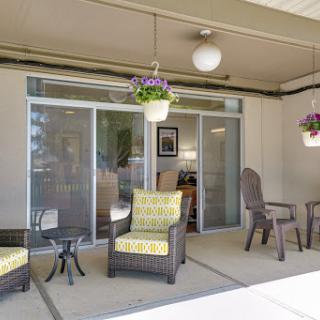
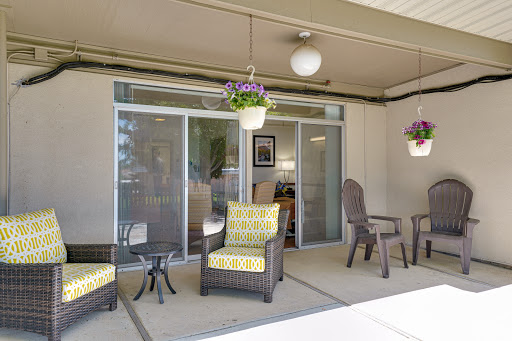
    A cozy outdoor patio area featuring comfortable seating and decorative hanging plants.
  • Television

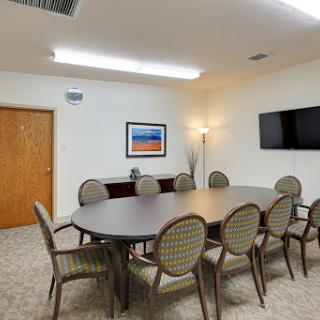
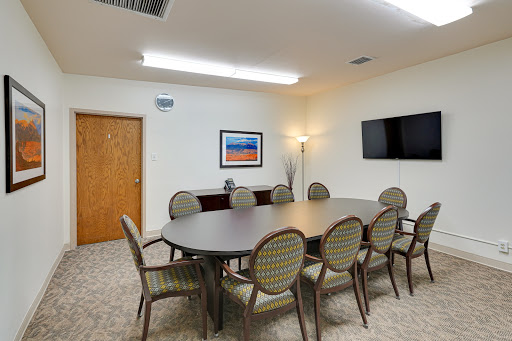
    A well-furnished meeting room featuring a large conference table surrounded by chairs, equipped with wall art and a television.
  • Lobby

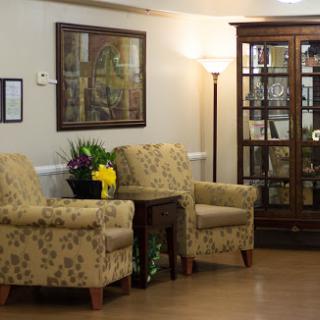
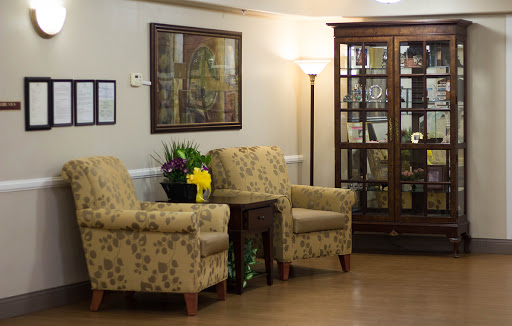
    A cozy and inviting seating area featuring stylish floral-patterned chairs and a display cabinet.

Pioneer Care Center in Brigham City, UT

Information last verified:

815 South 200 West, Brigham City, UT 84302

For more information about senior living options: (844) 490-3973

4.4 from 56 reviews
5 stars
44
4 stars
4
3 stars
1
2 stars
0
1 stars
7

Overall Review of Pioneer Care Center

Pros

  • pro The staff take excellent care of residents and go above and beyond every day.
  • pro The facility is clean and well maintained, creating a comfortable environment.
  • pro The nursing, CNAs, and therapy teams are caring, skilled, and attentive.
  • pro The staff fosters a sense of community and security for residents.
  • pro The meals are good and dietary needs are well managed.
  • pro Activities and programs provide engaging social and mental exercise opportunities.
  • pro Families praise the staff for their kindness and dedication.
  • pro The facility comes highly recommended by families for quality care.

Cons

  • pro The reviewer describes it as the worst place one could take a loved one, with care that was less than one star.
  • pro Staff were hostile and did not want the reviewer there.
  • pro The reviewer was not provided a call button.
  • pro The reviewer alleges neglect and malpractice, including extreme weight loss, forced feeding, and denial of pain medication.
  • pro The facility was short-staffed and failed to meet residents' basic needs.
  • pro There were ongoing building issues such as leaking roofs and pest problems.

Review

Pioneer Care Center in Brigham City is best suited for families seeking a warm, relationship-driven environment where staff consistently engage with residents. The community earns strong praise for compassionate care across long-term living, rehab, and end-of-life settings, with repeated notes about nurses, CNAs, and activity staff who genuinely care and go the extra mile. Residents and families report meaningful daily routines, social programming, and a sense of belonging that turns what can feel like a clinical setting into a home-like atmosphere. Cleanliness and reliable housekeeping reinforce this impression, contributing to a comfortable, lived-in vibe that matters as much as medical oversight. For families prioritizing heartfelt interaction, continuity of care, and staff who treat residents as part of a caring extended family, Pioneer stands out as a practical, well-regarded option in the area.

That said, this facility is not the right fit for everyone. Those who demand consistently rapid responses to call bells, meticulous medication management, or highly structured oversight of complex rehab plans may want to explore alternatives. Several accounts describe slower nurse or aide responses and occasional gaps in meeting basic needs, such as personal care or timely showers. The property’s aging infrastructure also warrants caution: reports of ongoing construction, insulation issues, and nuisance hazards suggest that the physical plant may not match the best of newer facilities. A small but real minority of reviews recount severe dissatisfaction tied to perceived governance or care lapses, underscoring the need for a thorough on-site visit, direct conversation with front-line staff, and a clear, documented care plan before deciding.

The facility’s strongest advantages, its people and programming, often offset its drawbacks, but only when expectations align with reality. The staff are repeatedly described as caring, attentive, and deeply involved in residents’ daily lives, with therapy teams delivering rehab services that residents value. Housekeeping and dining receive steady praise, and the activity slate is said to be engaging, offering cognitive and social opportunities rather than mere supervision. The cleanliness and home-like ambience help residents feel comfortable, while meal quality and dietary flexibility show that nutrition is taken seriously. In short, the relational strengths, staff warmth, meaningful activities, and a respectful atmosphere, can produce meaningful daily improvements for many residents, which matters more than most uniform facility metrics.

Institutional warmth translates into tangible experiences for families and residents alike. Across many accounts, residents feel seen, respected, and connected to their caregivers, with particular emphasis on caregivers who treat everyday moments with kindness and intentionality. The care teams are described as capable and hardworking, and families frequently cite small, daily acts of consideration, brightened days, friendly check-ins, and reliable routine, as core to their loved ones’ well-being. Even when the building shows signs of age, the ongoing investment in staff-resident relationships creates a resilient sense of community. This relational capital often makes Pioneer feel less like a medical facility and more like an extended family that can provide stability during transitions, recoveries, and long-term care.

When deciding, families should verify several practical factors on a visit. First, observe staffing levels during peak times and speak with frontline workers about typical response times and daily routines. Second, review rehab options, PT and OT presence, frequency of sessions, and who monitors progress, to ensure alignment with recovery goals. Third, tour the dining area and question how dietary needs are accommodated, including flexibility for preferred foods and restrictions. Fourth, inspect for windowed patient rooms and overall environmental comfort, since natural light and a pleasing ambiance matter for morale. Finally, request a current, written care plan and a clear escalation path if concerns arise. With these elements in place, Pioneer becomes a robust match for most families prioritizing compassionate, engaged care and a strong sense of community.

In sum, Pioneer Care Center delivers a compelling blend of compassionate, person-centered care and a genuinely welcoming atmosphere. Its standout strength is the staff’s evident dedication and their ability to foster meaningful routines and social engagement that support cognitive and emotional well-being. Potential residents should, however, weigh reported delays in responsiveness and staffing fluctuations against these positives. For families who prize an environment that feels like extended family, where residents are spoken to with warmth and daily rhythms are thoughtfully organized, Pioneer is a highly respectable choice in Brigham City. Those who cannot compromise on immediacy of care, stringent medical oversight, or a newer facility footprint may prefer to evaluate alternatives, making sure to tour, ask pointed questions, and compare care plans side by side. With careful due diligence, Pioneer can be the right home for many, balancing heart, practicality, and dependable daily care.

Features

Housing

  • 72 resident community capacity 72 resident community capacity

Types of Care

  • Skilled Nursing Facility Skilled Nursing FacilitySkilled Nursing Facilities are crucial for seniors as they provide round-the-clock medical care, rehabilitation services, and assistance with daily activities. These facilities ensure that seniors receive the specialized care they need to maintain their health and well-being as they age.

Amenities

  • Air-conditioning Air-conditioningAir conditioning is important for seniors as they are more vulnerable to heat-related illnesses and may have underlying health conditions that make it difficult for them to regulate their body temperature. It helps to keep them comfortable, safe, and healthy in hot weather.
  • Beauty salon Beauty salonBeauty salons are important for seniors because they provide a space for them to feel pampered, socialize, and maintain their personal grooming and hygiene. Regular visits to a beauty salon can help boost seniors' self-esteem and overall well-being.
  • Cable or satellite TV Cable or satellite TVCable or satellite TV is important for seniors because it provides entertainment, news, and companionship, helping to combat loneliness and boredom. It also offers a wide range of programming options tailored to different interests and preferences.
  • Computer center Computer centerA computer center is essential for seniors as it provides access to technology, communication tools, and resources that can enhance their daily lives. It allows them to stay connected with loved ones, engage in online activities, and learn new skills, ultimately promoting socialization and mental stimulation.
  • Dining room Dining roomDining rooms are important for seniors as they provide a space for socialization, connection, and nutritious meals. They offer opportunities for residents to bond over shared meals, foster a sense of community, and promote healthy eating habits. Dining rooms also ensure that seniors have access to well-balanced meals tailored to their dietary needs and preferences.
  • Fitness room Fitness roomHaving a fitness room in a senior living community is essential for seniors to stay active, maintain their physical health, and improve their overall well-being. Regular exercise can help prevent falls, reduce the risk of chronic diseases, and promote mental sharpness. It also provides social opportunities for residents to connect with others and enjoy a sense of community.
  • Fully furnished Fully furnishedFully furnished senior living communities are important for seniors because they provide convenience, comfort, and a hassle-free moving experience. Seniors can easily settle into their new living space without the stress of having to buy and move furniture. This allows them to focus on enjoying their new home and community.
  • Gaming room Gaming roomGaming rooms are important for seniors as they provide a fun and engaging environment for socializing, cognitive stimulation, and physical activity. Games can improve memory, problem-solving skills, and overall mental well-being while fostering friendships and reducing feelings of isolation.
  • Garden GardenGardens are important for seniors as they provide a peaceful and therapeutic environment for relaxation, physical activity, and socialization. Being in nature has been shown to reduce stress, improve mood, and promote overall well-being. Gardens also offer opportunities for seniors to engage in gardening activities, which can improve mobility, flexibility, and cognitive function. Additionally, gardens create a sense of community and connection with others who share a passion for plants and outdoor spaces.
  • Housekeeping services Housekeeping servicesHousekeeping services are important for seniors because they help maintain a clean and safe living environment, promote independence, and reduce the risk of accidents or illnesses. Additionally, having assistance with household chores can alleviate physical strain and allow seniors to focus on other aspects of their well-being.
  • Kitchenette KitchenetteKitchenettes are important for seniors living in senior living communities because they provide the convenience and independence of being able to prepare simple meals and snacks in the comfort of their own living space. This can help promote a sense of autonomy and well-being for seniors, allowing them to maintain some level of control over their dietary choices and daily routines.
  • Move-in coordination Move-in coordinationMove-in coordination is important for seniors because it helps ease the transition into their new living environment. It ensures that all logistics, such as packing, organizing movers, and setting up utilities are taken care of, allowing seniors to focus on settling in and adjusting to their new home. Having a smooth move-in process can alleviate stress and anxiety, making the transition smoother and more enjoyable for seniors.
  • Outdoor space Outdoor spaceOutdoor spaces are important for seniors as they provide opportunities for physical activity, social interaction, exposure to natural light and fresh air, and a sense of connection to nature. Having access to outdoor spaces can improve overall well-being and quality of life for older adults living in senior communities.
  • Private bathrooms Private bathroomsPrivate bathrooms are important for seniors in senior living communities because they provide independence, dignity, and comfort. Having a private bathroom allows seniors to maintain their personal hygiene routines without the need for assistance, promoting a sense of autonomy and privacy. Additionally, private bathrooms help prevent the spread of infections and provide a safe and clean environment for seniors to navigate safely.
  • Restaurant-style dining Restaurant-style diningRestaurant-style dining is important for seniors because it allows them to enjoy delicious, nutritious meals in a social and upscale setting. This enhances their dining experience, promotes healthy eating habits, and fosters socialization with fellow residents, ultimately contributing to their overall well-being and quality of life.
  • Small library Small librarySmall libraries are important for seniors as they provide access to a variety of reading materials, including books, newspapers, and magazines. This can help stimulate their minds, keep them engaged, and provide a sense of community through book clubs and other social activities. Additionally, reading has been shown to improve cognitive function and overall mental well-being in older adults.
  • Telephone TelephoneTelephones are important for seniors as they provide a lifeline for communication with loved ones, emergency services, and healthcare providers. They offer a sense of security and independence, enabling seniors to stay connected and access assistance when needed.
  • Wellness center Wellness centerWellness centers are important for seniors because they offer a variety of programs and services that promote physical, mental, and emotional well-being. These centers provide opportunities for exercise, socialization, education, and relaxation, helping seniors maintain their overall health and quality of life.
  • Wi-Fi/high-speed internet available Wi-Fi/high-speed internet availableWi-Fi/high-speed internet is important for seniors to stay connected with loved ones, access online resources, and participate in virtual activities to combat feelings of loneliness and isolation. It also allows them to easily manage healthcare needs, access entertainment, and engage in lifelong learning opportunities.

Transportation

  • Community operated transportation Community operated transportationCommunity operated transportation is crucial for seniors as it provides them with the means to access essential services, social activities, and medical appointments. It allows seniors to maintain their independence and quality of life by ensuring they can participate in activities outside of their homes. Additionally, community-operated transportation services offer a safe and reliable way for seniors to travel without having to rely on family or friends for assistance.
  • Transportation arrangement Transportation arrangementTransportation arrangements are crucial for seniors as they may face challenges with driving, mobility, or access to public transportation. Having reliable transportation services ensures that seniors can easily attend appointments, social activities, and maintain their independence and quality of life.
  • Transportation arrangement (non-medical) Transportation arrangement (non-medical)Transportation arrangements are essential for seniors as they provide access to essential services, activities, and social interactions outside the home. This service helps maintain independence, mobility, and overall well-being for seniors who may have limited transportation options.
  • Transportation to doctors appointments Transportation to doctors appointmentsTransportation to doctors appointments is crucial for seniors as it ensures they have access to necessary medical care and support, promoting their health and well-being. It allows them to receive timely treatment, monitor existing conditions, and address any new health concerns efficiently. Additionally, transportation services can help seniors maintain their independence and quality of life by enabling them to stay connected with their healthcare providers.

Care Services

  • 12-16 hour nursing 12-16 hour nursing12-16 hour nursing care is crucial for seniors in order to ensure around-the-clock monitoring, timely medication administration, and prompt response to any health concerns or emergencies. This level of care helps to promote the overall well-being and safety of seniors living in senior living communities.
  • 24-hour call system 24-hour call system24-hour call systems are important for seniors because they provide peace of mind and immediate assistance in case of emergencies. This technology ensures that help is always available, promoting safety and security for elderly individuals living alone or in assisted living facilities.
  • 24-hour supervision 24-hour supervision24-hour supervision is important for seniors to ensure their safety, well-being, and access to immediate assistance in case of emergencies or health issues. This constant support provides peace of mind for both seniors and their loved ones, allowing them to age in place with dignity and security.
  • Activities of daily living assistance Activities of daily living assistanceActivities of daily living assistance are important for seniors because they provide essential support with tasks such as eating, bathing, dressing, and mobility. This assistance helps seniors maintain their independence, dignity, and overall quality of life as they age.
  • Assistance with bathing Assistance with bathingAssistance with bathing is crucial for seniors as it helps maintain personal hygiene, prevents infections, and ensures their overall well-being and comfort. It also provides a sense of dignity and independence for seniors who may struggle with this task on their own.
  • Assistance with dressing Assistance with dressingAssistance with dressing is important for seniors because it helps maintain their independence, promotes personal hygiene, prevents accidents and injuries, and improves overall quality of life. This service ensures that seniors can continue to dress comfortably and confidently, despite any physical limitations they may have.
  • Assistance with transfers Assistance with transfersAssistance with transfers is crucial for seniors as it helps prevent falls and injuries, maintains their independence, and ensures they can safely navigate their living environment. It also provides peace of mind for both seniors and their loved ones.
  • Diabetes diet Diabetes dietA diabetes diet is crucial for seniors as it helps manage blood sugar levels, reduce risks of complications, and improve overall health and well-being. By following a balanced and nutritious diet tailored to their specific needs, seniors can better control their diabetes and enhance their quality of life.
  • Meal preparation and service Meal preparation and serviceMeal preparation and service are crucial for seniors as they may have limited mobility or energy to cook nutritious meals. Having access to healthy and convenient food options can ensure they are getting the proper nutrition needed to maintain their overall health and well-being.
  • Medication management Medication managementMedication management is crucial for seniors to ensure they are taking the right medications at the correct dosages and times. This helps prevent adverse drug interactions, reduces the risk of medication errors, and promotes overall health and well-being. Proactive management also allows for adjustments as needed based on changing health conditions or new prescriptions.
  • Mental wellness program Mental wellness programMental wellness programs are essential for seniors as they promote cognitive stimulation, emotional support, and social engagement. These programs help prevent isolation, depression, and cognitive decline, ultimately enhancing the overall quality of life for older adults.
  • Special dietary restrictions Special dietary restrictionsSpecial dietary restrictions are important for seniors because age-related changes in metabolism and health conditions can make it difficult for their bodies to process certain foods. By following a diet tailored to their specific needs, seniors can maintain their overall health and well-being, manage chronic conditions, and reduce the risk of complications such as malnutrition or food interactions with medications.
  • Transportation to doctors appointments Transportation to doctors appointmentsTransportation to doctors appointments is crucial for seniors as it ensures they have access to necessary medical care and support, promoting their health and well-being. It allows them to receive timely treatment, monitor existing conditions, and address any new health concerns efficiently. Additionally, transportation services can help seniors maintain their independence and quality of life by enabling them to stay connected with their healthcare providers.

Dining

  • Diabetes diet Diabetes dietA diabetes diet is crucial for seniors as it helps manage blood sugar levels, reduce risks of complications, and improve overall health and well-being. By following a balanced and nutritious diet tailored to their specific needs, seniors can better control their diabetes and enhance their quality of life.
  • Special dietary restrictions Special dietary restrictionsSpecial dietary restrictions are important for seniors because age-related changes in metabolism and health conditions can make it difficult for their bodies to process certain foods. By following a diet tailored to their specific needs, seniors can maintain their overall health and well-being, manage chronic conditions, and reduce the risk of complications such as malnutrition or food interactions with medications.

Activities

  • Community-sponsored activities Community-sponsored activitiesCommunity-sponsored activities are important for seniors as they provide opportunities for social interaction, mental stimulation, and physical activity. These activities can help improve overall well-being, combat loneliness and isolation, and promote a sense of belonging and purpose among older adults.
  • Concierge services Concierge servicesConcierge services are essential for seniors as they provide assistance with daily tasks and errands, enhance their quality of life by offering convenience and personalized care, and promote a sense of safety and security.
  • Fitness programs Fitness programsFitness programs are crucial for seniors as they help improve strength, flexibility, balance, and overall well-being. Staying active can reduce the risk of chronic diseases, improve mental health, and enhance quality of life in older adults.
  • Planned day trips Planned day tripsPlanned day trips are important for seniors because they offer opportunities for socialization, mental stimulation, and physical activity. They provide a change of scenery and help seniors stay engaged and connected to their community, promoting overall well-being and quality of life.
  • Resident-run activities Resident-run activitiesResident-run activities are important for seniors as they encourage social interaction, creativity, and a sense of autonomy. These activities empower seniors to stay engaged and active in their community while fostering meaningful connections with their peers.
  • Scheduled daily activities Scheduled daily activitiesScheduled daily activities are important for seniors because they provide structure, socialization, mental stimulation, and physical activity. Engaging in regular activities can improve overall well-being and quality of life for seniors living in a community setting.

Description

The Pioneer Care Center in Brigham City, UT is an assisted living community that offers a wide range of amenities and care services to enhance the quality of life for its residents.

Residents can enjoy the convenience of an on-site beauty salon, where they can receive professional hair and beauty services. Cable or satellite TV is available in each resident's room to ensure entertainment options are readily accessible.

Community operated transportation is provided to help residents get around town easily and participate in various activities. There is also a computer center for residents to stay connected with loved ones and engage in online activities.

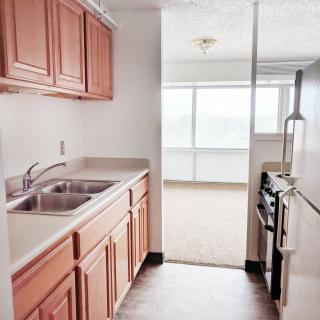
Meals are served in a spacious dining room, offering restaurant-style dining experiences. Special dietary restrictions can be accommodated to ensure residents' specific needs are met. Additionally, kitchenettes are available for those who prefer to prepare their own meals.

The Pioneer Care Center boasts several recreational spaces including a gaming room, fitness room, garden, outdoor space, and small library. Residents can engage in social activities with fellow residents or relax in serene environments.

Housekeeping services are provided regularly to maintain clean and comfortable living spaces. Move-in coordination assistance is available to ensure a smooth transition into the community.

For transportation needs beyond non-medical appointments, arrangements can be made. The community has proximity to cafes, parks, pharmacies, physicians' offices, restaurants, places of worship, theaters, and hospitals for added convenience.

Care services at Pioneer Care Center include 24-hour call systems and supervision to ensure resident safety. Assistance with daily activities such as bathing, dressing, and transfers is readily available. Medication management and meal preparation services are also provided. A mental wellness program caters specifically to the emotional well-being of residents.

Overall, Pioneer Care Center offers a vibrant assisted living community where residents can enjoy various amenities while receiving personalized care services tailored to their individual needs. With a range of nearby amenities and easy access to medical facilities and transportation options, residents have everything they need to lead a fulfilling and comfortable lifestyle.

Nearby Places of Interest

Restaurants

  • Arby's (0.1 miles)
  • J & D's Family Restaurant (0.1 miles)
  • Little Caesars Pizza (0.1 miles)
  • El Toro Viejo Restaurant (0.1 miles)
  • Wendy's (0.1 miles)
  • Hunan Village (0.1 miles)
  • Firehouse Pizzeria (0.2 miles)

Physicians

  • Hearing Zone (0.1 miles)
  • Brigham Medical Clinic (0.4 miles)
  • MountainStar Medical Group-Brigham City (0.5 miles)
  • Brigham Eye Specialists (0.5 miles)
  • Sumko Michael H DO Sumko Bitner Orthopaedic (0.5 miles)
  • Sumko Orthopedic And Sports Medicine (0.5 miles)
  • McArthur, Nathan (0.5 miles)

Pharmacies

  • Shopko Brigham City Pharmacy (0.2 miles)
  • Brigham Community Pharmacy (0.5 miles)
  • Walmart Pharmacy (0.8 miles)
  • Smith's Food & Drug (0.8 miles)
  • Lee's Marketplace (13.2 miles)
  • Kent's Market (13.4 miles)
  • Walgreens (13.4 miles)

Places of Worship

  • St Michael's Episcopal Church (0.4 miles)
  • Victory First Assembly of God (0.6 miles)
  • Community Preschool (0.7 miles)
  • Box Elder Stake Tabernacle (0.7 miles)
  • Church of Jesus Christ of Latter Day Saints (0.8 miles)
  • Church of Jesus Christ of Latter Day Saints (1.1 miles)
  • Sacred Groves: Encounters with the Living Jesus (1.2 miles)

Hospitals

  • Brigham City Community Hospital (0.5 miles)
  • Pleasant View Dialysis Center (12.9 miles)

Cafes

  • Buzzbru Coffee & More (0.7 miles)
  • Starbucks (0.8 miles)
  • Idle Isle Cafe (1 miles)
  • Starbucks (13.5 miles)

Theaters

  • Walker Cinemas (1.2 miles)

Transportation

  • Union Pacific Railroad Co. (1.2 miles)
  • U-Haul (1.3 miles)
  • Mountain Air Flying Service (4.1 miles)
  • Brigham City Airport (4.3 miles)

Parks

  • Perry Park (2.2 miles)
  • John Adams Park (4.8 miles)
  • Hyrum State Park (12.1 miles)
  • Hyrum Reservoir (12.2 miles)
  • Harrisville City Park (14.6 miles)
  • Dweyville Park (15.1 miles)

Frequently Asked Questions

Where is Pioneer Care Center?
What photos are available for Pioneer Care Center in Brigham City, Utah?

Nearby Communities

  • Alis Angels

    Alis Angels

    Brigham City, UT

    4 from 4 reviews
     

    pro Cozy, homelike setting with 24/7 supervision, restaurant-style dining, and ADL support.
  • Mission At Maple Springs

    Mission At Maple Springs

    Brigham, UT

    3.9 from 23 reviews
     

    pro Small, personalized assisted living community with comprehensive care services and on-site amenities.

  • Country Lane Retirement and Care Center

    Country Lane Retirement and Care Center

    Brigham City, UT

    1 from 2 reviews
    $1,375 to $2,178 / month

    pro Clean, well-maintained environment with dedicated staff and openness to improving dining options.

  • The Gables Of Brigham City

    The Gables Of Brigham City

    Brigham City, UT

    5 from 2 reviews
    $3,200 to $3,700 / month

    pro Compassionate staff and a clean, welcoming environment.

  • Maple Springs

    Maple Springs

    Brigham City, UT

    4.7 from 22 reviews
    $2,550 to $3,400 / month

    pro Friendly staff, clean facility, and good dining/activities.

  • Beehive Homes of Perry

    Beehive Homes of Perry

    Perry, UT

    4.8 from 14 reviews
    $3,200 / month

    pro Clean, welcoming atmosphere with friendly staff and regular activities and outings.

  • George E. Wahlen Ogden Veterans Home

    George E. Wahlen Ogden Veterans Home

    Ogden, UT

    4.6 from 107 reviews
     

    pro Friendly staff, delicious meals, clean, comfortable rooms, and affordable veteran-focused care.

  • Our House Of Ogden

    Our House Of Ogden

    Ogden, UT

    4.8 from 96 reviews
    $2,995 to $4,200 / month

    pro Responsive, compassionate staff; clean, home-like setting with engaging activities.

  • Fellowship Manor

    Fellowship Manor

    Ogden, UT

    2.8 from 18 reviews
    $730 to $890 / month

    pro Affordable rent with caring staff and pleasant views.

Skilled Nursing Facility in Nearby Cities

Related Resources

  • best dog for seniorsTop Canine Companions for Older Adults

    Dogs can greatly improve the lives of older adults by offering emotional support and encouraging physical activity, with factors such as size, temperament, and grooming needs being crucial in selecting a suitable breed. Senior dogs often make ideal companions for this demographic, promoting social connections and requiring care routines that align with seniors' capabilities.

  • elderly blood pressure chartComprehensive Guide to Blood Pressure Charts for Older Adults: Understanding Normal and High Readings by Age

    The guide on blood pressure charts for older adults stresses the importance of understanding normal and high blood pressure readings influenced by age, genetics, and lifestyle, while emphasizing regular monitoring and lifestyle modifications to prevent serious health issues. It provides insights into blood pressure categories, dietary recommendations, medication considerations, and the role of caregivers in supporting healthy habits.

  • how to pay for nursing home care with social securityFinancing Long-Term Nursing Home Care Through Social Security: A Thorough Exploration
    The article explores the complexities of using Social Security to finance long-term nursing home care in the U.S., detailing eligibility requirements and misconceptions, while emphasizing that these benefits often do not cover full costs and highlighting the need for strategic financial planning and professional guidance.