For more information about senior living options: (866) 208-4318
3.8 from 24 reviews
5 stars
15
4 stars
1
3 stars
2
2 stars
1
1 stars
5
Overall Review of Mission At Maple Springs
differentiator3 reviews mention this
Restaurant-style dining stands out
Dining is a frequent bright spot, with residents describing food they enjoy.
Several residents specifically call out good meals and food that tastes good. The community also offers restaurant-style dining, which aligns with those meal-focused comments. One resident even mentions self-serve soda and coffee in the building, reinforcing that mealtimes and refreshment are part of the everyday experience.
common5 reviews mention this
Skilled therapy gets praise
Physical therapy is consistently described as effective and well run.
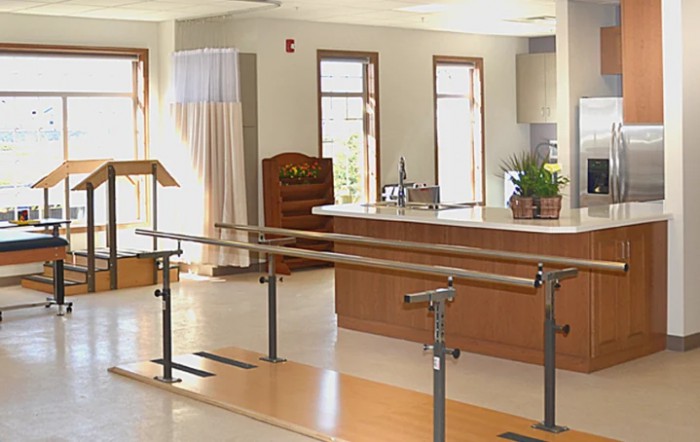
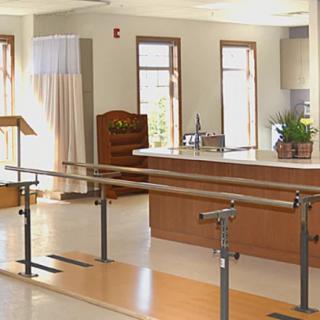
Residents describe receiving effective therapy and highlight strong support from the PT team. More than one person points to the therapy setup, including a therapy gym they consider top of the line. Even among mixed reviews, therapy is still referenced as part of the initial care experience.
common14 reviews mention this
Caring staff and attentive help
Residents and families repeatedly describe staff who are kind and attentive.
Across many reviews, residents and families say staff treat people with kindness and take time to respond to needs. Multiple reviewers mention aides and nursing staff who are interactive during daily care, along with frequent check-ins. There are also reviews describing staff communication and involvement, including keeping families informed and supporting decision-making.
caveat2 reviews mention this
Call response and basics slip
Some residents report delays with call-bell response and daily basics.
While one review highlights quick responses to call lights, others describe longer waits for help. A separate negative review also raises concerns about cleaning and not getting breakfast on time, and another mentions being left stranded in the bathroom. Together, these comments suggest that getting timely day-to-day assistance can vary by situation.
common4 reviews mention this
Common spaces and movie theater
Residents like the building spaces, including a movie theater area.
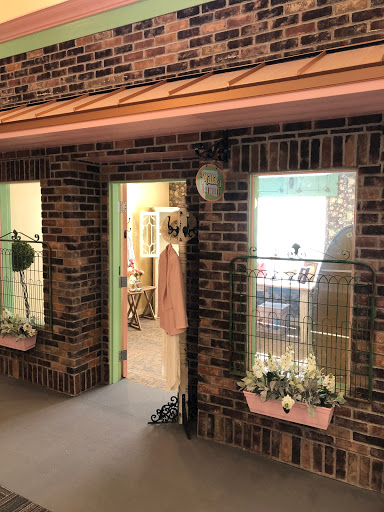
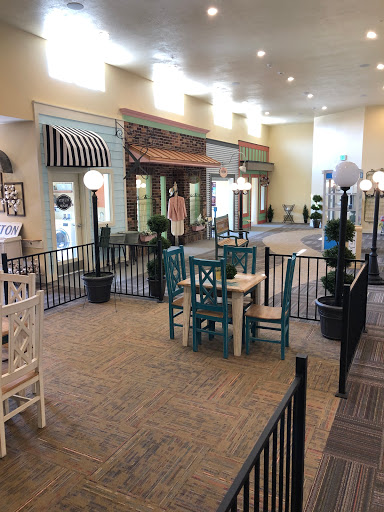
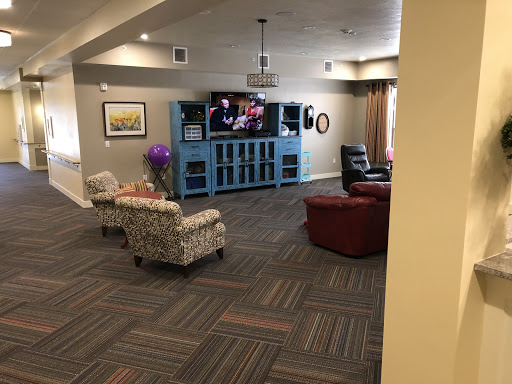
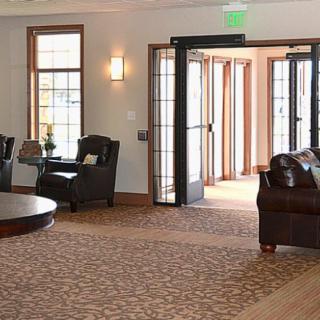
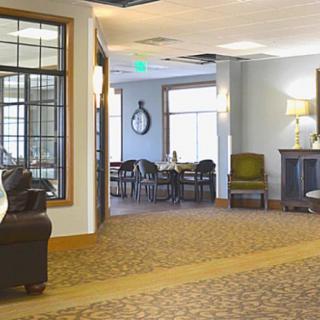
Several reviews describe the facility as well kept with spaces that feel welcoming for families and day-to-day living. A movie theater is mentioned in more than one review, along with a calm atmosphere. Residents also describe meaningful activities as part of daily life, not just a one-time event.
How we summarize
Counts show how many written reviews mention each theme; a review can touch several themes, and only frequently mentioned themes are displayed.
Features
Housing
38 resident community capacity
Types of Care
Skilled Nursing Facility
Amenities
Beauty salon
Cable or satellite TV
Dining room
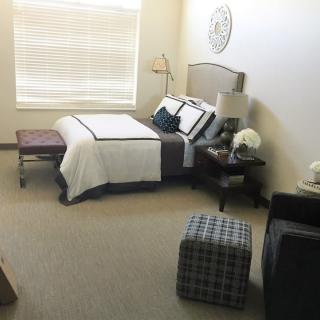
Fully furnished
Garden
Housekeeping services
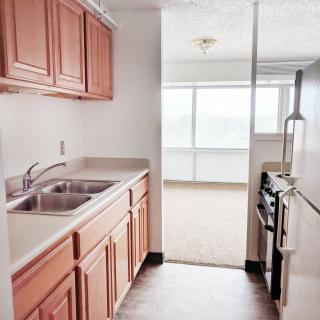
Kitchenette
Move-in coordination
Outdoor space
Restaurant-style dining
Small library
Telephone
Wi-Fi/high-speed internet available
Care Services
24-hour call system
24-hour supervision
Activities of daily living assistance
Assistance with bathing
Assistance with dressing
Assistance with transfers
Diabetes diet
Meal preparation and service
Medication management
Mental wellness program
Special dietary restrictions
Dining
Diabetes diet
Special dietary restrictions
Activities
Community-sponsored activities
Resident-run activities
Scheduled daily activities
Nearby Places of Interest
Physicians
Sumko Michael H DO Sumko Bitner Orthopaedic (0 miles)
Sumko Orthopedic And Sports Medicine (0 miles)
Brigham Eye Specialists (0 miles)
Brigham City Woman's Center (0.1 miles)
Alpine Orthopaedic Specialists (0.1 miles)
Matthew F Bitner (0.1 miles)
Perry Family Medicine (0.1 miles)
Pharmacies
Brigham Community Pharmacy (0 miles)
Walmart Pharmacy (0.4 miles)
Shopko Brigham City Pharmacy (0.7 miles)
Smith's Food & Drug (1.3 miles)
Lee's Marketplace (12.9 miles)
Kent's Market (13 miles)
Walgreens (13.1 miles)
Hospitals
Brigham City Community Hospital (0.1 miles)
Pleasant View Dialysis Center (12.6 miles)
Restaurants
Old Grist Mill (0.2 miles)
Wingers (0.3 miles)
Fiiz Drinks (0.4 miles)
Crumbl Cookies (0.4 miles)
Floriberto's Mexican Food (0.5 miles)
McDonald's (0.5 miles)
Burger King (0.5 miles)
Cafes
Buzzbru Coffee & More (0.3 miles)
Starbucks (1.3 miles)
Idle Isle Cafe (1.5 miles)
Starbucks (13.3 miles)
Theaters
Walker Cinemas (0.8 miles)
Places of Worship
St Michael's Episcopal Church (0.9 miles)
Victory First Assembly of God (1.1 miles)
Community Preschool (1.2 miles)
Box Elder Stake Tabernacle (1.2 miles)
Church of Jesus Christ of Latter Day Saints (1.2 miles)
Church of Jesus Christ of Latter Day Saints (1.4 miles)
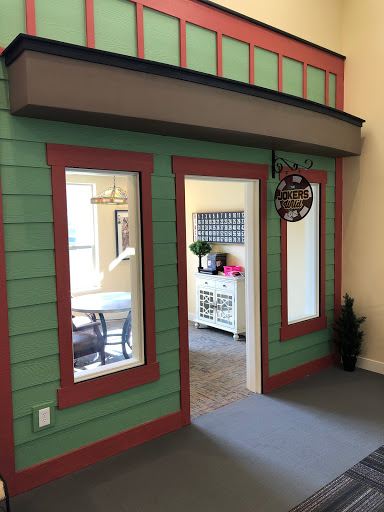
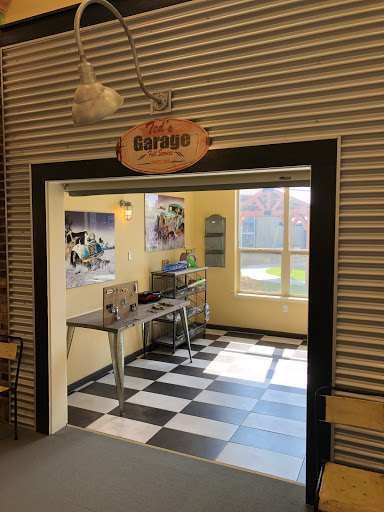
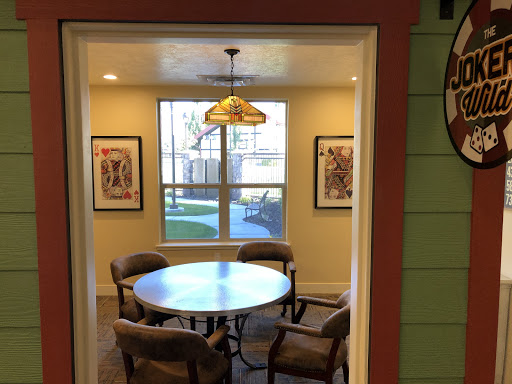
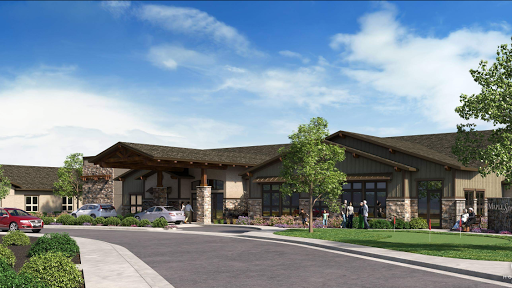
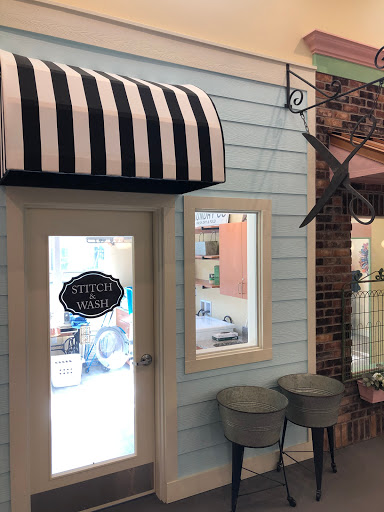
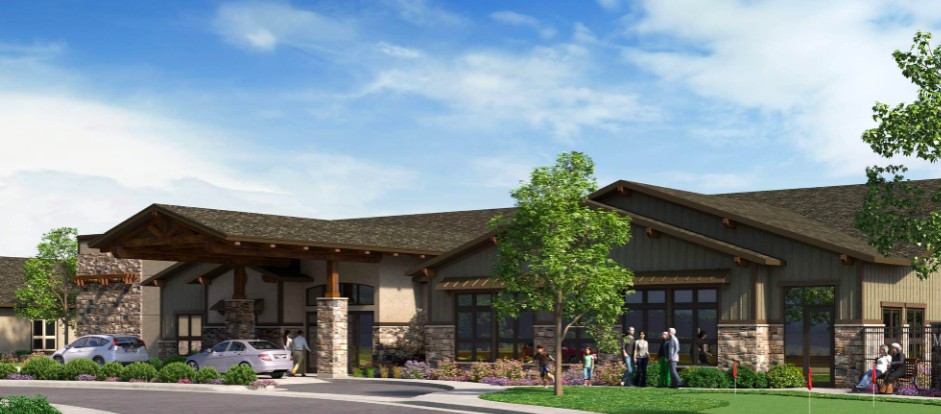
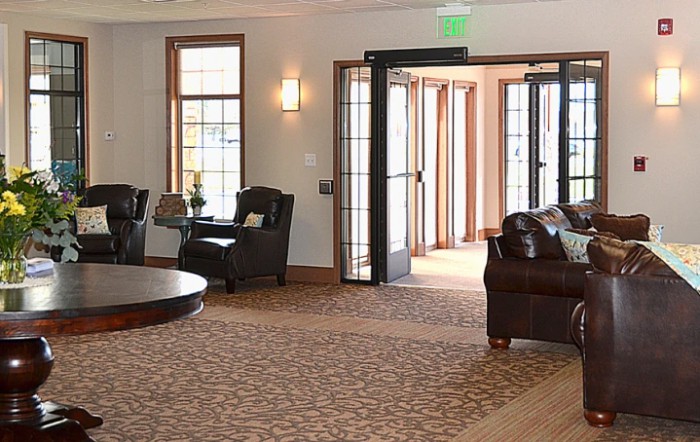
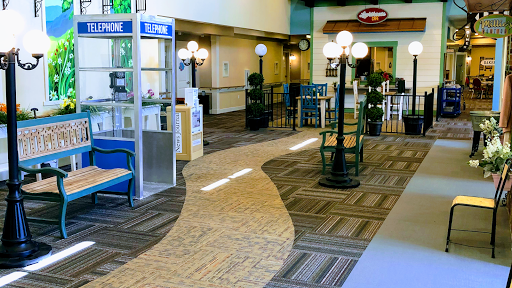
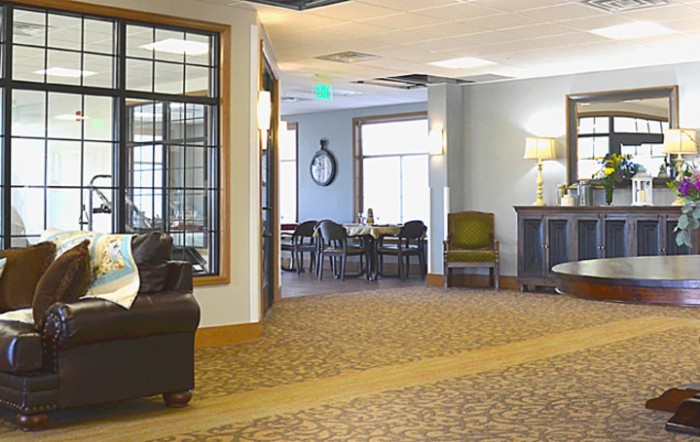
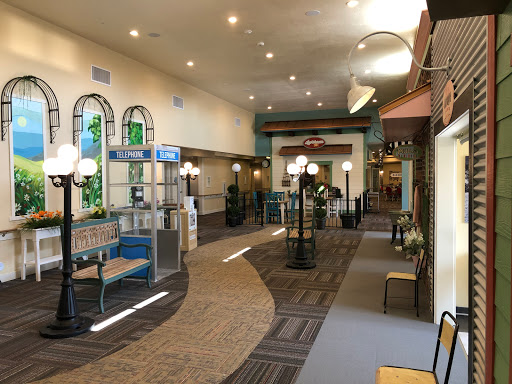
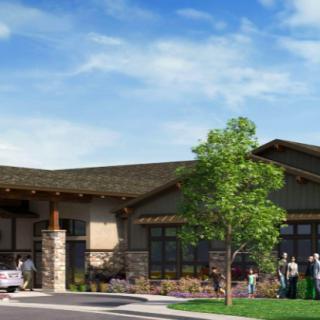
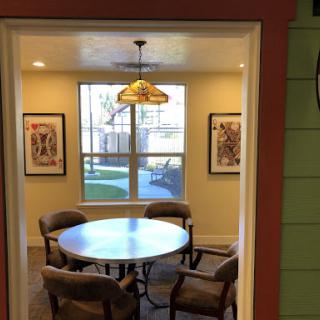
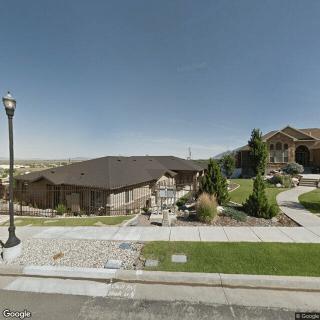
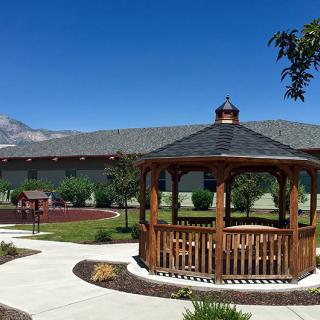
Mission At Maple Springs on seniors.fyi includes 14 photos including images showing interior, windows, seating area, building, architecture, lobby, lighting, landscaping, and more.
Nearby Communities
Maple Springs
Brigham City, UT
4.7 from 22 reviews
$2,550 to $3,400 / month
Friendly staff, clean facility, and good dining/activities.
The Gables Of Brigham City
Brigham City, UT
5 from 2 reviews
$3,200 to $3,700 / month
Compassionate staff and a clean, welcoming environment.
Country Lane Retirement and Care Center
Brigham City, UT
1 from 2 reviews
$1,375 to $2,178 / month
Clean, well-maintained environment with dedicated staff and openness to improving dining options.
Alis Angels
Brigham City, UT
4 from 4 reviews
Cozy, homelike setting with 24/7 supervision, restaurant-style dining, and ADL support.
Pioneer Care Center
Brigham City, UT
4.4 from 63 reviews
Engaged, attentive staff in a clean facility with active resident programming.
Beehive Homes of Perry
Perry, UT
4.8 from 14 reviews
$3,200 / month
Clean, welcoming atmosphere with friendly staff and regular activities and outings.
Skilled nursing facilities (SNFs) provide high-level medical care and rehabilitation for short-term recovery, typically covered by Medicare after hospitalization, while nursing homes focus on ongoing custodial care for chronic conditions, mainly funded by Medicaid or private payments. The staffing and regulatory structures differ significantly between the two, necessitating clarity for families in choosing appropriate long-term care options.
Nursing home care costs in the U.S. vary significantly based on location, level of care, and amenities, with private room prices ranging from approximately $6,700 to over $30,000 monthly. Families need to explore various payment options and conduct thorough research to manage these expenses effectively.
Nonmedical home care provides assistance with daily activities and companionship for individuals wishing to maintain independence and quality of life at home, without medical intervention. Its growing popularity is driven by an aging population, the need for supportive environments for recovery, and the emotional benefits of caregiver companionship, while costs vary based on service frequency and location.
Exercise Equipment, Rehabilitation, and Physical Therapy
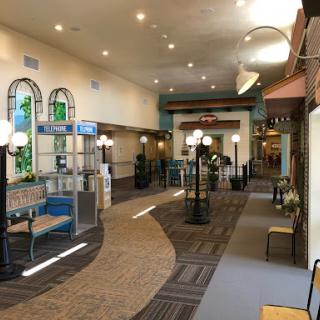
Pathway and Lights
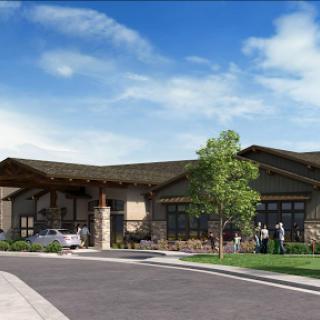
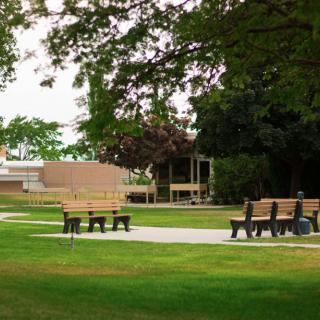
Exterior and Outdoor Space
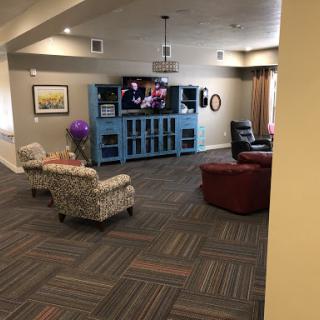
Seating and Hallway
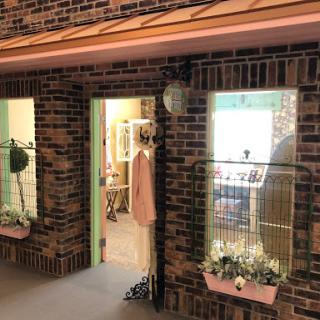
Doors
Get PricingAsk A QuestionSchedule A TourContact Senior Advisor
By clicking submit, you agree to our Partner's Terms of Use. You
also consent to receive calls and texts, which may be autodialed, from our Partner. Your consent is not a condition to
using our Partner's service. Please visit our Partner's Privacy Policy for information about their privacy practices.

 38 resident community capacity
 Skilled Nursing Facility
 Beauty salon
 Cable or satellite TV
 Dining room
 Fully furnished
 Garden
 Housekeeping services
 Kitchenette
 Move-in coordination
 Outdoor space
 Restaurant-style dining
 Small library
 Telephone
 Wi-Fi/high-speed internet available
 24-hour call system
 Activities of daily living assistance
 Assistance with bathing
 Assistance with dressing
 Assistance with transfers
 Diabetes diet
 Medication management
 Mental wellness program
 Special dietary restrictions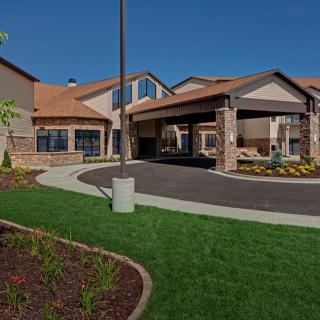
 Friendly staff, clean facility, and good dining/activities.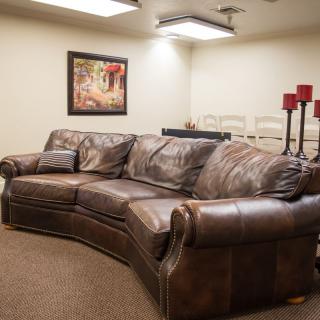

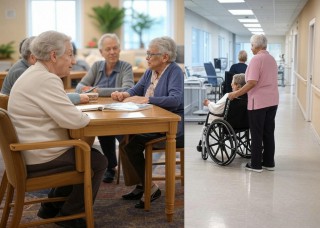 Skilled Nursing Facilities vs. Nursing Homes: Making Sense of the Differences
 A Detailed Examination of Nursing Home Costs Across the U.S.
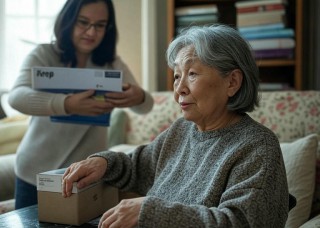 Exploring Nonmedical Home Care: Understanding Services, Costs, and Financial Approaches