Overall Review of George E. Wahlen Ogden Veterans Home
common4 reviews mention this
Staff are consistently caring
Residents and families repeatedly describe attentive, respectful care from the staff.
Many reviewers say the nurses and caregivers take time to get to know residents and respond quickly when needs come up. Families also mention ongoing communication, including being kept involved and informed about care and medication adjustments. Several reviews describe staff treating residents and families with respect and compassion, including during difficult transitions and end-of-life care.
common3 reviews mention this
Clean facilities and strong safety
Reviewers frequently mention the building is kept clean and feels well cared for.
Multiple reviews highlight cleanliness and describe the facility as organized and well maintained. One reviewer contrasts the site favorably against other local assisted care facilities, citing better overall cleanliness. Other families also mention keeping residents comfortable and safe, including during challenging periods like the COVID-19 pandemic.
caveat3 reviews mention this
Food quality is a mixed point
Dining draws both compliments and serious concerns from different reviewers.
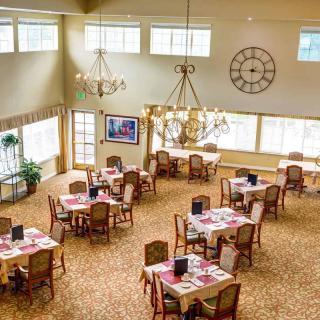
Several reviewers say the food is very good, with special diets handled and staff working with residents on meal requests. Others mention restaurant-style dining as part of a better dining experience. At the same time, at least one memory-care-related review is sharply negative about food quality and kitchen practices, so experiences are not fully consistent.
common3 reviews mention this
Activities and transportation help
Residents are described as having plenty to do, with help getting around.
Reviewers describe a steady schedule of activities and recreation, including day programs and resident-run or planned events. Several comments also connect day-to-day quality with support services, such as therapy programs and help coordinating needs. Transportation-related help is also mentioned, including dependable associates supporting residents’ needs.
caveat3 reviews mention this
Memory care receives major warnings
Some reviewers warn of problems with memory care training and management.
There are multiple negative reviews that focus specifically on memory care, including concerns about staffing and training. One review alleges poor memory-care management and medication-related outcomes, while another advises families to take a different option for dementia care. A separate memory-related concern also criticizes food quality for residents in that setting, reinforcing that not all experiences are the same across care needs.
How we summarize
Counts show how many written reviews mention each theme; a review can touch several themes, and only frequently mentioned themes are displayed.
Features
Housing
120 resident community capacity
Types of Care
Memory Care
Skilled Nursing Facility
Amenities
Air-conditioning
Beauty salon
Cable or satellite TV
Computer center
Dining room
Fitness room
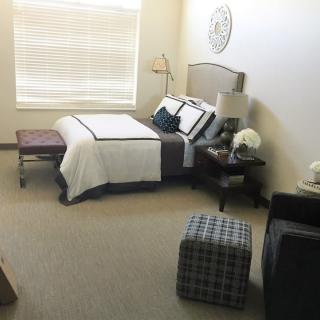
Fully furnished
Gaming room
Garden
Housekeeping services
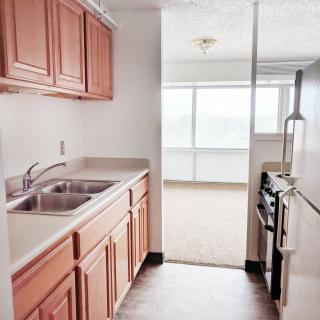
Kitchenette
Move-in coordination
Outdoor space
Private bathrooms
Restaurant-style dining
Small library
Telephone
Wellness center
Wi-Fi/high-speed internet available
Transportation
Community operated transportation
Transportation arrangement
Transportation arrangement (non-medical)
Transportation to doctors appointments
Care Services
12-16 hour nursing
24-hour call system
24-hour supervision
Activities of daily living assistance
Assistance with bathing
Assistance with dressing
Assistance with transfers
Diabetes diet
Meal preparation and service
Medication management
Mental wellness program
Mild cognitive impairment
Special dietary restrictions
Specialized memory care programming
Transportation to doctors appointments
Dining
Diabetes diet
Special dietary restrictions
Activities
Community-sponsored activities
Concierge services
Fitness programs
Planned day trips
Resident-run activities
Scheduled daily activities
Nearby Places of Interest
This area of Ogden, Utah, offers a variety of amenities that may be appealing for senior living. With several medical facilities nearby, including physicians' offices and pharmacies, residents have easy access to healthcare services. There are also several parks in the vicinity for recreational activities and relaxation. In terms of dining options, there is a mix of casual eateries such as Chili's Grill & Bar and Ruan Thai Restaurant within a short distance. Additionally, there are cafes like Starbucks for social gatherings or quiet moments. This neighborhood also offers places of worship for spiritual support and transportation options like Avis Rent A Car and the Roy Frontrunner Station for convenient travel. Overall, this area provides a mix of essential services and leisure activities that could enhance the quality of life for seniors looking to settle in Ogden.
Physicians
Fresenius Medical Care (0.8 miles)
Mountain Vista Dental Care - Daniel McConkie, DDS (1.7 miles)
Darek Eggleston, DO | Utah Family Practice Physician (2.1 miles)
Ogden Clinic (2.1 miles)
Van Christiansen, MD | Utah Family Medicine Physician (2.1 miles)
The features offered at George E. Wahlen Ogden Veterans Home are specifically tailored to enhance the quality of life for residents coping with dementia or Alzheimer's disease. Assistance with dressing and bathing ensures that residents maintain personal hygiene and dignity, while meal preparation and service provide nutritious meals in a structured environment, critical for those with dietary restrictions or cognitive challenges. Medication management is essential for ensuring compliance with treatment regimens, reducing the risk of medication errors that can exacerbate health issues. Activities of daily living assistance supports engagement in routine tasks, fostering independence and maintaining cognitive function. The 24-hour supervision provides safety and reassurance, allowing staff to monitor any changes in behavior or health promptly. Additionally, programs focused on mental wellness and specialized memory care programming are designed to stimulate cognitive function and promote social interaction, empowering residents to connect meaningfully with their surroundings even as they navigate the difficulties posed by mild cognitive impairment or advanced stages of dementia.
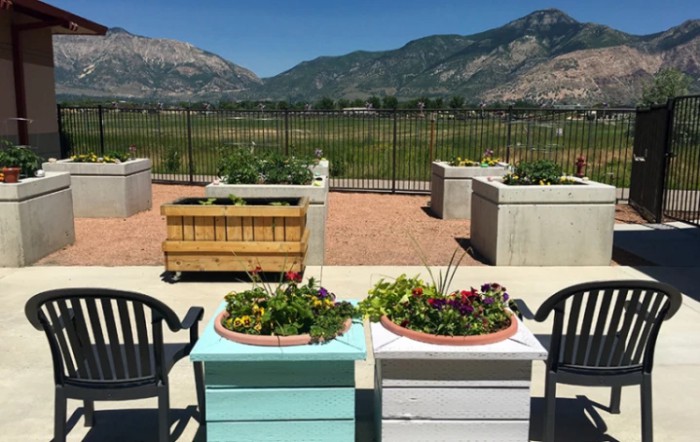
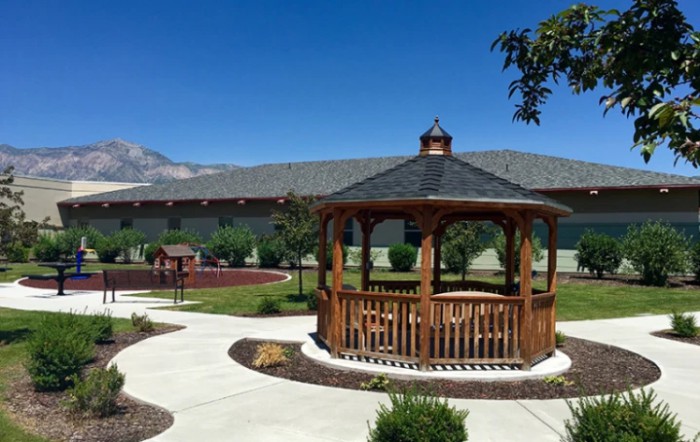
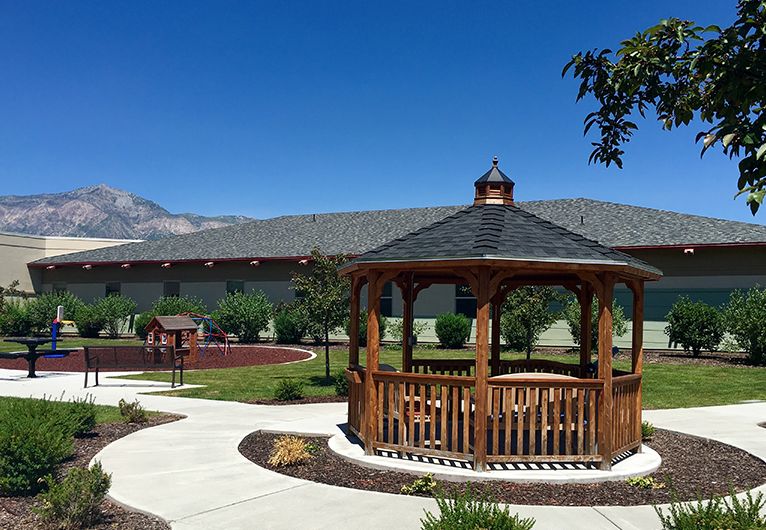
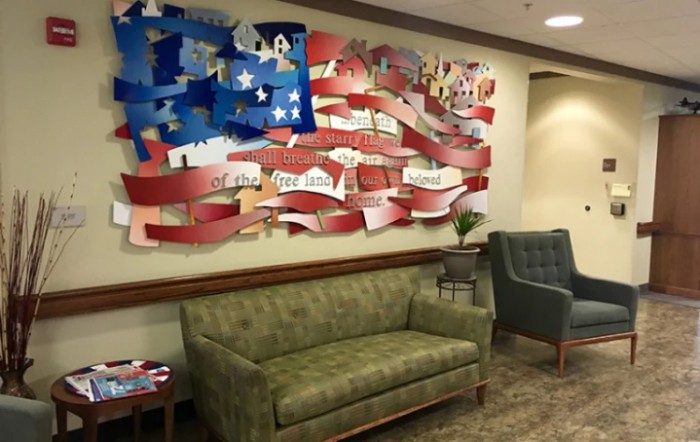
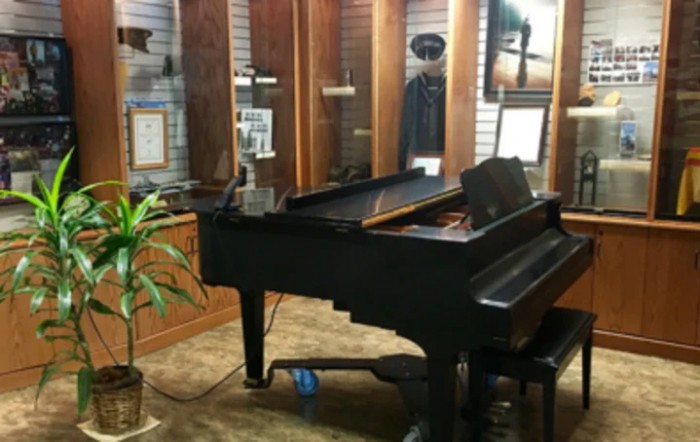
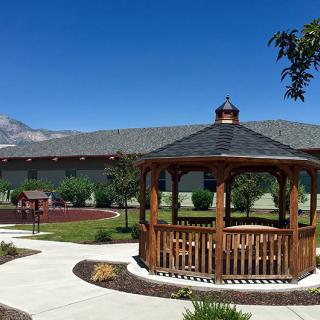
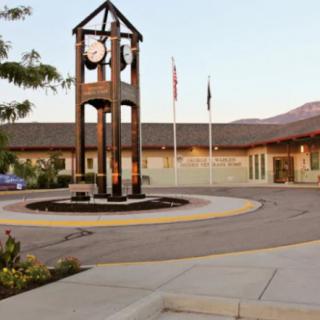
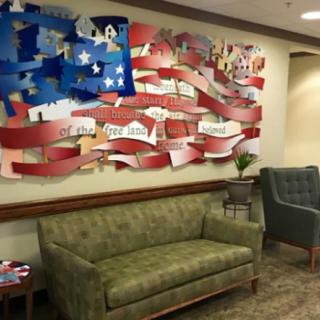
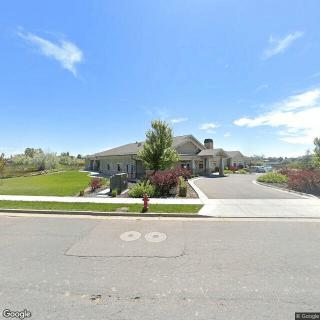
George E. Wahlen Ogden Veterans Home on seniors.fyi includes 8 photos including images showing garden, landscaping, outdoor, outdoors, flag, architecture, gazebo, trees, and more.
Nearby Communities
Memory Lane Care Home
Farr West, UT
4.8 from 114 reviews
$7,000 / month
Private furnished rooms with 24/7 supervision, meals, and an active program.
The Lodge in North Ogden
North Ogden, UT
4.6 from 25 reviews
$3,195 to $4,495 / month
Family-like atmosphere with attentive staff and a wide range of engaging activities.
In-Home Care Assistance
Farr West, UT
5 from 4 reviews
24/7 supervision with extensive amenities in a comfortable, furnished setting.
The Lodge At North Ogden
North Ogden, UT
Comprehensive memory care with specialized programming and dementia support; restaurant-style dining and extensive on-site amenities.
The Auberge at North Ogden
Ogden, UT
4.8 from 168 reviews
$3,365 to $5,215 / month
Compassionate staff delivering thorough care and engaging activities.
Seasons Assisted Living of Farr West, LLC
Farr West, UT
4.9 from 100 reviews
$3,000 / month
Extensive activities and accessible, care-focused amenities.
Our House Of Ogden
Ogden, UT
4.8 from 96 reviews
$2,995 to $4,200 / month
Responsive, compassionate staff; clean, home-like setting with engaging activities.
Fellowship Manor
Ogden, UT
2.9 from 23 reviews
$730 to $890 / month
Affordable rent with caring staff and pleasant views.
Lotus Park Senior Living
West Haven, UT
4.8 from 111 reviews
Attentive staff, clean facility, good amenities, and a layout that supports both independent and assisted living.
Dementia encompasses a range of cognitive impairments characterized by types such as Alzheimer's and vascular dementia, and follows a seven-stage progression model known as the Global Deterioration Scale (GDS), highlighting varying symptoms and decline timelines. Early detection allows for lifestyle adjustments to potentially slow progression, while caregivers need support and resources to manage the challenges involved in caring for affected individuals.
The article presents eight strategies for preserving cognitive health and memory in older adults, emphasizing a nutrient-rich diet, regular exercise, intellectually stimulating activities, adequate sleep, social connections, stress management techniques, limiting harmful substances, and regular medical checkups to mitigate age-related memory decline.
Activities of Daily Living (ADLs) are fundamental tasks vital for an individual's independence, particularly in older adults over 85, and include functions like bathing and dressing; assessing ADLs alongside Instrumental Activities of Daily Living (IADLs) helps determine the level of required assistance due to age-related health challenges. Tailored support plans, involving family and community resources, are essential for maintaining dignity and autonomy in assisted living environments.
Get PricingAsk A QuestionSchedule A TourContact Senior Advisor
By clicking submit, you agree to our Partner's Terms of Use. You
also consent to receive calls and texts, which may be autodialed, from our Partner. Your consent is not a condition to
using our Partner's service. Please visit our Partner's Privacy Policy for information about their privacy practices.










 120 resident community capacity
 Memory Care
 Skilled Nursing Facility
 Air-conditioning
 Beauty salon
 Cable or satellite TV
 Computer center
 Dining room
 Fitness room
 Fully furnished
 Gaming room
 Garden
 Housekeeping services
 Kitchenette
 Move-in coordination
 Outdoor space
 Private bathrooms
 Restaurant-style dining
 Small library
 Telephone
 Wellness center
 Wi-Fi/high-speed internet available
 Community operated transportation
 12-16 hour nursing
 24-hour call system
 Activities of daily living assistance
 Assistance with bathing
 Assistance with dressing
 Assistance with transfers
 Diabetes diet
 Medication management
 Mental wellness program
 Special dietary restrictions
 Concierge services
 Planned day trips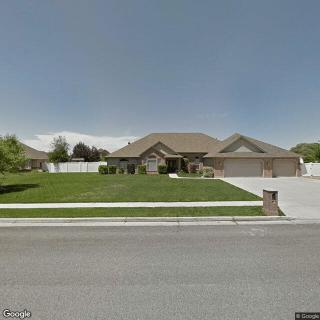
 Private furnished rooms with 24/7 supervision, meals, and an active program.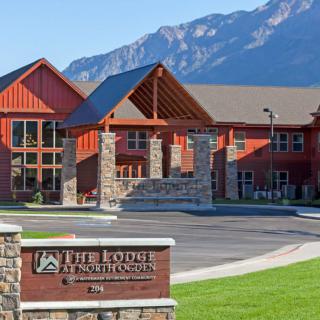


 Understanding Dementia Through Its Seven Stages: A Comprehensive Look at Progression and Expectations
 Safeguarding Your Memory Through the Golden Years: Eight Ways to Preserve Cognitive Health
 Comprehensive Insights into Activities of Daily Living (ADLs) and Their Assessment