At Memory Lane Care Home, the monthly cost for a private room is set at $7,000, which reflects the specialized care and comfortable environment offered to residents. This rate is notably higher than the average costs in Weber County, where private room accommodations typically average around $6,500, and significantly above the state average of approximately $3,782 for similar facilities in Utah. While these figures may suggest a premium investment compared to county and state norms, it's essential to consider the comprehensive services, personalized attention, and enriching activities that Memory Lane provides, ensuring that each resident receives the highest quality of care tailored to their unique needs.
Floor plans
Memory Lane Care Home
Weber County
Utah
Private
$7,000
$6,500
$3,782
Overall Review of Memory Lane Care Home
common72 reviews mention this
Staff attentiveness stands out
Residents and families consistently describe staff as kind, responsive, and engaged.
Across many reviews, families describe the staff as caring, attentive, and willing to help with day-to-day needs. Several also mention communication with families and feeling reassured about their loved one’s safety and support. A small number of reviews go the other way, describing management and oversight as disorganized, with poor follow-through and inconsistent assistance.
common45 reviews mention this
Home-like environment and cleanliness
Many reviews emphasize a small, home-like setting that feels clean and welcoming.
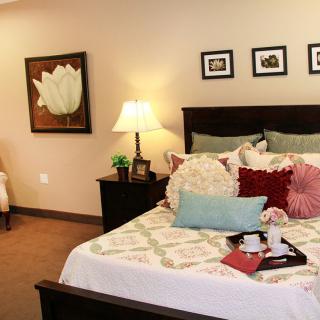
Multiple reviewers highlight a cozy, homey feel and a facility that is clean and comfortable. Others specifically say the building is small and easy to navigate, which they link to residents feeling settled. A couple of negative reviews dispute care consistency, but even then the dominant story in the positive reviews is cleanliness and an inviting atmosphere.
common12 reviews mention this
Meals and food quality get praise
Meals are a frequent bright spot, with praise for homemade or well-prepared food.
Reviews repeatedly mention food as a strength, including homemade meals and meals that residents enjoy. Several reviewers connect meal quality to the kitchen staff, describing the food as outstanding, nutritious, or well-prepared. The community also supports special dietary needs in its dining approach, aligning with what residents and families mention about preferences.
common14 reviews mention this
Activities help residents stay engaged
Families describe engaging daily activities that help residents stay social and active.
Many reviews mention scheduled daily activities and programs that keep residents involved and entertained. Some families highlight staff members in the activity role and say the activity team is a meaningful part of residents’ routines. A few reviews also mention opportunities for residents to go out for things like lunch and movies, not only staying inside the building.
caveat2 reviews mention this
Cost concerns show up in negative reviews
Some reviewers criticize value, especially given expectations around assisted living care.
Only a couple of reviews raise concerns about value, tying dissatisfaction to what families expected for the level of oversight and hands-on help. Those critiques describe inconsistent assistance and communication gaps, which colored their overall impression. From the listing details, private pricing is set at $7,000, positioned above county and state benchmarks, which may contribute to why these reviews focus on expectations.
How we summarize
Counts show how many written reviews mention each theme; a review can touch several themes, and only frequently mentioned themes are displayed.
Features
Housing
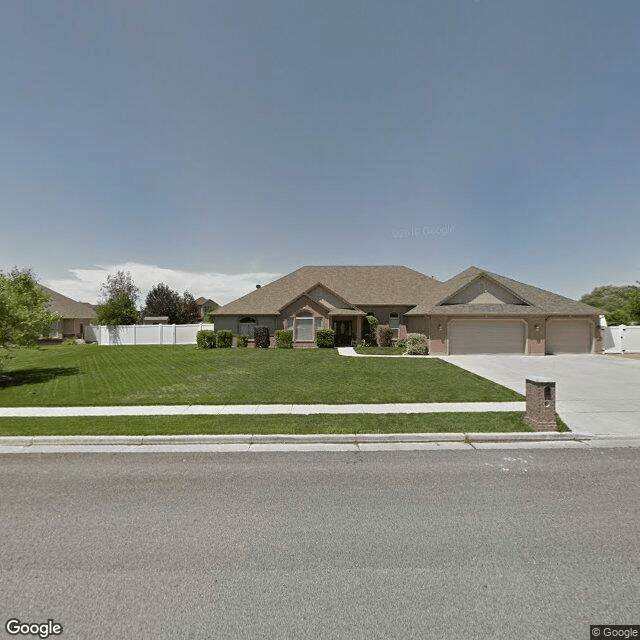
3 resident community capacity
Types of Care
Assisted Living
Board and Care Home
Amenities
Cable or satellite TV
Dining room
Fully furnished
Garden
Housekeeping services
Move-in coordination
Outdoor space
Private
Telephone
Wi-Fi/high-speed internet available
Care Services
24-hour supervision
Activities of daily living assistance
Assistance with bathing
Assistance with dressing
Assistance with transfers
Coordination with health care providers
Diabetes diet
Meal preparation and service
Medication management
Special dietary restrictions
Transportation arrangement (medical)
Transportation to doctors appointments
Dining
Diabetes diet
Special dietary restrictions
Activities
Community-sponsored activities
Scheduled daily activities
Nearby Places of Interest
This part of Farr West, Utah, offers a convenient location with easy access to various amenities essential for senior living. There are several pharmacies within a few miles radius, providing easy access to medication and healthcare services. Additionally, there are reputable physicians, hospitals, and clinics nearby for any medical needs. The area also boasts parks and recreational facilities for outdoor activities and relaxation. Various dining options are available, offering a range of cuisines to suit different preferences. Furthermore, there are cafes in the vicinity for socializing or enjoying a cup of coffee. Places of worship are also easily accessible for spiritual fulfillment. Transportation options such as car rental services and public transportation stations provide convenience for traveling around the area. Overall, this part of Farr West offers a well-rounded community that can cater to the needs and interests of seniors looking to settle in a comfortable neighborhood.
Pharmacies
Roe Rx (0.6 miles)
Walmart Pharmacy (2.3 miles)
Wangsgards (2.9 miles)
Walgreens (2.9 miles)
Lee's Marketplace (3 miles)
Smith's Food & Drug (3 miles)
Kent's Market (3.1 miles)
Physicians
Fresenius Medical Care (1.3 miles)
Darek Eggleston, DO | Utah Family Practice Physician (1.9 miles)
Ogden Clinic (1.9 miles)
Van Christiansen, MD | Utah Family Medicine Physician (1.9 miles)
At Memory Lane Care Home, the monthly cost for a private room is set at $7,000, which reflects the specialized care and comfortable environment offered to residents. This rate is notably higher than the average costs in Weber County, where private room accommodations typically average around $6,500, and significantly above the state average of approximately $3,782 for similar facilities in Utah. While these figures may suggest a premium investment compared to county and state norms, it's essential to consider the comprehensive services, personalized attention, and enriching activities that Memory Lane provides, ensuring that each resident receives the highest quality of care tailored to their unique needs.
Activities of Daily Living (ADLs) are fundamental tasks vital for an individual's independence, particularly in older adults over 85, and include functions like bathing and dressing; assessing ADLs alongside Instrumental Activities of Daily Living (IADLs) helps determine the level of required assistance due to age-related health challenges. Tailored support plans, involving family and community resources, are essential for maintaining dignity and autonomy in assisted living environments.
Medicare does not cover assisted living costs, as it focuses on acute medical needs and short-term care, with exceptions for certain medically necessary services like physical therapy. Individuals must explore other options such as Medicaid, veterans' benefits, or long-term care insurance to manage these expenses effectively.
Luxury assisted living offers high-quality senior care in a resort-like environment that combines essential medical support, gourmet dining, and personalized services to enhance residents' independence and well-being. These upscale facilities emphasize holistic health and community-building through customized care plans and social activities, catering to the growing demand for enriched senior living experiences despite higher costs.
Get PricingAsk A QuestionSchedule A TourContact Senior Advisor
By clicking submit, you agree to our Partner's Terms of Use. You
also consent to receive calls and texts, which may be autodialed, from our Partner. Your consent is not a condition to
using our Partner's service. Please visit our Partner's Privacy Policy for information about their privacy practices.




 3 resident community capacity
 Assisted Living
 Board and Care Home
 Cable or satellite TV
 Dining room
 Fully furnished
 Garden
 Housekeeping services
 Move-in coordination
 Outdoor space
 Private
 Telephone
 Wi-Fi/high-speed internet available
 24-hour supervision
 Activities of daily living assistance
 Assistance with bathing
 Assistance with dressing
 Assistance with transfers
 Diabetes diet
 Meal preparation and service
 Medication management
 Special dietary restrictions
 Transportation arrangement (medical)
 Transportation to doctors appointments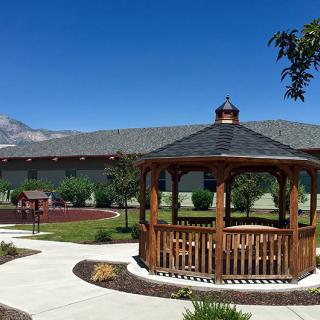
 Friendly staff, delicious meals, clean, comfortable rooms, and affordable veteran-focused care.
 Comprehensive Insights into Activities of Daily Living (ADLs) and Their Assessment
 Medicare Coverage for Assisted Living: An In-Depth Exploration
 Your Comprehensive Guide to Luxury Assisted Living: Elevated Facilities, Amenities, and Costs