
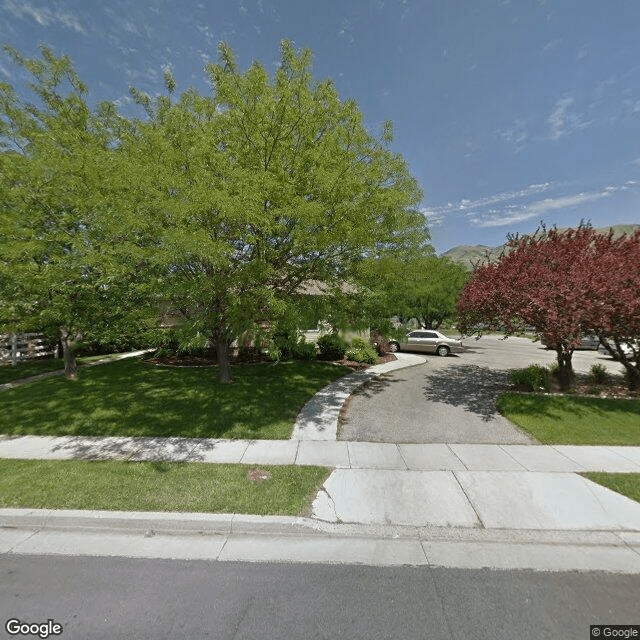
971 S 800 W, Brigham City, UT 84302
To contact a resident: (435) 723-1394
For more information about senior living options: (866) 208-4318
Country Lane Retirement and Care Center Costs & Pricing
Country Lane Retirement and Care Center offers competitive pricing for its residents, particularly when compared to both Box Elder County and the broader state of Utah. For instance, a studio at Country Lane is available for $1,375 per month, which is significantly lower than the average studio cost in Box Elder County at $2,719 and even more so compared to the state average of $3,206. Similarly, the one-bedroom option at Country Lane is priced at $2,178, again undercutting Box Elder County's rate of $2,364 and considerably less than Utah's average of $3,556. These rates position Country Lane as an attractive choice for individuals seeking quality care within a budget-friendly framework in a market that often presents higher costs.
| Floor plans | Country Lane Retirement and Care Center | Box Elder County | Utah |
|---|---|---|---|
| Studio | $1,375 | $2,719 | $3,206 |
| 1 Bedroom | $2,178 | $2,364 | $3,556 |
Assisted Living communities with a similar price nearby
-
from +$225 / mo
Williamsburg Retirement Community
$1,600 to $2,600 / month19.6 miles away
Overall Review of Country Lane Retirement and Care Center
Pros
 The facility is described as fairly clean.
- The loved one is provided with meals during the week, indicating ongoing nourishment.
Cons
 The reviewer notes that microwaved corndogs were served for two meals in one week, signaling dissatisfaction with meal options.
- The reviewer states that the staff turnover rate is very high, leaving them unsure who will be taking care of their mom.
- The reviewer describes the facility as fairly clean but indicates it could improve significantly.
Review
Country Lane Retirement and Care Center in Brigham City is best suited for residents who can tolerate less predictable caregiving and are not driven by high-end dining or pristine, hospital-level cleanliness. The reviews cluster around staffing instability and modest meal quality, suggesting that a resident who comes with a straightforward, low-need care plan and who does not require consistent one-on-one attention may fare relatively better than someone who needs steady, proactive nursing oversight and an engaging dining program. In short, it is a place for basic supervision and routine support rather than a destination for strong continuity of care or culinary excellence.
There are clear alternative considerations for families weighing this option. Those who prioritize reliable caregiver assignments, sustained staff familiarity with a specific loved one, and a strong emphasis on nutrition and dining variety should, in practice, look at other communities first. Families seeking rigorous oversight, predictable daily routines, and an environment that consistently meets higher cleanliness standards should not assume Country Lane will meet those expectations without urgent, proactive questions and evidence of improvement.
The key positives in this setting are sparse and do not meaningfully counterbalance the dominant drawbacks. The facility is described as fairly clean, which is a baseline expectation in this sector but not a differentiator. That modest level of upkeep does not mitigate the core issues raised about care quality and staff stability. In other words, cleanliness alone cannot offset concerns about who is caring for a loved one on any given day or how meals are prepared and presented.
The most impactful concern is the high turnover among caregiving staff. When turnover is frequent, residents experience a revolving door of caregivers, which erodes trust, disrupts routines, and increases the risk of miscommunications or missed tasks. Families report never knowing which person will be attending to their loved one, a dynamic that undermines personalized attention, continuity of care, and responsiveness to changing needs. For seniors with even moderate care requirements, such inconsistency translates into practical risks and emotional strain for both residents and families.
Dietary quality and meal planning also stand out as a weak point. The repeatedly mentioned practice of serving microwave meals, exemplified by corndogs retained for multiple meals in a week, signals a routine that is unlikely to meet varied nutritional needs or culinary preferences. This choice can affect appetite, weight management, and overall satisfaction with daily life inside the community. When meals feel generic or unappealing, it further compounds concerns about the level of engagement and the staff’s ability to support healthy, enjoyable living.
Bottom-line guidance: Country Lane may be a reasonable fit for someone who prioritizes affordability and accepts limited staff continuity and simple dining. For a resident who requires dependable caregivers, consistent daily routines, and a robust dining program, alternatives should be pursued. If this community is seriously considered, insist on a transparent staffing plan with assigned caregivers, request a review of the current menu and dining options, and demand a measurable improvement plan for housekeeping and resident engagement. Concrete evidence of reduced turnover, stabilized caregiver teams, and enhanced meals would be essential before moving forward; otherwise, families should proceed with caution and explore other Brigham City options that demonstrate stronger stability and investment in resident-centered care.
 Assisted Living
 Activities on-site
 Devotional services off-site
 Indoor common areas
 Ambulatory care
 Diabetic care
 Meals provided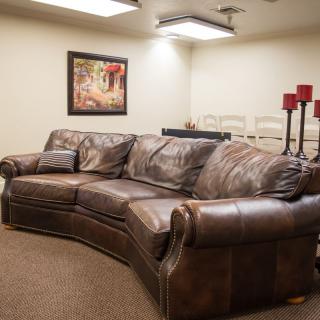



 Choosing the Right Senior Care: A Detailed Exploration of Assisted Living and Nursing Homes
 Understanding the True Cost of Assisted Living in 2025: A Comprehensive Guide
 Understanding Medicaid Coverage for Assisted Living: A Comprehensive Guide