Centre For Neuro Skills Unit 4 is an assisted living community in Irving, TX.
Information last verified:
3931-3937 Portland, Irving, TX 75038
For more information about senior living options: (866) 208-4318
4 from 46 reviews
5 stars
27
4 stars
6
3 stars
6
2 stars
1
1 stars
6
Overall Review of Centre For Neuro Skills Unit 4
common14 reviews mention this
Therapies help recovery goals
Residents frequently say the rehab and therapies improve their recovery progress.
Many residents describe meaningful improvements from therapy, including regaining balance, walking, and cognitive focus after stroke or brain injury. Several also mention their progress improving alongside the staff’s help with daily living and confidence during recovery. Even among critical reviews, the rehab services are sometimes described as beneficial while other parts of living experience fall short.
common9 reviews mention this
Staff care and professionalism
Residents consistently describe staff as caring and professional.
Across multiple reviews, residents and family members praise the staff for being friendly, professional, and genuinely invested in patient care. Some reviews call out specific care teams and nursing as responsive, while others note that the right conversations with staff can affect how much residents benefit. A few negative reviews also mention staffing problems, but they still reflect that daily care is a central factor in residents’ experiences here.
caveat2 reviews mention this
Apartments and cleanliness concerns
Some residents report apartment cleanliness and upkeep issues during recovery.
A couple of reviews describe the apartments as being in poor condition, including sanitation concerns and apartments that feel hard to live in during recovery. These complaints directly tie the living environment to residents’ comfort and safety, not just aesthetics. Other residents describe a quieter, peaceful living experience, which suggests the day-to-day can vary by unit or period.
caveat4 reviews mention this
Management and staffing reliability
Several reviews raise concerns about staffing consistency and management follow-through.
Some residents describe turnover and staffing experience as uneven, including mentions of newer therapists or nurses that residents felt were not prepared. Communication and responsiveness are also criticized, with accounts that concerns were not addressed. A few reviews go further, describing management as rude or unprofessional, and that security and coverage could be improved.
How we summarize
Counts show how many written reviews mention each theme; a review can touch several themes, and only frequently mentioned themes are displayed.
Features
Housing
8 resident community capacity
Types of Care
Assisted Living
Board and Care Home
Amenities
Cable or satellite TV
Dining room
Fully furnished
Garden
Housekeeping services
Move-in coordination
Outdoor space
Telephone
Wi-Fi/high-speed internet available
Transportation
Dallas-Fort Worth International (3 miles away)
Dallas Love (9 miles away)
Care Services
24-hour supervision
Activities of daily living assistance
Assistance with bathing
Assistance with dressing
Assistance with transfers
Coordination with health care providers
Diabetes diet
Meal preparation and service
Medication management
Special dietary restrictions
Transportation arrangement (medical)
Transportation to doctors appointments
Dining
Diabetes diet
Special dietary restrictions
Activities
Community-sponsored activities
Scheduled daily activities
Nearby Places of Interest
This part of Irving, Texas, offers convenient access to a variety of amenities that cater to seniors. With several pharmacies nearby, easy access to transportation options such as car rentals and airport facilities, and a range of dining options including fast food and sit-down restaurants, seniors can easily meet their daily needs. Additionally, there are healthcare facilities like physicians' offices and hospitals within a short driving distance for medical care. For leisure activities, there are cafes for socializing or relaxing, places of worship for spiritual nourishment, and parks for outdoor recreation. Overall, this area provides a diverse range of services and activities that could make it a comfortable and convenient location for senior living.
Pharmacies
CVS Pharmacy (0.8 miles)
Walgreens (1 miles)
CVS Pharmacy (2.3 miles)
Walgreens (2.9 miles)
CVS Pharmacy (3 miles)
CVS Pharmacy (3.4 miles)
Walmart Pharmacy (4.6 miles)
Transportation
Hertz Rent A Car (1.7 miles)
National Car Rental (1.7 miles)
Rental Car Center (1.7 miles)
Avis Rent A Car (1.7 miles)
Terminal E (2.7 miles)
United Airlines Ticket Counter (2.9 miles)
TSA Security Checkpoint (2.9 miles)
Restaurants
Whataburger (2.1 miles)
Chick-Fil-A (2.9 miles)
Sonic Drive-In (3.2 miles)
Pappasito's Cantina (3.5 miles)
McDonald's (3.5 miles)
In-N-Out Burger (3.7 miles)
Toyota Music Factory (3.7 miles)
Physicians
Starcare (2.2 miles)
Cook Children's Pediatrics - Grapevine - William D. Tate (5.9 miles)
Centre For Neuro Skills Unit 4 is located at 3931-3937 Portland, Irving, TX 75038 in Dallas County, Texas
Nearby Communities
Centre For Neuro Skills Unit 3
Irving, TX
4 from 46 reviews
Personalized board-and-care with 24-hour supervision, ADL assistance, diabetes-friendly meals, housekeeping, and transportation coordination.
Centre For Neuro Skills
Irving, TX
4 from 46 reviews
Intimate, fully furnished assisted living with comprehensive care and meals.
Centre For Neuro Skills Unit 2
Irving, TX
4 from 46 reviews
24/7 supervision with ADL support, diabetes-friendly meals, housekeeping, move-in coordination, furnished living, outdoor spaces, and transportation for medical appointments.
Centre For Neuro Skills Unit 1
Irving, TX
4 from 46 reviews
Small, intimate board-and-care setting with personalized, 24-hour care and diabetes-friendly dining.
Centre For Neuro Skills
Irving, TX
24/7 supervision with ADL assistance and healthcare coordination.
Right at Home
Irving, TX
1 from 1 review
Close to amenities (cafes, pharmacies, a physician, restaurants) and transportation options.
Avalon Memory Care - Irving
Irving, TX
4.2 from 73 reviews
$4,000 to $4,875 / month
Compassionate staff with strong family communication in memory care.
The Eden of Las Colinas
Irving, TX
4 from 98 reviews
Compassionate admissions staff and effective therapy.
Chateau on Wildbriar Lake
Irving, TX
4.1 from 14 reviews
$1,000 to $1,300 / month
Caring staff and a warm, home-like community with beautiful grounds and appealing amenities.
The guide outlines the complexities of Medicaid coverage for assisted living, highlighting significant state-to-state variations, limited coverage often restricted to personal care services, and the existence of specialized waivers for certain needs like memory care. It advises families to consult local Medicaid offices for options while emphasizing the importance of understanding state-specific regulations and facility policies.
Medicaid coverage for assisted living varies by state and is primarily available to low-income individuals, with eligibility dependent on strict income and asset limits. Some states offer HCBS waivers for specific services in assisted living, but families must generally cover room and board costs, and should verify facility acceptance of Medicaid while considering potential waiting lists.
Medicaid waivers for assisted living services provide vital support for seniors and individuals with disabilities in need of long-term care, with varying state-specific eligibility criteria and benefits. These waivers cover personal care and case management but often do not fully cover room and board, leading to waiting lists for many applicants.
Get PricingAsk A QuestionSchedule A TourContact Senior Advisor
By clicking submit, you agree to our Partner's Terms of Use. You
also consent to receive calls and texts, which may be autodialed, from our Partner. Your consent is not a condition to
using our Partner's service. Please visit our Partner's Privacy Policy for information about their privacy practices.

 8 resident community capacity
 Assisted Living
 Board and Care Home
 Cable or satellite TV
 Dining room
 Fully furnished
 Garden
 Housekeeping services
 Move-in coordination
 Outdoor space
 Telephone
 Wi-Fi/high-speed internet available
 Dallas-Fort Worth International (3 miles away)
 24-hour supervision
 Activities of daily living assistance
 Assistance with bathing
 Assistance with dressing
 Assistance with transfers
 Diabetes diet
 Meal preparation and service
 Medication management
 Special dietary restrictions
 Transportation arrangement (medical)
 Transportation to doctors appointments
 Personalized board-and-care with 24-hour supervision, ADL assistance, diabetes-friendly meals, housekeeping, and transportation coordination.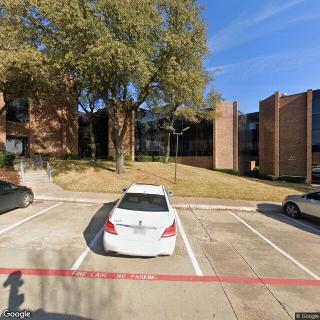

 Understanding Medicaid Coverage for Assisted Living: A Comprehensive Guide
 How and When Medicaid May Cover Assisted Living Costs
 A Detailed Exploration of Assisted Living Medicaid Waivers Across the United States