Centre For Neuro Skills is an assisted living community in Irving, TX.
Information last verified:
3941-47 Portland, Irving, TX 75038
For more information about senior living options: (866) 208-4318
4 from 46 reviews
5 stars
27
4 stars
6
3 stars
6
2 stars
1
1 stars
6
Overall Review of Centre For Neuro Skills
common15 reviews mention this
Therapies help patients regain function
Residents describe therapy that helps them improve balance, walking, and daily living skills.
Many reviews frame the therapies as a turning point for recovery, with people saying they learned to walk again, regained balance, and improved cognitive focus. Some reviews are more direct that the rehab helped them get back to life after an injury or stroke. A few reviews express the opposite experience, saying months of recovery were wasted, but even those include a less negative view of the therapy itself.
common12 reviews mention this
Staff are caring and professional
Multiple residents describe staff as friendly, professional, and genuinely invested in patient progress.
A large group of reviewers praise the people working on-site for being kind, professional, and responsive to concerns. Several reviews specifically mention nurses and therapists positively, including comments that staff take questions seriously and keep working until issues are addressed. At the same time, other reviews raise concerns about staff quality and consistency, including mentions of temporary staffing and unsafe behavior, so the experience is mixed depending on who is assigned and how care is delivered.
caveat2 reviews mention this
Apartments and hygiene get criticized
Some residents say the apartments fall short on cleanliness and basic hygiene during recovery.
While some reviews describe living conditions as peaceful, others say apartment upkeep and sanitation were poor. These negative reviews mention inadequate cleaning and hygiene practices that they felt put residents at risk. The contrast with more positive comments about the apartments suggests the day-to-day living experience may vary.
caveat4 reviews mention this
Staffing turnover and training concerns
Several reviews describe problems with staffing consistency and experience.
Some reviewers point to turnover or temporary staffing as a concern, saying new faces show up frequently or that many staff are from a temp agency. Others mention that some therapists or OT staff were new graduates and inexperienced. The issues described include residents feeling safer or less safe depending on who is scheduled that week.
caveat2 reviews mention this
Management responsiveness is mixed
A couple of reviews say communication from management and responsiveness can be difficult.
One review describes concerns being unanswered and communication breaking down between residential staff and management. Another calls management rude and unprofessional and says it became a reason to move a loved one out. On the other side, at least one review praises a property manager for taking concerns seriously, so the overall picture depends heavily on individual interactions.
common
Nearby pharmacies and medical options
Residents have quick access to nearby pharmacies and medical care.
The area around the community includes nearby pharmacies and healthcare providers, which can make errands and care-related appointments easier to handle. Nearby options also include restaurants and transportation services within a few miles. This comes through as practical access rather than something specific residents singled out.
How we summarize
We summarize when many written reviews mention each theme; a review can touch several themes, and only frequently mentioned themes are displayed.
Features
Housing
8 resident community capacity
Types of Care
Assisted Living
Board and Care Home
Amenities
Cable or satellite TV
Dining room
Fully furnished
Garden
Housekeeping services
Move-in coordination
Outdoor space
Telephone
Wi-Fi/high-speed internet available
Transportation
Dallas-Fort Worth International (3 miles away)
Dallas Love (9 miles away)
Care Services
24-hour supervision
Activities of daily living assistance
Assistance with bathing
Assistance with dressing
Assistance with transfers
Coordination with health care providers
Diabetes diet
Meal preparation and service
Medication management
Special dietary restrictions
Transportation arrangement (medical)
Transportation to doctors appointments
Dining
Diabetes diet
Special dietary restrictions
Activities
Community-sponsored activities
Scheduled daily activities
Nearby Places of Interest
Pharmacies
CVS Pharmacy (0.9 miles)
Walgreens (1 miles)
CVS Pharmacy (2.3 miles)
Walgreens (2.9 miles)
CVS Pharmacy (3 miles)
CVS Pharmacy (3.4 miles)
Walmart Pharmacy (4.6 miles)
Transportation
Hertz Rent A Car (1.7 miles)
National Car Rental (1.7 miles)
Rental Car Center (1.7 miles)
Avis Rent A Car (1.7 miles)
Terminal E (2.7 miles)
United Airlines Ticket Counter (2.8 miles)
TSA Security Checkpoint (2.8 miles)
Restaurants
Whataburger (2.2 miles)
Chick-Fil-A (2.9 miles)
Sonic Drive-In (3.2 miles)
Pappasito's Cantina (3.4 miles)
McDonald's (3.5 miles)
In-N-Out Burger (3.7 miles)
Toyota Music Factory (3.7 miles)
Physicians
Starcare (2.3 miles)
Cook Children's Pediatrics - Grapevine - William D. Tate (5.9 miles)
Centre For Neuro Skills is located at 3941-47 Portland, Irving, TX 75038 in Dallas County, Texas
Nearby Communities
Centre For Neuro Skills Unit 4
Irving, TX
4 from 46 reviews
Small, personalized board-and-care with 24/7 supervision and comprehensive daily living support
Centre For Neuro Skills Unit 3
Irving, TX
4 from 46 reviews
Personalized board-and-care with 24-hour supervision, ADL assistance, diabetes-friendly meals, housekeeping, and transportation coordination.
Centre For Neuro Skills Unit 2
Irving, TX
4 from 46 reviews
24/7 supervision with ADL support, diabetes-friendly meals, housekeeping, move-in coordination, furnished living, outdoor spaces, and transportation for medical appointments.
Centre For Neuro Skills Unit 1
Irving, TX
4 from 46 reviews
Small, intimate board-and-care setting with personalized, 24-hour care and diabetes-friendly dining.
Centre For Neuro Skills
Irving, TX
24/7 supervision with ADL assistance and healthcare coordination.
Right at Home
Irving, TX
1 from 1 review
Close to amenities (cafes, pharmacies, a physician, restaurants) and transportation options.
Avalon Memory Care - Irving
Irving, TX
4.2 from 73 reviews
$4,000 to $4,875 / month
Compassionate staff with strong family communication in memory care.
The Eden of Las Colinas
Irving, TX
4 from 98 reviews
Compassionate admissions staff and effective therapy.
Chateau on Wildbriar Lake
Irving, TX
4.1 from 14 reviews
$1,000 to $1,300 / month
Caring staff and a warm, home-like community with beautiful grounds and appealing amenities.
The article discusses assisted living expenses, the importance of long-term care insurance in covering these costs, and various financing options, highlighting the need for careful policy review and early planning to address potential needs. It also clarifies common misconceptions about Medicare and private health insurance limitations regarding long-term care coverage.
Assisted living facilities offer crucial support for older adults needing help with daily activities but come with varying and significant costs, which can be financed through personal savings, government assistance programs, long-term care insurance, and home equity options. Professional guidance from experts can aid families in navigating these financial complexities to establish a sustainable budgeting approach for assisted living services.
Assisted living costs often exceed Social Security benefits, necessitating a combination of funding sources like state aid and Medicaid. Understanding the interaction between Social Security programs and available financial support is essential for affording such care.
Get PricingAsk A QuestionSchedule A TourContact Senior Advisor
By clicking submit, you agree to our Partner's Terms of Use. You
also consent to receive calls and texts, which may be autodialed, from our Partner. Your consent is not a condition to
using our Partner's service. Please visit our Partner's Privacy Policy for information about their privacy practices.

 8 resident community capacity
 Assisted Living
 Board and Care Home
 Cable or satellite TV
 Dining room
 Fully furnished
 Garden
 Housekeeping services
 Move-in coordination
 Outdoor space
 Telephone
 Wi-Fi/high-speed internet available
 Dallas-Fort Worth International (3 miles away)
 24-hour supervision
 Activities of daily living assistance
 Assistance with bathing
 Assistance with dressing
 Assistance with transfers
 Diabetes diet
 Meal preparation and service
 Medication management
 Special dietary restrictions
 Transportation arrangement (medical)
 Transportation to doctors appointments
 Small, personalized board-and-care with 24/7 supervision and comprehensive daily living support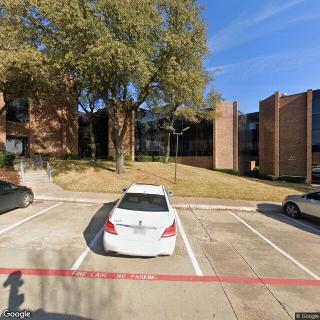


 Assisted Living Expenses and Long-Term Care Insurance: A Comprehensive Exploration
 Securing Financial Support for Assisted Living: A Comprehensive Overview
 Social Security Benefits and Assisted Living: Navigating Options Across the U.S.