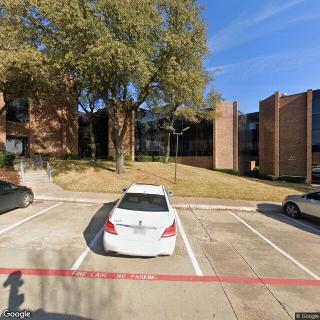
Centre For Neuro Skills Unit 2

3911 Portland, Irving, TX 75038

For more information about senior living options: (844) 490-3973

4 from 46 reviews
5 stars
27
4 stars
6
3 stars
6
2 stars
1
1 stars
6

Assisted Living Board and Care Home

Overall Review of Centre For Neuro Skills Unit 2

Pros

  • pro The PT, CR, and ED departments are wonderful.
  • pro The rehab services are beneficial.
  • pro Centre for Neuro Skills has helped residents regain balance and gain more confidence in daily living activities.
  • pro They have improved residents' cognitive skills and focus.
  • pro The staff are friendly, professional, and highly qualified.
  • pro The therapies provided by Centre for Neuro Skills are highly recommended for people who have suffered a traumatic brain injury or stroke.
  • pro The people at CNS are amazing; they love and care for patients and treat them like family.
  • pro This is a great place for recovery; all the staff are great and the patients are well taken care of.
  • pro The facilities and staff at CNS are incredible.
  • pro The environment is peaceful and quiet.

Cons

  • pro The apartments are in a shocking state of disrepair with poorly cleaned kitchens, bathrooms, and living areas.
  • pro Sanitation practices are inadequate, putting residents at risk.
  • pro There is a revolving door of caretakers, resulting in staff who lack crucial knowledge about individual patients' needs.
  • pro Untrained temporary staff attempt transfers, risking injury.
  • pro Communication breakdowns are rampant, with concerns often going unanswered and medication changes undocumented.
  • pro Security is inadequate, including an unenclosed main gate, unlocked apartment doors, and nighttime staff shortages.
  • pro Patient privacy and dignity are not respected, with staff entering bathrooms without warning.
  • pro Management is described as rude and unprofessional, with frequent firing and hiring of staff.
  • pro The environment is described as stressful and potentially harmful to residents' health and insurance-related decisions.

Review

Centre for Neuro Skills (CNS) in Irving, Texas presents a complex, mixed picture. On one hand, there is clearly talent and dedication among the rehab teams, with residents reporting meaningful improvements in balance, confidence, daily living skills, and cognitive focus. On the other hand, the residential portion of the facility is described by multiple reviewers as troubled by safety lapses, hygiene concerns, staffing instability, and questions about privacy and security. Taken together, the accounts suggest a facility with real potential for recovery and rehabilitation, but with systemic problems in its residential environment that can undermine that work.

A central thread across many reviews is the contrast between effective, sometimes life-changing rehabilitation therapies and a residential setting that feels unsafe or degrading. Several reviewers credit the CNS rehab services and the clinicians with tangible progress: regaining balance, improved cognitive function, and the ability to perform daily activities more independently. In some testimonials, people describe the staff as friendly, professional, and highly qualified, and they credit specific caregivers or the program itself with meaningful gains in function and confidence. For example, some residents say they learned to walk again or regained essential skills, and they emphasize that the therapists and nurses provided valuable, focused care during therapy sessions.

However, the same voices frequently report serious concerns about the residential environment where patients live between therapies. Apartments are described as in disrepair and poorly maintained, with insufficient cleaning and sanitation. A particularly troubling anecdote describes a patient being rolled from a bathroom to a dining table without sanitation of the wheelchair or hands, illustrating perceived lapses in basic hygiene and patient dignity. Accessibility issues are noted as well, with reports that wheelchair access is inconsistent or inadequate across the facility, complicating daily life for recovering patients who rely on mobility aids.

Safety and security are another major point of contention. Reviewers describe a location adjacent to low-income housing with weak overall security: gates not fully enclosed, apartment doors often left unlocked, and night-time staffing gaps that leave patients more exposed. These security concerns are closely tied to fears about staff turnover and inconsistent care, with frequent changes in caregiving personnel leading to a lack of continuity and knowledge about each patient's needs and plan of care. The risk of improper transfers, including untrained staff attempting to move patients in and out of wheelchairs, is highlighted as a direct safety issue. Privacy rights and consent also come up in several anecdotes, including mentions of staff entering bathrooms without warning and worries that ongoing documentation around patient behavior could be used to affect insurance benefits - anxiety that underscores a broader sense of vigilance and mistrust among families and residents.

Communication gaps compound these safety and privacy concerns. Families often report that their questions and concerns go unanswered, or that important changes in medications and treatment plans aren't consistently documented or communicated. In a system described as overworked, critical information can get lost between the residential staff and management, leaving patients vulnerable during transitions or changes in care.

Against these stark concerns, there are consistent threads of reassurance: many reviewers describe dedicated, capable staff on the rehabilitation side who genuinely care about recovery. They point to individuals who are attentive and thorough in therapy, and to nurses and therapists who are able to help patients regain function and independence. Some residents describe experiences where the staff's professionalism, empathy, and expertise made a real and positive difference in their recovery trajectory. These testimonials contribute to a sense that CNS has the potential to deliver high-quality neurological rehabilitation when the residential environment is functioning well.

Personal experiences among reviewers are highly variable, with some calling CNS a great place for recovery and praising specific staff members, including property managers and caregivers who they felt listened and responded to concerns. Others recount much more negative experiences, including criticisms of "ghetto" or temp agency staff, sleeping shifts, routine firing and hiring of personnel, and a general sense that the residential program did not meet basic expectations for safety, cleanliness, or dignity. A few accounts emphasize dramatic contrasts: places where the therapy was effective and staff supportive, paired with apartments that felt unsafe or undervalued, making recovery more stressful than it should be.

Overall, the consensus across these reviews is that CNS holds genuine promise for people recovering from brain injury, stroke, or other neurological events, primarily through its rehabilitation therapies and the expertise of its clinical staff. Yet the residential component - the living environment in which patients spend significant time between therapies - appears to be in need of substantial overhaul. The most pressing concerns center on sanitation, accessibility, safety and security, continuity of care, and privacy. For families and patients weighing CNS as an option, the decision seems to hinge on how heavily they weigh the potential for meaningful rehabilitation against the risk of subpar residential conditions.

If you're considering CNS for yourself or a loved one, it may be wise to focus on two questions: Are you confident in the rehabilitation team and the progress achievable through therapy? And can you address or mitigate concerns about the residential setting - sanitation, accessibility, and safety - through advocacy, additional home care supports, or exploring alternative centers or care arrangements? In sum, CNS offers credible therapy and hopeful outcomes for many, but the residential experience described by several reviewers points to an urgent need for comprehensive improvements to ensure safety, dignity, and consistent quality of care.

Features

Housing

  • 1 resident community capacity 1 resident community capacity

Types of Care

  • Assisted Living Assisted LivingAssisted living facilities provide crucial support and care for seniors who may need help with daily tasks such as medication management, bathing, and meal preparation. These communities offer a safe and comfortable environment where seniors can maintain their independence while receiving the assistance they need to thrive in their golden years.
  • Board and Care Home Board and Care HomeBoard and care homes provide a smaller, more intimate setting for seniors who require assistance with daily tasks but do not need the level of care offered by a nursing home. They offer personalized care, meals, and social activities in a homelike environment, ensuring that seniors receive individualized attention and support in their golden years.

Amenities

  • Cable or satellite TV Cable or satellite TVCable or satellite TV is important for seniors because it provides entertainment, news, and companionship, helping to combat loneliness and boredom. It also offers a wide range of programming options tailored to different interests and preferences.
  • Dining room Dining roomDining rooms are important for seniors as they provide a space for socialization, connection, and nutritious meals. They offer opportunities for residents to bond over shared meals, foster a sense of community, and promote healthy eating habits. Dining rooms also ensure that seniors have access to well-balanced meals tailored to their dietary needs and preferences.
  • Fully furnished Fully furnishedFully furnished senior living communities are important for seniors because they provide convenience, comfort, and a hassle-free moving experience. Seniors can easily settle into their new living space without the stress of having to buy and move furniture. This allows them to focus on enjoying their new home and community.
  • Garden GardenGardens are important for seniors as they provide a peaceful and therapeutic environment for relaxation, physical activity, and socialization. Being in nature has been shown to reduce stress, improve mood, and promote overall well-being. Gardens also offer opportunities for seniors to engage in gardening activities, which can improve mobility, flexibility, and cognitive function. Additionally, gardens create a sense of community and connection with others who share a passion for plants and outdoor spaces.
  • Housekeeping services Housekeeping servicesHousekeeping services are important for seniors because they help maintain a clean and safe living environment, promote independence, and reduce the risk of accidents or illnesses. Additionally, having assistance with household chores can alleviate physical strain and allow seniors to focus on other aspects of their well-being.
  • Move-in coordination Move-in coordinationMove-in coordination is important for seniors because it helps ease the transition into their new living environment. It ensures that all logistics, such as packing, organizing movers, and setting up utilities are taken care of, allowing seniors to focus on settling in and adjusting to their new home. Having a smooth move-in process can alleviate stress and anxiety, making the transition smoother and more enjoyable for seniors.
  • Outdoor space Outdoor spaceOutdoor spaces are important for seniors as they provide opportunities for physical activity, social interaction, exposure to natural light and fresh air, and a sense of connection to nature. Having access to outdoor spaces can improve overall well-being and quality of life for older adults living in senior communities.
  • Telephone TelephoneTelephones are important for seniors as they provide a lifeline for communication with loved ones, emergency services, and healthcare providers. They offer a sense of security and independence, enabling seniors to stay connected and access assistance when needed.
  • Wi-Fi/high-speed internet available Wi-Fi/high-speed internet availableWi-Fi/high-speed internet is important for seniors to stay connected with loved ones, access online resources, and participate in virtual activities to combat feelings of loneliness and isolation. It also allows them to easily manage healthcare needs, access entertainment, and engage in lifelong learning opportunities.

Transportation

  • Dallas-Fort Worth International (3 miles away) Dallas-Fort Worth International (3 miles away)
  • Dallas Love (9 miles away) Dallas Love (9 miles away)

Care Services

  • 24-hour supervision 24-hour supervision24-hour supervision is important for seniors to ensure their safety, well-being, and access to immediate assistance in case of emergencies or health issues. This constant support provides peace of mind for both seniors and their loved ones, allowing them to age in place with dignity and security.
  • Activities of daily living assistance Activities of daily living assistanceActivities of daily living assistance are important for seniors because they provide essential support with tasks such as eating, bathing, dressing, and mobility. This assistance helps seniors maintain their independence, dignity, and overall quality of life as they age.
  • Assistance with bathing Assistance with bathingAssistance with bathing is crucial for seniors as it helps maintain personal hygiene, prevents infections, and ensures their overall well-being and comfort. It also provides a sense of dignity and independence for seniors who may struggle with this task on their own.
  • Assistance with dressing Assistance with dressingAssistance with dressing is important for seniors because it helps maintain their independence, promotes personal hygiene, prevents accidents and injuries, and improves overall quality of life. This service ensures that seniors can continue to dress comfortably and confidently, despite any physical limitations they may have.
  • Assistance with transfers Assistance with transfersAssistance with transfers is crucial for seniors as it helps prevent falls and injuries, maintains their independence, and ensures they can safely navigate their living environment. It also provides peace of mind for both seniors and their loved ones.
  • Coordination with health care providers Coordination with health care providersCoordination with health care providers is crucial for seniors to ensure proper medical care, medication management, and overall well-being. This collaboration helps prevent overlapping treatments, track progress more effectively, and provide comprehensive support tailored to individual needs.
  • Diabetes diet Diabetes dietA diabetes diet is crucial for seniors as it helps manage blood sugar levels, reduce risks of complications, and improve overall health and well-being. By following a balanced and nutritious diet tailored to their specific needs, seniors can better control their diabetes and enhance their quality of life.
  • Meal preparation and service Meal preparation and serviceMeal preparation and service are crucial for seniors as they may have limited mobility or energy to cook nutritious meals. Having access to healthy and convenient food options can ensure they are getting the proper nutrition needed to maintain their overall health and well-being.
  • Medication management Medication managementMedication management is crucial for seniors to ensure they are taking the right medications at the correct dosages and times. This helps prevent adverse drug interactions, reduces the risk of medication errors, and promotes overall health and well-being. Proactive management also allows for adjustments as needed based on changing health conditions or new prescriptions.
  • Special dietary restrictions Special dietary restrictionsSpecial dietary restrictions are important for seniors because age-related changes in metabolism and health conditions can make it difficult for their bodies to process certain foods. By following a diet tailored to their specific needs, seniors can maintain their overall health and well-being, manage chronic conditions, and reduce the risk of complications such as malnutrition or food interactions with medications.
  • Transportation arrangement (medical) Transportation arrangement (medical)Transportation arrangements for medical purposes are essential for seniors as they may have difficulty driving themselves to appointments or accessing public transportation. Having reliable and safe transportation options ensures that seniors can receive timely medical care and maintain their health and well-being.
  • Transportation to doctors appointments Transportation to doctors appointmentsTransportation to doctors' appointments is crucial for seniors as it ensures they have access to necessary medical care and support for their health needs. Without reliable transportation, seniors may struggle to attend important appointments, leading to potential delays in treatment and health complications. Providing transportation services helps seniors maintain their overall well-being and quality of life.

Dining

  • Diabetes diet Diabetes dietA diabetes diet is crucial for seniors as it helps manage blood sugar levels, reduce risks of complications, and improve overall health and well-being. By following a balanced and nutritious diet tailored to their specific needs, seniors can better control their diabetes and enhance their quality of life.
  • Special dietary restrictions Special dietary restrictionsSpecial dietary restrictions are important for seniors because age-related changes in metabolism and health conditions can make it difficult for their bodies to process certain foods. By following a diet tailored to their specific needs, seniors can maintain their overall health and well-being, manage chronic conditions, and reduce the risk of complications such as malnutrition or food interactions with medications.

Activities

  • Community-sponsored activities Community-sponsored activitiesCommunity-sponsored activities are important for seniors as they provide opportunities for social interaction, mental stimulation, and physical activity. These activities can help improve overall well-being, combat loneliness and isolation, and promote a sense of belonging and purpose among older adults.
  • Scheduled daily activities Scheduled daily activitiesScheduled daily activities are important for seniors because they provide structure, socialization, mental stimulation, and physical activity. Engaging in regular activities can improve overall well-being and quality of life for seniors living in a community setting.

Description

The Centre For Neuro Skills Unit 2 in Irving, TX is a board and care home that offers exceptional care services for individuals in need of assistance with daily activities. The community provides a comfortable and fully furnished living environment for its residents.

Residents can enjoy nutritious meals in the dining room which accommodates special dietary restrictions. Housekeeping services ensure a clean and organized living space. Move-in coordination is offered to assist residents in transitioning smoothly into their new home.

The community features outdoor spaces such as gardens, allowing residents to relax and enjoy the fresh air. Telephone and Wi-Fi/high-speed internet are available to keep residents connected with their loved ones.

Care services provided include assistance with bathing, dressing, transfers, diabetes diet management, medication management, and coordination with health care providers. Staff can also arrange transportation for medical appointments.

The Centre For Neuro Skills Unit 2 is conveniently located near various amenities including cafes, pharmacies, physicians' offices, restaurants, transportation services, places of worship, and hospitals. This ensures that residents have easy access to the resources they may need.

Scheduled daily activities are offered to keep residents engaged and entertained within the community.

Nearby Places of Interest

Pharmacies

  • CVS Pharmacy (0.9 miles)
  • Walgreens (1 miles)
  • CVS Pharmacy (2.3 miles)
  • Walgreens (2.9 miles)
  • CVS Pharmacy (3 miles)
  • CVS Pharmacy (3.4 miles)
  • Walmart Pharmacy (4.6 miles)

Transportation

  • Hertz Rent A Car (1.7 miles)
  • National Car Rental (1.7 miles)
  • Rental Car Center (1.7 miles)
  • Avis Rent A Car (1.7 miles)
  • Terminal E (2.8 miles)
  • United Airlines Ticket Counter (2.9 miles)
  • TSA Security Checkpoint (2.9 miles)

Restaurants

  • Whataburger (2.1 miles)
  • Chick-Fil-A (2.9 miles)
  • Sonic Drive-In (3.2 miles)
  • McDonald's (3.5 miles)
  • Pappasito's Cantina (3.5 miles)
  • In-N-Out Burger (3.7 miles)
  • Toyota Music Factory (3.7 miles)

Physicians

  • Starcare (2.3 miles)
  • Cook Children's Pediatrics - Grapevine - William D. Tate (5.9 miles)
  • Max Health Family Medicine (5.9 miles)
  • Texas Orthopedic Specialists (6.3 miles)
  • Texas Digestive Disease Consultants: Southlake (7.9 miles)
  • Kaner Medical Group (8.4 miles)
  • Lighthouse Family Medicine (8.4 miles)

Cafes

  • Starbucks (4 miles)
  • The Capp Bar (5.1 miles)
  • Starbucks (6.6 miles)
  • Starbucks (8.3 miles)

Places of Worship

  • New Life Family Church (4.2 miles)
  • Gateway Church Grand Prairie Campus (5.5 miles)

Hospitals

  • SwiftCare (4.5 miles)
  • Texas Health Harris Methodist Hurst-Euless-Bedford (7 miles)
  • Baylor Scott & White Hospital Medicine - Grapevine (7.2 miles)

Parks

  • Bedford Bark Park (7.5 miles)

Theaters

  • AMC DINE-IN Grapevine Mills 3 (7.7 miles)

Frequently Asked Questions

Where is Centre For Neuro Skills Unit 2?

Nearby Communities

Related Resources

  • assisted living vs memory careAssisted Living and Memory Care: Understanding Their Core Differences

    Assisted living provides moderate support for seniors seeking independence, while memory care offers specialized support for individuals with dementia or cognitive impairments through structured routines and trained staff. Key differences include care approaches, environment security measures, staff training levels, activity types, and cost considerations.

  • assisted living activitiesBeyond the Bingo Hall: 50+ Enriching Activities for Seniors in Assisted Living

    Assisted living communities offer diverse activities beyond traditional games to enhance seniors' physical health, cognitive well-being, emotional enrichment, and social connections, including fitness classes, creative expression, and intergenerational interactions. These enriching programs foster community bonds and support residents' independence and happiness.

  • assisted living vs memory careUnderstanding the Distinctions: Assisted Living and Memory Care Explained

    The article differentiates between assisted living and memory care, explaining that assisted living supports seniors with daily activities while promoting independence, whereas memory care provides specialized services for individuals with dementia, focusing on secure environments and cognitive support. It also addresses staff training, safety considerations, costs, family involvement, and transition strategies for families navigating these care options.