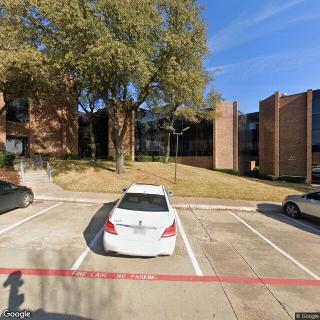
Centre For Neuro Skills Unit 3

3921-3927 Portland, Irving, TX 75038

For more information about senior living options: (844) 490-3973

4 from 46 reviews
5 stars
27
4 stars
6
3 stars
6
2 stars
1
1 stars
6

Assisted Living Board and Care Home

Overall Review of Centre For Neuro Skills Unit 3

Pros

  • pro PT, CR and ED departments are wonderful!
  • pro The rehab services themselves are beneficial.
  • pro The people who work at the actual centre are fantastic and truly want to help the patients.
  • pro Well trained ppl working here.
  • pro Excellent place
  • pro Incredible facilities and staff.
  • pro The staff is wonderful!
  • pro Mr. John the property manager is absolutely wonderful.
  • pro The people at CNS are amazing they really love and care for the patients and see them as an extension of their family or circle of close friends.
  • pro This is a great place fir recovery.

Cons

  • pro The apartments are in a shocking state of disrepair with poorly cleaned kitchens, bathrooms, and living areas.
  • pro Staff roll a patient from the bathroom directly to the dining table without sanitizing the wheelchair or hands.
  • pro There is a revolving door of caretakers, resulting in staff who lack crucial knowledge about individual patients' needs and care plans.
  • pro Untrained temporary staff attempt transfers, risking injury due to inexperience.
  • pro Concerns raised by patients and families are often unanswered, and medication changes aren't consistently documented.
  • pro Security is inadequate: the main gate doesn't fully enclose, apartment doors are often left unlocked, and staff are sometimes missing at night.
  • pro Patient dignity and privacy are overlooked, with staff entering bathrooms without warning and privacy concerns about being documented for potential insurance denial.
  • pro Some reviewers describe the residential experience as unsafe and unprofessional, urging others to avoid the facility.

Review

What stands out across these accounts is a striking split between the promise of a comprehensive rehabilitation program and a series of serious gaps in safety, privacy, and patient-centered care. The Center for Neuro Skills (CNS) in Irving, Texas is described by some residents and their families as a place with real potential - especially for the neurological and cognitive aspects of recovery - but for many others the residential component and the surrounding systems are deeply troubling. In short, the center is viewed by some as a source of hope and progress, while others see it as a setting where risks to dignity and safety are amplified by inconsistent staffing, inadequate housekeeping, and fragile coordination between departments.

Clinically, the reviews are a mosaic. Physical therapy, cognitive rehabilitation, and the early-stage rehabilitation (often grouped as PT, CR, and ED) are repeatedly praised as effective, with several residents reporting meaningful improvements in balance, daily living skills, and confidence. A number of comments celebrate the therapists' competency and the visible benefits of the programs, with phrases like "the therapies provided by Centre for Neuro Skills" being life-changing for some. In contrast, occupational therapy (OT) is singled out as variable. Some praise shows up for the care and progress that OTs help patients achieve, but there is also a recurring caution that many OTs are newer graduates who lack the experience some residents expect. One particularly alarming note alleges an inappropriate romantic relationship between an OT and a patient, highlighting serious professional boundaries concerns. Transportation is cited as another area needing improvement, suggesting that even where clinical work shines, logistics can obstruct recovery.

Beyond the therapy gym and therapy rooms, concerns cluster around cleanliness, sanitation, and overall living conditions in the residential apartments that are part of CNS. Several reviewers describe apartment environments that are "in a shocking state of disrepair" with kitchens, bathrooms, and living areas not adequately cleaned. A striking anecdote involves a patient being rolled from a bathroom directly to the dining room without any sanitation of the wheelchair or the patient's hands, underscoring fears about basic hygiene and infection control. The same accounts call attention to a broader pattern of substandard sanitation practices, which is especially troubling given that brain injury and post-stroke patients may be particularly vulnerable to infections and complications.

Accessibility and safety are another major concern. Reviewers term the facility's wheelchair accessibility as insufficient, noting it as a critical gap in a center that is supposed to specialize in rehabilitation. Security problems are raised in several threads: the main gate's failure to fully enclose the complex, frequently unlocked apartment doors, and nighttime staffing gaps that leave residents exposed. Privacy and dignity are described as afterthoughts in some instances, with reports of staff entering bathrooms without warning and, in one harrowing account, a patient experiencing consent anxiety due to multiple staff coming and going to provide cleanings or care. There are even insinuations that residents worry about how documentation of their behavior could affect future insurance coverage, a concern that compounds the stress of recovery.

The staffing picture is complex and inconsistent. A recurring image is a revolving door of caregivers: new faces weekly, caretakers who may not know the patient's history, and transfers that expose patients to inexperienced staff during crucial moments like moving in and out of wheelchairs. Medication management is highlighted as a problem area, with some changes not being properly documented, leaving families anxious about what medications their loved ones are receiving and why. Communication gaps between overworked residential staff and management, and between staff and families, are described as a persistent obstacle to timely, accurate information and responsive care.

Despite these persistent concerns, there are bright notes from residents who feel genuinely cared for by certain members of the CNS team. Several reviews emphasize that dedicated staff on the residential side can provide meaningful support and that rehab services can be very beneficial. Some people describe working with staff who "truly care" and treat patients with respect, and others recount improvements in walking, balance, cognitive focus, and overall well-being. There are specific endorsements of individual people - including permits to highlight a named property manager in a positive light and nurses who earn praise for their responsiveness - which underscores that when care is consistent and attentive, patients can experience real progress.

The overall tone across the collected reviews is decidedly mixed. On one hand, CNS is credited with helping people walk again, regain confidence in daily living activities, and regain cognitive skills; on the other hand, the residential side is criticized as unsafe and inadequately managed, with serious concerns about hygiene, privacy, security, and staffing stability that could undermine even the best clinical efforts. The strongest takeaway is a call for a comprehensive overhaul: improvements in staff training and retention, better sanitation and accessibility, stronger privacy protections, and more robust, responsive communication between staff, patients, and families. For families considering CNS for a loved one, the messages suggest exploring all options, including alternatives within the CNS network or even a transition to home-based care with dedicated staff, while weighing the potential benefits of high-quality rehabilitation against the real risk of safety and dignity concerns in the residential environment.

Features

Housing

  • 6 resident community capacity 6 resident community capacity

Types of Care

  • Assisted Living Assisted LivingAssisted living facilities provide crucial support and care for seniors who may need help with daily tasks such as medication management, bathing, and meal preparation. These communities offer a safe and comfortable environment where seniors can maintain their independence while receiving the assistance they need to thrive in their golden years.
  • Board and Care Home Board and Care HomeBoard and care homes provide a smaller, more intimate setting for seniors who require assistance with daily tasks but do not need the level of care offered by a nursing home. They offer personalized care, meals, and social activities in a homelike environment, ensuring that seniors receive individualized attention and support in their golden years.

Amenities

  • Cable or satellite TV Cable or satellite TVCable or satellite TV is important for seniors because it provides entertainment, news, and companionship, helping to combat loneliness and boredom. It also offers a wide range of programming options tailored to different interests and preferences.
  • Dining room Dining roomDining rooms are important for seniors as they provide a space for socialization, connection, and nutritious meals. They offer opportunities for residents to bond over shared meals, foster a sense of community, and promote healthy eating habits. Dining rooms also ensure that seniors have access to well-balanced meals tailored to their dietary needs and preferences.
  • Fully furnished Fully furnishedFully furnished senior living communities are important for seniors because they provide convenience, comfort, and a hassle-free moving experience. Seniors can easily settle into their new living space without the stress of having to buy and move furniture. This allows them to focus on enjoying their new home and community.
  • Garden GardenGardens are important for seniors as they provide a peaceful and therapeutic environment for relaxation, physical activity, and socialization. Being in nature has been shown to reduce stress, improve mood, and promote overall well-being. Gardens also offer opportunities for seniors to engage in gardening activities, which can improve mobility, flexibility, and cognitive function. Additionally, gardens create a sense of community and connection with others who share a passion for plants and outdoor spaces.
  • Housekeeping services Housekeeping servicesHousekeeping services are important for seniors because they help maintain a clean and safe living environment, promote independence, and reduce the risk of accidents or illnesses. Additionally, having assistance with household chores can alleviate physical strain and allow seniors to focus on other aspects of their well-being.
  • Move-in coordination Move-in coordinationMove-in coordination is important for seniors because it helps ease the transition into their new living environment. It ensures that all logistics, such as packing, organizing movers, and setting up utilities are taken care of, allowing seniors to focus on settling in and adjusting to their new home. Having a smooth move-in process can alleviate stress and anxiety, making the transition smoother and more enjoyable for seniors.
  • Outdoor space Outdoor spaceOutdoor spaces are important for seniors as they provide opportunities for physical activity, social interaction, exposure to natural light and fresh air, and a sense of connection to nature. Having access to outdoor spaces can improve overall well-being and quality of life for older adults living in senior communities.
  • Telephone TelephoneTelephones are important for seniors as they provide a lifeline for communication with loved ones, emergency services, and healthcare providers. They offer a sense of security and independence, enabling seniors to stay connected and access assistance when needed.
  • Wi-Fi/high-speed internet available Wi-Fi/high-speed internet availableWi-Fi/high-speed internet is important for seniors to stay connected with loved ones, access online resources, and participate in virtual activities to combat feelings of loneliness and isolation. It also allows them to easily manage healthcare needs, access entertainment, and engage in lifelong learning opportunities.

Transportation

  • Dallas-Fort Worth International (3 miles away) Dallas-Fort Worth International (3 miles away)
  • Dallas Love (9 miles away) Dallas Love (9 miles away)

Care Services

  • 24-hour supervision 24-hour supervision24-hour supervision is important for seniors to ensure their safety, well-being, and access to immediate assistance in case of emergencies or health issues. This constant support provides peace of mind for both seniors and their loved ones, allowing them to age in place with dignity and security.
  • Activities of daily living assistance Activities of daily living assistanceActivities of daily living assistance are important for seniors because they provide essential support with tasks such as eating, bathing, dressing, and mobility. This assistance helps seniors maintain their independence, dignity, and overall quality of life as they age.
  • Assistance with bathing Assistance with bathingAssistance with bathing is crucial for seniors as it helps maintain personal hygiene, prevents infections, and ensures their overall well-being and comfort. It also provides a sense of dignity and independence for seniors who may struggle with this task on their own.
  • Assistance with dressing Assistance with dressingAssistance with dressing is important for seniors because it helps maintain their independence, promotes personal hygiene, prevents accidents and injuries, and improves overall quality of life. This service ensures that seniors can continue to dress comfortably and confidently, despite any physical limitations they may have.
  • Assistance with transfers Assistance with transfersAssistance with transfers is crucial for seniors as it helps prevent falls and injuries, maintains their independence, and ensures they can safely navigate their living environment. It also provides peace of mind for both seniors and their loved ones.
  • Coordination with health care providers Coordination with health care providersCoordination with health care providers is crucial for seniors to ensure proper medical care, medication management, and overall well-being. This collaboration helps prevent overlapping treatments, track progress more effectively, and provide comprehensive support tailored to individual needs.
  • Diabetes diet Diabetes dietA diabetes diet is crucial for seniors as it helps manage blood sugar levels, reduce risks of complications, and improve overall health and well-being. By following a balanced and nutritious diet tailored to their specific needs, seniors can better control their diabetes and enhance their quality of life.
  • Meal preparation and service Meal preparation and serviceMeal preparation and service are crucial for seniors as they may have limited mobility or energy to cook nutritious meals. Having access to healthy and convenient food options can ensure they are getting the proper nutrition needed to maintain their overall health and well-being.
  • Medication management Medication managementMedication management is crucial for seniors to ensure they are taking the right medications at the correct dosages and times. This helps prevent adverse drug interactions, reduces the risk of medication errors, and promotes overall health and well-being. Proactive management also allows for adjustments as needed based on changing health conditions or new prescriptions.
  • Special dietary restrictions Special dietary restrictionsSpecial dietary restrictions are important for seniors because age-related changes in metabolism and health conditions can make it difficult for their bodies to process certain foods. By following a diet tailored to their specific needs, seniors can maintain their overall health and well-being, manage chronic conditions, and reduce the risk of complications such as malnutrition or food interactions with medications.
  • Transportation arrangement (medical) Transportation arrangement (medical)Transportation arrangements for medical purposes are essential for seniors as they may have difficulty driving themselves to appointments or accessing public transportation. Having reliable and safe transportation options ensures that seniors can receive timely medical care and maintain their health and well-being.
  • Transportation to doctors appointments Transportation to doctors appointmentsTransportation to doctors' appointments is crucial for seniors as it ensures they have access to necessary medical care and support for their health needs. Without reliable transportation, seniors may struggle to attend important appointments, leading to potential delays in treatment and health complications. Providing transportation services helps seniors maintain their overall well-being and quality of life.

Dining

  • Diabetes diet Diabetes dietA diabetes diet is crucial for seniors as it helps manage blood sugar levels, reduce risks of complications, and improve overall health and well-being. By following a balanced and nutritious diet tailored to their specific needs, seniors can better control their diabetes and enhance their quality of life.
  • Special dietary restrictions Special dietary restrictionsSpecial dietary restrictions are important for seniors because age-related changes in metabolism and health conditions can make it difficult for their bodies to process certain foods. By following a diet tailored to their specific needs, seniors can maintain their overall health and well-being, manage chronic conditions, and reduce the risk of complications such as malnutrition or food interactions with medications.

Activities

  • Community-sponsored activities Community-sponsored activitiesCommunity-sponsored activities are important for seniors as they provide opportunities for social interaction, mental stimulation, and physical activity. These activities can help improve overall well-being, combat loneliness and isolation, and promote a sense of belonging and purpose among older adults.
  • Scheduled daily activities Scheduled daily activitiesScheduled daily activities are important for seniors because they provide structure, socialization, mental stimulation, and physical activity. Engaging in regular activities can improve overall well-being and quality of life for seniors living in a community setting.

Description

The Centre For Neuro Skills Unit 3 in Irving, TX is a board and care home that offers a comfortable and supportive living environment for individuals in need of assistance with daily activities. The facility provides fully furnished accommodations and a range of amenities to ensure the residents' comfort and convenience.

Residents can enjoy meals in the dining room where special dietary restrictions are catered to. Housekeeping services are provided to maintain cleanliness and tidiness within the community. Outdoor spaces such as gardens are available for residents to relax and enjoy nature.

To promote social engagement and well-being, the facility offers scheduled daily activities for residents to participate in. These activities aim to provide mental stimulation, physical exercise, and opportunities for socialization.

The staff at Centre For Neuro Skills Unit 3 is dedicated to providing personalized care services, including assistance with activities of daily living such as bathing, dressing, and transfers. They also coordinate with health care providers to ensure that residents receive necessary medical attention. Medication management is available to assist residents in taking their medications properly.

For transportation needs, the facility provides arrangements for medical appointments as well as access to nearby transportation options. Additionally, there are several cafes, pharmacies, restaurants, places of worship, a hospital, and physicians located conveniently close by.

At Centre For Neuro Skills Unit 3 in Irving, TX, residents can expect a caring community with comprehensive support tailored to their individual needs.

Nearby Places of Interest

Pharmacies

  • CVS Pharmacy (0.9 miles)
  • Walgreens (1 miles)
  • CVS Pharmacy (2.3 miles)
  • Walgreens (2.9 miles)
  • CVS Pharmacy (3 miles)
  • CVS Pharmacy (3.4 miles)
  • Walmart Pharmacy (4.6 miles)

Transportation

  • Hertz Rent A Car (1.7 miles)
  • National Car Rental (1.7 miles)
  • Rental Car Center (1.7 miles)
  • Avis Rent A Car (1.7 miles)
  • Terminal E (2.7 miles)
  • United Airlines Ticket Counter (2.9 miles)
  • TSA Security Checkpoint (2.9 miles)

Restaurants

  • Whataburger (2.1 miles)
  • Chick-Fil-A (2.9 miles)
  • Sonic Drive-In (3.2 miles)
  • Pappasito's Cantina (3.5 miles)
  • McDonald's (3.5 miles)
  • In-N-Out Burger (3.7 miles)
  • Toyota Music Factory (3.7 miles)

Physicians

  • Starcare (2.3 miles)
  • Cook Children's Pediatrics - Grapevine - William D. Tate (5.9 miles)
  • Max Health Family Medicine (5.9 miles)
  • Texas Orthopedic Specialists (6.3 miles)
  • Texas Digestive Disease Consultants: Southlake (7.9 miles)
  • Kaner Medical Group (8.3 miles)
  • Lighthouse Family Medicine (8.4 miles)

Cafes

  • Starbucks (4 miles)
  • The Capp Bar (5.1 miles)
  • Starbucks (6.6 miles)
  • Starbucks (8.4 miles)

Places of Worship

  • New Life Family Church (4.2 miles)
  • Gateway Church Grand Prairie Campus (5.5 miles)

Hospitals

  • SwiftCare (4.5 miles)
  • Texas Health Harris Methodist Hurst-Euless-Bedford (7 miles)
  • Baylor Scott & White Hospital Medicine - Grapevine (7.2 miles)

Parks

  • Bedford Bark Park (7.5 miles)

Theaters

  • AMC DINE-IN Grapevine Mills 3 (7.7 miles)

Frequently Asked Questions

Where is Centre For Neuro Skills Unit 3?

Nearby Communities

Related Resources

  • independent living vs assisted livingExploring the Path to Senior Living: A Comprehensive Look at Independent Living and Assisted Living

    The article examines senior housing options, detailing the distinctions between independent living and assisted living, along with the emerging "independent assisted living" model that blends both approaches. It highlights the importance of assessing individual needs, preferences, and financial factors in making informed decisions about suitable living arrangements for seniors.

  • is assisted living tax deductibleIs Assisted Living Deductible on Your Taxes? Understanding the Complexities of Assisted Living Expenses and Deductions

    The deductibility of assisted living expenses on taxes hinges on factors like the individual's medical condition and service nature, typically requiring the resident to be "chronically ill" per IRS definitions. Taxpayers may deduct eligible medical expenses related to personal care services but generally not rent unless primarily for medical care, and they should maintain thorough documentation to support claims while considering itemizing versus standard deductions.

  • va benefits for assisted livingAssisted Living Support for Veterans: A Complete and Detailed Overview

    The guide highlights the importance of assisted living facilities for aging veterans needing daily support, discusses unique challenges they face, and outlines available financial assistance from the VA, including the Aid and Attendance program. It emphasizes understanding eligibility criteria and navigating the VA system to access necessary benefits effectively.