

9014 South Ferndale Place Drive, Houston, TX 77064
For more information about senior living options: (866) 208-4318
Avista Living Costs & Pricing
Avista Living offers competitive pricing for its accommodations compared to the broader market in Harris County and the state of Texas. For a semi-private room, residents can expect to pay $3,000 per month at Avista Living, which is notably lower than the county average of $3,518 and the state average of $3,680. Similarly, for private rooms, Avista Living's monthly fee of $4,000 is more economical than the county's typical cost of $3,784 and aligns closely with Texas's average of $4,096. This positioning highlights Avista Living's commitment to providing high-quality care at a more accessible price point within the region.
| Floor plans | Avista Living | Harris County | Texas |
|---|---|---|---|
| Semi-Private | $3,000 | $3,518 | $3,680 |
| Private | $4,000 | $3,784 | $4,096 |
Assisted Living communities with a similar price nearby
-
from +$450 / mo

Cypress Assisted Living- Drake Prairie Lane
$3,450 / month4.1 miles away -
About the same

Plantation Assisted living B
$3,000 to $4,910 / month20.2 miles away -
from -$200 / mo

Atascocita Seniors Care Home
$2,800 to $3,300 / month21.0 miles away -
from +$100 / mo

Ba Home Care
$3,100 / month16.4 miles away -
from -$500 / mo

Northgate Assisted Living
$2,500 to $3,000 / month6.6 miles away
Overall Review of Avista Living
Pros
 The staff at Avista Living provide great care and are considerate, kind, and sincerely concerned about residents.
 - Avista Living is described as an answer to prayers and the closest thing to home for a loved one.
- Hannah and Hank's homes are regarded as the best place for assisted living, with caregivers who personalize care.
- Healthy meals are prepared three times a day, and residents share meals and interact around a table.
- The home is clean and has an extraordinary pleasant smell.
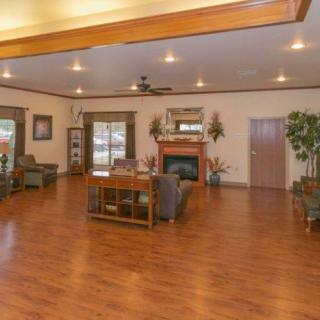
- The environment feels cozy and home-like, contributing to a warm, caring atmosphere.
- The rooms are spacious, colorful, clean, and freshly painted, with care teams that tailor spaces to residents' needs.
- There are engaging activities such as singing and games that involve residents.
- The staff are friendly and caring, and medication management is well handled.
Cons
 The aides do not adjust the thermostat until the owner arrives, leaving the mornings cold.
- They do not come in often enough to check on residents’ needs.
- The meals are often served cold.
- There are no activities for residents.
- They could not accommodate any special needs.
- Most residents stay in bed all day with no incentive to participate in activities.
- The staff are mean and cruel.
- The facility is a rip-off; the management does not spend time with residents.
- The food served is outdated.
- The owners only want money.
- There are no outdoor activities; residents sit around and waste away.
- The advertised “activities” are fake.
- Residents’ clothes are washed together.
Review
Avista Living in Houston is best suited for families seeking a warm, home-like assisted living where caregivers form close, personal bonds with residents and daily life centers on simple, dignified routines. The setting and ethos favor everyday kindness, home-style dining, and a calmer pace over slick clinical polish. It works well for seniors who are comfortable within a small, intimate footprint and who value staff who know their names, preferences, and needs, and who appreciate a house-like atmosphere that feels more like a family home than a hospital wing. Those who want a long list of high-energy events or aggressive rehabilitation programming should look elsewhere. The community can still disappoint if medical complexity or special needs require more consistent, specialized attention than a smaller house can reliably provide.
Key strengths lie in the human touch and the environment. Reviewers consistently describe a clean, cozy home with spaces that feel inviting rather than institutional. The staff are praised for warmth, patience, and personalized care, with caregivers who engage residents in conversation, share humane moments, and tailor room setups to individual needs. Meals are described as home-style and balanced, served in a dining rhythm that supports social eating. Medication management and routine health monitoring are typically orderly, helping families feel that medical oversight is present without a clinical atmosphere. When these elements align, residents appear happier, more engaged, and more at ease than in more impersonal settings.
However, multiple accounts center on inconsistent programming. A frequent complaint is the paucity of activities beyond passive TV time, with critics saying residents seldom leave common rooms unless family or staff facilitate outings. Cold mornings or meals arriving cold reflect process gaps around daily routines. Several families worry about responsiveness; aides may not be in doors as often as expected, and some reviewers question whether the owners stay closely involved with day-to-day resident well-being. There are also outlier concerns about finances and administrative focus, with a few alleging mismanagement or misalignment between advertised services and actual care. Taken together, the negatives are real and should be weighed carefully.
These drawbacks can be offset by the community’s core strengths. In a home-like environment, personal attention and consistent cleanliness can compensate for fewer formal activities, provided families remain engaged and encourage social connections, visits, outings, and in-room stimulation can fill gaps. The intimate caregiver-to-resident ratio often translates into quicker problem recognition, more flexible meal timing, and greater dignity in daily care. When staff are proactive about meals and mood, and when medical tasks are orderly, the risk of decline is mitigated. For families able to supplement with external activity and oversight, Avista Living can deliver a gratifying, respectful living experience that keeps dignity intact.
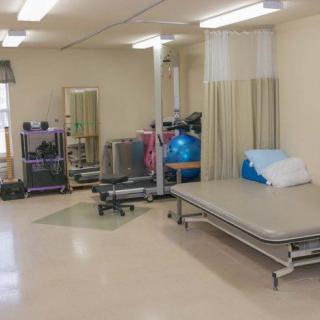
Still, the decision hinges on expectations about therapy, programming, and oversight. If a resident requires robust, structured activities every day, or needs intensive rehab and specialized medical management, alternatives with larger activity staffs, on-site therapy teams, and transparent calendars should be pursued. Prospective residents should request a clear outline of weekly activities, staffing ratios, and how often aides check on residents between meals and meds. Ask how meals are prepared, stored, served hot, and modified for dietary needs. Inspect the facility when it’s clean, smells fresh, and rooms reflect individualized care. In short, those seeking a vibrant, program-driven environment or advanced clinical support should consider other options.
Bottom line: Avista Living can be a very good fit for families prioritizing warmth, personal attention, and a home ambiance, especially when a loved one thrives with routine and meaningful social moments around a dinner table. It is less ideal for those who demand constant programming, brisk medical oversight, or consistently high-quality, hot meals without family involvement. The strongest path forward is to visit with a critical eye, interview the staff, and verify that the care plan aligns with the resident’s needs. Inquire about daily activity schedules, meal quality controls, and how emergencies are managed. For the right resident, Avista Living represents a compassionate, approachable option that honors dignity and everyday living.
 5 resident community capacity
 Studio apartments
 Assisted Living
 Board and Care Home
 Respite Care
 Dogs allowed
 Activities on-site
 Bath tubs
 Beautician on-site
 Cable or satellite TV
 Devotional services on-site
 Dining room
 Fully furnished
 Garden
 Housekeeping services
 Indoor common areas
 Move-in coordination
 Outdoor common areas
 Private
 Private bathrooms
 Telephone
 Wheelchair accessible showers
 Wi-Fi/high-speed internet available
 George Bush Intercontinental (13 miles away)
 24-hour supervision
 Assistance with bathing
 Assistance with dressing
 Assistance with transfers
 Diabetes diet
 Diabetic care
 High acuity care
 Incontinence care
 Meal preparation and service
 Medication management
 Special dietary restrictions
 Transportation arrangement (medical)
 Transportation to doctors appointments
 Adventist services
 Buddhist services






 Social Security Benefits and Assisted Living: Navigating Options Across the U.S.
 An Extensive Exploration of the VA Aid and Attendance Benefit
 Senior Transition Services: Understanding Their Role, Cost, and Importance