Windermere Estates Senior Living offers competitive pricing for its various room types compared to the broader market in Harris County and across Texas. For those seeking a semi-private accommodation, the monthly cost is $2,595, significantly lower than both the county average of $3,518 and the state average of $3,680. Studio apartments are available for $3,495, also undercutting both local and state figures, which stand at $4,021 and $3,758 respectively. The one-bedroom option is priced at $4,900; while this exceeds the county's average of $4,027 slightly, it remains notably higher than Texas' statewide average of $3,761. Finally, two-bedroom units are offered at $5,100 - a figure that surpasses both Harris County's and Texas' rates of $4,574 and $4,215 respectively. Overall, Windermere Estates provides a range of living options that cater to various budgets while maintaining a commitment to quality care.
Floor plans
Windermere Estates Senior Living
Harris County
Texas
Semi-Private
$2,595
$3,518
$3,680
Studio
$3,495
$4,021
$3,758
1 Bedroom
$4,900
$4,027
$3,761
2 Bedrooms
$5,100
$4,574
$4,215
Assisted Living communities with a similar price nearby
Overall Review of Windermere Estates Senior Living
differentiator15 reviews mention this
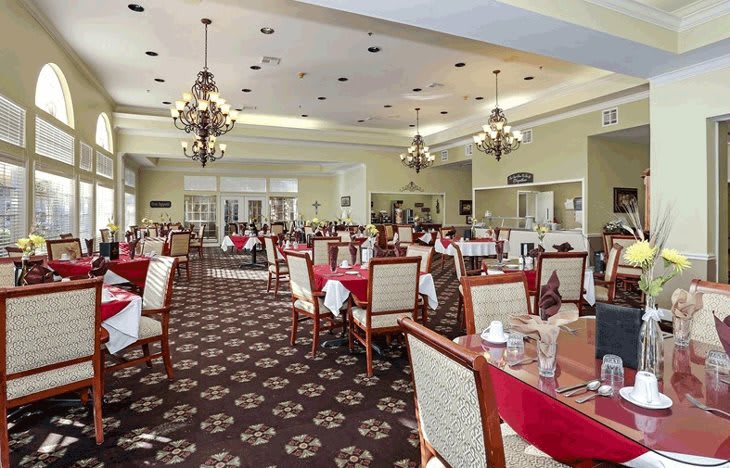
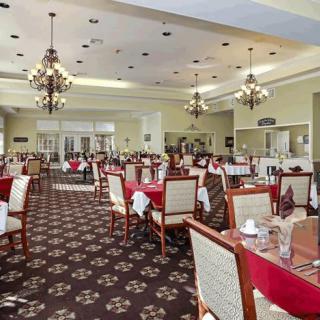
Restaurant-style dining gets praise
Food is repeatedly described as well prepared and satisfying, with dining options that feel more like a restaurant than a cafeteria.
Several reviews highlight the quality and consistency of the meals, including comments about the food being well prepared and residents not complaining. A number of residents and families also mention having meals served in the dining hall or delivered to rooms, which residents describe as convenient. Some reviewers specifically reference restaurant-style dining and chef-led preparation, and others note that dining is a positive part of daily life.
common12 reviews mention this
Activities keep residents engaged
Residents are frequently described as staying busy with ongoing activities and a social routine.
Across reviews, people describe a steady schedule of activities, with families noticing residents being engaged throughout the day. Multiple reviewers mention participation in group activities like exercise and social events, and others describe specific activity types such as bingo and arts and crafts. Some reviews also mention residents being encouraged to join activities, while one notes that weekend staffing can affect how much help is available.
common28 reviews mention this
Caring, supportive staff stands out
Residents and families consistently describe staff as caring, responsive, and respectful.
The most consistent positive theme in the reviews is how residents are treated day to day, with repeated mentions of staff being kind, helpful, and professional. Families and staff partners describe communication as a strength and say they feel residents are treated with dignity and respect. Several reviews also talk about leadership involvement—especially naming executive leadership and other team members—as part of what makes the overall experience feel supportive.
common14 reviews mention this
Clean, updated spaces matter
Reviews commonly note a clean, welcoming environment with rooms and common areas that feel well kept.
Many reviewers describe the facility as clean and well maintained, including observations that rooms are tidy and everything is functioning as expected. Multiple reviews also mention recent updates or a remodeled look that makes the community feel fresher. A few reviewers comment on the look and feel of the apartments compared with other communities, but even those that question design still frequently note cleanliness.
caveat8 reviews mention this
Staffing and communication can slip
Some families report care delivery, staffing coverage, or communication that does not always match what was expected.
While many reviews praise day-to-day support, several are less consistent—mentioning times when help is harder to get, especially around weekends. Other reviewers describe periods of disorganization or difficulty receiving the level of care they expected, and at least one review questions whether staffing is sufficient for the number of residents. There are also mentions of communication not being as available as needed, which can make transitions and day-to-day follow-up feel harder for families.
How we summarize
Counts show how many written reviews mention each theme; a review can touch several themes, and only frequently mentioned themes are displayed.
Features
Housing
120 resident community capacity
1-bedroom apartments
2-bedroom apartments
Studio apartments
Types of Care
Assisted Living
Respite Care
Pets
Cats allowed
Dogs allowed
Amenities
Activities off-site
Activities on-site
Air-conditioning
Beautician on-site
Beauty salon
Cable or satellite TV
Cafe
Computer center
Devotional services off-site
Dining room
Financing advice
Fitness room
Fully furnished
Gaming room
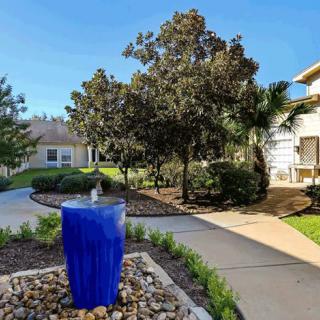
Garden
Ground floor units
Guasts at mealtime
Guest parking
Handicap accessible
Hiking trails
Home sale assistance
Housekeeping services
Indoor common areas
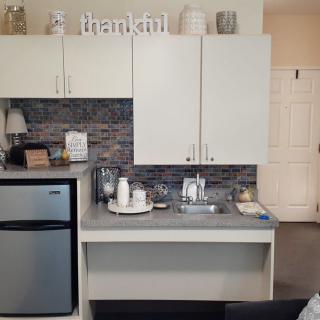
Kitchenette
Laundry
Move-in coordination
Outdoor common areas
Outdoor space
Overnight guests
Party space
Private bathrooms
Private cleaning services
Resident parking
Respite or short term stays offered
Restaurant-style dining
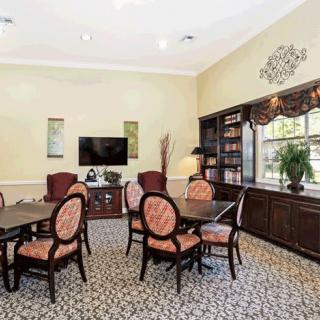
Small library
TV room
Telephone
VA Benefits Consultation
Wellness center
Wheelchair accessible showers
Wi-Fi/high-speed internet available
Transportation
George Bush Intercontinental (15 miles away)
Community operated transportation
Transportation & parking
Transportation arrangement
Transportation arrangement (non-medical)
Transportation to doctors appointments
Care Services
12-16 hour nursing
24-hour call system
24-hour supervision
Activities of daily living assistance
Ambulatory care
Assistance with bathing
Assistance with dressing
Assistance with transfers
Coordination with health care providers
Diabetes diet
High acuity care
Incontinence care
Meal preparation and service
Medication management
Mental wellness program
Physical therapy
Special dietary restrictions
Dining
Diabetes diet
International cuisine
Low / no sodium
Meals provided
No Sugar
Professional chef
Restaurant style dining
Room service
Special dietary restrictions
Activities
Activities off-site
Art classes
Arts and crafts
Book club
Community-sponsored activities
Concierge services
Cooking club
Devotional activities offsite
Educational speakers / life long learning
Fitness programs
Forever fit
Games
Gardening club
Happy hour
Karaoke
Live dance or theater performances
Live musical performances
Live well programs
Other religious services
Planned day trips
Religious services
Resident-run activities
Scheduled daily activities
Stories
Stretching classes
Visiting chaplain or priest
Wii bowling
Languages Spoken
English
Videos
Nearby Places of Interest
This area of Houston, Texas offers a convenient and diverse range of amenities for seniors looking to settle down. With several pharmacies within close proximity, easy access to medical care is assured. In terms of dining options, there are popular fast-food chains like Whataburger and Chick-Fil-A nearby, as well as sit-down restaurants such as First Watch. For recreational activities, there are parks like Matzke Park and Willowood Park for leisurely strolls or outdoor relaxation. Places of worship such as St John Neumann Catholic Church and Theaters like AMC Willowbrook 24 cater to spiritual and entertainment needs. Additionally, cafes like Starbucks and Panera Bread provide cozy spots for socializing or enjoying a cup of coffee with friends. Overall, this part of Houston provides a convenient and vibrant setting for senior living.
Windermere Estates Senior Living offers competitive pricing for its various room types compared to the broader market in Harris County and across Texas. For those seeking a semi-private accommodation, the monthly cost is $2,595, significantly lower than both the county average of $3,518 and the state average of $3,680. Studio apartments are available for $3,495, also undercutting both local and state figures, which stand at $4,021 and $3,758 respectively. The one-bedroom option is priced at $4,900; while this exceeds the county's average of $4,027 slightly, it remains notably higher than Texas' statewide average of $3,761. Finally, two-bedroom units are offered at $5,100 - a figure that surpasses both Harris County's and Texas' rates of $4,574 and $4,215 respectively. Overall, Windermere Estates provides a range of living options that cater to various budgets while maintaining a commitment to quality care.
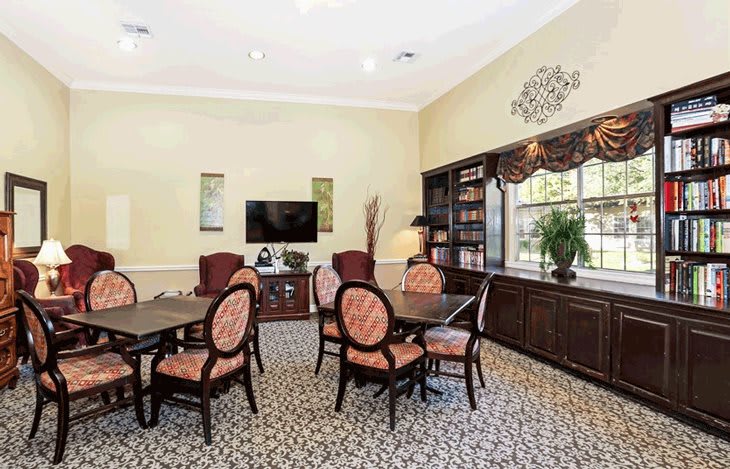
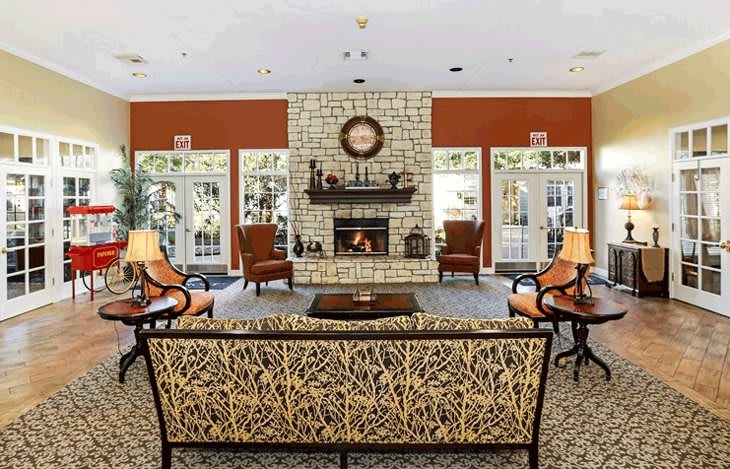
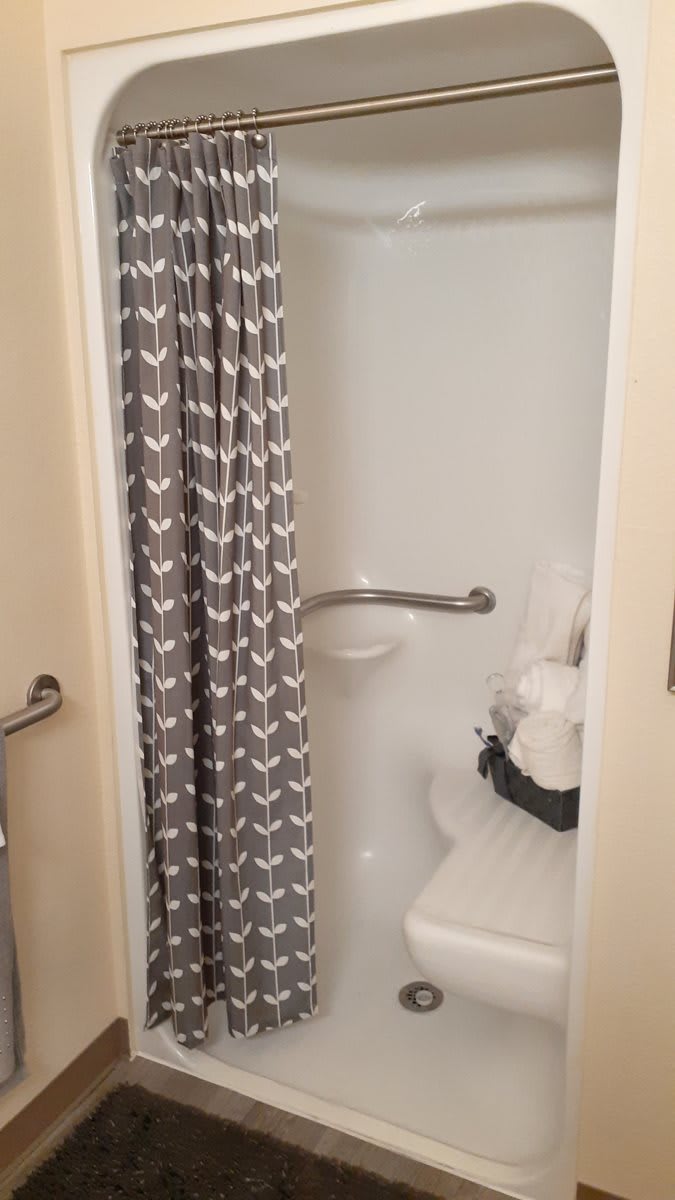
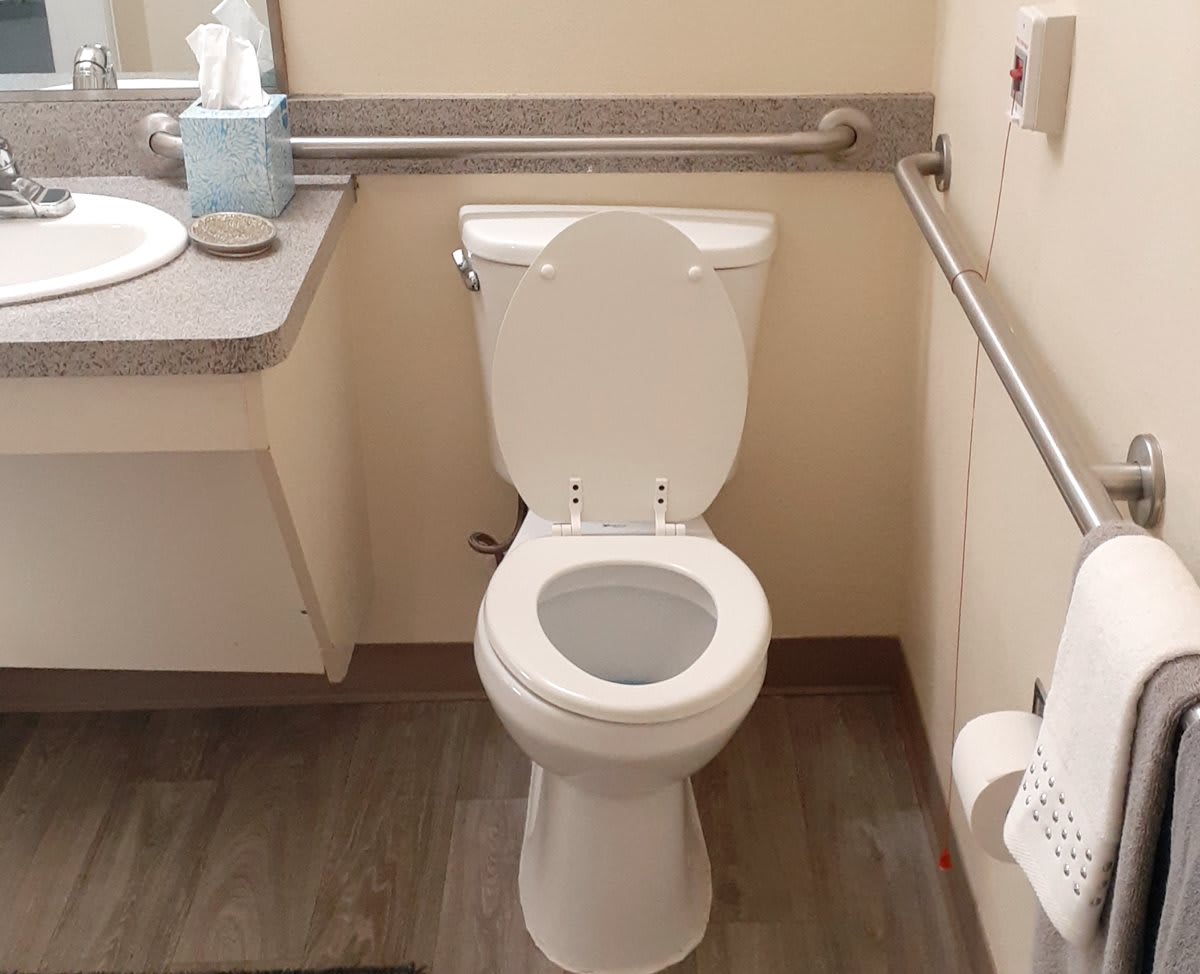
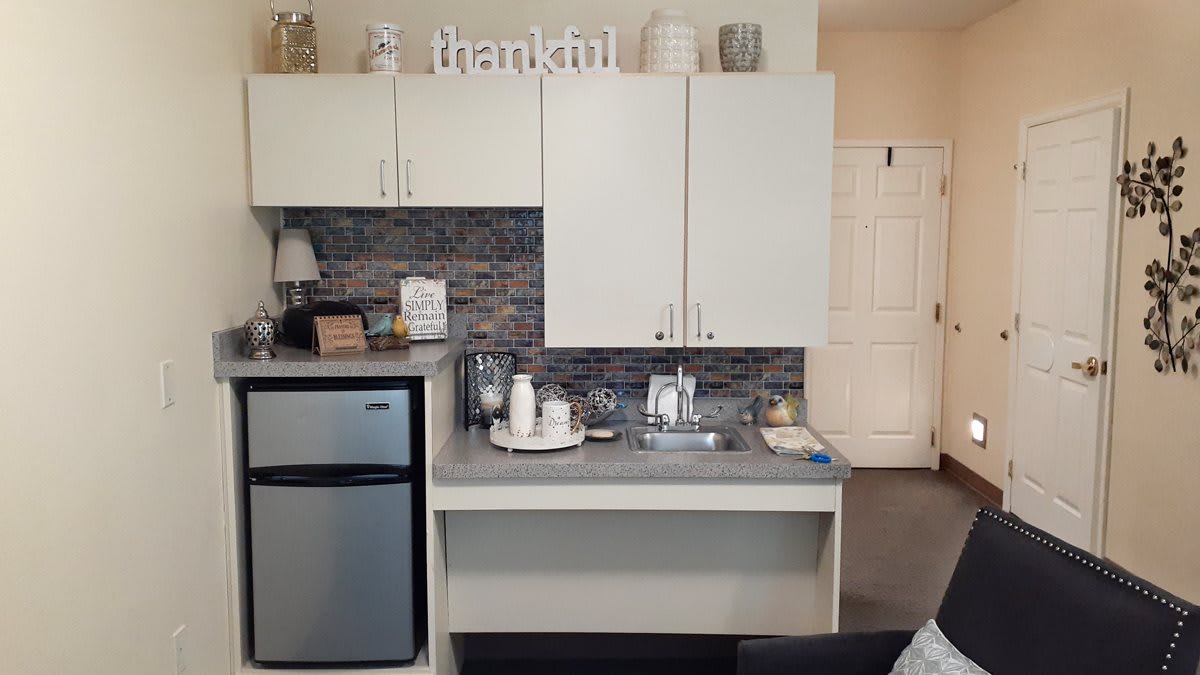
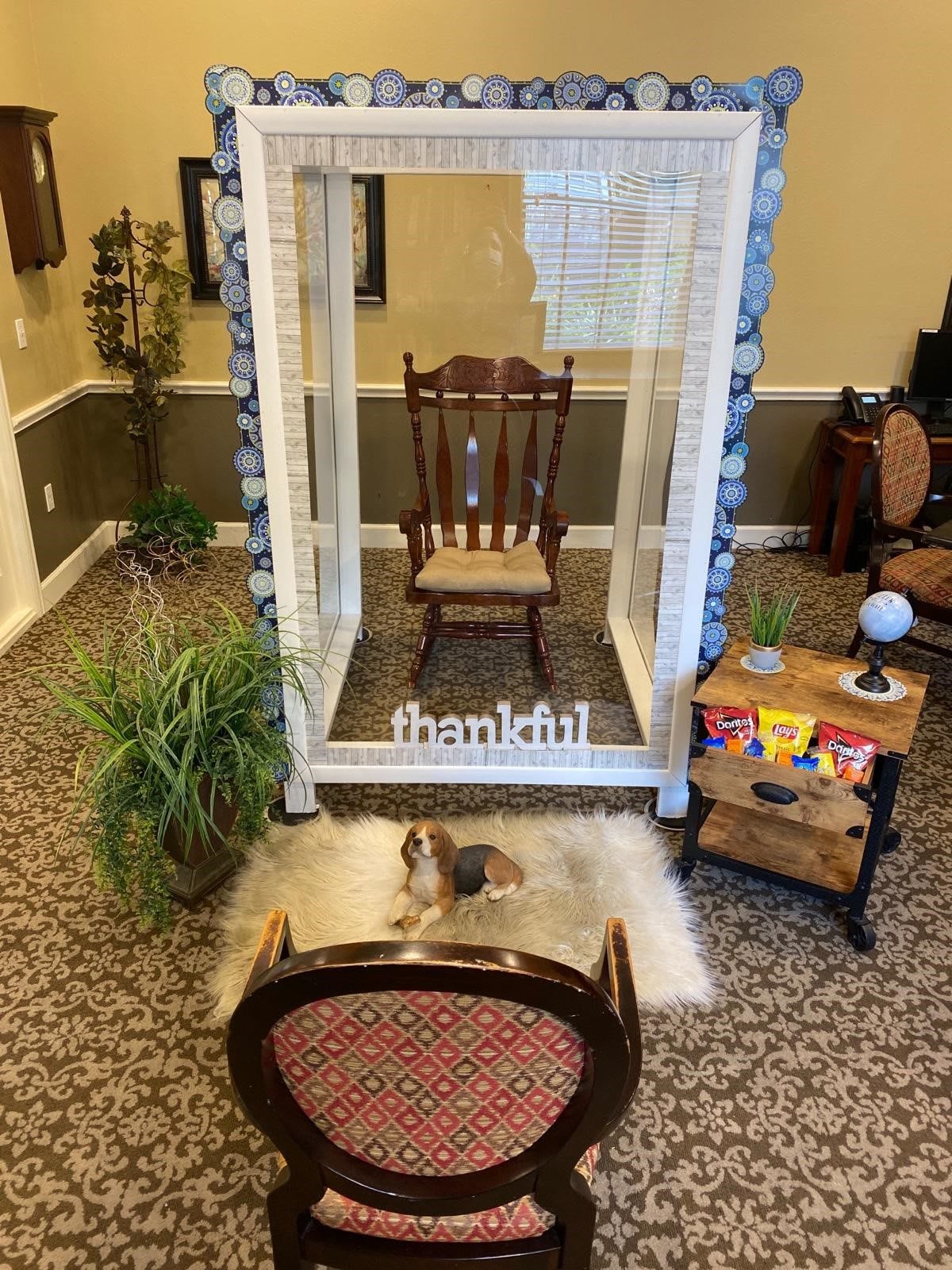
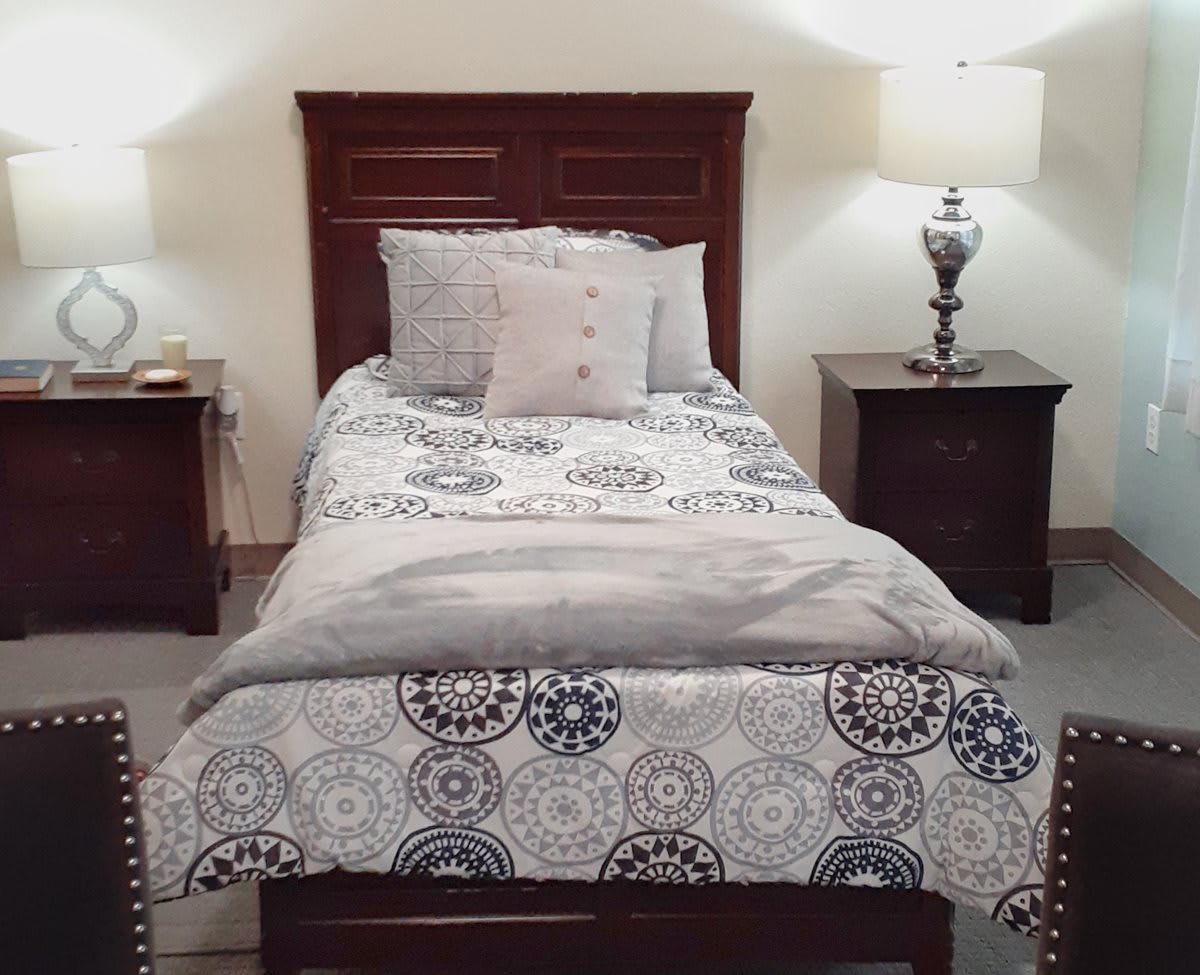
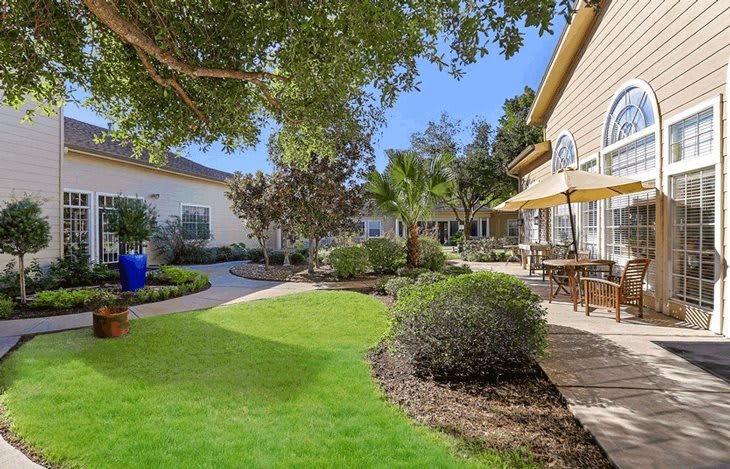
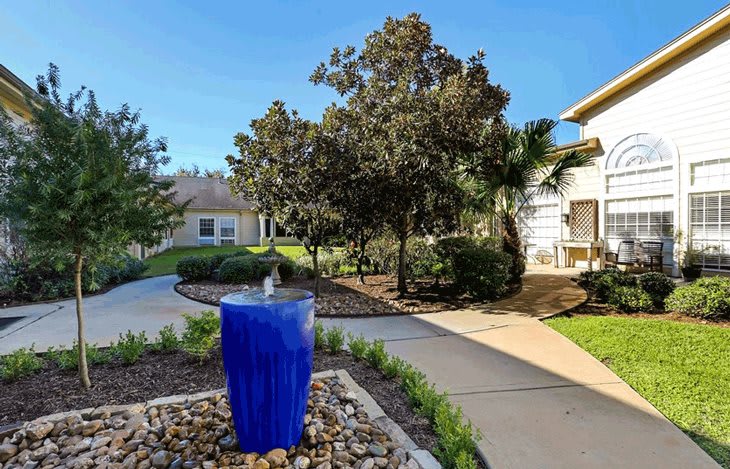
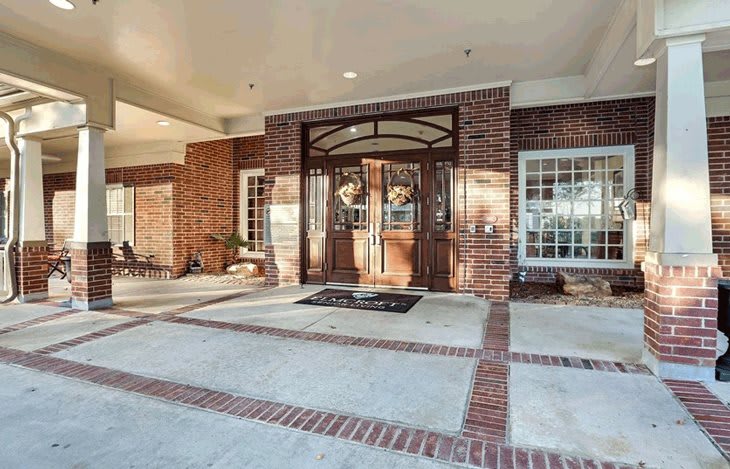
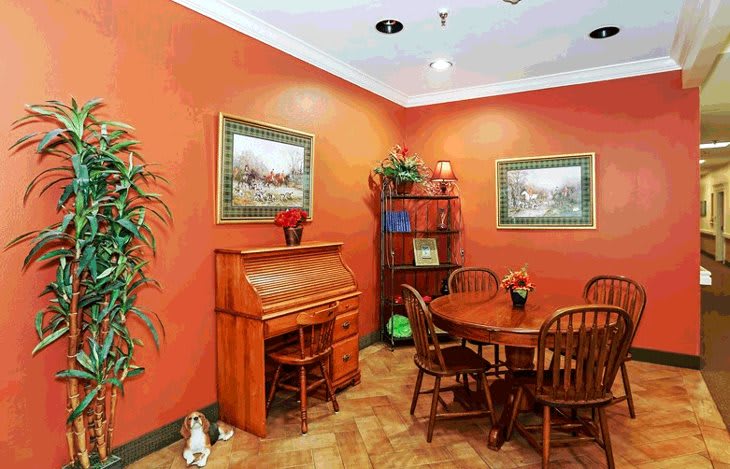
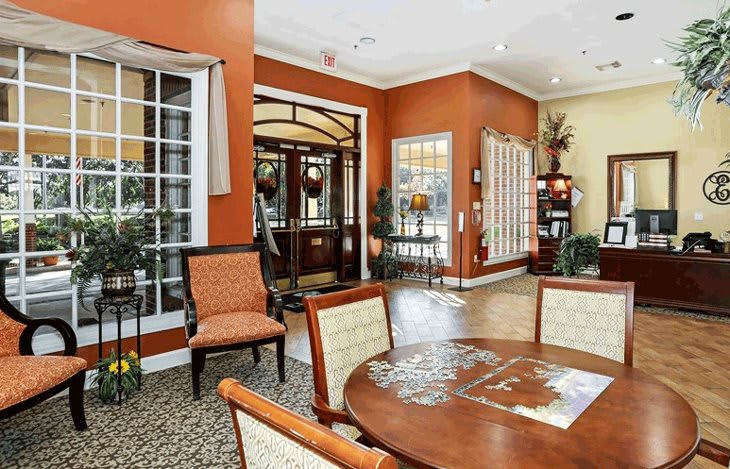
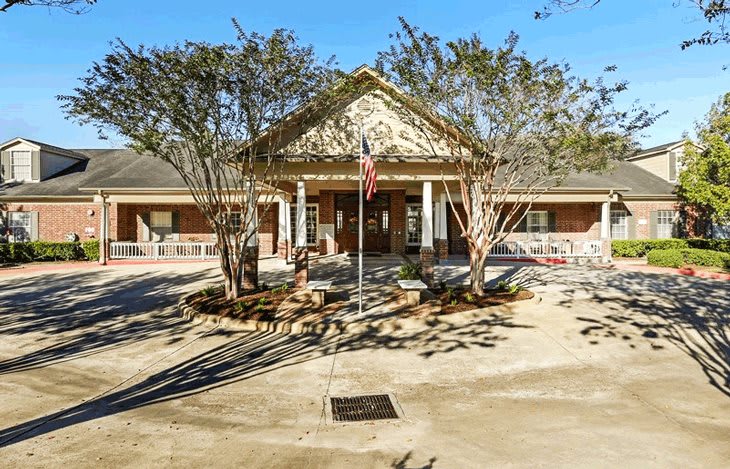
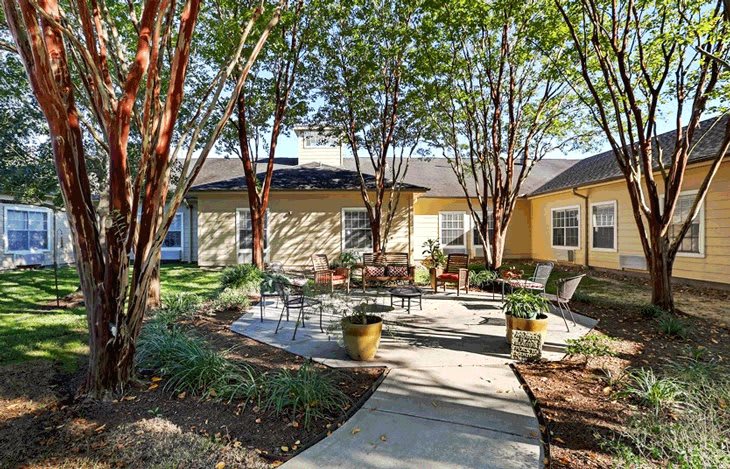
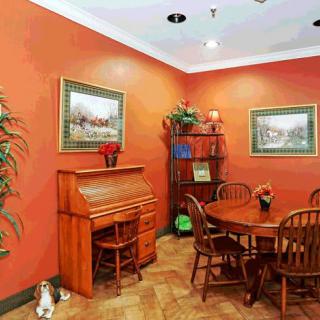
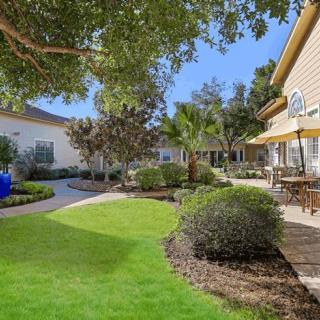
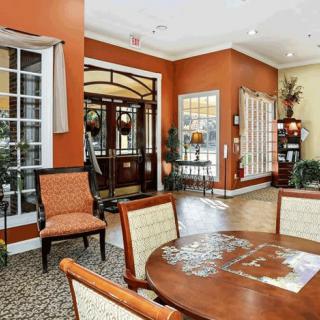
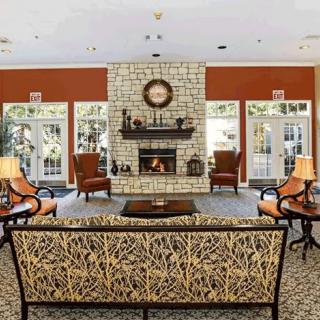
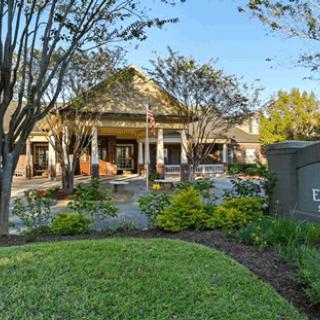
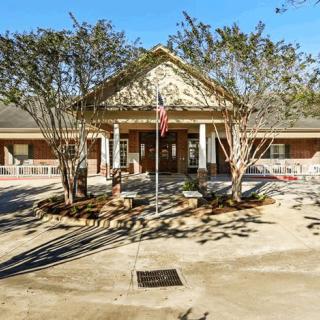
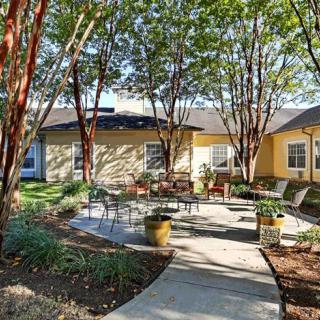
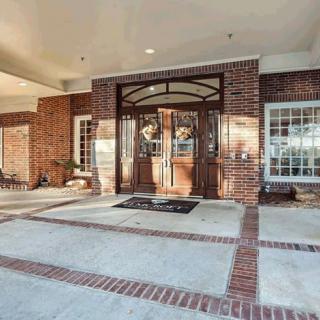
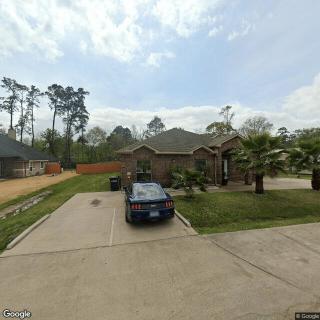
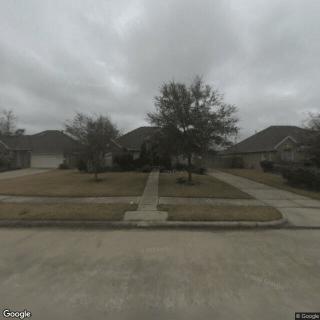
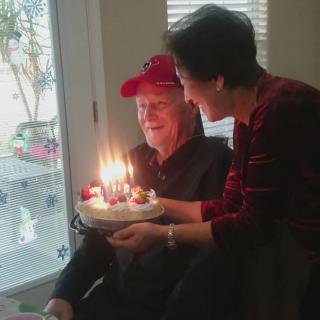
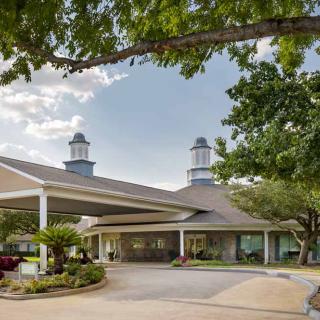
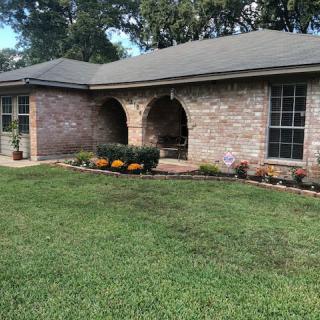
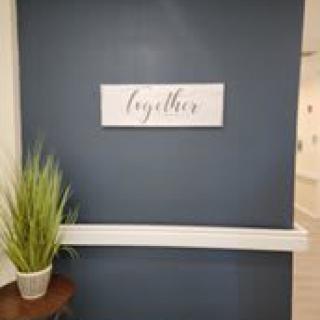
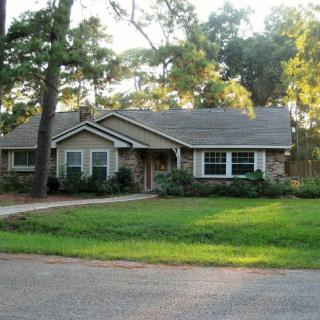
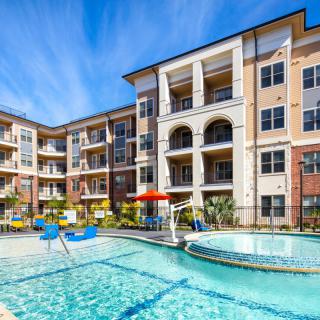
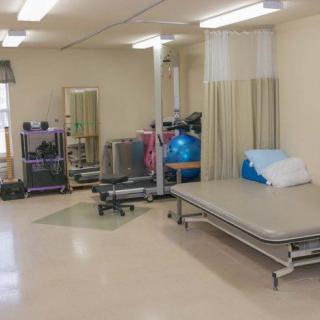
Windermere Estates Senior Living on seniors.fyi includes 17 photos including images showing interior, decor, landscaping, trees, bathroom, bedroom, garden, dining, and more.
Nearby Communities
VaughnGage Healthy Aging Center
Houston, TX
Close to many amenities and health resources
Park Manor Of Cyfair
Houston, TX
4.5 from 126 reviews
Clean facility with friendly staff and engaging activities.
Texas Institute For Clinically Complex Care
Houston, TX
3.9 from 34 reviews
Clean, pleasant environment with attentive therapists and generally good nursing care.
Morada Cy-Fair
Houston, TX
4.4 from 130 reviews
$1,570 to $3,895 / month
Caring, attentive staff; spacious apartments; friendly atmosphere with good dining and activities.
Cypress Assisted Living III
Houston, TX
4.4 from 5 reviews
$3,950 to $4,950 / month
Cozy, homelike atmosphere with attentive care when staff are present.
Apex Oaks at Cypress Assisted Living and Memory Care
Houston, TX
4.7 from 62 reviews
$2,795 to $3,995 / month
Friendly, attentive staff with individualized care in a clean, home-like setting.
Avista Home
Houston, TX
4.4 from 11 reviews
$3,000 to $4,000 / month
Small, intimate community with attentive staff and personalized care.
Arella on Jones Active Senior Community
Houston, TX
4.7 from 78 reviews
$1,869 to $2,410 / month
Luxurious community with excellent staff and extensive on-site amenities.
Legend Oaks Healthcare And Rehabilitation Of Northwest Houston
Houston, TX
4.7 from 100 reviews
Extensive amenities and 24/7 care, plus transportation, restaurant-style dining, and private furnished accommodations.
The article discusses assisted living expenses, the importance of long-term care insurance in covering these costs, and various financing options, highlighting the need for careful policy review and early planning to address potential needs. It also clarifies common misconceptions about Medicare and private health insurance limitations regarding long-term care coverage.
Assisted living facilities offer crucial support for older adults needing help with daily activities but come with varying and significant costs, which can be financed through personal savings, government assistance programs, long-term care insurance, and home equity options. Professional guidance from experts can aid families in navigating these financial complexities to establish a sustainable budgeting approach for assisted living services.
Assisted living costs often exceed Social Security benefits, necessitating a combination of funding sources like state aid and Medicaid. Understanding the interaction between Social Security programs and available financial support is essential for affording such care.
Get PricingAsk A QuestionSchedule A TourContact Senior Advisor
By clicking submit, you agree to our Partner's Terms of Use. You
also consent to receive calls and texts, which may be autodialed, from our Partner. Your consent is not a condition to
using our Partner's service. Please visit our Partner's Privacy Policy for information about their privacy practices.





 120 resident community capacity
 1-bedroom apartments
 Assisted Living
 Respite Care
 Cats allowed
 Dogs allowed
 Activities off-site
 Air-conditioning
 Beautician on-site
 Cable or satellite TV
 Cafe
Cafe Computer center
 Devotional services off-site
 Dining room
 Financing advice
 Fitness room
 Fully furnished
 Gaming room
 Garden
 Ground floor units
 Guest parking
 Handicap accessible
 Hiking trails
 Housekeeping services
 Indoor common areas
 Kitchenette
 Laundry
 Move-in coordination
 Outdoor common areas
 Overnight guests
 Party space
 Private bathrooms
 Restaurant-style dining
 Small library
 Telephone
 Wellness center
 Wheelchair accessible showers
 Wi-Fi/high-speed internet available
 George Bush Intercontinental (15 miles away)
 Community operated transportation
 12-16 hour nursing
 24-hour call system
 Ambulatory care
 Assistance with bathing
 Assistance with dressing
 Assistance with transfers
 Diabetes diet
 High acuity care
 Incontinence care
 Medication management
 Mental wellness program
 Physical therapy
 Special dietary restrictions
 Art classes
 Book club
 Concierge services
 Cooking club
 Educational speakers / life long learning
 Games
Games Happy hour
 Karaoke
 Live dance or theater performances
 Live musical performances
 Planned day trips
 Visiting chaplain or priest
 Wii bowling
 English
 Close to many amenities and health resources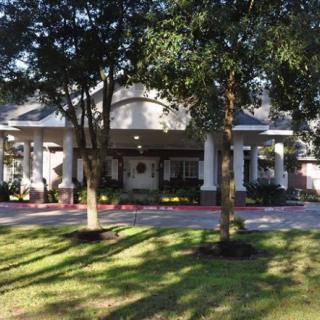

 Assisted Living Expenses and Long-Term Care Insurance: A Comprehensive Exploration
 Securing Financial Support for Assisted Living: A Comprehensive Overview
 Social Security Benefits and Assisted Living: Navigating Options Across the U.S.