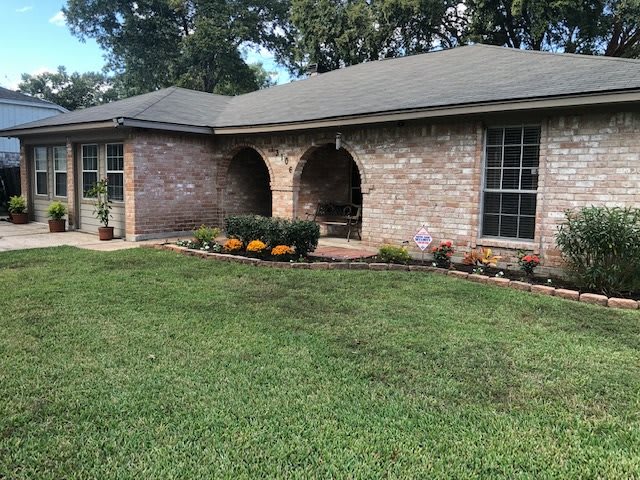
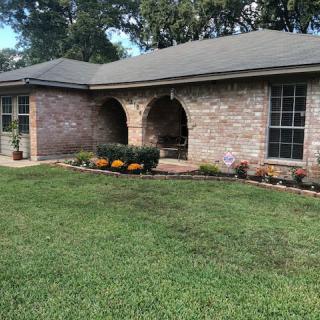
13106 Bexhill Dr, Houston, TX 77065
To contact a resident: (832) 773-7555
For more information about senior living options: (866) 208-4318
Cypress Assisted Living III Costs & Pricing
Cypress Assisted Living III offers competitive pricing for its residential care services, with monthly rates that reflect the quality of care and accommodations provided. For a semi-private room, residents can expect to pay $3,950, which is notably higher than both the average rate in Harris County at $3,518 and the statewide average of $3,680. In contrast, a private room at Cypress is priced at $4,950; this also surpasses the county's average of $3,784 and Texas' average of $4,096. While Cypress Assisted Living III may be positioned at a premium compared to regional averages, this investment often corresponds with enhanced services and amenities that contribute to a supportive living environment for residents.
| Floor plans | Cypress Assisted Living III | Harris County | Texas |
|---|---|---|---|
| Semi-Private | $3,950 | $3,518 | $3,680 |
| Private | $4,950 | $3,784 | $4,096 |
Senior living communities with a similar price nearby
-
from -$145 / mo

Vivid Life Residential Care
$3,805 to $4,200 / month21.9 miles away -
from -$500 / mo
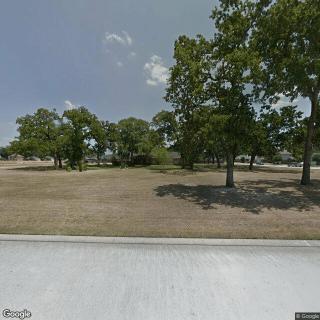
Cypress Assisted Living- Drake Prairie Lane
$3,450 / month1.7 miles away -
from -$200 / mo

Village Care Homes Park Avenue
$3,750 to $3,950 / month23.6 miles away -
from -$450 / mo
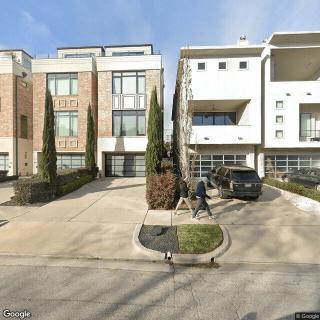
Houston - Arad Senior Care 1
$3,500 / month17.2 miles away -
from -$200 / mo
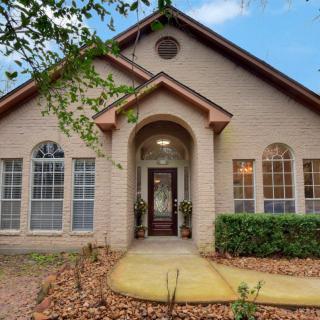
Village Care Homes - Stephen F Austin
$3,750 to $5,454 / month24.9 miles away
Overall Review of Cypress Assisted Living III
Pros
 Cypress Assisted Living offers unmatched compassion, flawless service, and a home filled with dignity.
- Every detail at Cypress Assisted Living shines as safe, vibrant, and truly extraordinary.
- Cypress Assisted Living is the gold standard of assisted living.
- Nelly and Denis are helpful and very resourceful in guiding families through transitions.
- The owners and caregivers are genuinely caring and make families feel like part of the family.
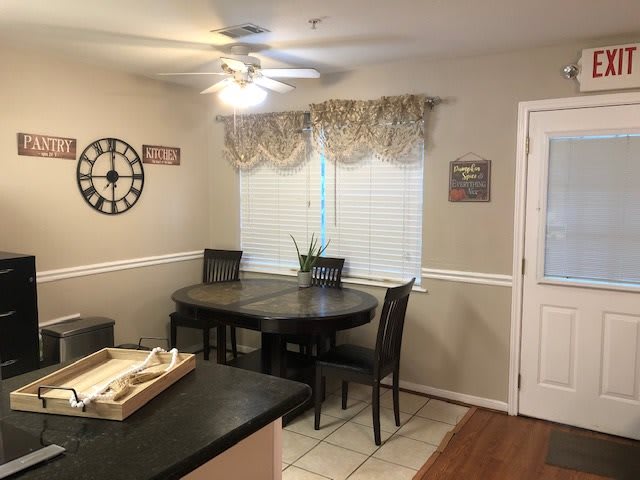
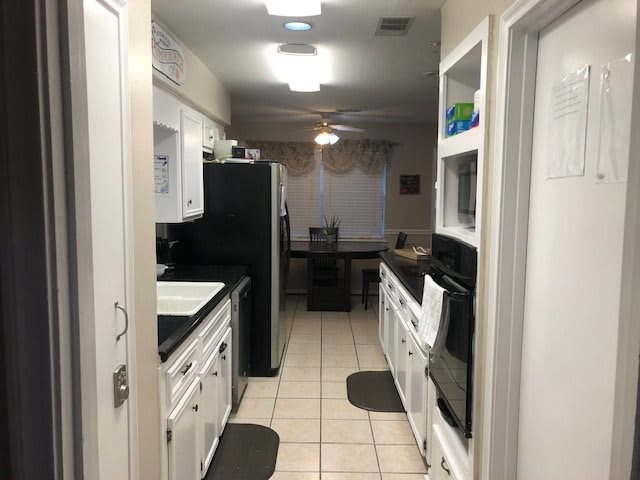
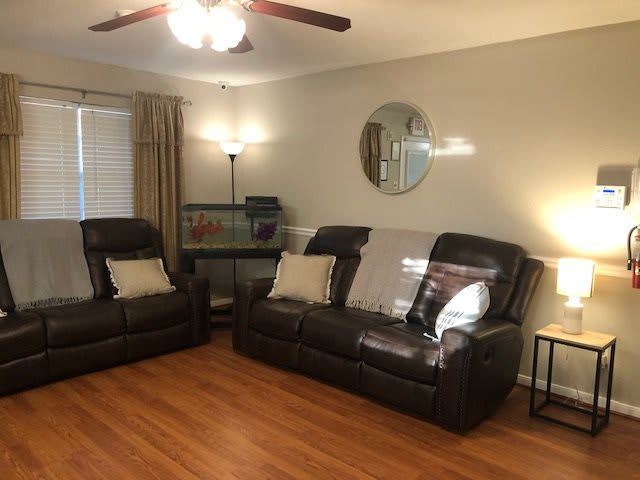
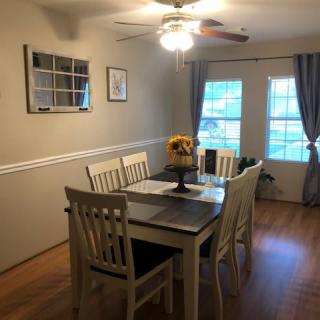
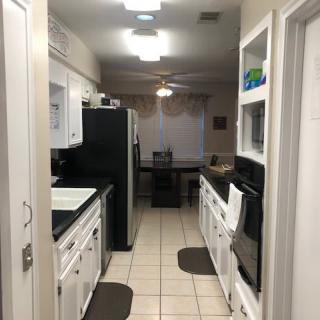
- The facility is clean, with caring staff who communicate well and provide healthy, prepared meals.
Cons
 The facility had a low staff-to-resident ratio.
- Only one staff member was observed.
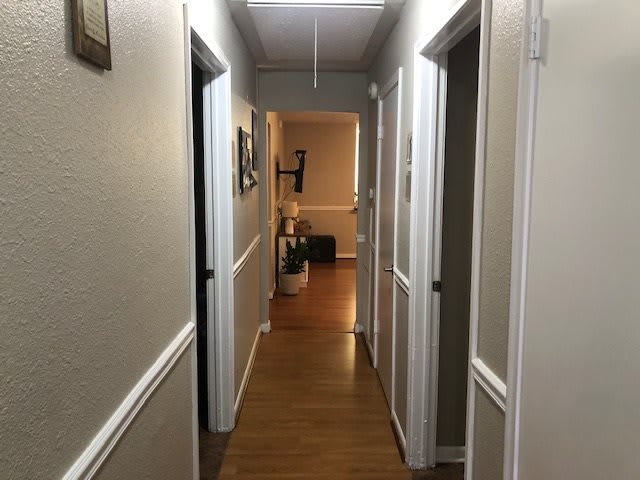
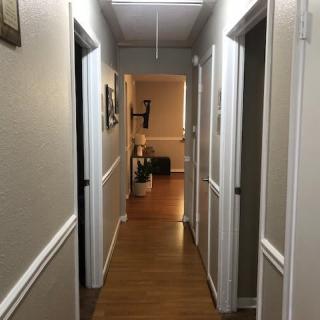
- There were many rugs on the floor.
- It appeared residents had bruises from falls.
Review
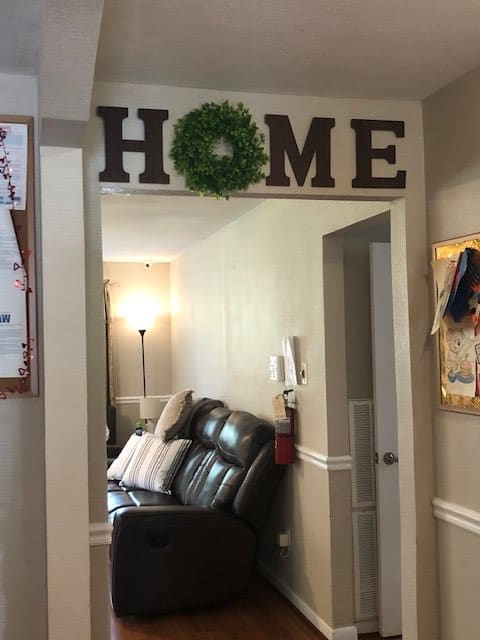
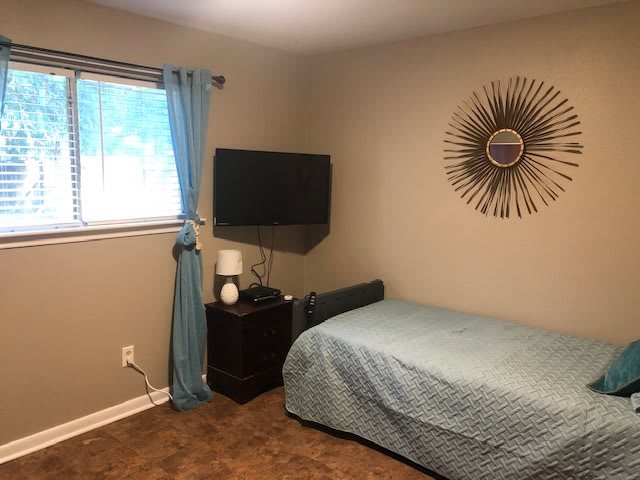
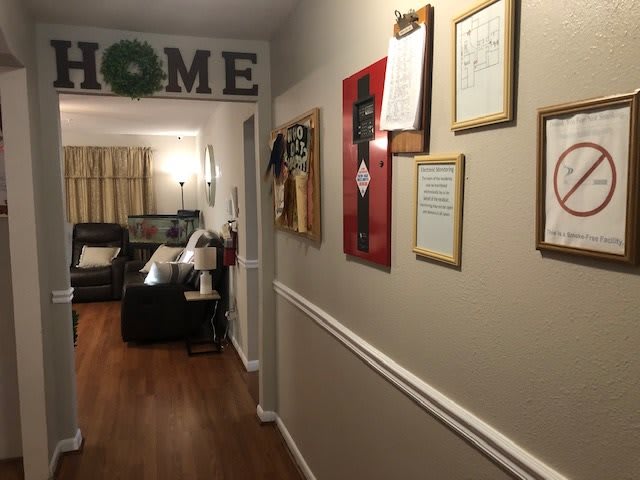
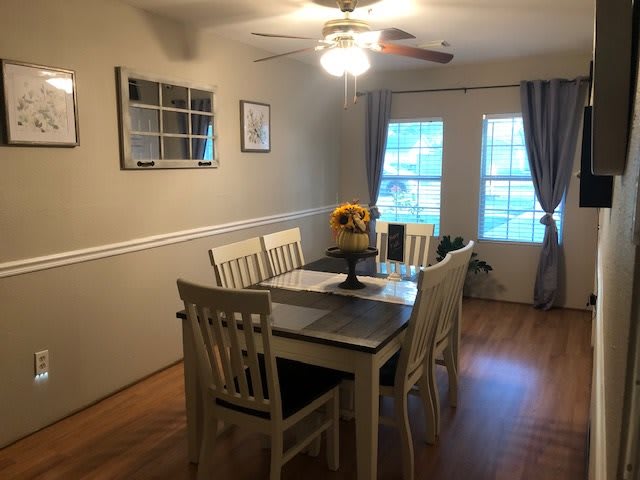
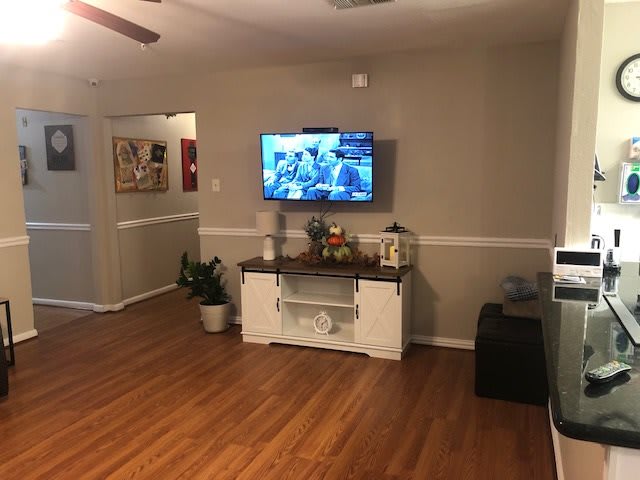
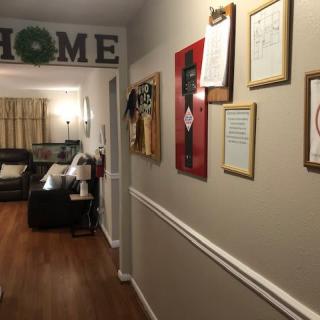
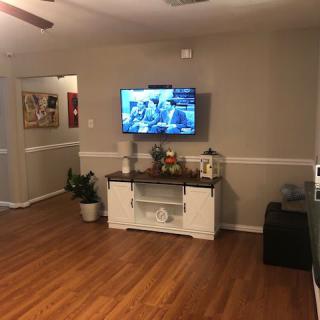
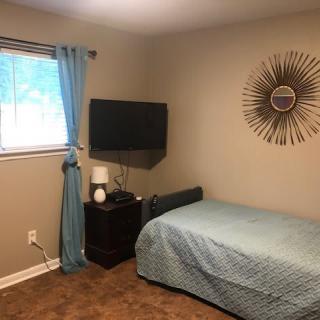
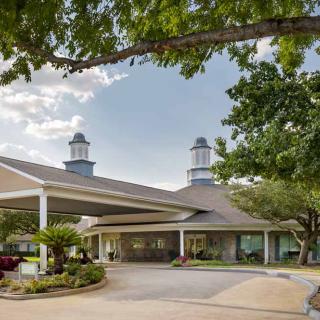
Cypress Assisted Living III in Houston is best suited for seniors who value a warm, family-like atmosphere where compassionate caregiving is the center of daily life. This community shines for families seeking a home that feels dignified, well-kept, and attentive, with staff who strive to make transitions smooth and relationships genuine. The strongest appeal lies in the sense of belonging conveyed by the owners and caregivers, who are repeatedly praised for their practical support during move-ins and for sustaining a high level of personal attention over time. It is a place where residents often thrive on personal connections, and where families note a noticeably positive impact on quality of life.
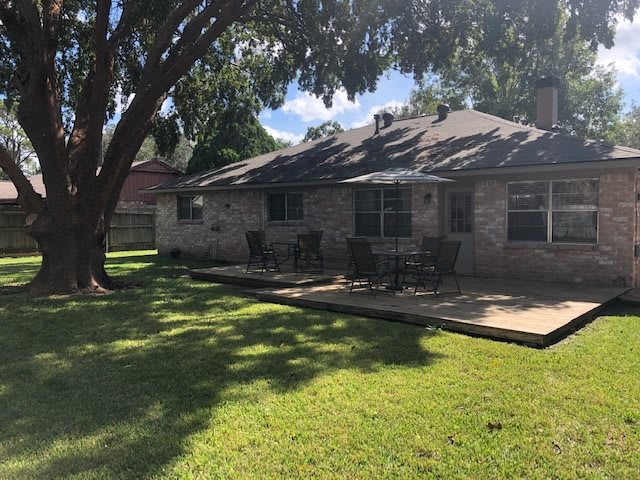
On the pro side, the staff’s genuine care stands out as the defining strength. Families describe a nurturing, “like family” culture, where caregivers communicate clearly and consistently with loved ones and coordinate with external service providers to ensure continuity of care. The environment itself supports dignity and safety through clean facilities and well-maintained spaces, with meals described as healthy and thoughtfully prepared. The move-in process is typically smooth, with staff moving quickly to make residents comfortable and integrate them into daily routines, a factor that reduces the usual anxiety surrounding transitions.
Food, cleanliness, and day-to-day reliability further buoy the experience. Regular, attentive communication with families helps assure them that a loved one’s needs are understood and anticipated, which matters when medical or personal assistance needs shift over time. The combination of a sense of safety, clean surroundings, and dependable routines can translate into steadier days for residents and reduced stress for families who must balance caregiving with other responsibilities. These elements collectively create a solid foundation for ongoing care, especially for residents who respond well to a stable, predictable environment.
However, there are material drawbacks that potential residents should weigh carefully. The most frequently cited concern is a low staff-to-resident ratio, with at least one observed instance where only a single staff member was visible on shift. If a loved one requires more hands-on assistance or rapid response times, this staffing level can become a meaningful constraint. Related safety concerns include reports of bruises from falls and several rugs scattered on the flooring, which can pose trip hazards and complicate mobility for residents with gait or balance impairments. These factors don’t negate the care quality, but they do raise legitimate questions about supervision and fall prevention.
Despite the positives, the staffing and safety gaps can offset some of the emotional and logistical benefits, particularly for families prioritizing high-intensity monitoring or specialized fall-prevention programs. The warm, responsive culture and strong communication may mitigate risks to an extent, but they cannot fully substitute for a higher ratio of caregivers or more robust safety infrastructure. For residents with advancing needs or those who rely heavily on continuous supervision, Cypress Assisted Living III may feel undersized in terms of staffing resources relative to the demand. In other words, the core strengths, compassion, communication, and a homey feel, are powerful, but they are not a complete antidote to the practical limits of staffing and physical safety features.
In deciding whether Cypress Assisted Living III is the right match, families should consider alternatives if the priority is around medical oversight and higher daily caregiver contact. Those with complex medical regimens, significant mobility challenges, or a pronounced risk of falls may want to compare communities with higher staffing ratios or enhanced fall-prevention programs, and with more extensive memory-care capabilities if needed. Prospective residents should observe both daytime and evening care dynamics, inquire about incident reporting, and request a candid assessment of how staff respond during peak hours. Finally, talk with current residents and families about daily life, meal satisfaction, and the consistency of safety practices to verify that the warmth and communication align with practical needs.
The practical takeaway is clear: Cypress Assisted Living III excels where emotional safety, dignity, and a home-like routine matter most, and where families can align expectations with the staffing realities in place. It is an excellent fit for seniors who respond well to a supportive, participatory culture and for families who value transparent communication and easy transition logistics. Those who require intensive daily oversight, robust fall-prevention infrastructure, or specialized care should approach with a plan to verify staffing levels, safety measures, and the facility’s capacity to scale care as needs evolve. A thoughtful visit, focusing on staffing patterns, safety features, and genuine interactions with staff and residents, will illuminate how well Cypress aligns with the specific care goals of a loved one.
 Board and Care Home
 Activities on-site
 Bath tubs
 Beautician on-site
 Devotional services on-site
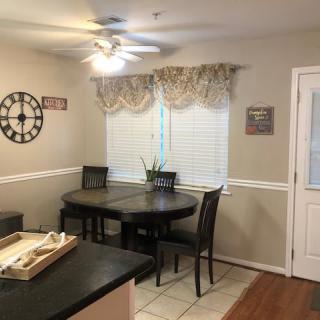
 Indoor common areas
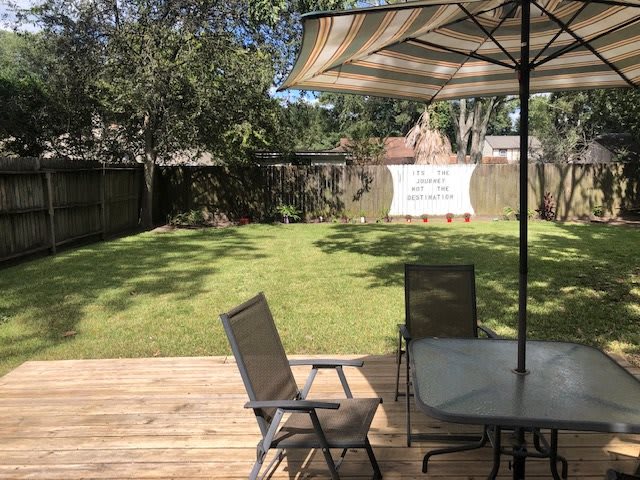
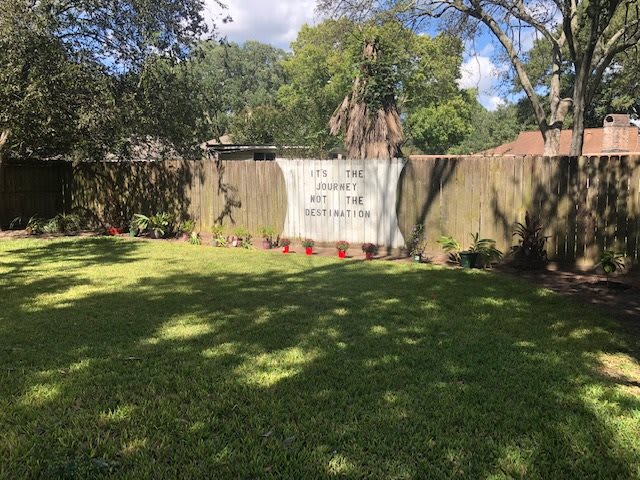
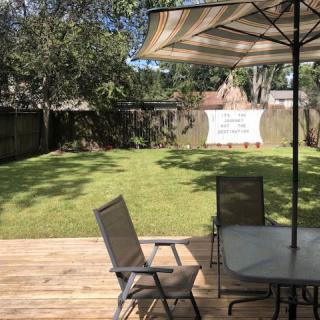
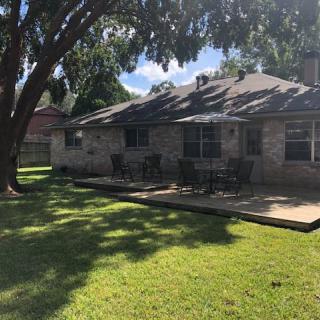
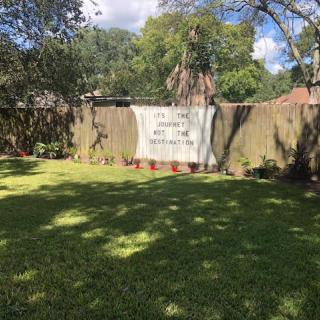
 Outdoor common areas
 Private
 Respite or short term stays offered
 Wheelchair accessible showers
 George Bush Intercontinental (16 miles away)
 Ambulatory care
 Diabetic care
 High acuity care
 Incontinence care
 Medication management
 Meals provided
 Birthday parties

 Understanding Home Health Care: A Comprehensive Guide
 Home Health Care Demystified: A Comprehensive Guide for Families and Caregivers
 Seniors and Modern Transportation: Exploring Uber, Lyft, and Other Ride-Hailing Options