















10050 West Rd, Houston, TX 77064
To contact a resident: (470) 363-0392
For more information about senior living options: (866) 208-4318
Lamie’s Care Assisted Living Costs & Pricing
Lamie's Care Assisted Living offers competitive pricing for its one-bedroom accommodations, with a monthly cost of $3,500. This rate is notably lower than the average for Harris County, which stands at $4,027, and also below the Texas state average of $3,761. By providing quality care at a more affordable price point compared to both local and statewide options, Lamie's Care demonstrates a commitment to accessibility in assisted living services. This combination of affordability and personalized care makes it an appealing choice for families seeking supportive living arrangements for their loved ones.
| Floor plans | Lamie’s Care Assisted Living | Harris County | Texas |
|---|---|---|---|
| 1 Bedroom | $3,500 | $4,027 | $3,761 |
Assisted Living communities with a similar price nearby
-
from +$305 / mo

Vivid Life Residential Care
$3,805 to $4,200 / month23.3 miles away -
About the same

Cypress Assisted Living- Drake Prairie Lane
$3,450 / month4.6 miles away -
from -$500 / mo

Plantation Assisted living B
$3,000 to $4,910 / month20.9 miles away -
from -$400 / mo

Ba Home Care
$3,100 / month15.2 miles away -
from +$300 / mo

Comfy Home
$3,800 to $4,800 / month19.2 miles away
Overall Review of Lamie’s Care Assisted Living
Pros
 Everyone at Lamie’s Care was super friendly and helpful.
- GB and his wife were personable and seemed to genuinely care about the people that stayed there and their families.
- The staff and the owner are fantastic.
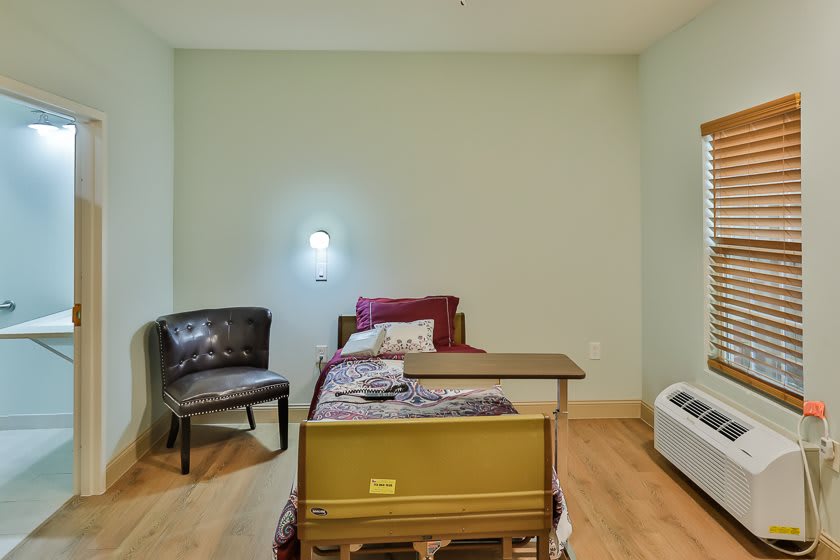
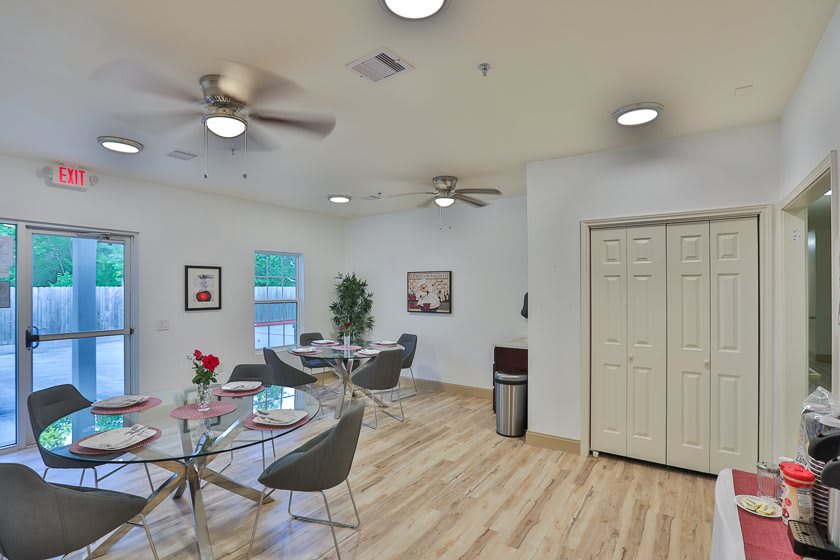
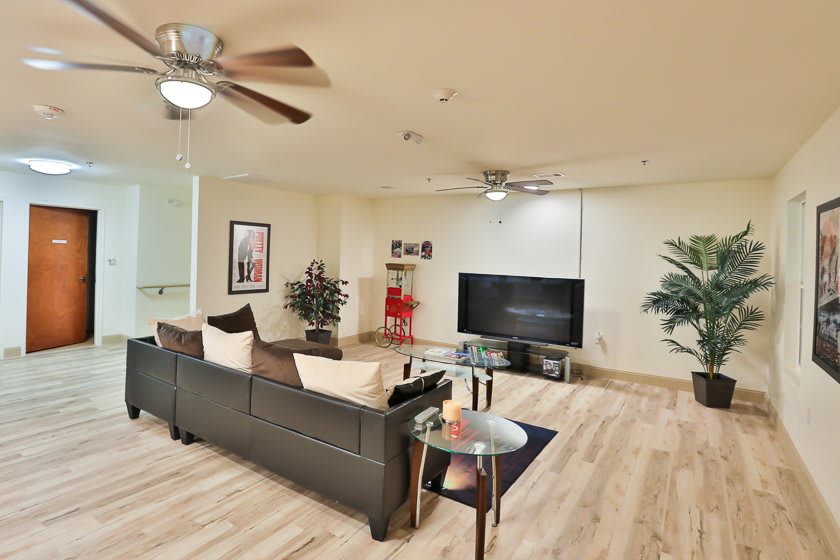
- The facilities are intimate and well kept.
- The staff were always patient and kind.
- Lamie’s Care provides a high level of care and attention.
- Their thoughtfulness will be warmly remembered.
Cons
 Lamie's Care stopped to exist in October 2024.
- The reviewer warned to be very careful about putting a loved one in this facility.
- A lady took the reviewer’s mother from the memory care facility without consent and placed her in grave danger, not knowing her medical issues.
- They coerced her into coming to their facility.
- They had no regard for the mother’s safety or any concern about the family who loves her.
- The reviewer asked what kind of person does that.
- The reviewer stated that the person should be ashamed.
- The reviewer would not trust a place like that with the care of their mother.
Review
Lamie’s Care Assisted Living in Houston is best suited for families seeking a small, home-like setting where staff form close relationships with residents and autonomy is visibly respected. The community appears ideal for seniors who can live with light-to-moderate support, where care is delivered with patience and a personal touch, rather than in a large campus with high turnover. Families that prize staff rapport, a warm, intimate atmosphere, and a setting designed to ease the transition from home will find the strongest alignment here. The positives consistently cited, friendly, caring personnel; personable ownership; and well-kept, intimate spaces, make the case for choosing a smaller, relationship-oriented option when these qualities matter most.
The strongest practical upside centers on staff devotion and a family-like approach. Reviewers repeatedly describe patient handling of difficult behaviors, genuine care from GB and his wife, and a sense that residents are treated with respect and kindness. The setting is portrayed as intimate and manageable, with owners and caregivers who communicate openly and who actively advocate for residents’ preferences. Families report that care teams reduce the stress of moving a loved one into assisted living, and that residents experience individualized attention rather than impersonal treatment. For households prioritizing meaningful daily interactions and a trusted person-to-person dynamic, these are meaningful advantages.
Yet these strengths sit against a troubling counterpoint. A highly concerning account alleges coercion and safety risk, claiming a resident was moved from a memory care facility without consent, with serious implications for medical fit and family trust. Compounding that is a claim, reported in the same vein, that the community may have ceased operations in October 2024. Taken together, these red flags raise legitimate questions about safety, consent, and continuity of care. Even if some families have had positive experiences, the combination of alleged coercion risks and potential closure creates a stability problem that cannot be ignored when planning long-term placements for loved ones.
The pros and cons do not cancel each other out; they instead illuminate a critical balance. The genuine warmth and personalized attention can deliver a high-quality daily experience and meaningful autonomy for residents who fit the model. However, if the facility is not reliably operating or if there are unresolved questions about consent and safety, those benefits are overwhelmed by risk. For families facing a need for predictable continuity, especially for memory care needs or for caregivers who require assurance that a facility will remain available, these questions significantly erode confidence in a long-term commitment.
Given the uncertainties, a practical decision framework emerges. Those with mild-to-moderate needs who value a tight-knit, affectionate environment and who can tolerate the possibility of operational disruption may still find merit in exploring Lamie’s further, provided current status and licensing are verified and a concrete transfer plan is secured. However, families prioritizing unwavering operational stability, rigorous safety protocols, and transparent consent practices should consider alternatives first. There are other small, intimate homes with proven continuity and strong staff engagement worth evaluating that do not carry the same red flags.
If pursued, an appraisal-driven next step plan is essential. Verify the current operating status and licensing with the state, obtain recent inspection reports, and request a clear, written explanation of policies on consent, admission procedures, and resident protections. Speak directly with multiple staff and families, and, where possible, visit unannounced to observe daily routines and safety practices. Compare with similarly sized, well-reviewed communities known for stable operations and documented autonomy-supportive care. In the end, the strongest recommendation is to align choice with long-term security: if Lamie’s status remains uncertain, or if questions about safety or consent persist, steer toward more established alternatives while continuing to evaluate options in this intimate, caregiver-focused category.
 Assisted Living
 Activities on-site
 Air-conditioning
 Full kitchen
 Ground floor units
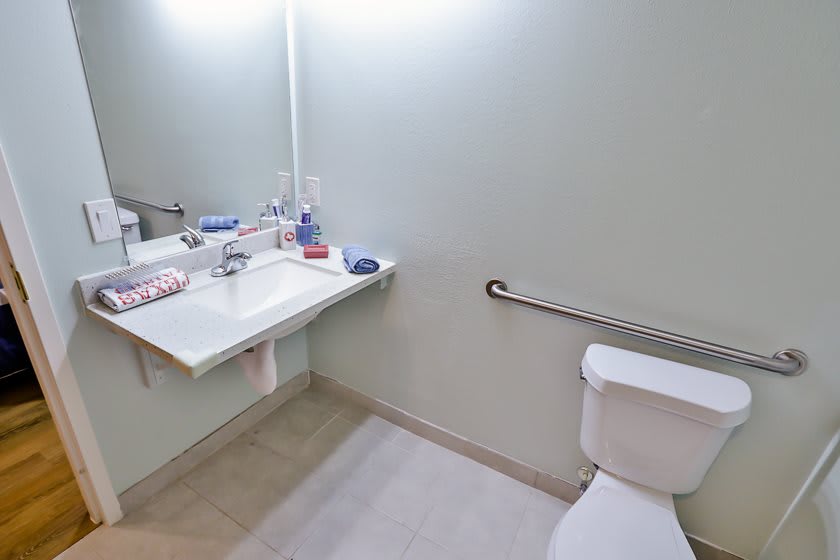
 Handicap accessible
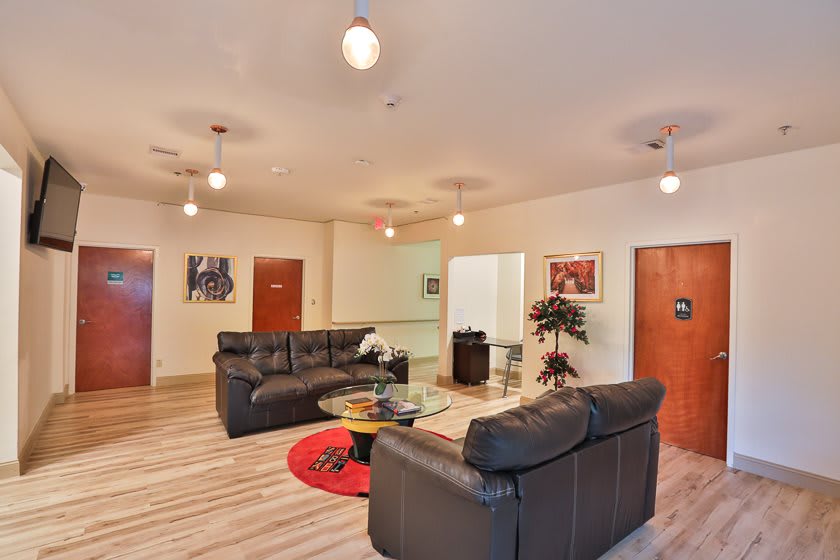
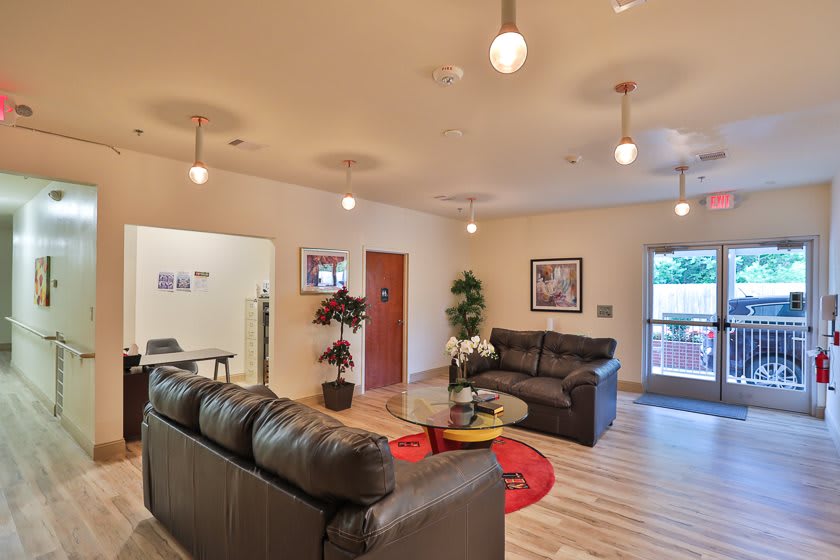
 Indoor common areas
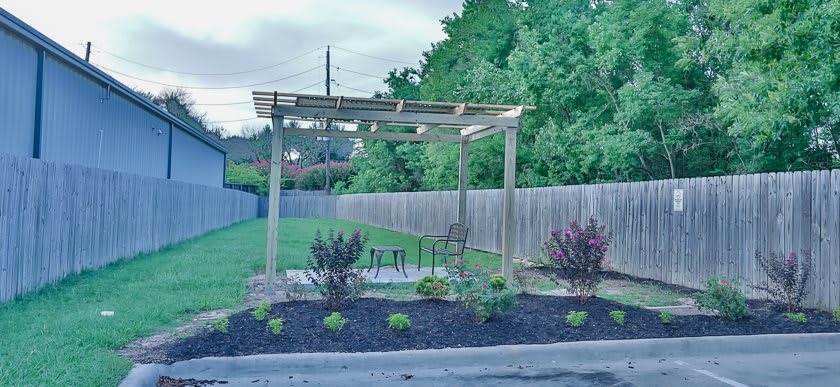
 Outdoor common areas
 Private bathrooms
 Wheelchair accessible showers
 George Bush Intercontinental (14 miles away)
 Ambulatory care
 Diabetic care
 Incontinence care
 Medication management
 Meals provided
 Birthday parties
 Educational speakers / life long learning
 Gardening club
 Happy hour
 Stretching classes








 Social Security Benefits and Assisted Living: Navigating Options Across the U.S.
 An Extensive Exploration of the VA Aid and Attendance Benefit
 Senior Transition Services: Understanding Their Role, Cost, and Importance