Grand Brook Memory Care Of Garland Costs & Pricing
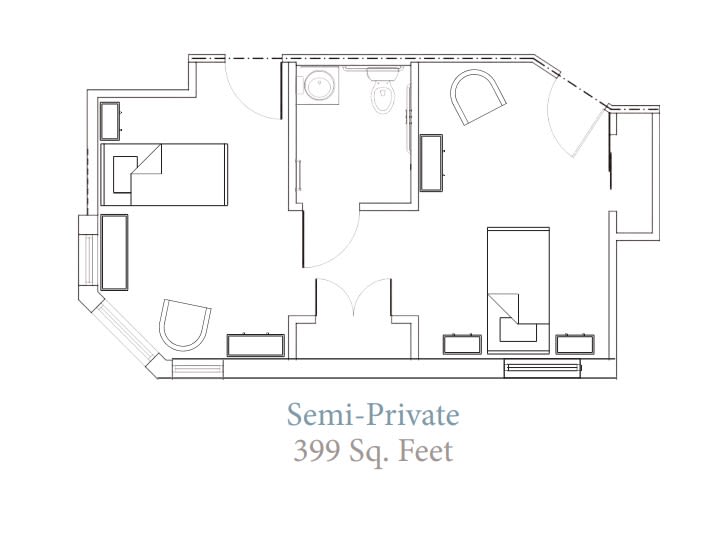
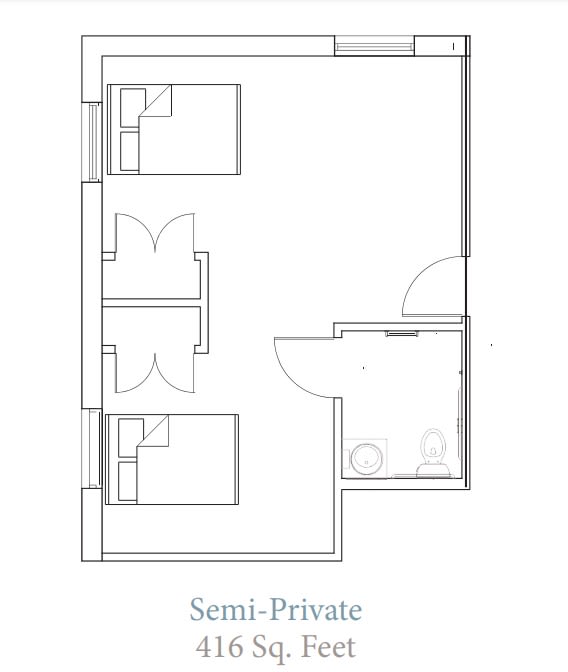
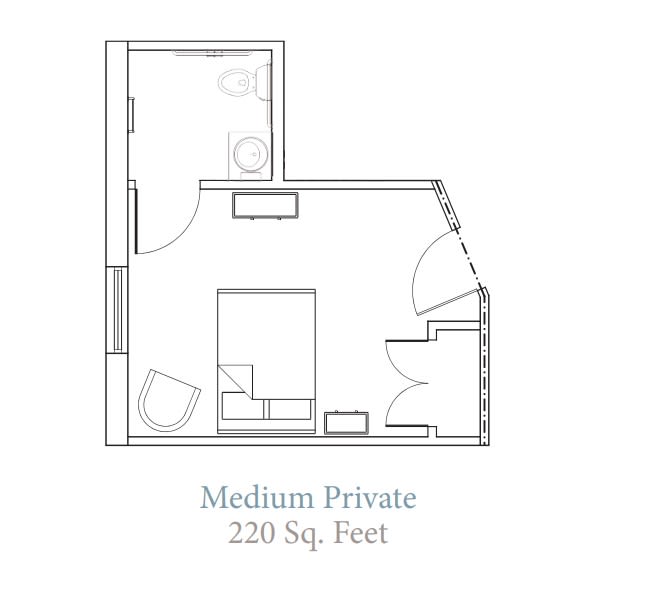
Grand Brook Memory Care of Garland offers specialized care for seniors with memory-related conditions, and its pricing reflects the quality and level of services provided. For a semi-private room, residents can expect to pay $6,400 per month, significantly higher than the average cost in Dallas County ($3,535) and the state of Texas ($3,680). Likewise, a studio room at Grand Brook is priced at $6,925, which also surpasses the county's average of $3,625 and the state's $3,758. While these costs may appear steep compared to local averages, they can be attributed to the exceptional care standards and specialized programming that aim to enhance the quality of life for residents dealing with memory impairments.
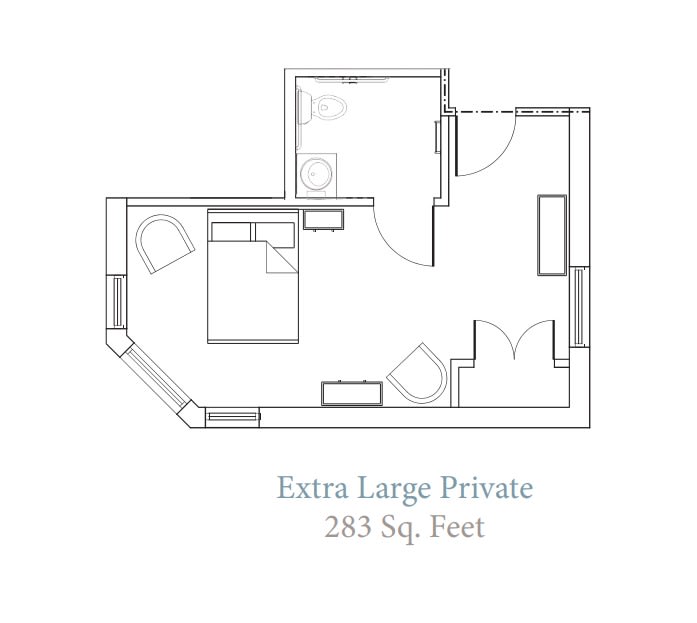
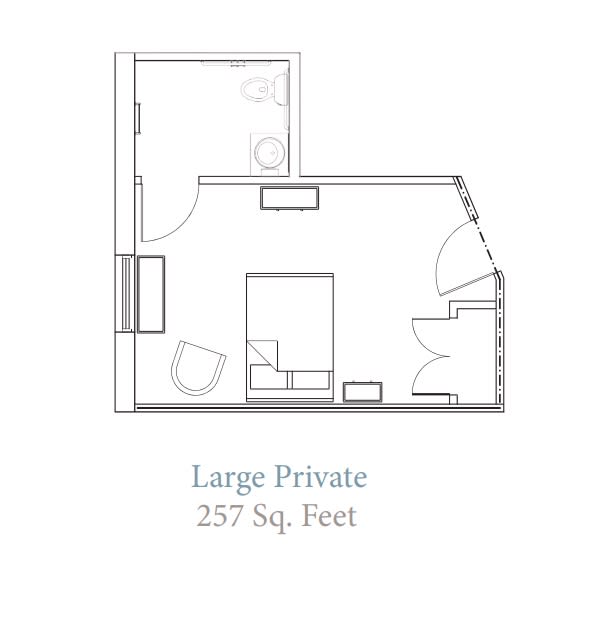
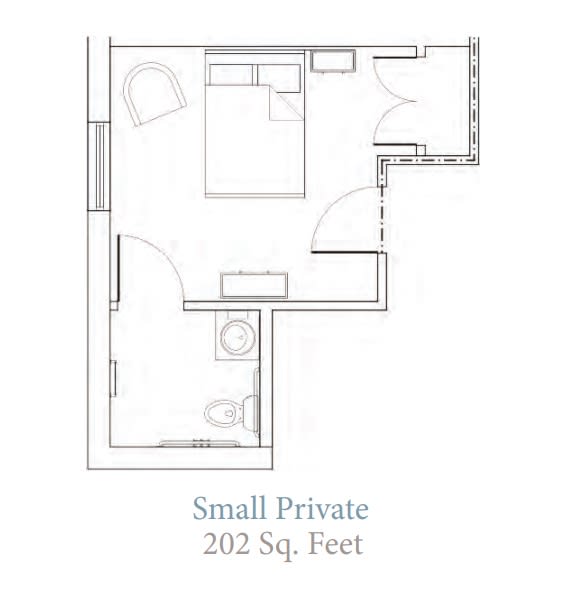
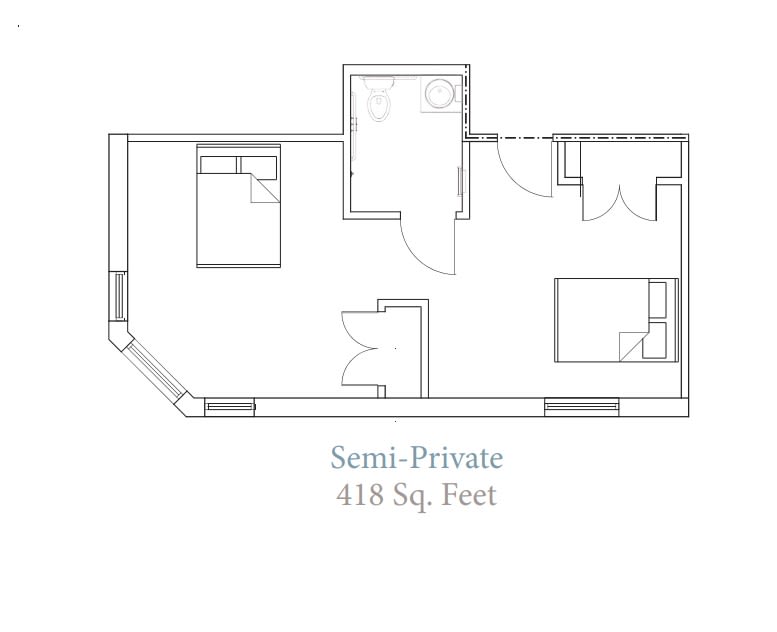
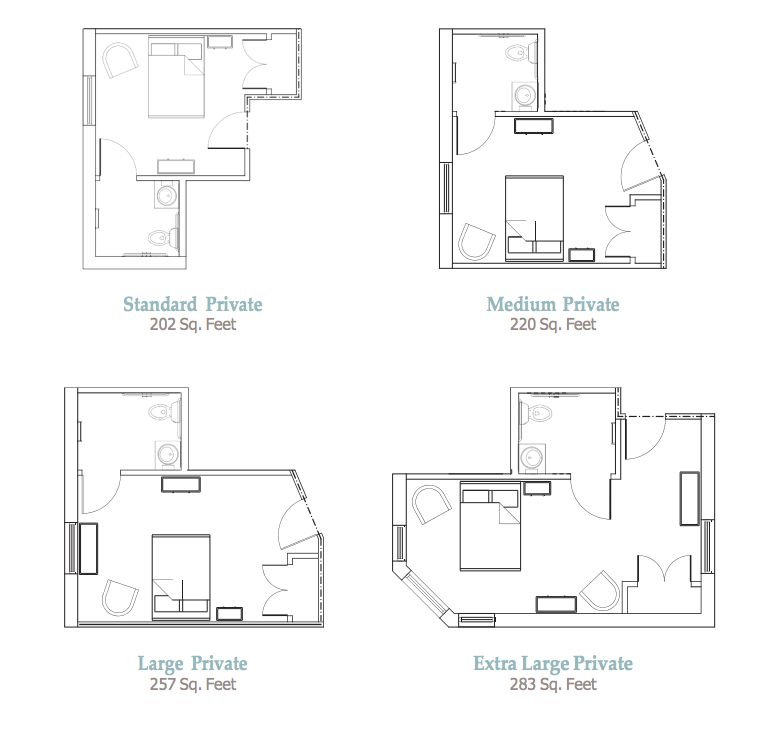
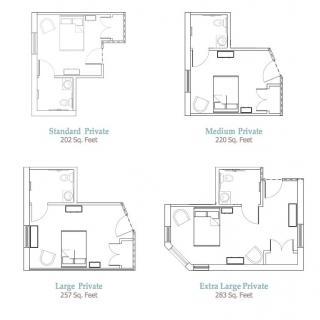
Floor plans
Grand Brook Memory Care Of Garland
Dallas County
Texas
Semi-Private
$6,400
$3,535
$3,680
Studio
$6,925
$3,625
$3,758
Memory care communities with a similar price nearby
Overall Review of Grand Brook Memory Care Of Garland
common
Caregivers are genuinely attentive
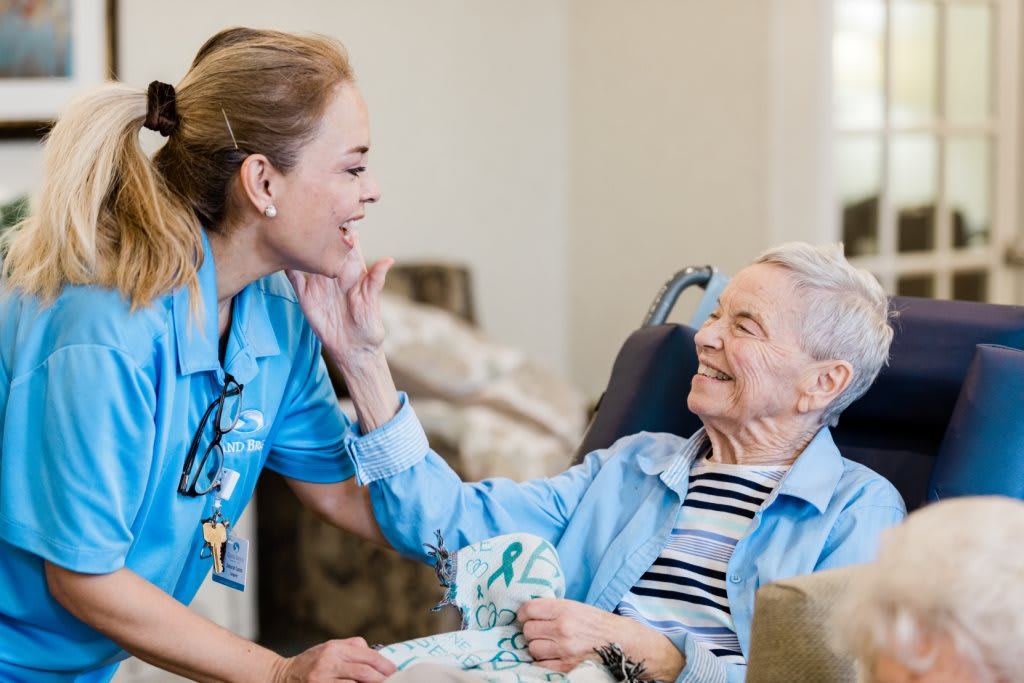
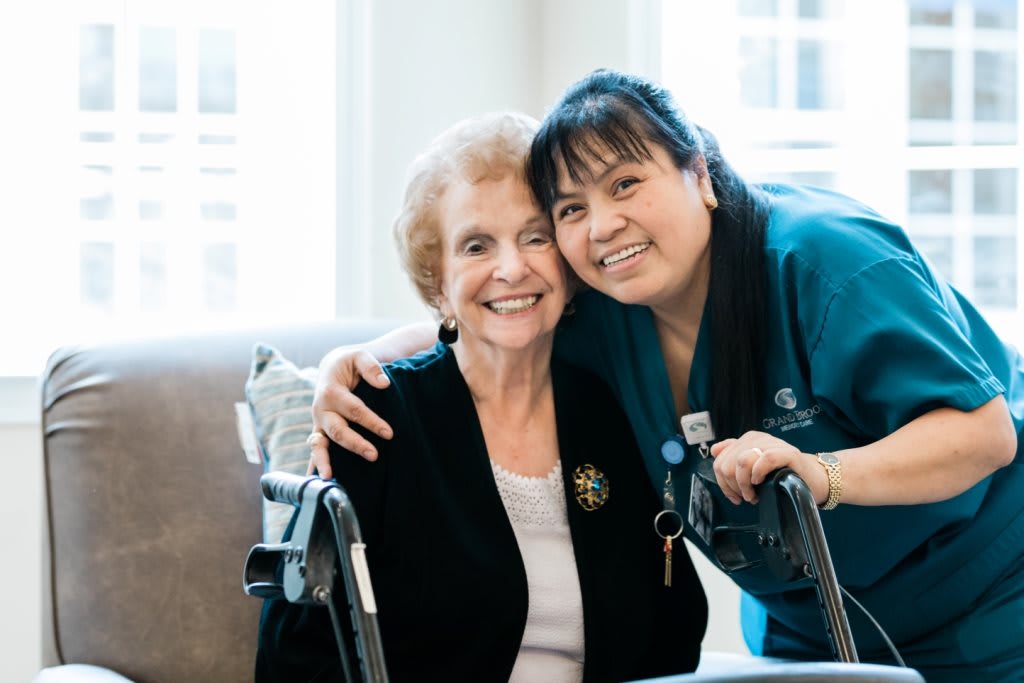
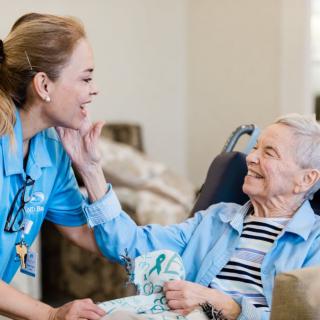
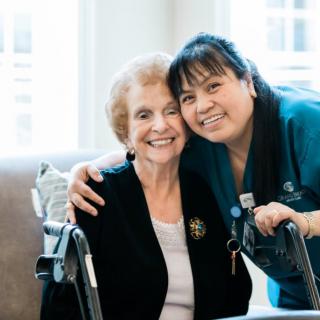
Residents and families consistently describe caregivers as loving and attentive.
Many reviews emphasize that staff know residents well, treat them with dignity, and respond quickly when needs come up. Families also describe ongoing communication, including updates and support for caregivers and family members. A few reviewers also highlight calm, respectful interactions and patience, with staff stepping in to help and redirect residents throughout the day.
common
Daily activities keep residents engaged
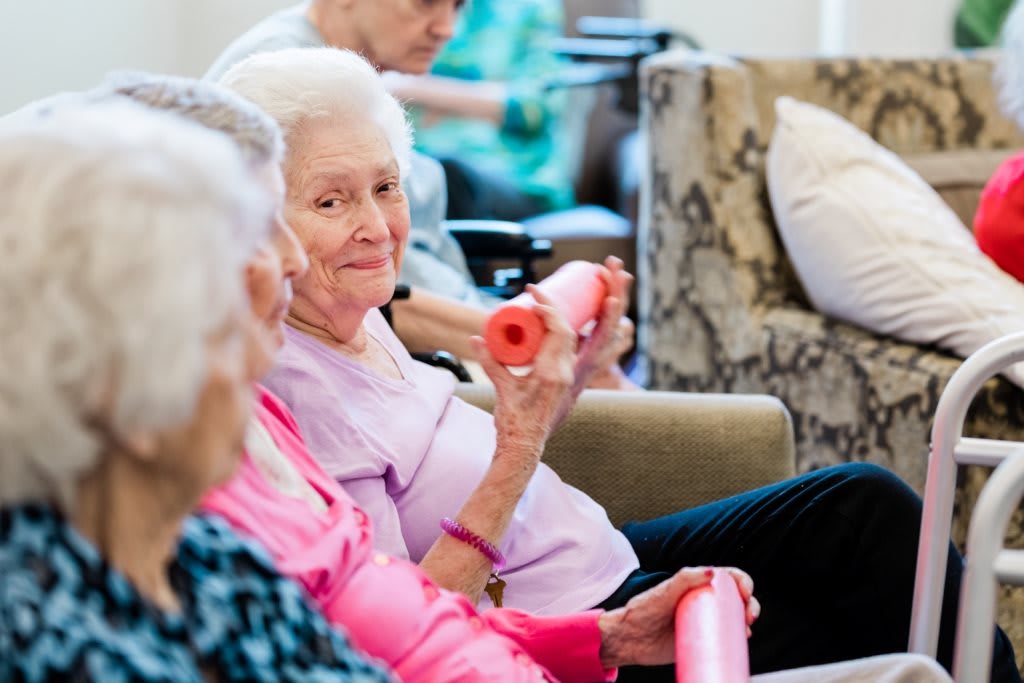
Residents are kept active with frequent, structured activities throughout the day.
Reviews repeatedly mention that residents spend less time isolated in their rooms and more time participating in group activities. Families describe seeing exercise, music, singing, bingo, and entertainment, along with staff working to get residents outside their rooms. This aligns with what the community offers as scheduled daily activities, devotional programming, and community-sponsored events.
common
Dining and chefs receive praise
Dining is a frequent bright spot, with residents often described as enjoying meals.
Several reviews mention food being well balanced, delicious, and something residents look forward to, including improvements in appetite and calmness. Families also describe meals and social dining experiences that bring family together during special occasions. The community lists restaurant-style dining and meal service, which matches the way residents and families talk about the food and overall dining experience.
caveat
Memory care pricing is high
Pricing is described as expensive, even when families feel it delivers value.
Multiple reviewers acknowledge the reality that memory care is costly, while some say Grand Brook offers good value for what families get. One review specifically mentions relief about not seeing price increases, while another frames the overall cost as still high but manageable given care continuity. Price information is positioned as the main tradeoff compared with the broader market context for both studio and semi-private options.
common
Facility feels clean and home-like
The building and rooms are repeatedly described as clean, well-kept, and welcoming.
Many reviews highlight cleanliness and neatness, with families describing the facility as decorated and maintained in a way that feels comfortable. Several reviewers also point to common areas and gardens, and some describe room details like comfort and organization. This is consistent with the community offering features like indoor and outdoor common spaces and housekeeping support, which helps reinforce what residents and families notice day to day.
How we summarize
We summarize when many written reviews mention each theme; a review can touch several themes, and only frequently mentioned themes are displayed.
Features
Housing
46 resident community capacity
Types of Care
Assisted Living
Memory Care
Respite Care
Pets
Dogs allowed
Amenities
Activities off-site
Activities on-site
Air-conditioning
Beautician on-site
Beauty salon
Cable or satellite TV
Devotional services on-site
Dining room
Fully furnished
Garden
Ground floor units
Handicap accessible
Housekeeping services
Indoor common areas
Kitchenette
Move-in coordination
Outdoor common areas
Outdoor space
Private bathrooms
Respite or short term stays offered
Restaurant-style dining
Small library
Telephone
Wheelchair accessible showers
Wi-Fi/high-speed internet available
Transportation
Dallas Love (14 miles away)
Dallas-Fort Worth International (22 miles away)
Care Services
24-hour call system
24-hour supervision
Activities of daily living assistance
Assistance with bathing
Assistance with dressing
Assistance with transfers
Diabetes diet
Diabetic care
High acuity care
Incontinence care
Meal preparation and service
Medication management
Mental wellness program
Mild cognitive impairment
Special dietary restrictions
Specialized memory care programming
Dining
Anytime dining
Diabetes diet
Gluten-free
Guest meals
International cuisine
Kosher
Low / no sodium
Meals provided
No Sugar
Organic
Professional chef
Room service
Special dietary restrictions
Special dining programs
Vegan
Vegetarian
Activities
Art classes
Bible study group
Community-sponsored activities
Cooking classes
Day trips and outings
Devotional activities on-site
Happy hour
Karaoke
Live dance or theater performances
Live musical performances
Live well programs
Other religious services
Resident-run activities
Scheduled daily activities
Visiting Rabbi
Visiting chaplain or priest
Videos
Nearby Places of Interest
This area of Garland, Texas offers a variety of amenities and services that may be appealing to seniors looking for a comfortable and convenient living environment. With multiple dining options nearby, such as Pangea, Sonic Drive-In, and Chick-Fil-A, there are plenty of choices for meals and socializing. The proximity to pharmacies like Walgreens and CVS Pharmacy ensures easy access to medications and healthcare essentials. Additionally, the presence of Baylor Medical Plaza and other medical facilities provides peace of mind in case of any health concerns. For recreation, residents can enjoy parks like Memorial Park and Lochwood Park for outdoor activities or catch a movie at the Alamo Drafthouse Cinema. Overall, this area offers a mix of dining options, healthcare services, recreational opportunities, and places of worship to cater to the needs of seniors seeking a vibrant community in Garland.
Restaurants
Pangea (0.7 miles)
Sonic Drive-In (1.1 miles)
McDonald's (1.2 miles)
Waffle O’licious (2.5 miles)
Little Caesars Pizza (2.7 miles)
Chick-Fil-A (2.9 miles)
Torchy’S Tacos (3.4 miles)
Physicians
Baylor Medical Plaza (1 miles)
Elizabeth Jekot Breast Imaging Center (2.2 miles)
Eye Care Associates (5.6 miles)
Eminent Medical Center (5.8 miles)
The ENT & Allergy Centers of Texas (7.1 miles)
Pharmacies
Walgreens (1.2 miles)
CVS Pharmacy (1.8 miles)
Walgreens (2.7 miles)
CVS Pharmacy (2.8 miles)
Walgreens (3.1 miles)
Walgreens (3.8 miles)
Walgreens (4 miles)
Transportation
Arapaho Center Station (3.4 miles)
Places of Worship
Shiloh Missionary Baptist Church (4.2 miles)
Chase Oaks Church (7.3 miles)
Episcopal Church Of The Transfiguration (7.3 miles)
Crossroads Church (8 miles)
Gateway Community Church (8 miles)
Ridge Pointe Fellowship (8 miles)
First Baptist Wylie (8.1 miles)
Theaters
Alamo Drafthouse Cinema (4.4 miles)
Cinemark Holdings (7.4 miles)
Alamo Drafthouse Lake Highlands (8.2 miles)
Cafes
Black Rock Coffee Bar (5.7 miles)
Red Truck Cafe (5.9 miles)
Starbucks (6.5 miles)
Starbucks (7.4 miles)
Mozart Bakery (7.5 miles)
Starbucks (7.6 miles)
Mimi's Star Cafe (8.2 miles)
Parks
Memorial Park (7.5 miles)
Lochwood Park (7.8 miles)
R.P Brooks Park (7.8 miles)
Hoblitzelle Park (7.9 miles)
Wylie Community Park (8 miles)
Hospitals
The Heart Hospital Baylor Plano (8 miles)
Texas Health Presbyterian Hospital Dallas (8.2 miles)
Grand Brook Memory Care of Garland offers specialized care for seniors with memory-related conditions, and its pricing reflects the quality and level of services provided. For a semi-private room, residents can expect to pay $6,400 per month, significantly higher than the average cost in Dallas County ($3,535) and the state of Texas ($3,680). Likewise, a studio room at Grand Brook is priced at $6,925, which also surpasses the county's average of $3,625 and the state's $3,758. While these costs may appear steep compared to local averages, they can be attributed to the exceptional care standards and specialized programming that aim to enhance the quality of life for residents dealing with memory impairments.
At Grand Brook Memory Care of Garland, the comprehensive features offered create a supportive environment tailored to the unique needs of individuals with memory impairments such as dementia or Alzheimer's disease. The 24-hour supervision ensures residents are consistently monitored and receive immediate assistance, enhancing their safety and comfort. Personalized assistance with activities of daily living--such as bathing, dressing, and transfers--ensures that each resident can maintain dignity while receiving the help they require for independence. Incontinence care is thoughtfully addressed to promote hygiene and confidence. Meal preparation and service not only provide balanced nutrition but also foster social interaction during shared dining experiences, which can be comforting for residents. Medication management is crucial to ensure proper adherence to prescribed treatments, while a mental wellness program enhances cognitive engagement through therapeutic activities designed for various stages of cognitive decline. Specialized memory care programming further tailors activities that encourage reminiscence and cognitive stimulation, addressing the specific challenges faced by those with mild cognitive impairment and advancing stages of memory loss. Together, these features create an enriching atmosphere that prioritizes both physical well-being and emotional health.
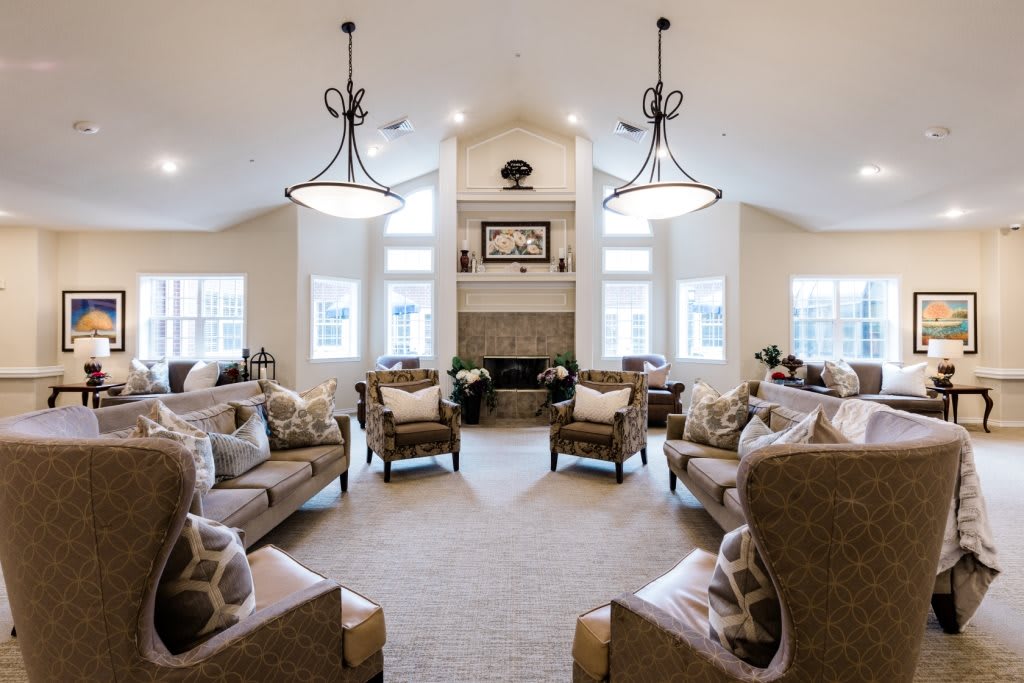
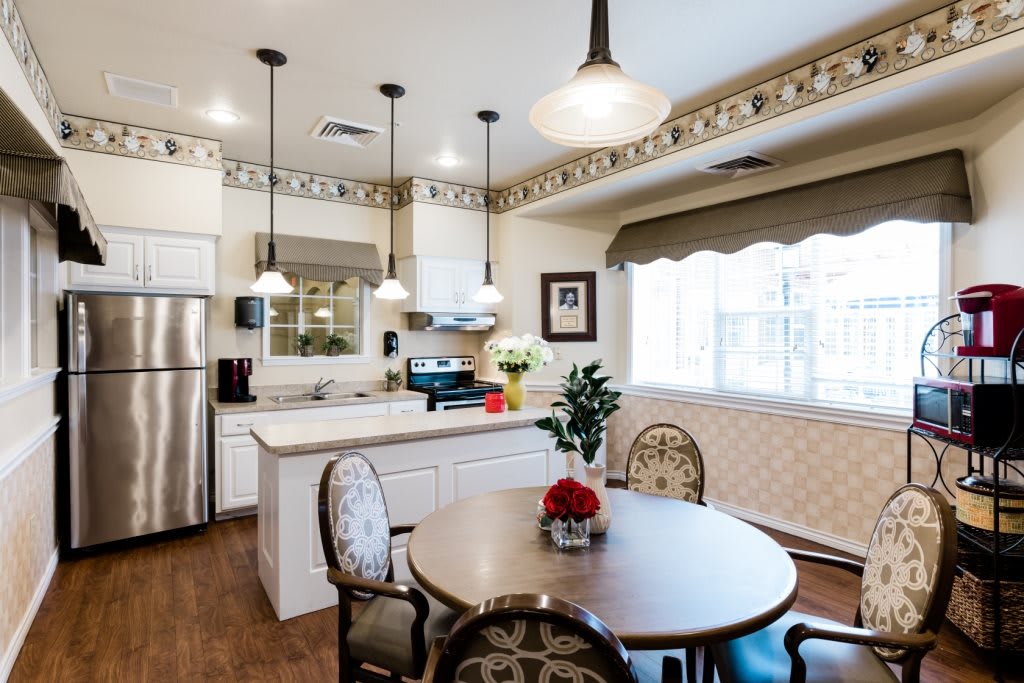
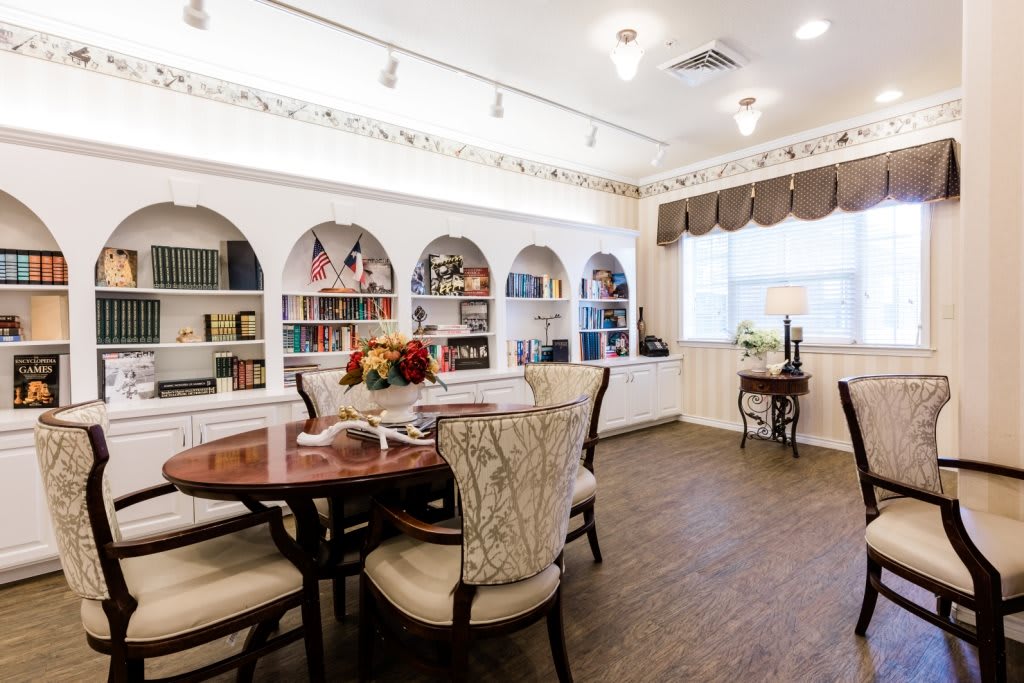
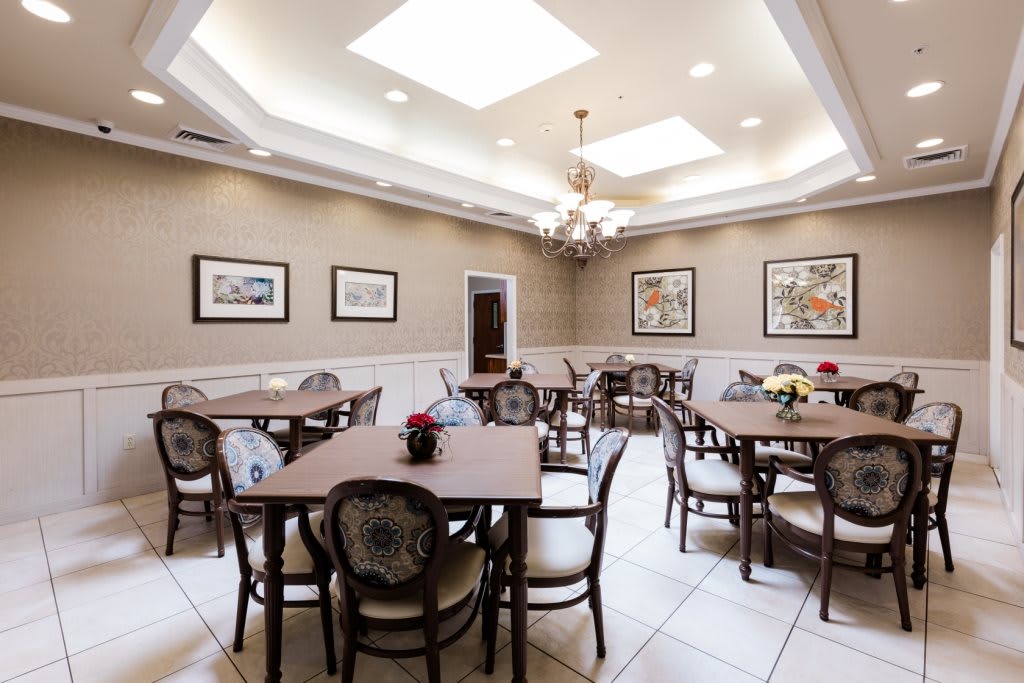
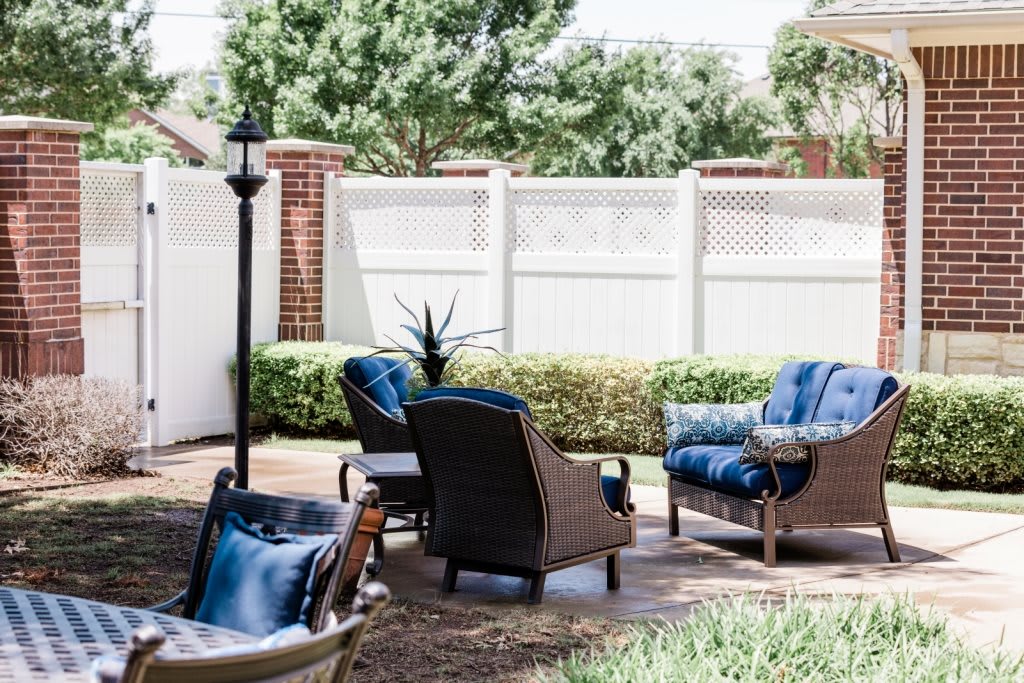
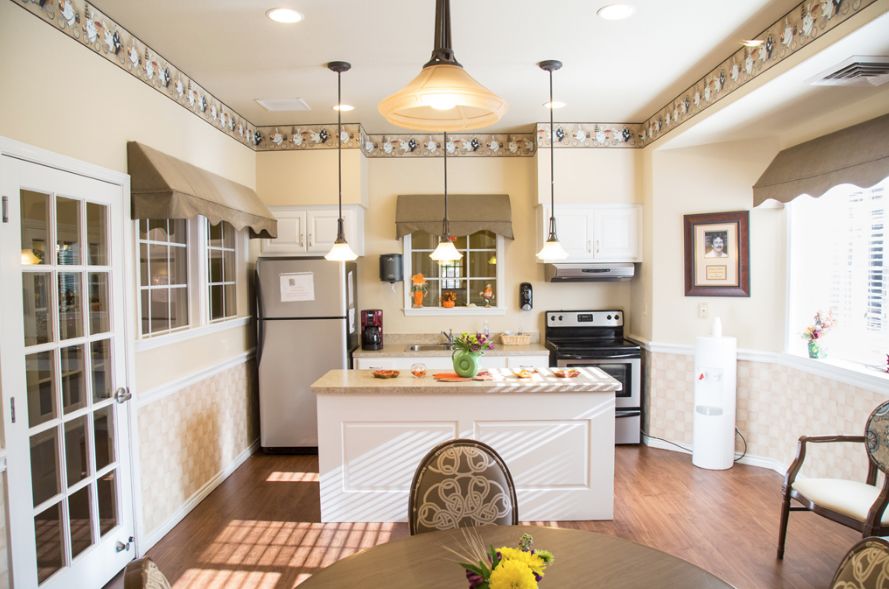
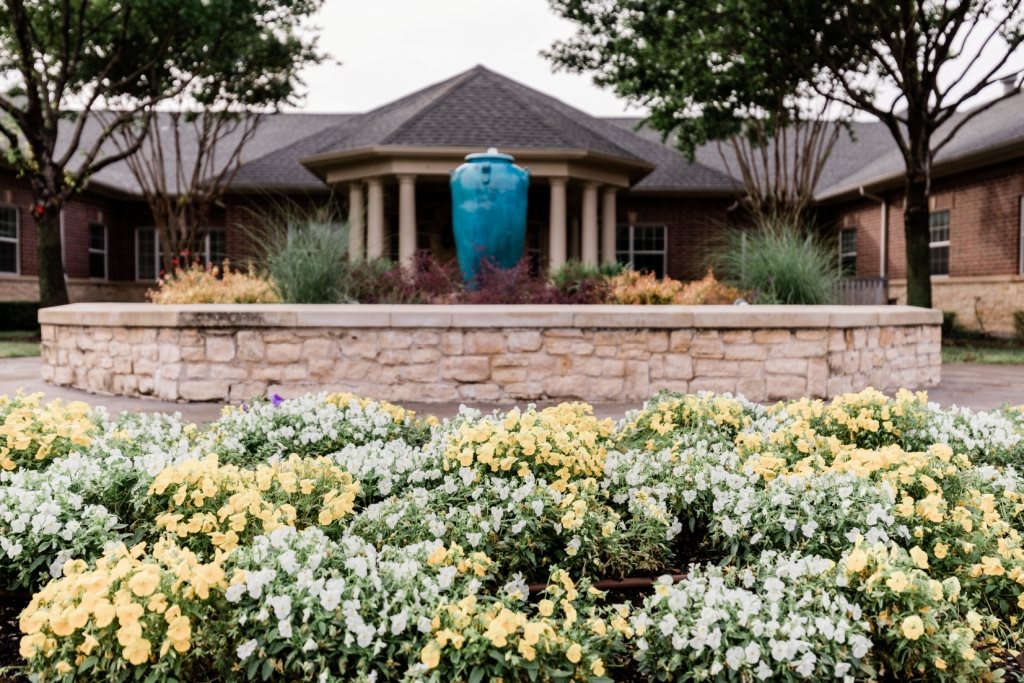
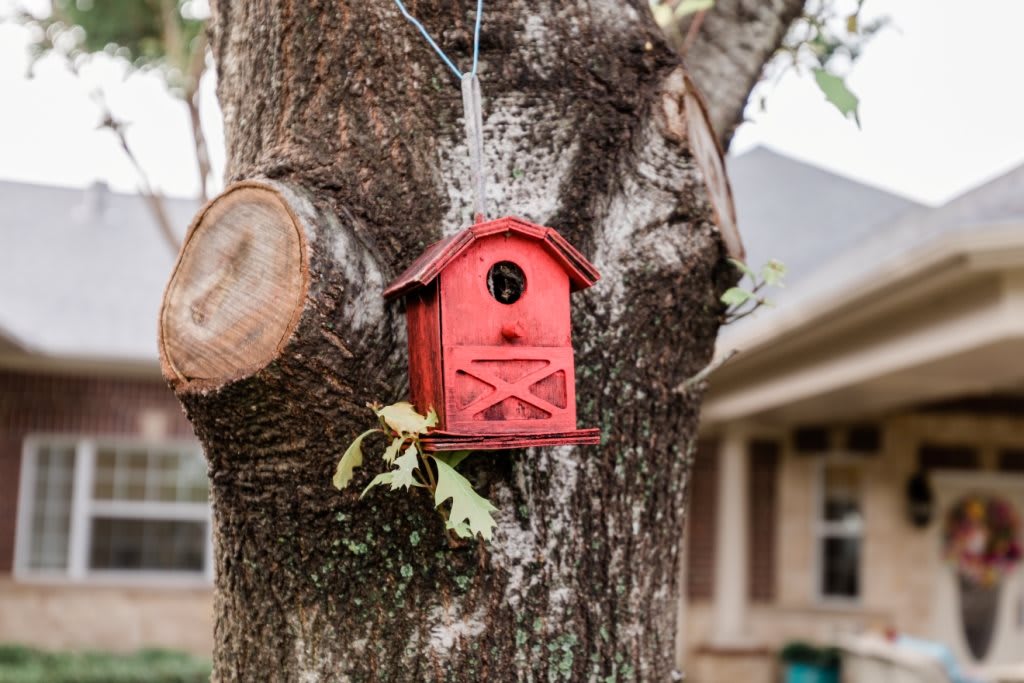
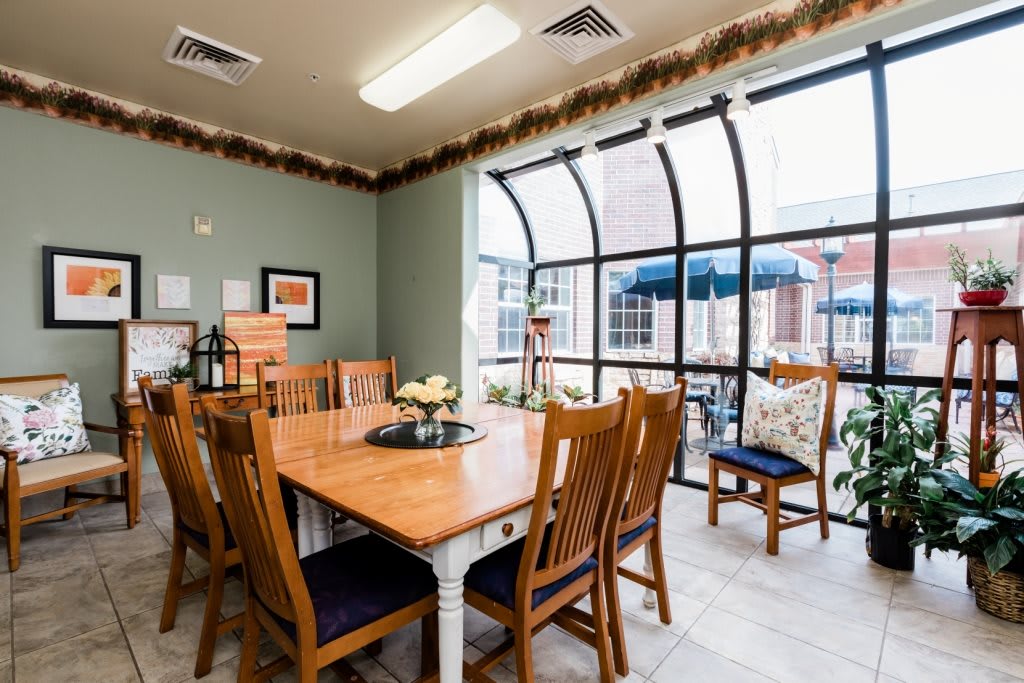
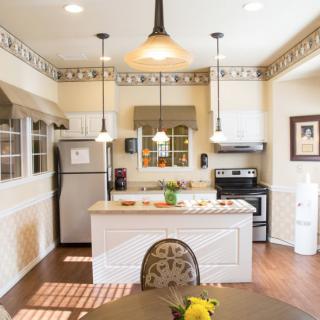
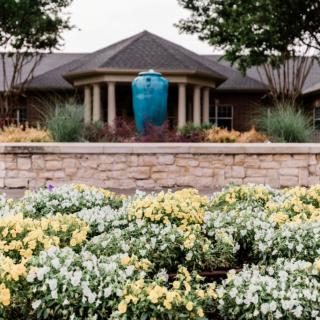
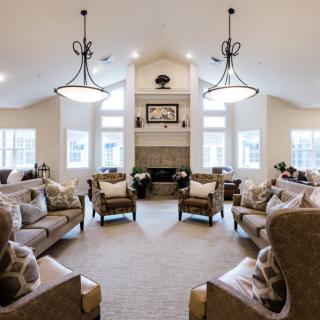
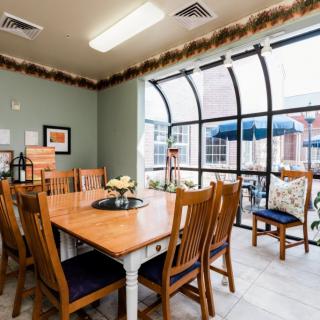
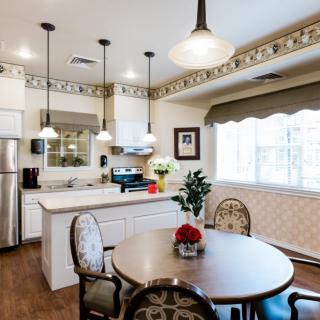
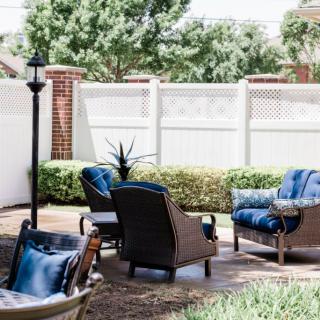
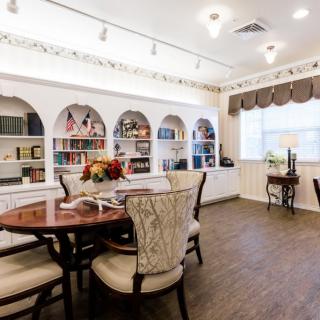
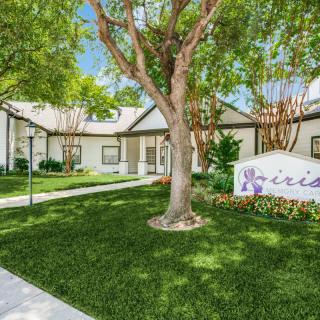
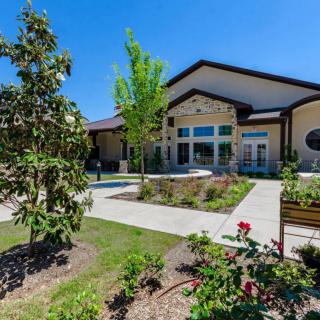
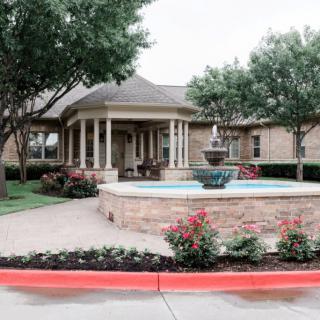
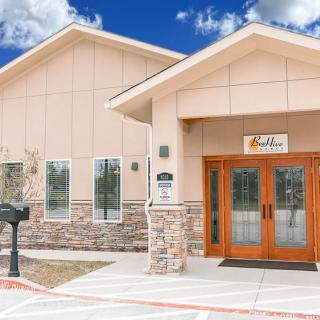
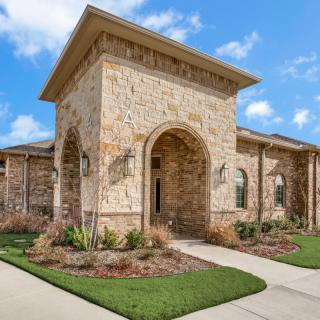
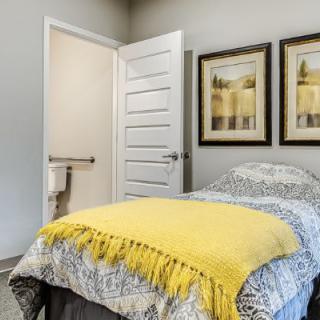
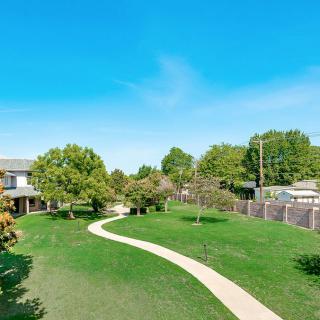
Grand Brook Memory Care Of Garland on seniors.fyi includes 23 photos including images showing floor plan, interior, architecture, decor, dining, kitchen, room layout, chandelier, and more.
Nearby Communities
Legend Oaks Healthcare and Rehabilitation - Garland
Garland, TX
4 from 140 reviews
Attentive nursing and therapy staff praised in several positive experiences.
Neurorestorative Texas I
Garland, TX
4.1 from 45 reviews
Intimate 12-resident setting with comprehensive services.
Home Care Assistance of Richardson
Garland, TX
5 from 20 reviews
Compassionate, dedicated caregivers with strong client rapport and supportive management.
The Preserve at Spring Creek (Opening in 2022)
Garland, TX
5 from 120 reviews
Memory-care focused with 24-hour supervision and diverse amenities.
San Remo
Richardson, TX
3.7 from 192 reviews
Caring, professional nursing and therapy staff; clean, pleasant environment with engaging activities.
Winters Park Nursing And Rehabilitation Center
Garland, TX
5 from 1 review
Strong amenities and care services (restaurant-style dining, fitness, transportation, medication management).
Colonial Oaks Senior Living at Campbell Park
Garland, TX
4.3 from 110 reviews
$3,750 to $3,950 / month
Caring staff, clean environment, and engaging activities.
The Wellington at Arapaho
Richardson, TX
4.5 from 295 reviews
$1,935 to $3,485 / month
Friendly staff, clean, well-maintained facilities, and engaging activities.
The El Dorado
Richardson, TX
4.5 from 126 reviews
$2,969 to $5,509 / month
Friendly staff, quality dining, and a lively activity program in a safe, well-maintained setting.
Alzheimer’s disease is a progressive neurological disorder that significantly impacts memory and cognitive functions, accounting for 60-80% of dementia cases, with early diagnosis being crucial yet challenging. It involves brain changes like beta-amyloid plaques and tau tangles, influenced by genetic and lifestyle factors, and while there is no cure, symptom management and support for caregivers are essential.
Dementia, influenced by aging and certain medications, may be exacerbated by drug classes such as anticholinergics, benzodiazepines, and antipsychotics, which are associated with cognitive impairment. Regular medication reviews by healthcare professionals are crucial for older adults to manage risks and optimize cognitive health.
Dementia often results in disrupted sleep patterns, leading to excessive daytime sleeping due to factors like brain damage affecting circadian rhythms, medication side effects, and lack of structure in daily activities. Caregivers must monitor these changes closely, as oversleeping can increase risks such as malnutrition or dehydration, and provide necessary support and routines to enhance patient engagement and well-being.
Get PricingAsk A QuestionSchedule A TourContact Senior Advisor
By clicking submit, you agree to our Partner's Terms of Use. You
also consent to receive calls and texts, which may be autodialed, from our Partner. Your consent is not a condition to
using our Partner's service. Please visit our Partner's Privacy Policy for information about their privacy practices.







 46 resident community capacity
 Assisted Living
 Memory Care
 Respite Care
 Dogs allowed
 Activities off-site
 Air-conditioning
 Beautician on-site
 Cable or satellite TV
 Devotional services on-site
 Dining room
 Fully furnished
 Garden
 Ground floor units
 Handicap accessible
 Housekeeping services
 Indoor common areas
 Kitchenette
 Move-in coordination
 Outdoor common areas
 Private bathrooms
 Restaurant-style dining
 Small library
 Telephone
 Wheelchair accessible showers
 Wi-Fi/high-speed internet available
 Dallas Love (14 miles away)
 24-hour call system
 Assistance with bathing
 Assistance with dressing
 Assistance with transfers
 Diabetes diet
 Diabetic care
 High acuity care
 Incontinence care
 Medication management
 Mental wellness program
 Special dietary restrictions
 Art classes
 Bible study group
 Cooking classes
 Day trips and outings
 Happy hour
 Karaoke
 Live dance or theater performances
 Live musical performances
 Live well programs
 Visiting Rabbi
 Attentive nursing and therapy staff praised in several positive experiences.



 Illuminating Insights About Alzheimer's Disease: Ten Crucial Realities
 A Thorough Discussion of Medications Potentially Linked to Dementia Risk
 Why Do Dementia Patients Sleep So Much? Understanding Oversleeping, Stages, and Care Approaches