








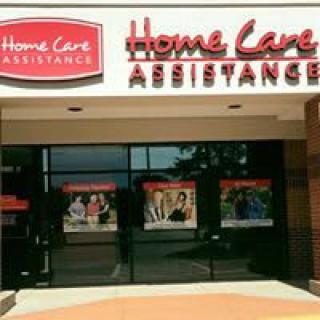
6850 N. Shiloh Rd. Suite R, Garland, TX 75044
To contact a resident: (469) 573-4213
For more information about senior living options: (866) 208-4318
Overall Review of Home Care Assistance of Richardson
Pros
 ComForCare Home Care is an excellent company with honest and caring management.
- They genuinely love their clients and go above and beyond for both clients and employees.
- Ms. Kari is amazing—always helpful, kind, and professional.
- Trae Jacobs is a compassionate, professional, and knowledgeable leader who cares deeply about his team and clients.
- Trae and his team at ComForCare are the best.
- The caregivers provide compassionate, reliable care and treat loved ones like family.
- ComForCare Dallas/Garland keeps loved ones safe and comfortable at home.
- The team is passionate, caring, and dedicated, raising the bar in healthcare.
- Trae is trustworthy, detail-oriented, and consistently demonstrates heart-driven leadership.
Review
This community is best suited for families who want a home-first care approach backed by a highly people-focused leadership team. When a loved one needs daily assistance, safety oversight, and genuine companionship while remaining in familiar surroundings, Home Care Assistance of Richardson in Garland delivers care that feels less like a service and more like a trusted extended family. The reviews consistently describe professional, kind caregivers who treat clients with warmth, creating a sense of peace for families who fear decline without close, attentive support. The strongest signal is leadership that shows up: responsive, organized, and genuinely invested in both clients and the staff who serve them.
Those who should consider alternatives are families with demands for highly standardized, on-site nursing oversight or a rigid, perfectly predictable caregiver roster. The feedback acknowledges two core caveats: caregiver variability and room for improved communication. One reviewer notes two different caregivers with distinct personalities and strengths, which can translate to uneven daily experiences unless engagement and matching are actively managed. Several accounts also flag that administration and billing are generally solid but not flawless, and communication could be tighter between families and the office. For families prioritizing a consistently uniform care team or a facility-based setting with around-the-clock medical supervision, it’s prudent to compare options.
The primary strengths, compassionate leadership, dependable responsiveness, and caregiver warmth, offer real offset to these cons. Families repeatedly highlight leaders who listen, follow through, and “go the extra mile” to balance needs and expectations. A calm, compassionate style from the leadership (and the broader Care team culture described across the network) creates trust quickly, which matters when a loved one relies on reliable daily routines and timely help. When schedules shift or emergencies arise, the ability of the administration to mobilize, reassure, and adjust becomes a decisive advantage, transforming potential anxieties into confidence.
In practice, the reviews paint a picture of care that keeps people safe and comfortable at home. Caregivers are praised for treating clients “like family,” tailoring support to individual needs, and delivering a sense of peace to the entire family. Testimonials emphasize that the team’s genuine passion for helping others shows up in practical, everyday ways, from punctual arrivals to thoughtful attention to the person’s preferences and routines. The leadership’s described integrity, framed as a “heart-driven” approach and a culture of support for staff, translates into steadiness for families navigating a stressful process: the feeling that someone is always looking out for both the client and the family’s emotional well-being.
Practical considerations follow naturally from the experience pattern. The network’s depth, evidenced by praise for specific leaders and office staff who respond quickly, means families can lean on a cohesive presence rather than juggling multiple, unaffiliated caregivers. Yet, the occasional call for better internal communication signals the need for proactive, ongoing alignment between family members, caregivers, and the office. For families, this means entering conversations with clear expectations about caregiver matching, preferred communication channels, and escalation paths. The storm/story threads demonstrate a resilient team that supports each other and their clients under stress, a valuable indicator for long-term reliability.
Ultimately, this home-care option is a strong match for decision-makers who value a compassionate, personable partner capable of adapting to changing needs while prioritizing the comfort and dignity of a loved one at home. It is especially well-suited for families who want a trusted leadership presence that can coordinate care with empathy, minimize the sense of disruption, and deliver genuine peace of mind. Those who require tight caregiver consistency, more formal medical oversight, or a price point with fewer variables may want to screen alternatives, preferably in person, before finalizing arrangements. Visiting the team and meeting a few prospective caregivers will reveal how well the culture, communication, and practical logistics align with the specific care goals.
 Dallas Love (14 miles away)





 Caregiver Exhaustion: Recognizing the Signs and Restoring Your Well-Being
 Understanding Hospice Care at Home: Comprehensive Services, Key Benefits, and Eligibility
 Understanding the Full Cost of 24/7 In-Home Care: A Detailed Overview