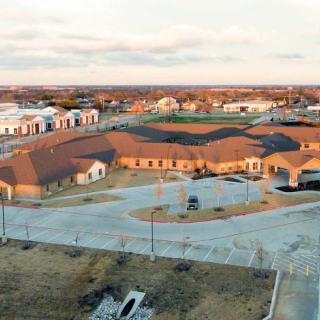
San Remo

Save

  • Interior

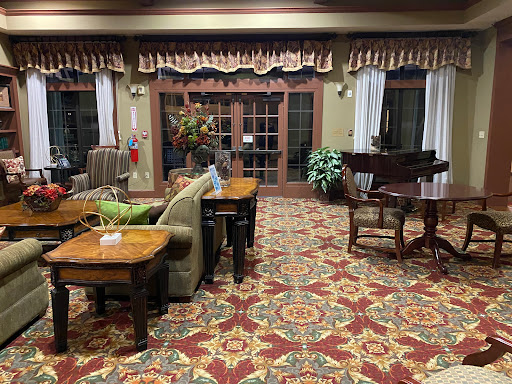
    A cozy living room setup featuring comfortable seating, decorative plants, and a patterned carpet.
  • Outdoors

    A sunny view of the residential building with distinct architectural features.
  • Decor

    A cozy living room with elegant furnishings, including a fireplace, bookshelves, and vibrant plants.
  • Building

    A well-lit residential building at dusk with a spacious driveway.
  • Architecture

    A beautifully designed building illuminated at dusk, featuring elegant architectural details and lush landscaping.
  • Office

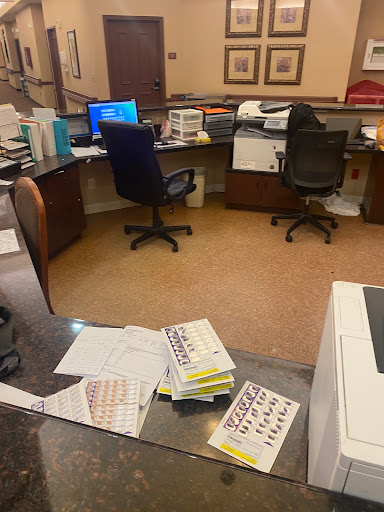
    An office workspace with multiple desks, computers, and scattered paperwork.
  • Salon

    A modern hair salon interior featuring a styling station and barber chair, designed for comfort and professionalism.

San Remo

3550 North Shiloh Road, Richardson, TX 75082

For more information about senior living options: (844) 490-3973

3.6 from 172 reviews
5 stars
101
4 stars
10
3 stars
3
2 stars
9
1 stars
49

Skilled Nursing Facility

Overall Review of San Remo

Pros

  • pro The nurses Rebecca D. and Darcy U. were highly skilled and showed exceptional compassion for their loved one.
  • pro San Remo Rehab provided exceptional care after the aunt's fall, with the physical therapy team working miracles and the nursing staff offering incredible support.
  • pro The physical and occupational therapists met the patient where she was, guided her with patience and expertise, and celebrated every small victory.
  • pro The wound care team was exceptional from day one, delivering a clear, modern treatment plan that eased the family's anxieties.
  • pro The care helped the grandfather's wound heal and restored mobility, a miraculous outcome.
  • pro The family was thrilled that their aunt regained mobility and is strengthening every day.
  • pro The San Remo Rehab team earned heartfelt gratitude for their care and dedication.

Cons

  • pro One reviewer stated there were six-hour delays in assistance and unlabeled medications, blaming administration for policy failures.
  • pro They claimed the nurses gave very little care, especially on weekends, and the AC was broken.
  • pro They described a lack of basic supplies, such as replacement colostomy bags, causing delays in care.
  • pro They warned others not to choose this facility due to neglect, poor wound care, and terrible meals.
  • pro They described call bells going unanswered and dressing changes being ignored.
  • pro They reported hygiene issues and odors, with blood stains and dirty conditions.
  • pro They accused staff of lacking accountability and often shopping online instead of attending to patients.
  • pro They criticized the food quality as terrible and portions as a joke.
  • pro They recounted a dementia patient who was isolated, not showered for a week, with visible neglect.
  • pro They claimed wound infections worsened due to insufficient wound care.

Review

Across a spectrum of experiences, San Remo Rehab emerges in these accounts as a place where remarkable rehabilitation and deeply compassionate care can coexist with serious concerns about staffing, safety, and day-to-day operations. Several families sing praises for particular nurses and therapists who went above and beyond, while others recount unsettling lapses that left loved ones vulnerable. Taken together, the narrative reveals both the high potential of the facility to deliver life-changing recovery and the urgent need for improvements in consistency, oversight, and everyday nursing care.

The most glowing tributes center on the skill and warmth of individual caregivers. One family expresses heartfelt gratitude for two standout nurses, Rebecca D. and Darcy U., whose expertise and compassion made a significant difference in caring for a beloved husband. They commend not only their clinical acumen but the tenderness and encouragement that accompanied every interaction. In addition to these nurses, the writer also thanks Christine, Carmen, Kim, and the broader San Remo team for their dedication and support. The sentiment is clear: when the staff are attentive, knowledgeable, and kind, the experience can feel life-affirming for families navigating rehab and recovery.

Reinforcing the positive view, another account highlights the transformative power of San Remo's rehabilitation services. After a serious fall and a hip fracture, the aunt's progress is described as miraculous, with the physical therapy team performing "miracles" and the nursing staff offering robust emotional support. The therapists - both physical and occupational - are praised for meeting the patient where she was, tolerating pain and frustration, and celebrating every small victory. This narrative emphasizes not only physical gains but a restored sense of mobility and confidence that continues to grow as she strengthens and approaches discharge.

A similar thread runs through a second aunt's story, detailing how the rehab team helped her regain strength and mobility following a devastating fall. The therapists' patience, expertise, and ability to motivate the patient with gradual, achievable milestones are highlighted as key factors in her recovery. The family notes she is expected to be released soon, and they express gratitude for how the team supported her emotional well-being along with her physical rehab, underscoring how integral psychosocial care is during rehabilitation.

There is also a very positive depiction of wound care, focusing on a grandfather who arrived with a severe and stubborn leg wound. The wound care team is described as exceptional - meticulous, gentle, and highly knowledgeable. They implemented a clear, modern treatment plan, explained each step, and alleviated the family's anxieties. Over time, the wound began to close steadily under their care, and the family credits this diligent, expert approach with helping him regain mobility and improve his overall condition.

Yet for every tale of exemplary care, there are equally strong concerns voiced by others. One current patient's experience paints a starkly different picture: a first-time rehab patient who faced significant delays and safety concerns. Requests for assistance were delayed for hours, a cream for a bedsore was not clearly labeled and came from an unidentifiable source, and an ice pack for a surgical area was substituted with an improvised, non-medical solution in a large garbage bag. The patient reports being told that ice packs were reserved for certain "special" patients, reflecting policy-driven limitations that felt arbitrary and unsafe. This account points to broader administrative and operational issues that create real distress for patients who are seeking relief and recovery.

Further experiences sharpen the concern: several reviews describe weekend staffing gaps, poor overall care, and a troubling lack of basic supplies. One account notes that the AC was broken for two weeks, a sign of ongoing comfort and safety problems. Another person describes a failure to have essential medical supplies - such as a replacement colostomy bag - available, resulting in avoidable delays and discomfort. While some patients acknowledge that the wound care staff were competent, they still criticize the broader nursing and support teams for inconsistent performance, leaving families feeling exposed to avoidable hazards.

A particularly harsh portrait centers on a general sentiment that "San Remo was awful." The review highlights nurses who gave very little care, especially on weekends, and notes a lack of basic provisions across the facility. The patient recounts a personal experience with a missing medical supply, poor daily care, and a sense that the rest of the staff did not know how to respond to urgent needs. The writer's conclusion is unequivocal: avoid this place for someone you love, given the gap between what is promised and what is delivered on a routine basis.

Several reviews compound the concern by describing a broader pattern of neglect and mismanagement. Call bells were said to go unanswered for hours, and when responses did occur, they were followed by a quick, unsatisfactory cessation of attention. Food quality and portions were criticized as being worse than substandard, to the point of needing external supplements. A recurring theme is that while some staff members may perform well, the overall culture and communication at the facility can undermine quality care, leaving families feeling the difference between individual acts of kindness and systemic reliability.

Worsening the sense of alarm, a detailed account centers on a patient who required wound dressing changes and proper wound care therapy but found that staff either lacked the necessary experience or the equipment to do the job correctly. The patient's condition deteriorated, prompting a return to the hospital for another operation. In this narrative, the absence of consistent wound care, misattribution of responsibility to nurses who did not have the appropriate tools, and the repeated failure to address pressing wounds created a cycle of frustration and risk.

Perhaps the most troubling stories involve a grandmother with dementia who was placed in a room at the end of a hallway, largely out of staff sight. When visited, the family discovered blood-stained carpet and a trash bin filled with bloody tissues, with no nurse having noticed or addressed it. Even more alarming was the revelation that she had not received a shower for an entire week, leaving her hair severely matted. When the family raised these concerns, the weekend manager acknowledged that hygiene should be part of daily care, yet the staff continued to point fingers and avoid responsibility. With the patient's safety and wellbeing at stake, the family was pressured to consider taking her home because she repeatedly attempted to leave rehab. In this story, dementia and safety needs collided with insufficient staffing and accountability, resulting in heartbreak and ongoing frustration for the family.

Taken together, these reviews present a facility with two distinct faces. On one hand, San Remo Rehab is capable of delivering extraordinary rehab outcomes and compassionate, expert care through dedicated professionals who inspire mobility, confidence, and renewed hope in patients and families. On the other hand, it struggles with systemic gaps that affect safety, consistency, and daily care - gaps that manifest as long wait times, supply shortages, inconsistent wound and hygiene care, and a culture that can lack accountability. The juxtaposition of these experiences underscores the importance of ongoing oversight, clear communication, and a robust staffing model to ensure that the best possible care is reliably available to every patient every day.

Features

Housing

  • 112 resident community capacity 112 resident community capacity

Types of Care

  • Skilled Nursing Facility Skilled Nursing FacilitySkilled Nursing Facilities are crucial for seniors as they provide round-the-clock medical care, rehabilitation services, and assistance with daily activities. These facilities ensure that seniors receive the specialized care they need to maintain their health and well-being as they age.

Amenities

  • Air-conditioning Air-conditioningAir conditioning is important for seniors as they are more vulnerable to heat-related illnesses and may have underlying health conditions that make it difficult for them to regulate their body temperature. It helps to keep them comfortable, safe, and healthy in hot weather.
  • Beauty salon Beauty salonBeauty salons are important for seniors because they provide a space for them to feel pampered, socialize, and maintain their personal grooming and hygiene. Regular visits to a beauty salon can help boost seniors' self-esteem and overall well-being.
  • Cable or satellite TV Cable or satellite TVCable or satellite TV is important for seniors because it provides entertainment, news, and companionship, helping to combat loneliness and boredom. It also offers a wide range of programming options tailored to different interests and preferences.
  • Computer center Computer centerA computer center is essential for seniors as it provides access to technology, communication tools, and resources that can enhance their daily lives. It allows them to stay connected with loved ones, engage in online activities, and learn new skills, ultimately promoting socialization and mental stimulation.
  • Dining room Dining roomDining rooms are important for seniors as they provide a space for socialization, connection, and nutritious meals. They offer opportunities for residents to bond over shared meals, foster a sense of community, and promote healthy eating habits. Dining rooms also ensure that seniors have access to well-balanced meals tailored to their dietary needs and preferences.
  • Fitness room Fitness roomHaving a fitness room in a senior living community is essential for seniors to stay active, maintain their physical health, and improve their overall well-being. Regular exercise can help prevent falls, reduce the risk of chronic diseases, and promote mental sharpness. It also provides social opportunities for residents to connect with others and enjoy a sense of community.
  • Fully furnished Fully furnishedFully furnished senior living communities are important for seniors because they provide convenience, comfort, and a hassle-free moving experience. Seniors can easily settle into their new living space without the stress of having to buy and move furniture. This allows them to focus on enjoying their new home and community.
  • Gaming room Gaming roomGaming rooms are important for seniors as they provide a fun and engaging environment for socializing, cognitive stimulation, and physical activity. Games can improve memory, problem-solving skills, and overall mental well-being while fostering friendships and reducing feelings of isolation.
  • Garden GardenGardens are important for seniors as they provide a peaceful and therapeutic environment for relaxation, physical activity, and socialization. Being in nature has been shown to reduce stress, improve mood, and promote overall well-being. Gardens also offer opportunities for seniors to engage in gardening activities, which can improve mobility, flexibility, and cognitive function. Additionally, gardens create a sense of community and connection with others who share a passion for plants and outdoor spaces.
  • Housekeeping services Housekeeping servicesHousekeeping services are important for seniors because they help maintain a clean and safe living environment, promote independence, and reduce the risk of accidents or illnesses. Additionally, having assistance with household chores can alleviate physical strain and allow seniors to focus on other aspects of their well-being.
  • Kitchenette KitchenetteKitchenettes are important for seniors living in senior living communities because they provide the convenience and independence of being able to prepare simple meals and snacks in the comfort of their own living space. This can help promote a sense of autonomy and well-being for seniors, allowing them to maintain some level of control over their dietary choices and daily routines.
  • Move-in coordination Move-in coordinationMove-in coordination is important for seniors because it helps ease the transition into their new living environment. It ensures that all logistics, such as packing, organizing movers, and setting up utilities are taken care of, allowing seniors to focus on settling in and adjusting to their new home. Having a smooth move-in process can alleviate stress and anxiety, making the transition smoother and more enjoyable for seniors.
  • Outdoor space Outdoor spaceOutdoor spaces are important for seniors as they provide opportunities for physical activity, social interaction, exposure to natural light and fresh air, and a sense of connection to nature. Having access to outdoor spaces can improve overall well-being and quality of life for older adults living in senior communities.
  • Private bathrooms Private bathroomsPrivate bathrooms are important for seniors in senior living communities because they provide independence, dignity, and comfort. Having a private bathroom allows seniors to maintain their personal hygiene routines without the need for assistance, promoting a sense of autonomy and privacy. Additionally, private bathrooms help prevent the spread of infections and provide a safe and clean environment for seniors to navigate safely.
  • Restaurant-style dining Restaurant-style diningRestaurant-style dining is important for seniors because it allows them to enjoy delicious, nutritious meals in a social and upscale setting. This enhances their dining experience, promotes healthy eating habits, and fosters socialization with fellow residents, ultimately contributing to their overall well-being and quality of life.
  • Small library Small librarySmall libraries are important for seniors as they provide access to a variety of reading materials, including books, newspapers, and magazines. This can help stimulate their minds, keep them engaged, and provide a sense of community through book clubs and other social activities. Additionally, reading has been shown to improve cognitive function and overall mental well-being in older adults.
  • Telephone TelephoneTelephones are important for seniors as they provide a lifeline for communication with loved ones, emergency services, and healthcare providers. They offer a sense of security and independence, enabling seniors to stay connected and access assistance when needed.
  • Wellness center Wellness centerWellness centers are important for seniors because they offer a variety of programs and services that promote physical, mental, and emotional well-being. These centers provide opportunities for exercise, socialization, education, and relaxation, helping seniors maintain their overall health and quality of life.
  • Wi-Fi/high-speed internet available Wi-Fi/high-speed internet availableWi-Fi/high-speed internet is important for seniors to stay connected with loved ones, access online resources, and participate in virtual activities to combat feelings of loneliness and isolation. It also allows them to easily manage healthcare needs, access entertainment, and engage in lifelong learning opportunities.

Transportation

  • Dallas Love (13 miles away) Dallas Love (13 miles away)
  • Dallas-Fort Worth International (22 miles away) Dallas-Fort Worth International (22 miles away)
  • Community operated transportation Community operated transportationCommunity operated transportation is crucial for seniors as it provides them with the means to access essential services, social activities, and medical appointments. It allows seniors to maintain their independence and quality of life by ensuring they can participate in activities outside of their homes. Additionally, community-operated transportation services offer a safe and reliable way for seniors to travel without having to rely on family or friends for assistance.
  • Transportation arrangement Transportation arrangementTransportation arrangements are crucial for seniors as they may face challenges with driving, mobility, or access to public transportation. Having reliable transportation services ensures that seniors can easily attend appointments, social activities, and maintain their independence and quality of life.
  • Transportation arrangement (non-medical) Transportation arrangement (non-medical)Transportation arrangements are essential for seniors as they provide access to essential services, activities, and social interactions outside the home. This service helps maintain independence, mobility, and overall well-being for seniors who may have limited transportation options.
  • Transportation to doctors appointments Transportation to doctors appointmentsTransportation to doctors appointments is crucial for seniors as it ensures they have access to necessary medical care and support, promoting their health and well-being. It allows them to receive timely treatment, monitor existing conditions, and address any new health concerns efficiently. Additionally, transportation services can help seniors maintain their independence and quality of life by enabling them to stay connected with their healthcare providers.

Care Services

  • 12-16 hour nursing 12-16 hour nursing12-16 hour nursing care is crucial for seniors in order to ensure around-the-clock monitoring, timely medication administration, and prompt response to any health concerns or emergencies. This level of care helps to promote the overall well-being and safety of seniors living in senior living communities.
  • 24-hour call system 24-hour call system24-hour call systems are important for seniors because they provide peace of mind and immediate assistance in case of emergencies. This technology ensures that help is always available, promoting safety and security for elderly individuals living alone or in assisted living facilities.
  • 24-hour supervision 24-hour supervision24-hour supervision is important for seniors to ensure their safety, well-being, and access to immediate assistance in case of emergencies or health issues. This constant support provides peace of mind for both seniors and their loved ones, allowing them to age in place with dignity and security.
  • Activities of daily living assistance Activities of daily living assistanceActivities of daily living assistance are important for seniors because they provide essential support with tasks such as eating, bathing, dressing, and mobility. This assistance helps seniors maintain their independence, dignity, and overall quality of life as they age.
  • Assistance with bathing Assistance with bathingAssistance with bathing is crucial for seniors as it helps maintain personal hygiene, prevents infections, and ensures their overall well-being and comfort. It also provides a sense of dignity and independence for seniors who may struggle with this task on their own.
  • Assistance with dressing Assistance with dressingAssistance with dressing is important for seniors because it helps maintain their independence, promotes personal hygiene, prevents accidents and injuries, and improves overall quality of life. This service ensures that seniors can continue to dress comfortably and confidently, despite any physical limitations they may have.
  • Assistance with transfers Assistance with transfersAssistance with transfers is crucial for seniors as it helps prevent falls and injuries, maintains their independence, and ensures they can safely navigate their living environment. It also provides peace of mind for both seniors and their loved ones.
  • Diabetes diet Diabetes dietA diabetes diet is crucial for seniors as it helps manage blood sugar levels, reduce risks of complications, and improve overall health and well-being. By following a balanced and nutritious diet tailored to their specific needs, seniors can better control their diabetes and enhance their quality of life.
  • High acuity care High acuity careHigh acuity care is important for seniors because it provides specialized medical attention and support for individuals with complex medical needs. This level of care ensures that seniors receive the appropriate treatment and assistance to maintain their health and quality of life as they age.
  • Meal preparation and service Meal preparation and serviceMeal preparation and service are crucial for seniors as they may have limited mobility or energy to cook nutritious meals. Having access to healthy and convenient food options can ensure they are getting the proper nutrition needed to maintain their overall health and well-being.
  • Medication management Medication managementMedication management is crucial for seniors to ensure they are taking the right medications at the correct dosages and times. This helps prevent adverse drug interactions, reduces the risk of medication errors, and promotes overall health and well-being. Proactive management also allows for adjustments as needed based on changing health conditions or new prescriptions.
  • Mental wellness program Mental wellness programMental wellness programs are essential for seniors as they promote cognitive stimulation, emotional support, and social engagement. These programs help prevent isolation, depression, and cognitive decline, ultimately enhancing the overall quality of life for older adults.
  • Special dietary restrictions Special dietary restrictionsSpecial dietary restrictions are important for seniors because age-related changes in metabolism and health conditions can make it difficult for their bodies to process certain foods. By following a diet tailored to their specific needs, seniors can maintain their overall health and well-being, manage chronic conditions, and reduce the risk of complications such as malnutrition or food interactions with medications.

Dining

  • Diabetes diet Diabetes dietA diabetes diet is crucial for seniors as it helps manage blood sugar levels, reduce risks of complications, and improve overall health and well-being. By following a balanced and nutritious diet tailored to their specific needs, seniors can better control their diabetes and enhance their quality of life.
  • Special dietary restrictions Special dietary restrictionsSpecial dietary restrictions are important for seniors because age-related changes in metabolism and health conditions can make it difficult for their bodies to process certain foods. By following a diet tailored to their specific needs, seniors can maintain their overall health and well-being, manage chronic conditions, and reduce the risk of complications such as malnutrition or food interactions with medications.

Activities

  • Community-sponsored activities Community-sponsored activitiesCommunity-sponsored activities are important for seniors as they provide opportunities for social interaction, mental stimulation, and physical activity. These activities can help improve overall well-being, combat loneliness and isolation, and promote a sense of belonging and purpose among older adults.
  • Concierge services Concierge servicesConcierge services are essential for seniors as they provide assistance with daily tasks and errands, enhance their quality of life by offering convenience and personalized care, and promote a sense of safety and security.
  • Fitness programs Fitness programsFitness programs are crucial for seniors as they help improve strength, flexibility, balance, and overall well-being. Staying active can reduce the risk of chronic diseases, improve mental health, and enhance quality of life in older adults.
  • Planned day trips Planned day tripsPlanned day trips are important for seniors because they offer opportunities for socialization, mental stimulation, and physical activity. They provide a change of scenery and help seniors stay engaged and connected to their community, promoting overall well-being and quality of life.
  • Resident-run activities Resident-run activitiesResident-run activities are important for seniors as they encourage social interaction, creativity, and a sense of autonomy. These activities empower seniors to stay engaged and active in their community while fostering meaningful connections with their peers.
  • Scheduled daily activities Scheduled daily activitiesScheduled daily activities are important for seniors because they provide structure, socialization, mental stimulation, and physical activity. Engaging in regular activities can improve overall well-being and quality of life for seniors living in a community setting.

Description

San Remo in Richardson, TX is a premier assisted living community that offers a wide range of amenities and care services to ensure a comfortable and fulfilling lifestyle for its residents. The community features a beauty salon for residents to maintain their grooming needs, along with access to cable or satellite TV for entertainment purposes. Additionally, San Remo provides community-operated transportation services to enable residents to easily access various destinations.

The computer center allows residents to stay connected with their loved ones through technology, while the dining room offers restaurant-style dining experiences where nutritious and delicious meals are served. The fitness room promotes an active lifestyle, while the gaming room provides opportunities for recreation and socialization. Residents can also enjoy the serene outdoor space and garden area.

Housekeeping services ensure that living spaces are always clean and well-maintained. Each resident enjoys the comfort of fully furnished apartments with private bathrooms and kitchenettes. Move-in coordination assistance is available to facilitate a smooth transition.

San Remo understands the importance of maintaining good health, both physically and mentally. That's why it offers wellness programs, high-speed internet access, and transportation arrangement for non-medical purposes as well as doctor's appointments.

In terms of care services, San Remo ensures 24-hour call system and supervision for safety and peace of mind. Assistance with activities of daily living such as bathing, dressing, and transfers is provided by caring staff members. Residents with special dietary restrictions have their needs accommodated through diabetes diet options and other specialized menus. Medication management is also available to ensure proper administration.

Residents at San Remo can enjoy an array of activities including concierge services, fitness programs, planned day trips, resident-run activities, and scheduled daily activities. In close proximity to numerous pharmacies, physicians' offices, restaurants, transportation options, and theaters; San Remo offers convenience in accessing essential amenities within the local area.

Overall, San Remo in Richardson provides a nurturing environment where residents receive personalized care and support, while enjoying a vibrant and engaging lifestyle.

Nearby Places of Interest

This area of Richardson, Texas offers a variety of amenities and services that would be beneficial for senior living. With multiple pharmacies within a short distance, access to medication and healthcare is convenient. There are also several dining options ranging from fast food to sit-down restaurants, catering to different preferences. Nearby medical facilities such as Baylor Medical Plaza and Elizabeth Jekot Breast Imaging Center provide quality healthcare services. Transportation options include the Arapaho Center Station for easy access to public transit. For leisure activities, there are theaters like Alamo Drafthouse Cinema and places of worship for spiritual fulfillment. Additionally, parks like Lochwood Park offer opportunities for outdoor recreation and relaxation. Overall, this area provides a well-rounded community with essential resources for seniors looking to settle in the Richardson area.

Pharmacies

  • CVS Pharmacy (1.1 miles)
  • Walgreens (1.9 miles)
  • Walgreens (2.6 miles)
  • Walgreens (3.6 miles)
  • CVS Pharmacy (3.8 miles)
  • Walgreens (3.8 miles)
  • Walgreens (4.1 miles)

Restaurants

  • McDonald's (1.3 miles)
  • Pangea (1.6 miles)
  • Little Caesars Pizza (1.7 miles)
  • Sonic Drive-In (1.8 miles)
  • Waffle O’licious (2.1 miles)
  • McDonald's (2.6 miles)
  • Tavern on the Square (3 miles)

Physicians

  • Baylor Medical Plaza (2.1 miles)
  • Elizabeth Jekot Breast Imaging Center (3.3 miles)
  • Eye Care Associates (5.9 miles)
  • Eminent Medical Center (6.3 miles)
  • Eye 2 Eye Vision (7.5 miles)
  • The ENT & Allergy Centers of Texas (7.7 miles)
  • Pediatric Associates of Dallas (7.9 miles)

Transportation

  • Arapaho Center Station (3.5 miles)
  • Park Lane Station (8 miles)

Theaters

  • Alamo Drafthouse Cinema (4.3 miles)
  • Alamo Drafthouse Lake Highlands (7.2 miles)

Places of Worship

  • Shiloh Missionary Baptist Church (5.1 miles)
  • Ridge Pointe Fellowship (6.9 miles)
  • Redeemer Bible Church (7 miles)
  • Episcopal Church Of The Transfiguration (7.1 miles)
  • Crossroads Church (7.7 miles)
  • Chase Oaks Church (8.4 miles)

Cafes

  • Starbucks (5.9 miles)
  • Black Rock Coffee Bar (6.2 miles)
  • Starbucks (6.4 miles)
  • Red Truck Cafe (6.9 miles)
  • Starbucks (8.1 miles)
  • Starbucks (8.1 miles)

Parks

  • Lochwood Park (6.6 miles)
  • R.P Brooks Park (6.9 miles)
  • Wylie Community Park (8.4 miles)

Hospitals

  • Texas Health Presbyterian Hospital Dallas (7.4 miles)
  • Baylor Scott & White Medical Center (8.3 miles)

Frequently Asked Questions

Where is San Remo?
What photos are available for San Remo in Richardson, Texas?

Nearby Communities

Related Resources

  • elderly blood pressure chartComprehensive Guide to Blood Pressure Charts for Older Adults: Understanding Normal and High Readings by Age

    The guide on blood pressure charts for older adults stresses the importance of understanding normal and high blood pressure readings influenced by age, genetics, and lifestyle, while emphasizing regular monitoring and lifestyle modifications to prevent serious health issues. It provides insights into blood pressure categories, dietary recommendations, medication considerations, and the role of caregivers in supporting healthy habits.

  • how to pay for nursing home care with social securityFinancing Long-Term Nursing Home Care Through Social Security: A Thorough Exploration

    The article explores the complexities of using Social Security to finance long-term nursing home care in the U.S., detailing eligibility requirements and misconceptions, while emphasizing that these benefits often do not cover full costs and highlighting the need for strategic financial planning and professional guidance.

  • pneumonia in elderlyEssential Knowledge on Pneumonia in Older Adults

    Pneumonia significantly affects older adults due to weakened immune systems and atypical symptoms that complicate diagnosis, necessitating early detection and tailored treatment. Risk factors include chronic diseases and cognitive impairments, with preventive measures like vaccinations and healthy lifestyles being crucial for reducing risk.