
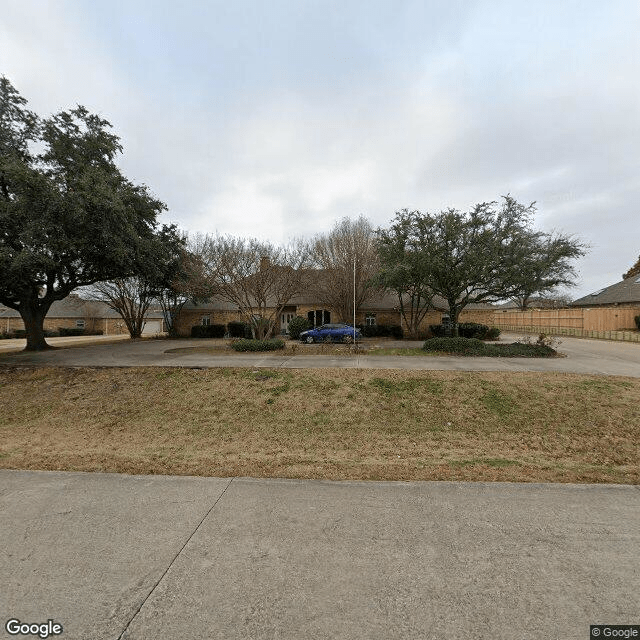
304 Willowcreek Circle, Allen, TX 75002
To contact a resident: (214) 383-9077
For more information about senior living options: (866) 208-4318
Lake Point Allen Costs & Pricing
Lake Point Allen offers competitive pricing for its accommodations when compared to both Collin County and the broader state of Texas. For instance, the cost of a studio apartment at Lake Point Allen is set at $3,800 per month, which is notably lower than the average studio rate of $4,225 in Collin County, though slightly higher than Texas's statewide average of $3,758. Similarly, one-bedroom units at Lake Point Allen are priced at $4,800 per month. While this figure exceeds the county's average of $3,822 and aligns closely with the state average of $3,761, it reflects the unique amenities and quality services that Lake Point Allen provides. Overall, these rates suggest that Lake Point Allen positions itself distinctly within the market while maintaining a balance between comfort and affordability.
| Floor plans | Lake Point Allen | Collin County | Texas |
|---|---|---|---|
| Studio | $3,800 | $4,225 | $3,758 |
| 1 Bedroom | $4,800 | $3,822 | $3,761 |
Memory care communities with a similar price nearby
-
from +$200 / mo

A Caring Home with Friends
$4,000 to $4,250 / month15.4 miles away -
from -$334 / mo
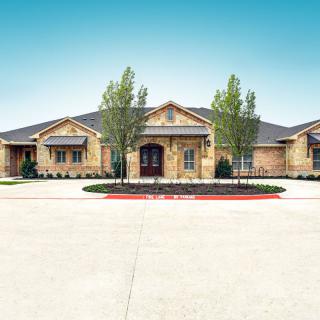
Avalon Memory Care - Allen
$3,466 to $6,475 / month3.0 miles away -
from -$300 / mo
Locardia Homecare Living
$3,500 to $4,500 / month6.4 miles away -
from -$300 / mo
Nedges Nest
$3,500 to $4,000 / month2.3 miles away -
from +$700 / mo
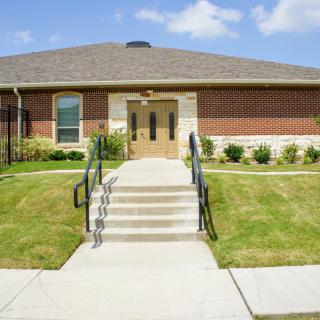
AvilaCare Senior Living
$4,500 to $5,500 / month20.9 miles away
Overall Review of Lake Point Allen
Pros
 The staff at Silver Leaf Assisted Living are outstanding.
- They are always willing to help.
- They are always involved in activities with the residents.
- All the residents look good.
- The food always smells good.
- The facility is clean.
- There is never an odor.
- There is appreciation for everything they do.
Review
Lake Point Allen in Allen, Texas is best suited for seniors who value a lively, staff-driven environment where caregivers are consistently visible and invested in daily life. This community appears to excel when it comes to keeping residents engaged, with staff frequently participating in activities alongside them. For families seeking reassurance that care teams know residents well and that the environment is welcoming, Lake Point Allen stands out as a practical, hands-on option. The emphasis on social interaction, cleanliness, and a kitchen that reliably delivers appealing aromas creates a reassuring backdrop for those who prioritize companionship and routine in retirement living.
Those considering alternatives should weigh whether the setting meets higher-acuity needs. If a resident requires extensive medical oversight, post-acute supervision, or a dedicated memory-care program, this may not be the strongest part of the value proposition. Similarly, families prioritizing a quieter, more low-key atmosphere, or a model with broader medical staffing coverage, may find other communities more aligned with those preferences. For residents who require substantial assistance with daily tasks or specialized clinical services, a facility with explicit skilled-nursing or memory-care designations might be a more suitable fit.
The core strengths, attentive staff, robust resident engagement, and a consistently clean, odor-free environment, form a compelling counterbalance to typical concerns families weigh. When caregivers are seen actively with residents and frequently facilitating activities, the risk of isolation or neglect diminishes significantly. The visible well-being of residents, paired with a dining experience where meals “smell good” and are prepared with care, translates into tangible daily quality of life. Cleanliness and a fresh-smelling dining area further reinforce trust that hygiene and maintenance are ongoing commitments, not afterthoughts.
This combination also implies practical advantages for families during transitions. A resident who feels connected to a community, enjoys predictable routines, and perceives genuine warmth from staff lowers relocation stress and can shorten adjustment time. The consistent presence of a busy activity calendar signals that opportunities for socialization and meaningful engagement are not sporadic but woven into the regular schedule. In short, the day-to-day atmosphere at Lake Point Allen appears to support dignity, companionship, and independence within a structured assisted-living framework.
During a visit, families should confirm several practical details to validate alignment with stated strengths. Inquire about caregiver-to-resident ratios on different shifts and recent staff turnover, since consistency directly affects the level of individualized attention. Review the activity calendar for a representative week and ask to observe a few sessions to gauge the breadth of programming. Clarify what medical oversight is available on-site, how quickly residents can access nursing care, and whether any memory-care or higher-acuity services exist. Finally, discuss meal customization, dietary accommodations, transportation options, and the full fee structure to ensure that the appealing sensory cues translate into predictable, transparent budgeting.
Bottom line: for families prioritizing active engagement, visible staff involvement, and a clean, welcoming environment, Lake Point Allen offers a credible, practical choice in the Allen area. It delivers a living experience where daily life centers on interaction, warmth, and dependable supervision, which can be the decisive factor for many seniors and their families. However, if a resident requires intensive medical management, specialized memory care, or a more serene, low-traffic setting, it is prudent to compare alternatives that explicitly foreground those features. In the right match, this community represents a solid, experienced option that can support autonomy while providing steady, personable care.
 Assisted Living
 Memory Care
 Activities on-site
 Bath tubs
 Beautician on-site
 Devotional services on-site
 Indoor common areas
 Outdoor common areas
 Private bathrooms
 Respite or short term stays offered
 Swimming pool / hot tub
 Dallas Love (20 miles away)
 Diabetic care
 High acuity care
 Incontinence care
 Kosher
 Adventist services
 Buddhist services
 Islamic services






 When Dementia Sparks Anger and Aggression: Understanding the Connection and Ways to Cope
 Dementia Behaviors: In-Depth Understanding and Effective Coping Strategies
 5 Early Indicators of Dementia and What You Can Do