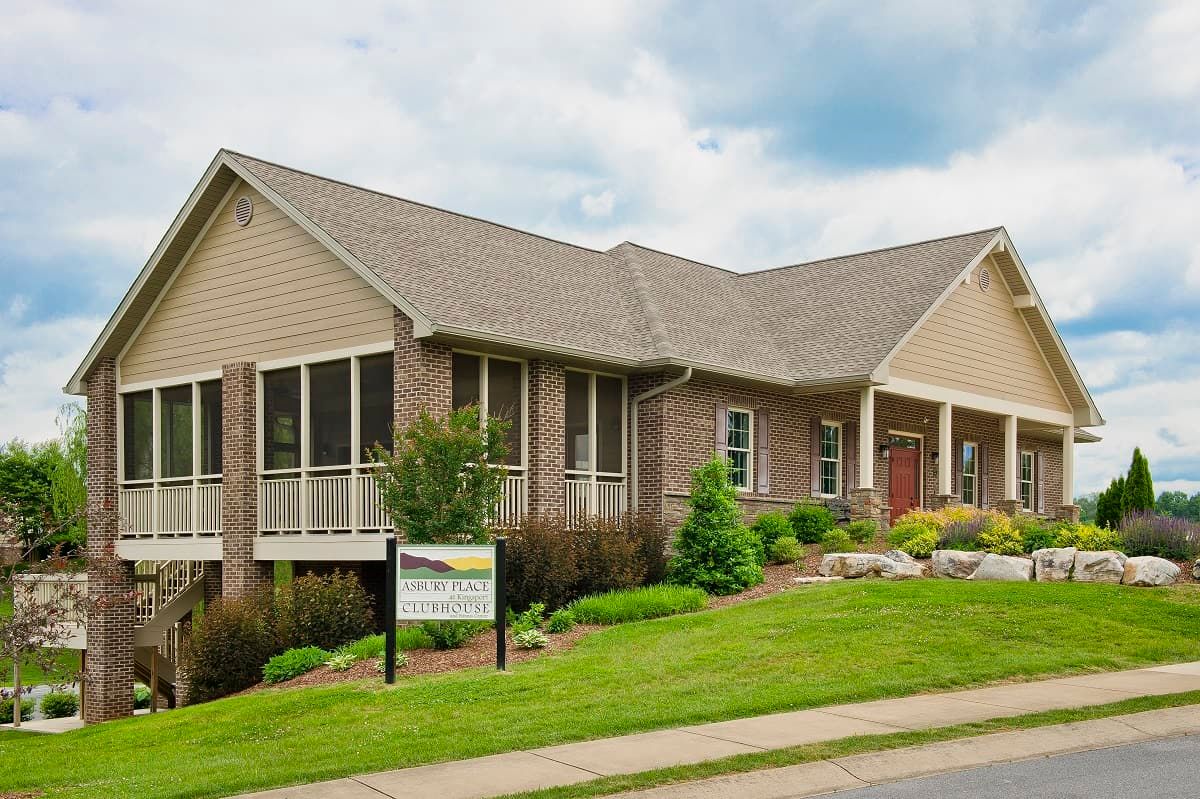














1300 Bloomingdale Pike, Kingsport, TN 37660
For more information about senior living options: (866) 208-4318
Asbury Place At Steadman Hill Costs & Pricing
Asbury Place At Steadman Hill offers competitively priced accommodations that stand out when compared to both the county and state averages. For instance, the semi-private room is available for $550 per month, significantly lower than the Sullivan County average of $3,039 and the Tennessee average of $3,162. The studio option at Asbury Place is priced at $1,635, again well below the local county rate of $3,657 and state rate of $3,485. Similarly, their one-bedroom units are offered at $2,400, which remains favorable compared to Sullivan County's average of $3,479 and Tennessee's average of $3,592. Overall, Asbury Place provides a cost-effective solution for potential residents seeking quality living arrangements without compromising on affordability.
| Floor plans | Asbury Place At Steadman Hill | Sullivan County | Tennessee |
|---|---|---|---|
| Semi-Private | $550 | $3,039 | $3,162 |
| Studio | $1,635 | $3,657 | $3,485 |
| 1 Bedroom | $2,400 | $3,479 | $3,592 |
Overall Review of Asbury Place At Steadman Hill
Pros
 The staff is excellent.
- The facility is very clean and spacious.
- The food is excellent.
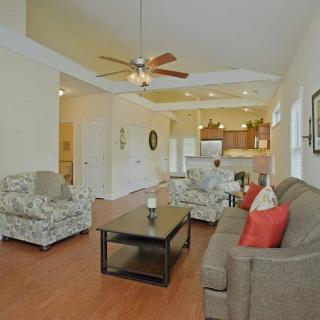
- The dining area is very clean, spacious, well laid out, and very nice.
- They like everything about this facility—the staff, the cleanliness, and its location.
- The location is easy to get to and there is no hassle.
Review
Asbury Place at Steadman Hill is best suited for families seeking a polished, service-focused assisted living option for a parent who values dependable staff, clean and comfortable living spaces, and high-quality meals in a convenient Kingsport location. The community earns strong praise for a smooth, hassle-free move-in experience and a living environment that feels well cared for from day one. It works particularly well for residents who want predictable support, respectful caregiving, and a dining program that sustains appetite and social connection. Those needing extensive memory care, advanced medical oversight, or a more intimate, small-house atmosphere should likely explore alternatives better aligned with higher acuity or a different vibe.
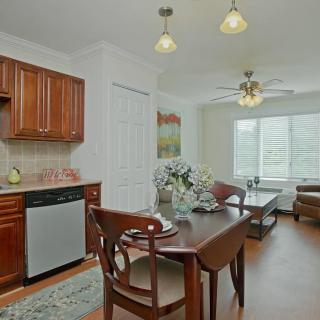
The standout strength is the staff. Descriptions of the team as excellent imply reliable responsiveness, compassionate communication, and consistent assistance that eases family planning and daily life for the resident. The resident’s apartment is described as clean and spacious, offering room to personalize and move about with ease. The dining experience matters as well: food described as excellent, with a dining area that is clean, roomy, and well laid out, supports dignity, appetite, and meaningful social moments. Taken together, these elements create a steady, low-stress daily rhythm that can offset the need for aggressive medical interventions within the assisted-living scope.
Location matters in a practical way, and this community scores points for being easy to reach and free of logistical hassles. The combination of a well-organized living space and a reputable dining program reduces friction for both residents and visiting family, making appointments, tours, and gatherings straightforward. Cleanliness and thoughtful layout enhance safety and comfort, shaping a culture of reliability that families rely on when planning long-term care transitions. In environments where daily cadence matters, these factors often translate into better mood, more consistent routines, and fewer care-related anxieties.
Still, it is prudent to acknowledge that the review does not spotlight any clear drawbacks. That said, potential residents should consider how the community handles higher levels of care. If memory support, complex wound care, or intense rehabilitative services may eventually be required, confirm the available continuum and the pace of escalation. Clarify what services are included in the monthly rate and what would incur additional charges. Also verify the breadth of programming beyond meals, activity calendars, social engagement, and opportunities for purposeful outings, to ensure the environment stays stimulating as needs evolve.
For decision-making, the strongest fit is a family prioritizing practical comfort, dependable staffing, and dining quality in a convenient setting. Alternatives may be worth exploring for families seeking a more active or specialized program, a smaller community feel, or a cost structure that aligns with tighter budgets. The current portrait suggests solid value for those who can live within the assisted-living framework without immediate need for enhanced clinical support. In short, the community should occupy a top tier among options for families who want a trustworthy, well-maintained home base for an aging loved one.
To move forward with confidence, plan a targeted visit, observe staff interactions with residents, and evaluate apartment layouts and dining during service. Ask for staffing ratios, turnover rates, and how care plans are updated as needs change. Request references from current families about communication and responsiveness and discuss move-in timelines and anticipated transition stresses. When these checks are complete, Asbury Place at Steadman Hill presents itself as a practical, experienced choice for families seeking dignity, consistency, and high-quality everyday living in an assisted-living setting.
 58 resident community capacity
 Studio apartments
 Assisted Living
 Memory Care
 Skilled Nursing Facility
 Cats allowed
 Dogs allowed
 Activities on-site
 Air-conditioning
 Beautician on-site
 Cable or satellite TV
 Computer center
 Devotional services off-site
 Dining room
 Fitness room
 Fully furnished
 Gaming room
 Garden
 Housekeeping services
 Indoor common areas
 Kitchenette
 Laundry
 Move-in coordination
 Outdoor space
 Private bathrooms
 Restaurant-style dining
 Small library
 Telephone
 Wellness center
 Wi-Fi/high-speed internet available
 Tri-Cities Regional (10 miles away)
 Community operated transportation
 24-hour call system
 Ambulatory care
 Assistance with bathing
 Assistance with dressing
 Assistance with transfers
 Diabetes diet
 Diabetic care
 Medication management
 Mental wellness program
 Physical therapy
 Special dietary restrictions
 Concierge services
 Planned day trips
 English








 Medications Associated with Dementia Risk: A Comprehensive Overview
 Guiding Your Journey: Understanding Power of Attorney for Elderly Parents
 22 Remarkable Caregiver Support Groups Available Online and In-Person