For more information about senior living options: (866) 208-4318
4.2 from 84 reviews
5 stars
58
4 stars
8
3 stars
4
2 stars
2
1 stars
12
The Waterford in Hermitage Costs & Pricing
The Waterford in Hermitage offers competitive rates for its various room types when compared to both Wilson County and the broader state of Tennessee. For instance, the monthly cost for a studio is $3,060, which is notably lower than the county average of $3,521 and the state average of $3,485. In contrast, the semi-private room option at The Waterford is priced at $3,495, slightly above Wilson County's average of $3,373 but still higher than Tennessee's state-wide average of $3,162. For those seeking a one-bedroom accommodation, The Waterford charges $4,045 - this figure appears higher than both Wilson County's average of $3,732 and Tennessee's overall average of $3,592. Overall, while some options may exceed local averages, The Waterford provides appealing choices that reflect both quality and value within the Hermitage community.
Floor plans
The Waterford in Hermitage
Wilson County
Tennessee
Studio
$3,060
$3,521
$3,485
Semi-Private
$3,495
$3,373
$3,162
1 Bedroom
$4,045
$3,732
$3,592
Memory care communities with a similar price nearby
Memory care receives both praise for engagement and criticism around training and communication.
Residents and families describe the memory care unit staff as friendly and helpful, and some families say their loved ones felt secure while settling in. Others, however, report problems with staff training, communication, and cleanliness in memory care, leading them to remove their loved one. This fits the community’s stated focus on specialized memory care programming and related care services, but the reviews show the day-to-day experience is not consistent for everyone.
common22 reviews mention this
Staff care and communication stand out
Residents and families frequently describe the team as caring, responsive, and attentive to needs.
Many reviewers highlight kind, patient interactions with residents and families, along with staff who take time to answer questions and keep people updated. Several also mention specific examples like assistance with assessments, medication support, and ongoing check-ins. At the same time, a smaller set of reviews criticize responsiveness—particularly difficulty reaching staff by phone—and describe moments when families felt information was missing or delayed.
common12 reviews mention this
Activities keep residents engaged
On-site activities are a consistent bright spot for residents and families.
Reviewers commonly point to an active schedule and an activities team that helps residents stay engaged, socialize, and look forward to events. Some describe creative or themed programming, including performances, games, and group outings, and others mention residents gaining motivation to eat and participate more. Even when one resident doesn’t take part as much, families often still describe the activity calendar as full and varied.
caveat10 reviews mention this
Dining quality divides families
Dining receives both compliments and complaints about food quality.
Several families say the meals are good, enjoy the variety, or appreciate that residents still get support during mealtimes. Others report that food leaves something to be desired or is simply not appetizing, including one review that describes very poor food during respite. The community offers restaurant-style dining and meal-related dietary support, but the reviews show outcomes can vary by resident and situation.
common16 reviews mention this
Clean, well-kept environment matters
The facility’s cleanliness and upkeep are frequently mentioned in reviews.
Many reviewers praise the building as clean and well maintained, including impressions of the common areas and apartments. Several also mention housekeeping support and that spaces tend to stay neat and orderly. A few reviews go the other way—citing cleanliness concerns, housekeeping issues, or unpleasant odors—which is the main reason this theme isn’t uniformly positive.
common2 reviews mention this
Near medical options
Families mention the community’s convenient proximity to nearby medical care.
At least two reviewers connect the decision-making to nearby healthcare access, including being close to a hospital. The surrounding area includes multiple physician and hospital options within roughly half a mile, which can make visits and care coordination easier during transitions or ongoing needs.
How we summarize
Counts show how many written reviews mention each theme; a review can touch several themes, and only frequently mentioned themes are displayed.
Features
Housing
99 resident community capacity
Types of Care
Assisted Living
Memory Care
Pets
Cats allowed
Dogs allowed
Amenities
Activities on-site
Air-conditioning
Beautician on-site
Beauty salon
Cable or satellite TV
Computer center
Devotional services on-site
Dining room
Fitness room
Fully furnished
Gaming room
Garden
Housekeeping services
Indoor common areas
Kitchenette
Move-in coordination
Outdoor common areas
Outdoor space
Private bathrooms
Respite or short term stays offered
Restaurant-style dining
Small library
Telephone
Wellness center
Wheelchair accessible showers
Wi-Fi/high-speed internet available
Transportation
Nashville International (5 miles away)
Community operated transportation
Transportation arrangement
Care Services
24-hour call system
24-hour supervision
Activities of daily living assistance
Ambulatory care
Assistance with bathing
Assistance with dressing
Assistance with transfers
Diabetes diet
Diabetic care
Incontinence care
Meal preparation and service
Medication management
Mental wellness program
Mild cognitive impairment
Special dietary restrictions
Specialized memory care programming
Dining
Diabetes diet
Meals provided
Restaurant style dining
Special dietary restrictions
Vegetarian
Activities
Activities on-site
Community-sponsored activities
Concierge services
Devotional activities on-site
Fitness programs
Live dance or theater performances
Live musical performances
Planned day trips
Resident-run activities
Scheduled daily activities
Nearby Places of Interest
This part of Hermitage, Tennessee offers convenient access to a variety of healthcare providers, including orthopedics, family practice, vascular specialists, women's care, and primary care clinics. Nearby hospitals provide additional medical services for any health needs that may arise. Several pharmacies are also in close proximity for easy access to medications. The area features a diverse selection of dining options ranging from fast food to Irish pubs, as well as cafes such as Starbucks and Panera Bread for a casual meal or coffee break. Nearby places of worship cater to various religious affiliations, while transportation options include the Nashville International Airport for easy travel arrangements. Additionally, several parks offer opportunities for outdoor recreation and relaxation in the community. Overall, this part of Hermitage provides a well-rounded environment with amenities suitable for senior living.
Physicians
Premier Orthopedics (0.4 miles)
Angela Willis MD Family Practice: Angela Willis, MD (0.5 miles)
Vascular and Endovascular Specialists (0.5 miles)
Tennessee Women's Care (0.6 miles)
Summit Primary Care (0.7 miles)
Summit Eye Associates PC (0.7 miles)
Witters & Guth Family Clinic: Guth Robert MD (3.3 miles)
Hospitals
8th Floor CDU — Summit M.C. (0.4 miles)
Allergy & Ent Associates Of Middle Tennessee Pc (0.7 miles)
The Waterford in Hermitage offers competitive rates for its various room types when compared to both Wilson County and the broader state of Tennessee. For instance, the monthly cost for a studio is $3,060, which is notably lower than the county average of $3,521 and the state average of $3,485. In contrast, the semi-private room option at The Waterford is priced at $3,495, slightly above Wilson County's average of $3,373 but still higher than Tennessee's state-wide average of $3,162. For those seeking a one-bedroom accommodation, The Waterford charges $4,045 - this figure appears higher than both Wilson County's average of $3,732 and Tennessee's overall average of $3,592. Overall, while some options may exceed local averages, The Waterford provides appealing choices that reflect both quality and value within the Hermitage community.
The Waterford in Hermitage offers a comprehensive suite of features designed to enhance the quality of life for residents experiencing dementia or Alzheimer's disease. Assistance with dressing and bathing supports personal hygiene and dignity, while medication management ensures that residents receive their prescriptions accurately and on time, reducing confusion and promoting health stability. Meal preparation and service cater to nutritional needs, which is vital for overall well-being. Activities of daily living assistance helps maintain independence within a supportive framework, fostering engagement through personalized routines. The 24-hour supervision provides constant safety and security, allowing families peace of mind. Additionally, the mental wellness program addresses cognitive challenges through tailored activities designed to stimulate memory and maintain cognitive function. Specialized memory care programming effectively targets the unique needs of those with mild cognitive impairment or advanced stages of dementia, while incontinence care aids in comfort and dignity in daily life. Together, these features create an environment that encourages both physical health and emotional support for residents navigating the complexities of memory-related conditions.
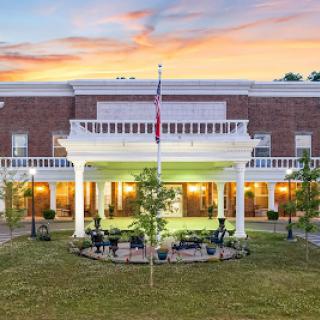
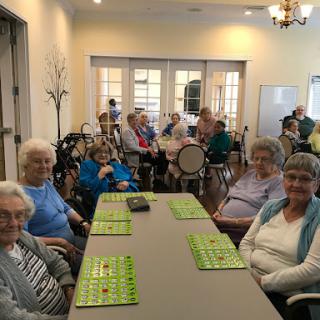
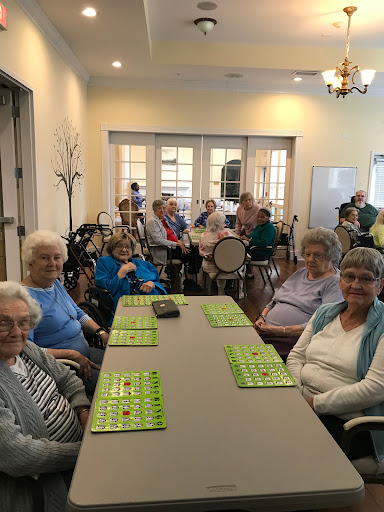
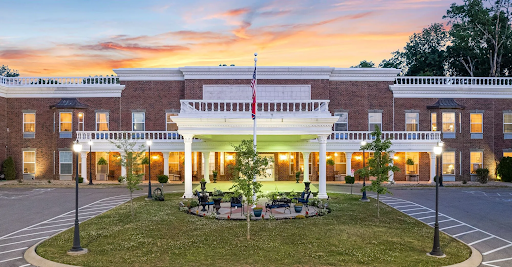
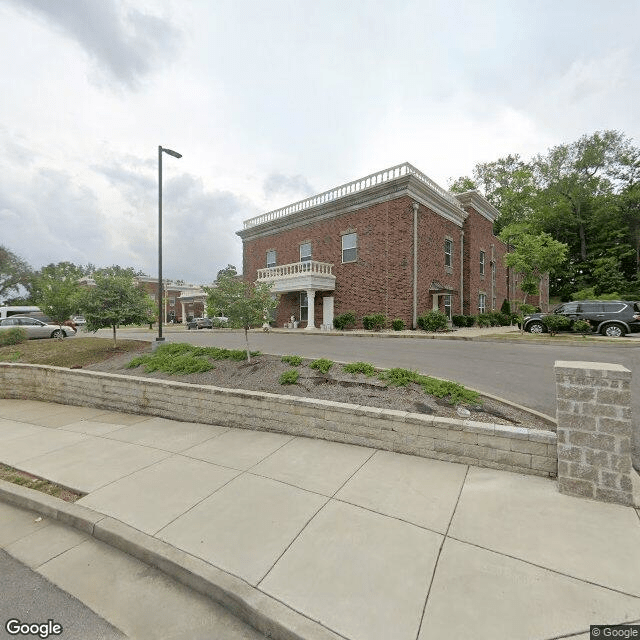
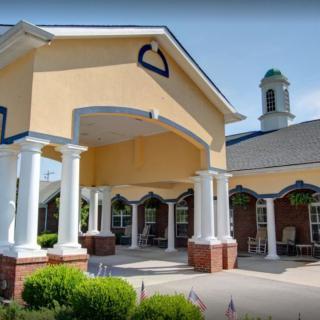
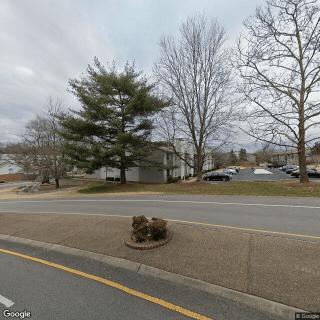
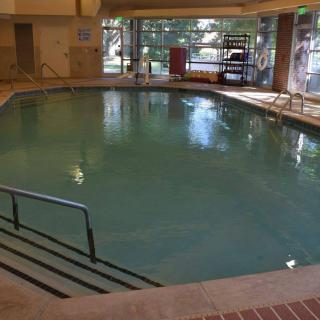
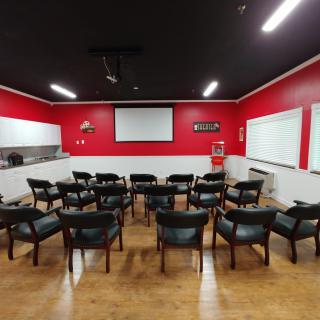
The Waterford in Hermitage on seniors.fyi includes 3 photos including images showing landscaping, bingo, building, architecture, exterior, flag, and more.
Nearby Communities
Helping Hands Support Center
Hermitage, TN
4.5 from 15 reviews
Punctual, compassionate caregivers with reliable scheduling and positive client outcomes.
Cornerstone Caregiving - Nashville East
Hermitage, TN
4.7 from 28 reviews
Excellent access to healthcare, dining, and community services with coordinated care.
Integrity Senior Care LLC - Hermitage, TN
Hermitage, TN
3.5 from 8 reviews
Strong access to nearby amenities and healthcare.
Charter Senior Living Of Hermitage
Hermitage, TN
4.4 from 116 reviews
$3,800 to $5,000 / month
Friendly staff and a wide range of amenities in a pleasant, home-like setting.
Angels at Home
Hermitage, TN
5 from 3 reviews
Excellent access to healthcare, transportation, and nearby amenities.
McKendree Village
Hermitage, TN
3.9 from 60 reviews
$2,238 to $3,225 / month
Caring, responsive staff; clean facility; good dining and engaging activities.
The Opal at Music City
Nashville, TN
4.1 from 60 reviews
$3,200 to $3,800 / month
Friendly, caring staff in a clean, welcoming environment with engaging activities.
Lakeshore Heartland
Nashville, TN
4.2 from 13 reviews
$2,670 / month
Compassionate, attentive staff with meaningful resident connections and engaging activities.
Right At Home Nashville
Nashville, TN
4.4 from 29 reviews
$3,500 to $3,800 / month
Compassionate, reliable caregivers with responsive office support.
Reminiscence therapy is a structured method for older adults, especially those with dementia, to share life stories using prompts and sensory cues, fostering emotional well-being, social engagement, and self-identity. It aims to improve quality of life by enhancing interpersonal connections and cognitive stimulation while requiring careful facilitation to avoid distressing memories.
Dementia, particularly Lewy body dementia, often involves hallucinations that can significantly distress both patients and caregivers due to disruptions in sensory processing and neurotransmitter imbalances. Effective management includes compassionate communication, environmental adjustments, and a multidisciplinary approach to care while addressing the emotional needs of caregivers.
Alzheimer’s disease is a progressive neurological disorder that significantly impacts memory and cognitive functions, accounting for 60-80% of dementia cases, with early diagnosis being crucial yet challenging. It involves brain changes like beta-amyloid plaques and tau tangles, influenced by genetic and lifestyle factors, and while there is no cure, symptom management and support for caregivers are essential.
Landscaping, Building, Architecture, Exterior, and Flag
Bingo
Get PricingAsk A QuestionSchedule A TourContact Senior Advisor
By clicking submit, you agree to our Partner's Terms of Use. You
also consent to receive calls and texts, which may be autodialed, from our Partner. Your consent is not a condition to
using our Partner's service. Please visit our Partner's Privacy Policy for information about their privacy practices.

 99 resident community capacity
 Assisted Living
 Memory Care
 Cats allowed
 Dogs allowed
 Activities on-site
 Air-conditioning
 Beautician on-site
 Cable or satellite TV
 Computer center
 Devotional services on-site
 Dining room
 Fitness room
 Fully furnished
 Gaming room
 Garden
 Housekeeping services
 Indoor common areas
 Kitchenette
 Move-in coordination
 Outdoor common areas
 Private bathrooms
 Respite or short term stays offered
 Restaurant-style dining
 Small library
 Telephone
 Wellness center
 Wheelchair accessible showers
 Wi-Fi/high-speed internet available
 Nashville International (5 miles away)
 Community operated transportation
 24-hour call system
 Ambulatory care
 Assistance with bathing
 Assistance with dressing
 Assistance with transfers
 Diabetes diet
 Diabetic care
 Incontinence care
 Medication management
 Mental wellness program
 Special dietary restrictions
 Concierge services
 Live dance or theater performances
 Live musical performances
 Planned day trips
 Punctual, compassionate caregivers with reliable scheduling and positive client outcomes.

 An In-Depth Look at Reminiscence Therapy in Dementia Care
 Dementia-Related Hallucinations: Causes, Experiences, and Practical Approaches
 Illuminating Insights About Alzheimer's Disease: Ten Crucial Realities