For more information about senior living options: (866) 208-4318
4.4 from 29 reviews
5 stars
23
4 stars
2
3 stars
0
2 stars
2
1 stars
2
Right At Home Nashville Costs & Pricing
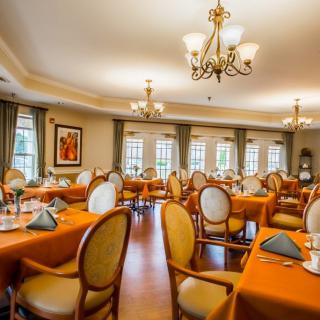
At Right At Home Nashville, the costs for care reflect the local market while offering a range of services tailored to meet individual needs. For semi-private accommodations, the monthly fee is $3,500, which is notably higher than the average cost in Davidson County at $2,765 and slightly above the state average of $3,162. Private rooms are priced at $3,800, again exceeding both local and state averages of $3,111 and $3,696 respectively. These figures suggest that while Right At Home Nashville may carry a premium compared to its surrounding area and state averages, it likely reflects enhanced services or amenities designed to provide quality care and comfort for its residents.
Floor plans
Right At Home Nashville
Davidson County
Tennessee
Semi-Private
$3,500
$2,765
$3,162
Private
$3,800
$3,111
$3,696
Senior living communities with a similar price nearby
from +$495 / mo
Charter Senior Living of Franklin
4.8 from 155 reviews
$3,995 to $4,795 / month
13.3 miles away
from +$280 / mo
Mary, Queen of Angels
4.8 from 118 reviews
$3,780 to $6,570 / month
8.8 miles away
from +$500 / mo
Clarendale At Bellevue Place
4.7 from 154 reviews
$4,000 to $5,880 / month
14.4 miles away
from +$230 / mo
Brookdale Gallatin
4.7 from 79 reviews
$3,730 to $4,285 / month
22.0 miles away
About the same
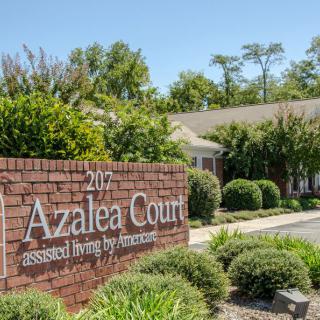
Azalea Court & The Arbors at Azalea Court
4.7 from 43 reviews
$3,400 to $5,000 / month
14.1 miles away
Overall Review of Right At Home Nashville
common17 reviews mention this
Caregivers are compassionate and professional
Residents describe caregivers who are compassionate, professional, and focused on comfort.
Many reviews highlight caregivers who take a personal interest and deliver compassionate, attentive support. Several families say the caregivers helped them feel peace of mind, including during serious or end-of-life periods. Others specifically mention caregivers being kind, competent, and willing to do what was needed to meet care needs while keeping the person comfortable.
common8 reviews mention this
Strong office communication and follow-through
Residents describe responsive office support with clear updates and quick follow-up.
A recurring theme is that the office keeps families informed, especially when schedules change. Reviews mention prompt notifications when a caregiver cancels and follow-up while staffing is being refilled. Multiple reviewers also describe getting back quickly when they call and having a reliable point of contact available for scheduling needs.
caveat2 reviews mention this
Staffing can be inconsistent
Some residents report missed shifts and inconsistent backup when caregivers call out.
While many reviews praise staffing responsiveness, a smaller number raise concerns about reliability. One review calls out poor communication and staffing that is only semi-reliable with shift coverage. Another mentions a very high no-show rate and difficulty finding backup when the assigned caregiver calls out.
How we summarize
Counts show how many written reviews mention each theme; a review can touch several themes, and only frequently mentioned themes are displayed.
Features
Transportation
Nashville International (1 miles away)
Nearby Places of Interest
Parks
Whitsett Park (1.6 miles)
Dog Park At The Fairgrounds (3.9 miles)
Shelby Park (4.5 miles)
Shelby Walk Park (4.8 miles)
Sevier Park (5.2 miles)
Riverfront Park (5.5 miles)
Music City Walk of Fame Park (5.5 miles)
Transportation
Concourse C (1.9 miles)
Nashville International Airport (BNA) (1.9 miles)
Concourse B (1.9 miles)
Delta Sky Club (1.9 miles)
National Car Rental (1.9 miles)
Concourse A (2 miles)
Cell Phone Waiting Area (2.3 miles)
Restaurants
Little Harpeth Brewing (1.9 miles)
Party Fowl (1.9 miles)
McDonald's (2.7 miles)
Rafferty's (3.7 miles)
Nectar Urban Cantina (3.8 miles)
Trax (4 miles)
McNamara's Irish Pub (4.2 miles)
Physicians
Breathe Easy Respiratory Solutions (2.3 miles)
Donelson Eye Care (2.8 miles)
Neurology Specialists of Middle Tennessee (3 miles)
Vanderbilt Lung Institute One Hundred Oaks (3.8 miles)
Vanderbilt Primary Care North (3.8 miles)
Franklin Road Women's Health Center (4.5 miles)
Smith & Nephew (4.9 miles)
Pharmacies
M2g Med-Management Group (2.4 miles)
Walmart Pharmacy (2.8 miles)
Walgreens (2.8 miles)
Walgreens (2.9 miles)
Walgreens (3.1 miles)
Walgreens (3.1 miles)
Walgreens (3.2 miles)
Theaters
Regal Hollywood ScreenX & RPX - Nashville (3.7 miles)
At Right At Home Nashville, the costs for care reflect the local market while offering a range of services tailored to meet individual needs. For semi-private accommodations, the monthly fee is $3,500, which is notably higher than the average cost in Davidson County at $2,765 and slightly above the state average of $3,162. Private rooms are priced at $3,800, again exceeding both local and state averages of $3,111 and $3,696 respectively. These figures suggest that while Right At Home Nashville may carry a premium compared to its surrounding area and state averages, it likely reflects enhanced services or amenities designed to provide quality care and comfort for its residents.
Home health care aides provide vital medical and non-medical support to individuals at home, assisting with daily living activities and promoting emotional well-being, while the demand for these services increases due to an aging population. Families benefit from in-home care's flexibility and cost-effectiveness but face challenges like scheduling consistency and caregiver turnover.
Older adults with urinary tract infections (UTIs) often present atypical symptoms, complicating diagnosis due to factors like incomplete bladder emptying and chronic health conditions that increase their susceptibility. Effective management involves prompt treatment with antibiotics, hydration, and preventive strategies while minimizing antibiotic resistance and focusing on holistic care approaches.
California's Form 602A is a vital tool for evaluating the health needs of seniors seeking residential care, detailing their medical conditions and daily living requirements to ensure proper service alignment. This standardized form enhances communication among physicians, families, and facilities, serving as a regulatory measure for admissions and ongoing care while adapting to changing healthcare practices.
Get PricingAsk A QuestionSchedule A TourContact Senior Advisor
By clicking submit, you agree to our Partner's Terms of Use. You
also consent to receive calls and texts, which may be autodialed, from our Partner. Your consent is not a condition to
using our Partner's service. Please visit our Partner's Privacy Policy for information about their privacy practices.

 Nashville International (1 miles away)
 Companionship-focused, reliable care for low-maintenance needs.

 Home Health Care Aides: Understanding Their Role and Supporting Your Family
 Urinary Tract Infections in Older Adults: Comprehensive Insights on Symptoms, Treatment, and Prevention
 California's Form 602A: An In-Depth Examination of Senior Care Assessment