
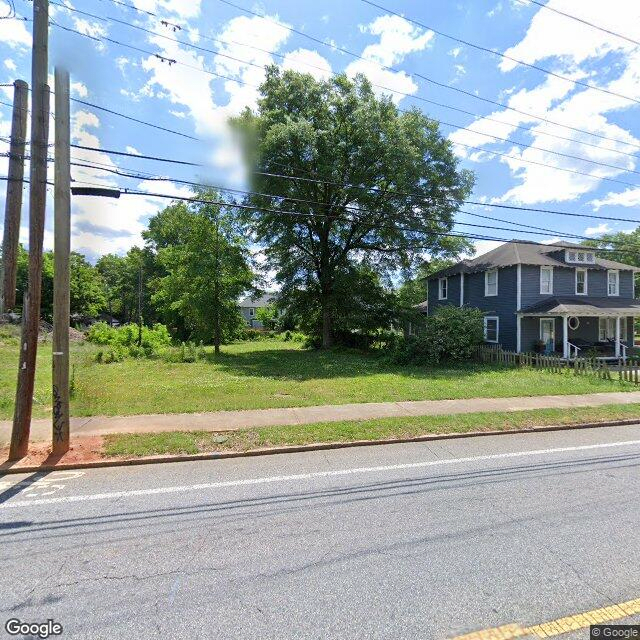
111 Anderson St, Greenville, SC 29601
To contact a resident: (864) 232-2524
For more information about senior living options: (866) 208-4318
Overall Review of Sherman's Boarding Home-Aged
Pros
 They value staying connected with family, especially on holidays.
- They advocate for respectful living environments that protect residents’ privacy and allow pets.
- They support compassionate handling of pets and humane housing policies.
- They emphasize honest, accurate lease management and transparent practices.
Cons
 They can't reach anyone by phone, always hitting an answering machine, especially on holidays.
- They say moving there would lead to others trying to control their private life and to get rid of their dog, making it a horrible place to live.
- They believe sick dogs are forced out of the property, and that the management is terrible and dishonest and can't keep track of leases.
Review
This community is best suited for residents who want minimal staff interaction and are comfortable with limited responsiveness from management. In Greenville, Sherman's Boarding Home-Aged presents itself as a setting where independence can be maintained only to the degree that communication remains unreliable and oversight appears sporadic. For seniors who require regular updates, prompt return calls, or active, transparent governance, this facility does not deliver. The impression formed from the reviews is that daily life would hinge on family members assuming the role of intermediary, while residents themselves may endure a level of contact that is unacceptably inconsistent. In practical terms, this is a fit only for those who can tolerate a hands-off relationship with administration and a willingness to navigate ambiguity.
Those considering alternatives should focus on facilities with proven, predictable communication and a track record of steady administrative leadership. Families evaluating options would be prudent to prioritize homes with clearly documented policies, reliable front-desk responsiveness, and a transparent leasing process. Pet policies deserve close scrutiny as well, since this setting has been described as actively restrictive and prone to attempts to influence private living arrangements. In short, if dependable contact, transparent governance, and a respectful approach to resident rights are non-negotiable, other communities in the region warrant closer inspection.
From a practical standpoint, the available positives are not clearly evident in the reported experiences, and the absence of meaningful pros means the cons are not offset. The lack of responsive communication and the impression of intrusive governance dominate the picture. Without credible advantages to balance the negatives, families should treat the facility as a last resort option when better in-market choices are unavailable. The real question becomes whether any potential cost savings or simple, no-frills living fit would justify accepting ongoing management instability and uncertain lease compliance. In a decision framework centered on safety, dignity, and reliable service, the balance tips decisively toward alternatives.
Communication gaps emerge as a central concern. One reviewer highlights that attempts to reach the mother on major holidays are routinely thwarted by an answering machine or unattended lines. This pattern raises alarms about crisis responsiveness, medical coordination, and daily supervision. In a setting where families depend on timely information about meals, medications, or safety checks, such persistent unavailability creates risk and anxiety. The absence of a dependable point of contact undermines trust and makes even routine updates feel uncertain. For any family, this alone is a decisive reason to look elsewhere.
Pet policy and privacy concerns compound the risk profile. A strongly negative voice describes attempts to control residents’ private lives and to remove a pet as a punitive lever. Combining that with a claim that the staff cannot keep track of leases and the overall impression of mismanagement, the message is clear: resident autonomy and stable, predictable housing management are not present. The suggestion that sick or vulnerable animals could be forced off the property signals a policy framework that lacks empathy and consistent humane consideration. When pet comfort is a meaningful part of quality of life, such a climate is a non-starter for many families evaluating long-term arrangements.
The takeaway is concrete: for families weighing options in Greenville, Sherman's Boarding Home-Aged represents a high-risk choice grounded in unreliable communication, intrusive or unpredictable management practices, and questionable lease governance. Those whose priorities include proactive outreach, consistent staffing, and respectful, clear policies should exclude this community from serious consideration. Instead, pursue facilities with verifiable responsiveness, transparent resident rights protections, and pet policies that align with humane care. In the evaluation process, insist on unambiguous contact protocols, on-site staff availability, and documented lease administration, then compare actual experiences of current residents and families. The gap between expectations and what appears to be delivered at this community is too wide to justify with any reasonable assurance of safety, comfort, or stable daily life.
 Board and Care Home
 Greenville-Spartanburg (12 miles away)






 A Comprehensive Exploration of Common Misunderstandings about Powers of Attorney
 Senior Move Management: Understanding the Role, Value, and Associated Costs
 Weight Training for Seniors: Building Strength and Vitality