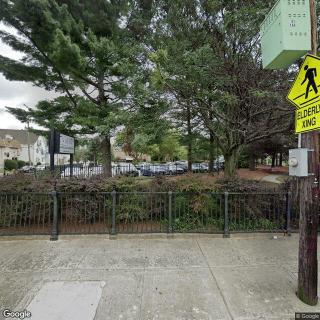
Pawtucket Center

Save

Pawtucket Center

70 Gill Avenue, Pawtucket, RI 02861

For more information about senior living options: (844) 490-3973

3.7 from 81 reviews
5 stars
46
4 stars
9
3 stars
2
2 stars
1
1 stars
23

Assisted Living Skilled Nursing Facility

Overall Review of Pawtucket Center

Pros

  • pro The staff is excellent, polite, caring, and professional.
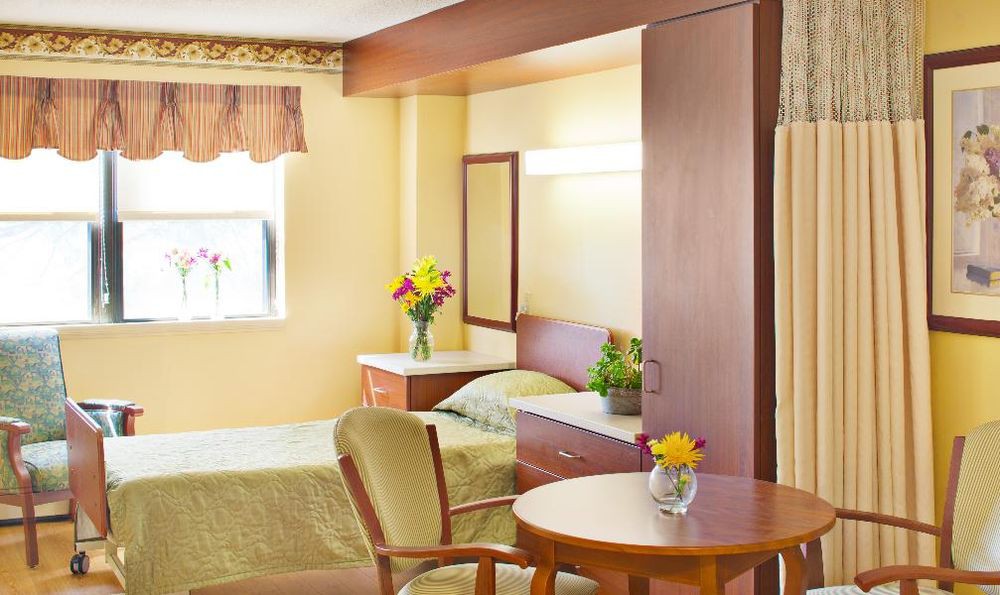
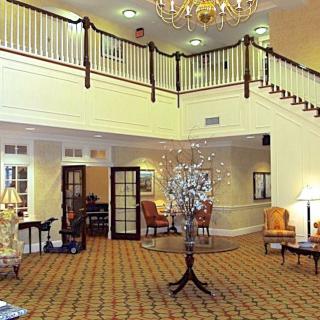
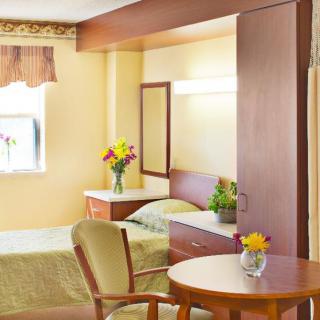
  • pro The facility is clean, well run, and has undergone extensive remodeling.
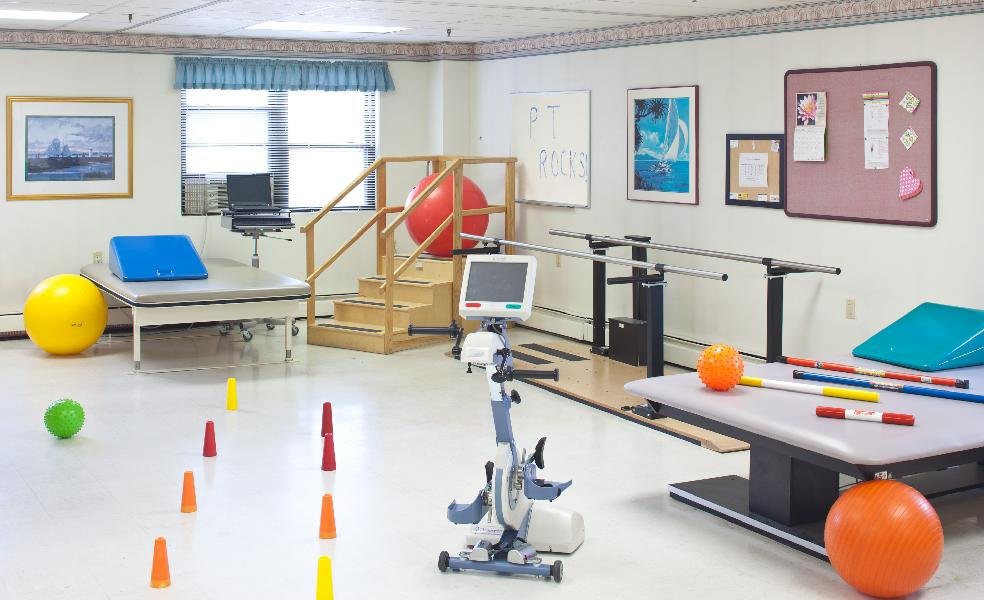
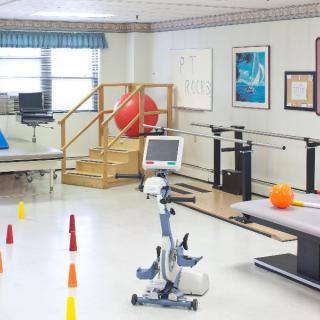
  • pro The therapy staff is amazing and meets all therapy needs.
  • pro New ownership has brought improvements and a dedicated management team to make a difference.
  • pro The environment is welcoming, and the staff are very nice.
  • pro The administration and nursing leadership are committed to high-quality care and clear communication.
  • pro Extraordinary place with impressive service and staff.
  • pro The center is highly recommended for rehab and care.

Cons

  • pro The facility is horrible; the care is awful and the food is disgusting.
  • pro This place does not pay its bills.
  • pro Pawtucket Falls claims to be focused on the community, but that's false.
  • pro The staff is understaffed and overwhelmed, leading to long waits for help.
  • pro The staff are rude, obtuse, and unhappy.
  • pro The building is old and bare bones, with insufficient air conditioning.
  • pro The facility smells like stale cigarettes and urine.
  • pro There is a major resident abuse situation here.
  • pro The elevators haven't been inspected since 2021.

Review

Pawtucket Center in Pawtucket, RI is best suited for older adults who need focused rehabilitation and daily nursing attention, with families that want frequent, transparent updates and hands-on involvement in care planning. It works especially well for short-term rehab after surgery or illness, where a robust PT/OT program can deliver measurable mobility gains and a clear path back home. The addition of a brand-new dementia unit and ongoing campus updates also makes it a reasonable option for residents transitioning into memory care. Yet the setting is not ideal for those seeking a pristine, luxury-style environment or for those who require consistently flawless, around-the-clock medical oversight.

The core strengths are hard to miss. The rehabilitation program is repeatedly described as the facility's centerpiece, with therapists who push progress and a care team that emphasizes continuity of care. Nursing staff are often praised for kindness, professionalism, and responsiveness, with families reporting regular updates and a willingness to follow care plans and respond to concerns. The atmosphere in many parts of the building is clean and welcoming, and several reviewers note meaningful improvements under new leadership, including expanded clinical capabilities and a dementia unit designed to support residents with memory challenges. For families navigating post-acute care, these elements translate into tangible progress and reassurance about discharge readiness.

However, the experience is not uniformly positive, and the downsides are substantial enough to trigger serious consideration. A recurring thread centers on under-staffing, especially on overnight shifts, leading to delays in assistance and a sense that requests are not always addressed promptly. There are troubling accounts of medical missteps and communication gaps that left families feeling out of the loop during critical moments. Food quality and overall amenities have also drawn criticism in some reviews, as have reports of odor, cleanliness lapses, and concerns about environmental conditions in older parts of the facility. The most severe anecdotes describe patient harm or near-harm events, including hospitalizations that stemmed from perceived gaps in monitoring and care. Taken together, these reviews underscore real risk factors that cannot be ignored.

Despite the risks, the favorable aspects can meaningfully offset the negatives for the right resident profile. When staff are aligned and proactive, the center's rehab outcomes can be impressive, with patients regaining walking ability, independence, and confidence that translate into successful home discharges. The ongoing management changes and physical investments signal a facility striving to stabilize and improve, not rest on past performance. For families who can maintain steady communication, push for timely care, and clearly articulate a resident's needs, the positives - effective therapy, attentive nursing, and a supportive community - often rise above the occasional service gaps.

Those considering alternatives should weigh a few non-negotiables. If the priority is consistent, highly reliable 24/7 medical oversight with minimal risk of understaffing, or a campus with uniformly top-tier dining and pristine facilities, it's prudent to compare other options. For residents with complex medical conditions, frequent acute changes, or a history of hospital-level events, another facility with a longer track record of stable staffing and aggressive risk management may be a safer choice. Families should also scrutinize current state inspection findings, speak directly with therapy and nursing leadership, and request a recent incident log before committing.

To move forward with confidence, schedule a thoughtful tour focused on real-world operations: observe staffing at peak and off-peak times, talk to current residents and family councils, and request aisles of documentation - care plans, therapy schedules, and recent discharge outcomes. Ask blunt questions about overnight coverage, response times, and how emergency concerns are escalated. Verify the latest state surveys and any corrective actions undertaken since ownership changes. In the end, Pawtucket Center can deliver compelling rehab results and compassionate care for the right resident, but it requires careful screening, clear expectations, and a proactive family partnership to ensure the balance of strengths and risks aligns with individual care goals.

Features

Housing

  • 21 resident community capacity 21 resident community capacity

Types of Care

  • Assisted Living Assisted LivingAssisted living facilities provide crucial support and care for seniors who may need help with daily tasks such as medication management, bathing, and meal preparation. These communities offer a safe and comfortable environment where seniors can maintain their independence while receiving the assistance they need to thrive in their golden years.
  • Skilled Nursing Facility Skilled Nursing FacilitySkilled Nursing Facilities are crucial for seniors as they provide round-the-clock medical care, rehabilitation services, and assistance with daily activities. These facilities ensure that seniors receive the specialized care they need to maintain their health and well-being as they age.

Amenities

  • Beauty salon Beauty salonBeauty salons are important for seniors because they provide a space for them to feel pampered, socialize, and maintain their personal grooming and hygiene. Regular visits to a beauty salon can help boost seniors' self-esteem and overall well-being.
  • Cable or satellite TV Cable or satellite TVCable or satellite TV is important for seniors because it provides entertainment, news, and companionship, helping to combat loneliness and boredom. It also offers a wide range of programming options tailored to different interests and preferences.
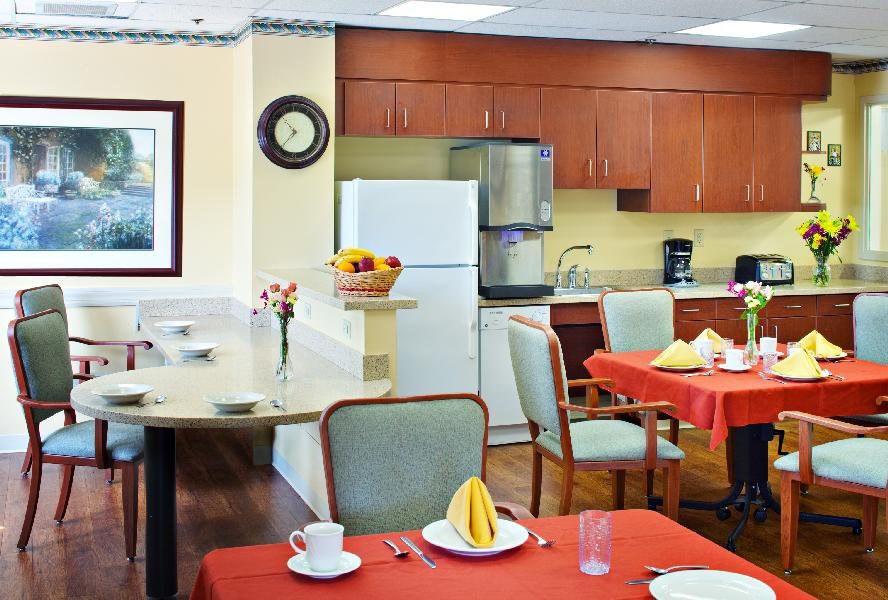
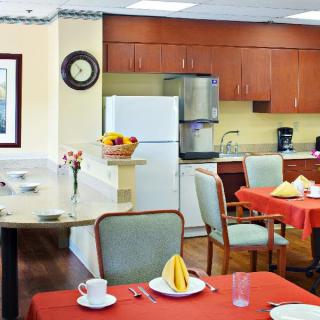
  • Dining room Dining roomDining rooms are important for seniors as they provide a space for socialization, connection, and nutritious meals. They offer opportunities for residents to bond over shared meals, foster a sense of community, and promote healthy eating habits. Dining rooms also ensure that seniors have access to well-balanced meals tailored to their dietary needs and preferences.
  • Fully furnished Fully furnishedFully furnished senior living communities are important for seniors because they provide convenience, comfort, and a hassle-free moving experience. Seniors can easily settle into their new living space without the stress of having to buy and move furniture. This allows them to focus on enjoying their new home and community.
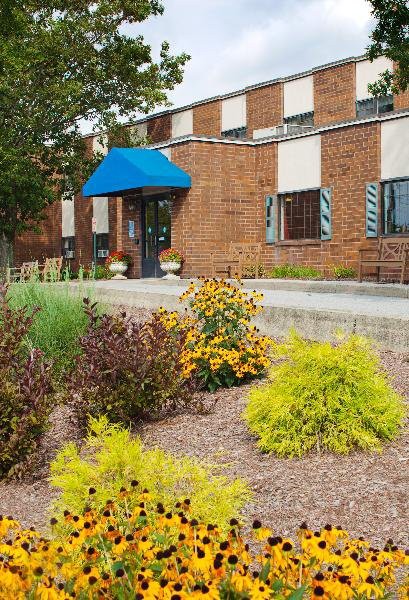
  • Garden GardenGardens are important for seniors as they provide a peaceful and therapeutic environment for relaxation, physical activity, and socialization. Being in nature has been shown to reduce stress, improve mood, and promote overall well-being. Gardens also offer opportunities for seniors to engage in gardening activities, which can improve mobility, flexibility, and cognitive function. Additionally, gardens create a sense of community and connection with others who share a passion for plants and outdoor spaces.
  • Housekeeping services Housekeeping servicesHousekeeping services are important for seniors because they help maintain a clean and safe living environment, promote independence, and reduce the risk of accidents or illnesses. Additionally, having assistance with household chores can alleviate physical strain and allow seniors to focus on other aspects of their well-being.
  • Kitchenette KitchenetteKitchenettes are important for seniors living in senior living communities because they provide the convenience and independence of being able to prepare simple meals and snacks in the comfort of their own living space. This can help promote a sense of autonomy and well-being for seniors, allowing them to maintain some level of control over their dietary choices and daily routines.
  • Move-in coordination Move-in coordinationMove-in coordination is important for seniors because it helps ease the transition into their new living environment. It ensures that all logistics, such as packing, organizing movers, and setting up utilities are taken care of, allowing seniors to focus on settling in and adjusting to their new home. Having a smooth move-in process can alleviate stress and anxiety, making the transition smoother and more enjoyable for seniors.
  • Outdoor space Outdoor spaceOutdoor spaces are important for seniors as they provide opportunities for physical activity, social interaction, exposure to natural light and fresh air, and a sense of connection to nature. Having access to outdoor spaces can improve overall well-being and quality of life for older adults living in senior communities.
  • Telephone TelephoneTelephones are important for seniors as they provide a lifeline for communication with loved ones, emergency services, and healthcare providers. They offer a sense of security and independence, enabling seniors to stay connected and access assistance when needed.
  • Wi-Fi/high-speed internet available Wi-Fi/high-speed internet availableWi-Fi/high-speed internet is important for seniors to stay connected with loved ones, access online resources, and participate in virtual activities to combat feelings of loneliness and isolation. It also allows them to easily manage healthcare needs, access entertainment, and engage in lifelong learning opportunities.

Transportation

  • Theodore F Green State (10 miles away) Theodore F Green State (10 miles away)

Care Services

  • 24-hour call system 24-hour call system24-hour call systems are important for seniors because they provide peace of mind and immediate assistance in case of emergencies. This technology ensures that help is always available, promoting safety and security for elderly individuals living alone or in assisted living facilities.
  • 24-hour supervision 24-hour supervision24-hour supervision is important for seniors to ensure their safety, well-being, and access to immediate assistance in case of emergencies or health issues. This constant support provides peace of mind for both seniors and their loved ones, allowing them to age in place with dignity and security.
  • Activities of daily living assistance Activities of daily living assistanceActivities of daily living assistance are important for seniors because they provide essential support with tasks such as eating, bathing, dressing, and mobility. This assistance helps seniors maintain their independence, dignity, and overall quality of life as they age.
  • Assistance with bathing Assistance with bathingAssistance with bathing is crucial for seniors as it helps maintain personal hygiene, prevents infections, and ensures their overall well-being and comfort. It also provides a sense of dignity and independence for seniors who may struggle with this task on their own.
  • Assistance with dressing Assistance with dressingAssistance with dressing is important for seniors because it helps maintain their independence, promotes personal hygiene, prevents accidents and injuries, and improves overall quality of life. This service ensures that seniors can continue to dress comfortably and confidently, despite any physical limitations they may have.
  • Assistance with transfers Assistance with transfersAssistance with transfers is crucial for seniors as it helps prevent falls and injuries, maintains their independence, and ensures they can safely navigate their living environment. It also provides peace of mind for both seniors and their loved ones.
  • Coordination with health care providers Coordination with health care providersCoordination with health care providers is crucial for seniors to ensure proper medical care, medication management, and overall well-being. This collaboration helps prevent overlapping treatments, track progress more effectively, and provide comprehensive support tailored to individual needs.
  • Diabetes diet Diabetes dietA diabetes diet is crucial for seniors as it helps manage blood sugar levels, reduce risks of complications, and improve overall health and well-being. By following a balanced and nutritious diet tailored to their specific needs, seniors can better control their diabetes and enhance their quality of life.
  • Meal preparation and service Meal preparation and serviceMeal preparation and service are crucial for seniors as they may have limited mobility or energy to cook nutritious meals. Having access to healthy and convenient food options can ensure they are getting the proper nutrition needed to maintain their overall health and well-being.
  • Medication management Medication managementMedication management is crucial for seniors to ensure they are taking the right medications at the correct dosages and times. This helps prevent adverse drug interactions, reduces the risk of medication errors, and promotes overall health and well-being. Proactive management also allows for adjustments as needed based on changing health conditions or new prescriptions.
  • Mental wellness program Mental wellness programMental wellness programs are essential for seniors as they promote cognitive stimulation, emotional support, and social engagement. These programs help prevent isolation, depression, and cognitive decline, ultimately enhancing the overall quality of life for older adults.
  • Special dietary restrictions Special dietary restrictionsSpecial dietary restrictions are important for seniors because age-related changes in metabolism and health conditions can make it difficult for their bodies to process certain foods. By following a diet tailored to their specific needs, seniors can maintain their overall health and well-being, manage chronic conditions, and reduce the risk of complications such as malnutrition or food interactions with medications.
  • Transportation arrangement (medical) Transportation arrangement (medical)Transportation arrangements for medical purposes are essential for seniors as they may have difficulty driving themselves to appointments or accessing public transportation. Having reliable and safe transportation options ensures that seniors can receive timely medical care and maintain their health and well-being.
  • Transportation to doctors appointments Transportation to doctors appointmentsTransportation to doctors' appointments is crucial for seniors as it ensures they have access to necessary medical care and support for their health needs. Without reliable transportation, seniors may struggle to attend important appointments, leading to potential delays in treatment and health complications. Providing transportation services helps seniors maintain their overall well-being and quality of life.
Dining

  • Diabetes diet Diabetes dietA diabetes diet is crucial for seniors as it helps manage blood sugar levels, reduce risks of complications, and improve overall health and well-being. By following a balanced and nutritious diet tailored to their specific needs, seniors can better control their diabetes and enhance their quality of life.
  • Special dietary restrictions Special dietary restrictionsSpecial dietary restrictions are important for seniors because age-related changes in metabolism and health conditions can make it difficult for their bodies to process certain foods. By following a diet tailored to their specific needs, seniors can maintain their overall health and well-being, manage chronic conditions, and reduce the risk of complications such as malnutrition or food interactions with medications.

Activities

  • Community-sponsored activities Community-sponsored activitiesCommunity-sponsored activities are important for seniors as they provide opportunities for social interaction, mental stimulation, and physical activity. These activities can help improve overall well-being, combat loneliness and isolation, and promote a sense of belonging and purpose among older adults.
  • Scheduled daily activities Scheduled daily activitiesScheduled daily activities are important for seniors because they provide structure, socialization, mental stimulation, and physical activity. Engaging in regular activities can improve overall well-being and quality of life for seniors living in a community setting.

Description

The Pawtucket Center in Pawtucket, RI is a skilled nursing facility that provides a range of care services for seniors. Residents can enjoy comfortable and fully furnished accommodations with amenities such as cable or satellite TV, Wi-Fi/high-speed internet, and telephone access. The center also offers a dining room where residents can enjoy delicious meals prepared by the staff.

The Pawtucket Center takes pride in providing excellent care services to its residents. With 24-hour supervision, assistance with activities of daily living such as bathing and dressing, and coordination with health care providers, residents can feel safe and well taken care of. Medication management ensures that residents receive their prescribed medications on time.

The center also understands the importance of mental wellness, offering a mental wellness program for residents to engage in activities that promote cognitive stimulation and social interaction. Special dietary restrictions are accommodated to ensure that residents can maintain a healthy lifestyle.

Transportation arrangements are made for medical purposes, ensuring that residents have access to necessary appointments. Additionally, scheduled daily activities keep residents engaged and entertained.

Located in a convenient area, the Pawtucket Center is surrounded by various amenities. With 12 cafes, 9 parks, 21 pharmacies, 14 physicians' offices, 38 restaurants nearby, residents have plenty of options for leisurely outings or accessing necessary services. The close proximity to hospitals ensures quick access to medical care when needed.

Overall, the Pawtucket Center is an assisted living community that offers comprehensive care services in a comfortable and supportive environment.

Nearby Places of Interest

Pharmacies

  • CVS Pharmacy (0.4 miles)
  • CVS Pharmacy (1.1 miles)
  • Walgreens (1.8 miles)
  • CVS Pharmacy (1.9 miles)
  • CVS Pharmacy (2.4 miles)
  • East Side Wine and Spirits (2.7 miles)
  • Walgreens (2.7 miles)

Restaurants

  • Uncle Tony's Pizza & Pasta (0.8 miles)
  • McDonald's (1.4 miles)
  • Seven Stars Bakery (2.4 miles)
  • Gregg's Restaurants (2.5 miles)
  • Pho Horn's (2.6 miles)
  • Knead Doughnuts (2.8 miles)
  • Davenport's Restaurant (2.8 miles)

Cafes

  • Seven Stars Bakery (1.5 miles)
  • Starbucks (3 miles)
  • Providence Bagel (3.3 miles)
  • Starbucks (3.5 miles)
  • Bolt Coffee (3.8 miles)
  • Daves Coffee (4 miles)
  • Bolt Coffee (4.2 miles)

Physicians

  • University Orthopedics (2 miles)
  • Anchor Medical (3.4 miles)
  • University Orthopedics (3.5 miles)
  • Southern New England Retina Associates PC (3.6 miles)
  • Ocean Orthopedic Services (3.6 miles)
  • Coastal Medical - Waterman Pediatrics (3.8 miles)
  • Coastal Medical Sleep Disorder (4.2 miles)

Parks

  • Lippitt Memorial Park (2.1 miles)
  • Blackstone Park (2.6 miles)
  • Blackstone Boulevard (2.7 miles)
  • Waterman St Dog Park (2.9 miles)
  • Gano Park (3.4 miles)
  • Bold Point Park (3.7 miles)
  • Roger Williams National Monument (3.7 miles)

Hospitals

  • Miriam Hospital - Infection, Disease, & Immunology Center (2.7 miles)
  • Hasbro Children's Hospital (4.6 miles)
  • Providence VA Medical Center (4.7 miles)
  • Women and Infants Laboratory (4.8 miles)

Transportation

  • Providence Station - MBTA & Amtrak (PVD) (3.9 miles)

Theaters

  • Providence Place Showcase IMAX Theaters (4.2 miles)

Frequently Asked Questions

Where is Pawtucket Center?
What photos are available for Pawtucket Center in Pawtucket, Rhode Island?

Nearby Communities

  • Beechwood Residential Care

    Beechwood Residential Care

    Pawtucket, RI

    3.8 from 4 reviews
     

    pro Abundant nearby amenities (parks, cafes, restaurants, pharmacies, theaters, and hospitals) enhance residents' quality of life.


  • Darlington Assisted Living Centers

    Darlington Assisted Living Centers

    Pawtucket, RI

    2.8 from 10 reviews
    $3,000 to $3,700 / month

    pro Attentive staff and a home-like atmosphere with recent room updates.

  • Darlington Assisted Living Center No 1

    Darlington Assisted Living Center No 1

    Pawtucket, RI

    3 from 4 reviews
     

    pro Fully furnished rooms with meals, housekeeping, 24/7 supervision, and coordinated care in a vibrant setting.

  • Darlington Assisted Living Ctr

    Darlington Assisted Living Ctr

    Pawtucket, RI

     
    $2,800 to $3,800 / month

    pro Competitive pricing below county/state averages with robust on-site amenities and services.

  • Darlington Assisted Living Center No 2

    Darlington Assisted Living Center No 2

    Pawtucket, RI

    3 from 5 reviews
     

    pro Clean, intimate setting with a community feel.

  • Oak Hill Health & Rehabilitation Center

    Oak Hill Health & Rehabilitation Center

    Pawtucket, RI

    3.3 from 12 reviews
    $6,600 to $6,960 / month

    pro Helpful staff and semi-private rooms.

  • Laurelmead Cooperative

    Laurelmead Cooperative

    Providence, RI

    4.4 from 50 reviews
    $2,022 to $3,600 / month

    pro Vibrant, resident-owned community with diverse activities and a welcoming atmosphere.

  • Wingate Residences on Blackstone Boulevard

    Wingate Residences on Blackstone Boulevard

    Providence, RI

    4.5 from 82 reviews
    $3,750 to $6,995 / month

    pro Strong memory care with attentive staff, engaging activities, and well-maintained grounds.

  • Jeanne Jugan Residence

    Jeanne Jugan Residence

    Pawtucket, RI

    5 from 1 review
     

    pro Vibrant activity program with outings and social spaces.

Related Resources

  • assisted living vs nursing homeChoosing the Right Senior Care: A Detailed Exploration of Assisted Living and Nursing Homes

    Choosing between assisted living and nursing homes involves evaluating emotional and financial factors, with assisted living offering independence and support for daily activities at a lower cost, while nursing homes provide intensive medical care for individuals with significant health needs. The decision is influenced by personal preferences, health status, cognitive function, and varying Medicaid coverage across states.

  • assisted living costUnderstanding the True Cost of Assisted Living in 2025: A Comprehensive Guide

    Assisted living in 2025 offers a crucial balance of independence and support for seniors, with costs varying from $2,500 to over $7,000 per month based on factors such as location and care level. Understanding pricing complexities, including regional differences and potential hidden fees, is essential for families to plan financially while ensuring quality care for their loved ones.

  • does medicaid pay for assisted livingUnderstanding Medicaid Coverage for Assisted Living: A Comprehensive Guide

    The guide outlines the complexities of Medicaid coverage for assisted living, highlighting significant state-to-state variations, limited coverage often restricted to personal care services, and the existence of specialized waivers for certain needs like memory care. It advises families to consult local Medicaid offices for options while emphasizing the importance of understanding state-specific regulations and facility policies.