
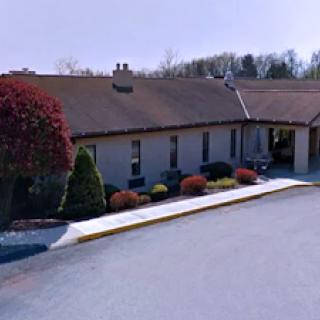
18 Norman Ave, Washington, PA 15301
To contact a resident: (412) 206-0885
For more information about senior living options: (866) 208-4318
Day's Personal Care Home Costs & Pricing
Day's Personal Care Home offers competitive pricing for its services, especially when compared to the broader market in Washington County and across Pennsylvania. For semi-private accommodations, residents pay $1,400 per month, which is significantly lower than the county average of $3,185 and the state average of $3,542. Private rooms at Day's are priced at $1,500 per month, again showcasing a substantial savings compared to the county's average of $4,580 and the state's average of $4,890. This makes Day's an attractive option for individuals seeking quality personal care without the financial burden often associated with such facilities.
| Floor plans | Day's Personal Care Home | Washington County | Pennsylvania |
|---|---|---|---|
| Semi-Private | $1,400 | $3,185 | $3,542 |
| Private | $1,500 | $4,580 | $4,890 |
Senior living communities with a similar price nearby
-
from +$250 / mo
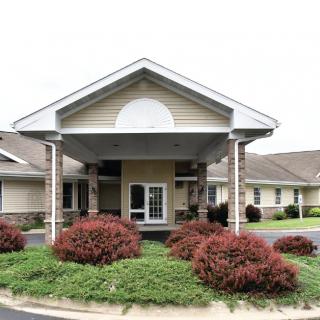
Grandview Estates Of Elizabeth
$1,650 to $1,850 / month23.8 miles away -
from -$110 / mo

The Residence at Arrowood
$1,290 to $3,570 / month20.9 miles away -
About the same

Vanadium Woods
$1,416 to $2,569 / month16.3 miles away -
from -$200 / mo
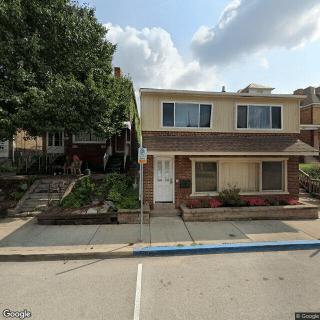
Logan Personal Care
$1,200 to $1,500 / month20.0 miles away -
from +$150 / mo
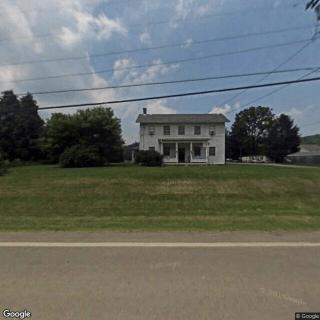
Lasosky's Personal Care Home
$1,550 to $1,750 / month20.1 miles away
Overall Review of Day's Personal Care Home
Pros
 They find it rewarding.
- They have a fun time doing what they love to do.
- They are blessed to have a large family.
- They feel very needed and loved.
Review
Day's Personal Care Home in Washington, PA is best suited for seniors who want a small, intimate setting where daily life revolves around purposeful activities and a genuinely family-like atmosphere. The experience described centers on residents engaging in what they love and feeling consistently cherished, giving the sense that life here is built around belonging and personal significance. This is not a place that treats residents as anonymous occupants; it is a community where people are welcomed into roles, conversations, and routines that honor individual interests and contributions.
Those who may want to consider alternatives include families seeking robust clinical oversight or a broader spectrum of medical services under one roof. For residents needing 24/7 skilled nursing, intensive rehabilitation, or highly specialized therapies, a larger facility with more on-site medical resources could be a better match. Additionally, families prioritizing a wider array of on-site amenities, a more structured activity calendar, or greater privacy and independence may find that a larger or more resource-rich community better aligns with their expectations and daily rhythms.
The strongest positives are emotional and relational. The resident experience appears rewarding because daily life emphasizes activities aligned with personal passions, and the environment conveys a strong sense of being needed and loved. A large-family feeling translates into frequent, authentic social connections, warm interactions with staff, and a cadence of days built around meaningful tasks rather than transactional care alone. These elements tend to support mood, persistence in activities, and a sense of security that can stabilize routines and reduce loneliness.
If there are potential drawbacks, they are typical of intimate residential settings rather than explicit negatives presented in the available feedback. Small homes often operate with fewer on-site specialists, a more limited array of high-intensity medical services, and a narrower slate of simultaneous activities. While no concrete shortcomings are highlighted in the single review, these structural realities can matter for residents whose health needs evolve, who require extensive therapy, or who thrive on a busier calendar. The absence of stated drawbacks does not erase these practical considerations, but they are inherent trade-offs in a purposely close-knit care option.
Those pros offset the cons most effectively for residents who prioritize belonging, purposeful daily engagement, and emotional resonance. The intimate scale and staff commitment can compensate for fewer medical resources by delivering consistent, personalized care and a sense of family that supports adherence to routines and a positive outlook. For individuals who already have stable health and simply seek meaningful daily activity and companionship, Day's Personal Care Home often delivers more durable satisfaction than larger, less personal settings. The key is a match between personal values and care realities: belonging and engagement versus breadth of medical services.
Practical guidance for families considering a move: arrange a face-to-face visit focused on genuine interaction with frontline staff and current residents, and probe how daily activities are customized to individual passions. Ask about staff-to-resident ratios during peak times and request recent examples of residents thriving through participation in hobbies or routines. Clarify costs, contract terms, and whether short-term or trial stays are possible to assess fit without a long-term commitment. In the end, this community stands out for those who prize warmth, meaningful purpose, and the feeling of being part of a large, caring family; for families prioritizing extensive medical resources or expansive amenities, exploring alternatives with broader clinical capabilities is a prudent, data-driven step.
 Board and Care Home
 Private
 Pittsburgh International (21 miles away)
 Ambulatory care
 Diabetic care
 Incontinence care

 A Detailed Examination of Nursing Home Costs Across the U.S.
 Exploring Nonmedical Home Care: Understanding Services, Costs, and Financial Approaches
 Engaging Brain Games and Innovative Apps to Keep Senior Minds Active