
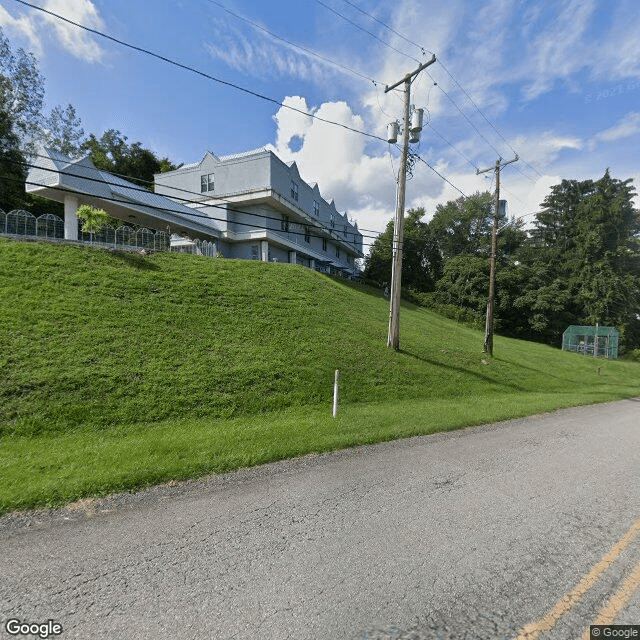
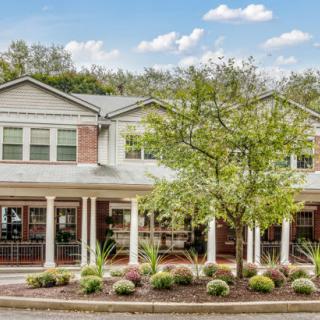
123 Hamilton Avenue, Turtle Creek, PA 15145
For more information about senior living options: (866) 208-4318
Hamilton Hills Costs & Pricing
Hamilton Hills offers a more competitive pricing structure compared to both Allegheny County and the broader Pennsylvania state averages. For semi-private rooms, residents can expect to pay $2,250 per month, which is significantly lower than the county's average of $3,166 and the state average of $3,542. Similarly, for one-bedroom accommodations, Hamilton Hills maintains an attractive rate of $2,600, in contrast to Allegheny County's $3,798 and Pennsylvania's $4,006. This cost efficiency positions Hamilton Hills as an appealing option for those seeking quality care without straining their budget.
| Floor plans | Hamilton Hills | Allegheny County | Pennsylvania |
|---|---|---|---|
| Semi-Private | $2,250 | $3,166 | $3,542 |
| 1 Bedroom | $2,600 | $3,798 | $4,006 |
Assisted Living communities with a similar price nearby
-
from +$390 / mo
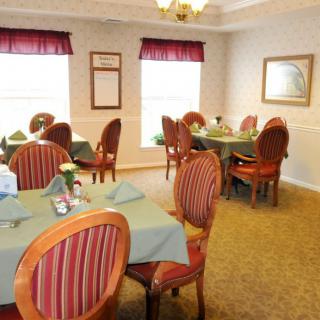
Concordia Of Cranberry
$2,640 to $4,050 / month22.7 miles away -
from +$250 / mo

Fawn Personal Care Home
$2,500 / month16.5 miles away -
from +$160 / mo

Brookdale Mt. Lebanon
$2,410 to $4,055 / month10.9 miles away -
from +$300 / mo

Mount Vernon Of South Park
$2,550 to $3,550 / month11.5 miles away -
from +$200 / mo
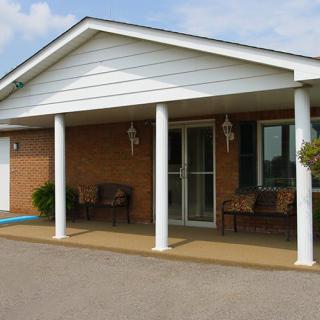
Mount Vernon of Elizabeth
$2,450 to $3,600 / month8.7 miles away
Overall Review of Hamilton Hills
Pros
 The owner and staff work very hard to meet residents' needs.
- The facility has improved greatly since June.
- The food has improved and more activities have been introduced.
- The facility is decorated for major holidays and residents' birthdays are recognized.
- The med techs are busy but doing a great job, and maintenance is available as needed.
- The owner is steadily improving areas around the facility, and the price is fair to good.
- Residents are treated like family and care is appreciated.
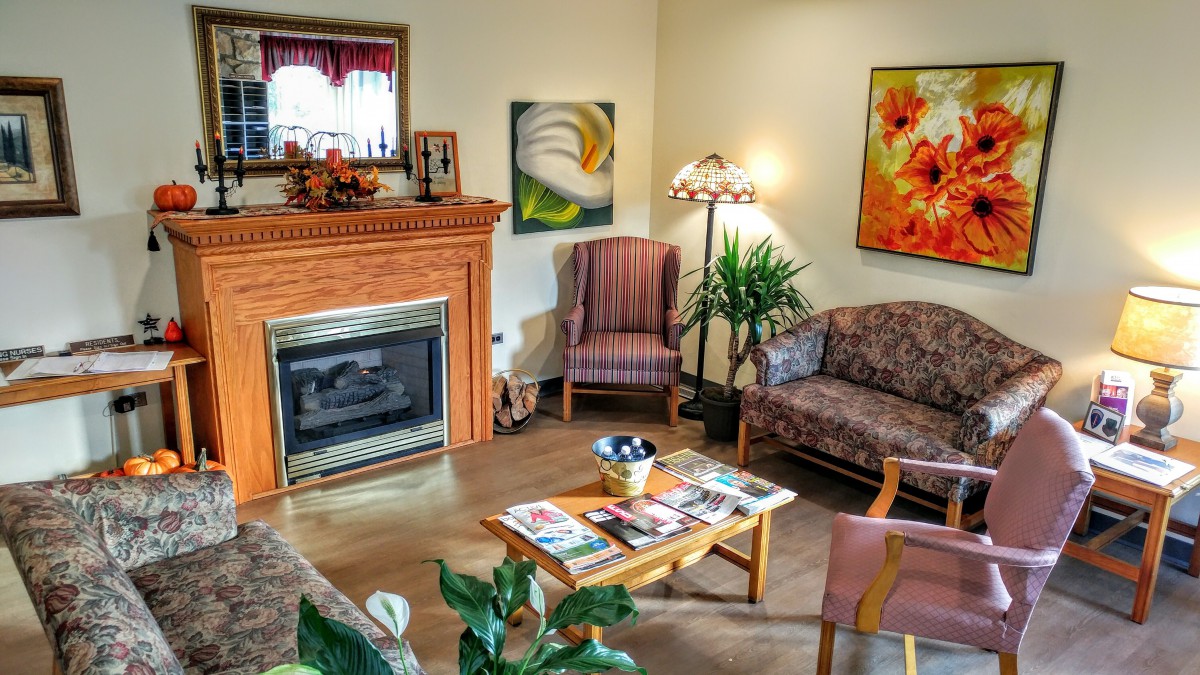
- The facility has undergone renovations and has a welcoming atmosphere.
- The new executive director is a welcome change and leadership is positive.
- They offer all levels of care and strive to meet residents' needs.
Cons
 There have been ongoing heat and hot water problems for residents that remain unresolved into winter.
- Space heaters are prohibited because of fire hazards, leaving residents to shiver in their rooms.
- Reviews claim that what is being done to residents is cruel and illegal, including unheated rooms offered to new tenants.
- The facility is accused of caring more about money than residents’ well-being, with understaffing and abusive workers.
- A resident was moved to a different room without the family’s knowledge, resulting in four people sharing a room.
- The food is described as inadequate and sometimes spoiled, and the facility is dirty.
- There has been a revolving door of staff, with multiple administrators in ten years.
- For residents needing higher acuity care, the place is not recommended due to staff shortages and hospice placement.
Review
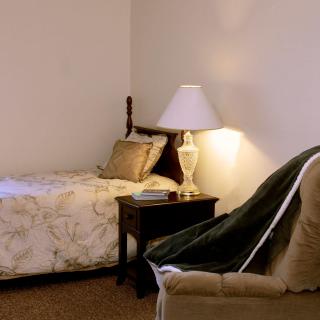
Hamilton Hills in Turtle Creek is best suited for families seeking a small, hands-on personal care setting where ownership and staff are visibly rallied to improve daily operations, and where residents can benefit from a warm, family-like atmosphere as renovations unfold under new leadership. It appeals to those who value personal touches, holiday decorating, birthday celebrations, and a sense that staff know residents by name, and who are comfortable with a facility that is actively upgrading. It is not a fit for residents who require steady, high-acuity medical support or for families who demand flawless consistency in heat, hot water, and day-to-day operations.
Alternatives should be considered for residents needing reliable climate control and uninterrupted basic services, or for families prioritizing a longer track record of stable leadership and predictable care. Reviews present a cautionary arc: some families describe understaffing, troubling management behavior, and disputes over room assignments or hospice transitions. Red flags include alleged abuse, inconsistent meals, cleanliness concerns, and a pattern of administrative turnover. For those who cannot tolerate potential gaps in safety, transparency, or staffing steadiness, exploring other options with a more established governance and stronger heat/hot water reliability is prudent.
On the upside, the improvements since the new ownership took over in 2024 are palpable. Families report that laundry problems have been addressed, the food has improved, and more activities have been introduced. The staff and the owner are described as hardworking, with med techs busy and maintenance responsive. The building has been upgraded, new leadership is in place, and the atmosphere in the lobby and common areas can feel welcoming and hopeful. For families prioritizing visible momentum and a smaller, personable environment, these enhancements can offset some previous deficiencies and create a more positive day-to-day experience for residents who do not demand high-intensity medical care.
Yet the downsides cannot be dismissed. Heat and hot water issues persist for some residents, with fire-safety restrictions barring space heaters and leaving occupants feeling uncomfortably cold in winter. Accusations from several reviews paint a harsher picture: understaffing, allegations of abusive behavior, misrepresentation by leaders, and troubling room changes without family consent. The small size of the community compounds risk when needs rise or care demands become more complex, and turnover at the administrative level has left some families wary about long-term reliability. Food quality has fluctuated after ownership changes in the recent past, and concerns about cleanliness or maintenance have surfaced in several comments. These factors collectively create substantial risk for families seeking steady reliability.
Deciding to pursue Hamilton Hills should hinge on a careful, objective assessment of current stability and responsiveness. During a serious tour, verify current heat and hot water reliability, review the exact staffing ratios, and examine the care plan for proposed residents. Speak with multiple residents and family members, and request recent state inspections and a concrete picture of dining quality, housekeeping standards, and activity programming. Demand direct access to the executive leadership, and insist on written policies around room assignments, transfers, and hospice eligibility so that expectations align with reality. If warmth and certainty about day-to-day operations are non‑negotiable, this community warrants serious comparison against safer, more established options.
In the end, Hamilton Hills represents a measured risk-reward proposition. It can be a viable choice for families prioritizing personal attention, ongoing improvements, and a smaller, more intimate setting, provided heat reliability, staffing stability, and transparent governance meet acceptable thresholds. For others, especially those requiring immediate, unwavering safety, high-acuity care, or consistently strong operational discipline, alternatives should be pursued first. A disciplined, side-by-side comparison with several nearby communities will reveal whether the current trajectory at Hamilton Hills is enough to justify a chosen placement, or if a firmer, more reliable option should prevail. Schedule the tour, ask the hard questions, and move decisively with a clear decision timeline.
 62 resident community capacity
 Assisted Living
 Respite Care
 Activities off-site
 Air-conditioning
 Beautician on-site
 Cable or satellite TV
 Computer center
 Devotional services on-site
 Dining room
 Fitness room
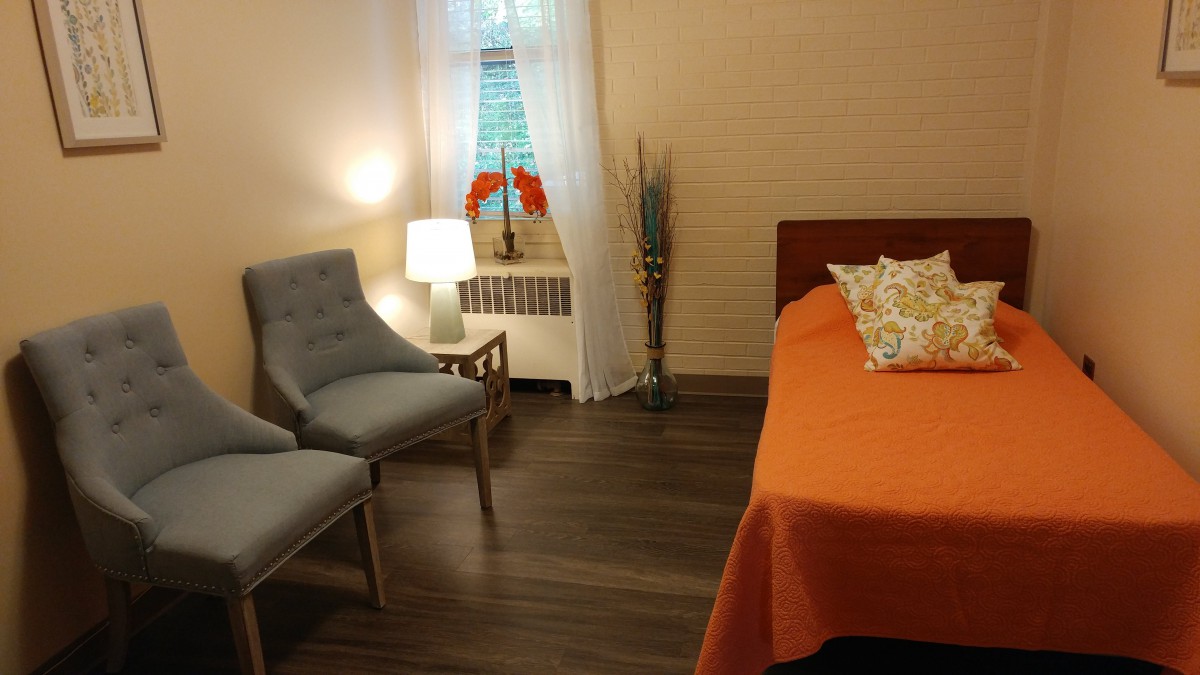
 Fully furnished
 Gaming room
 Garden
 Ground floor units
 Housekeeping services
 Indoor common areas
 Kitchenette
 Move-in coordination
 Outdoor common areas
 Private bathrooms
 Restaurant-style dining
 Small library
 Telephone
 Wellness center
 Wheelchair accessible showers
 Wi-Fi/high-speed internet available
 Pittsburgh International (22 miles away)
 Community operated transportation
 12-16 hour nursing
 24-hour call system
 Ambulatory care
 Assistance with bathing
 Assistance with dressing
 Assistance with transfers
 Diabetes diet
 Diabetic care
 Incontinence care
 Medication management
 Mental wellness program
 Special dietary restrictions
 Art classes
 Catholic services
 Concierge services
 Day trips and outings
 Happy hour
 Karaoke
 Live dance or theater performances
 Live musical performances


 Choosing the Right Senior Care: A Detailed Exploration of Assisted Living and Nursing Homes
 Understanding the True Cost of Assisted Living in 2025: A Comprehensive Guide
 Understanding Medicaid Coverage for Assisted Living: A Comprehensive Guide