

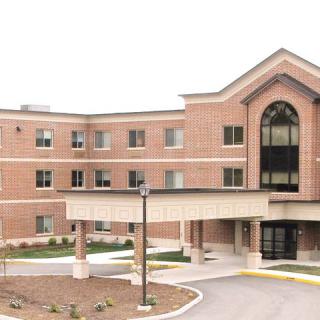
2018 Route 30 East, Ligonier, PA 15658
For more information about senior living options: (866) 208-4318
Ligonier Gardens Costs & Pricing
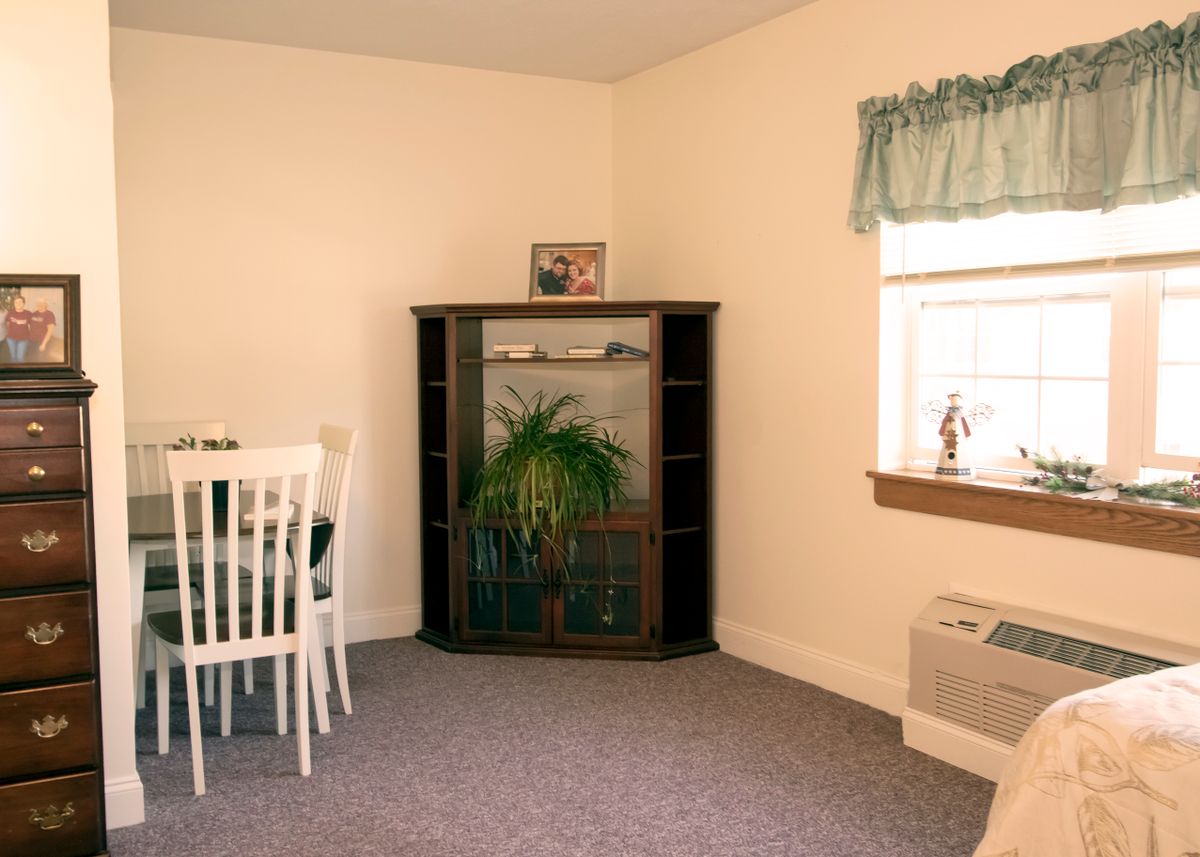
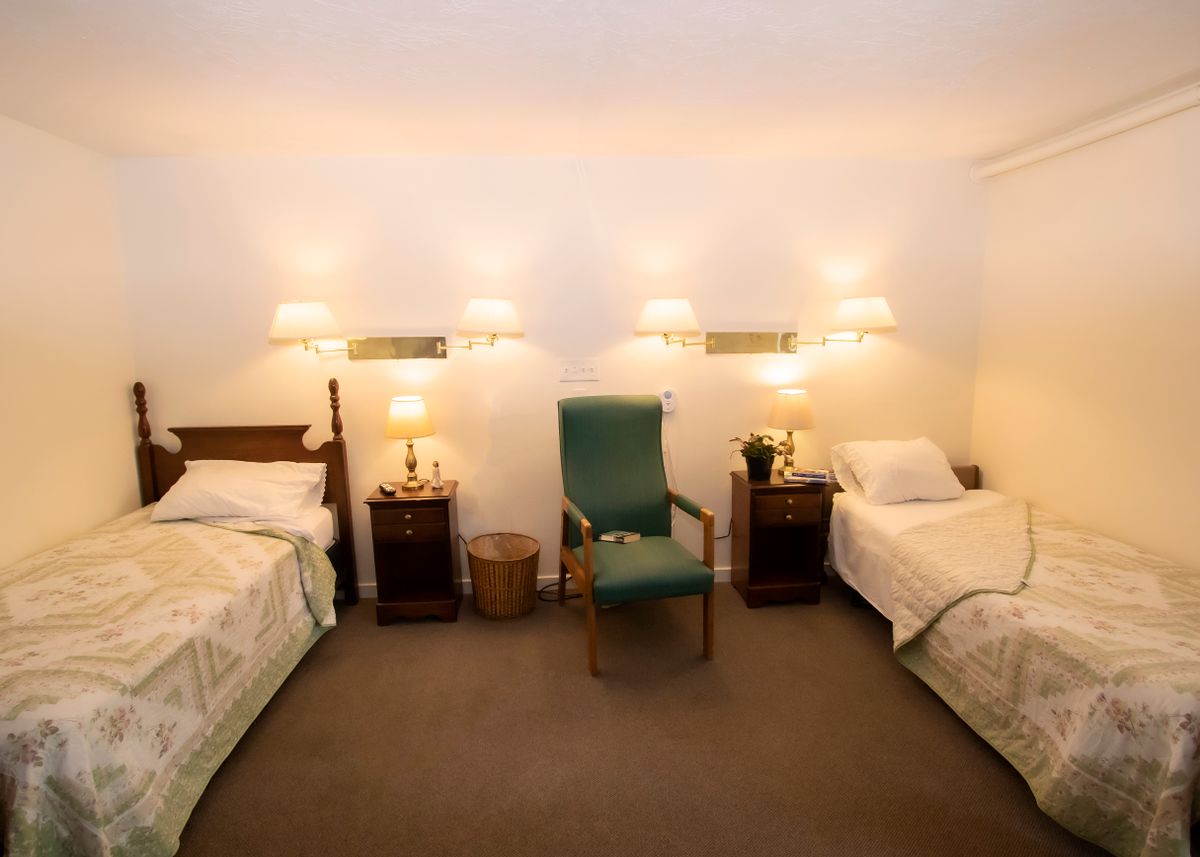
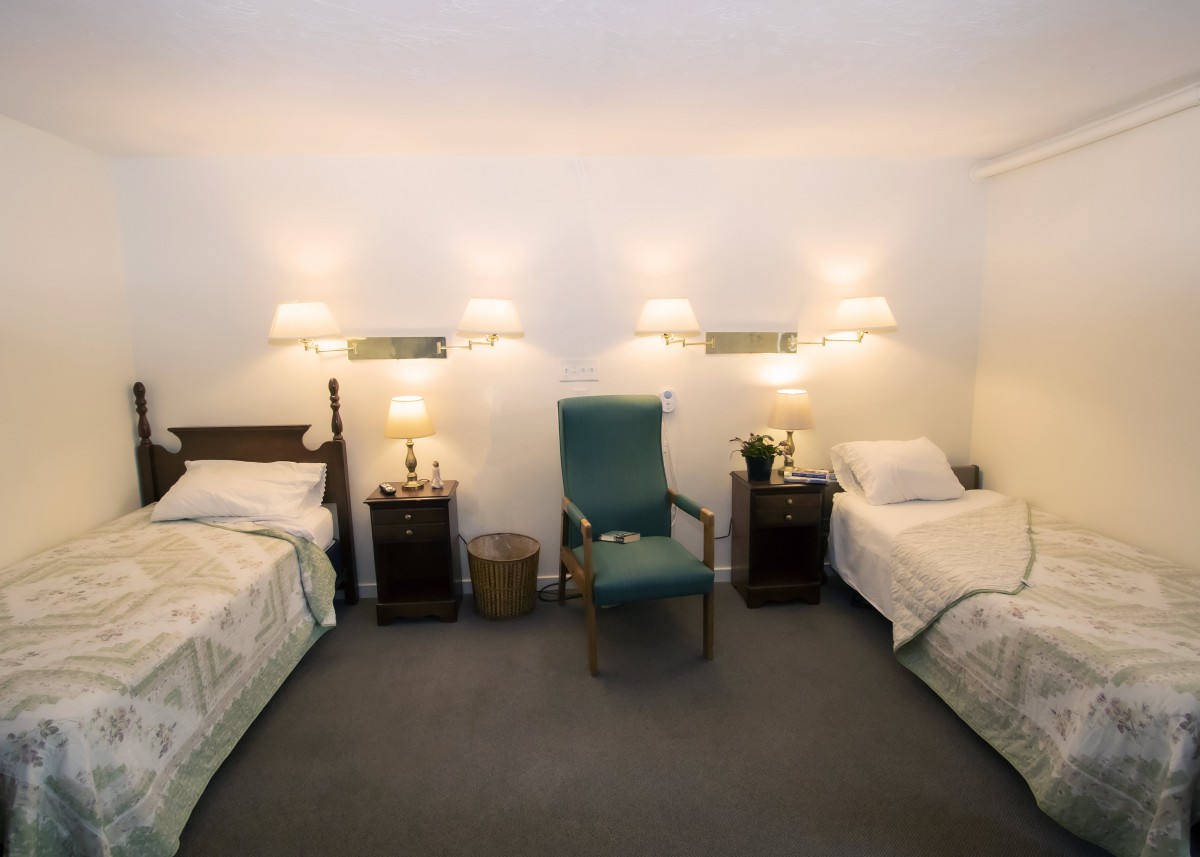
At Ligonier Gardens, the monthly costs for accommodations present an attractive option compared to both Westmoreland County and the broader Pennsylvania region. For a semi-private room, residents pay $2,825, which is notably lower than the county average of $2,955 and significantly less than the state average of $3,542. Meanwhile, the cost for a one-bedroom suite at Ligonier Gardens stands at $4,150. Although this figure exceeds Westmoreland County's average of $3,433 slightly, it remains competitive when juxtaposed with Pennsylvania's statewide average of $4,006. These pricing structures illustrate Ligonier Gardens' commitment to providing quality living arrangements that are both accessible and economically viable within the local market context.
| Floor plans | Ligonier Gardens | Westmoreland County | Pennsylvania |
|---|---|---|---|
| Semi-Private | $2,825 | $2,955 | $3,542 |
| 1 Bedroom | $4,150 | $3,433 | $4,006 |
Assisted Living communities with a similar price nearby
-
from -$185 / mo
Concordia Of Cranberry
$2,640 to $4,050 / month24.6 miles away -
from -$325 / mo

Fawn Personal Care Home
$2,500 / month18.6 miles away -
from -$415 / mo

Brookdale Mt. Lebanon
$2,410 to $4,055 / month10.9 miles away -
from +$115 / mo
The Residence At Hilltop
$2,940 to $3,390 / month15.4 miles away -
from -$275 / mo

Mount Vernon Of South Park
$2,550 to $3,550 / month10.3 miles away
Overall Review of Ligonier Gardens
Pros
 They took fantastic care of her mom in her last days.
- The staff are very caring.
- They are very patient with him, which is greatly appreciated.
- The staff have been extremely friendly.
- It has been great for her.
Cons
 Odors and unattentive staff were reported.
- For $150 per day, loved ones were allegedly left for hours, medications forgotten, and injuries unexplained.
- The facility was described as grossly negligent, with incompetent hospice and comfort care services, and not suitable for dog boarding.
- The facility allegedly ejected residents when families started asking too many questions.
Review
Best suited for families who prize geographic and social proximity to home as a foundation for daily life. The strongest pull is location: residents can remain embedded in the local network, which helps with orientation and comfort, particularly for someone whose hometown is nearby. In several accounts, familiarity with neighbors and staff is cited as key to a smooth transition. The culture that emerges from a small-town setting, friendly front-desk contact, known faces in hallways, and a sense that care is a community effort, appeals to families seeking continuity rather than institutional distance. That social fabric matters for residents who draw strength from existing friendships and local routines, not flashy amenities.
Those who may want to consider alternatives are families for whom safety, consistent medication management, and vigilant, proactive staffing are non-negotiables. Several reviews describe odors, inattentiveness, and serious lapses in safety, from medications being forgotten to a resident getting injured while unsupervised, followed by a discharge after questions. Such risks signal a facility where staff consistency and accountability are uneven. When safety and transparent accountability are paramount, this setting should be weighed against options with stronger oversight, clearer response protocols, and steadier quality metrics.
On the positive side, care can be genuinely compassionate, especially in end-of-life and dementia-support situations. One family notes fantastic care for a mother in her final days and highlights remarkable patience with a father living with dementia. The overall tone in other accounts is friendly and accommodating, which matters for day-to-day morale and adjustment. The location itself reinforces this, enabling easier family involvement and frequent visits, which can stabilize routines and comfort for residents who respond well to familiar faces and familiar surroundings.
However, a cluster of reviews paints a grimmer picture: pervasive odors and staff inattentiveness, with several accounts describing lost medications, mishandled care, and even injuries without clear explanation. One account characterizes care as grossly negligent, and others describe hospice and comfort services as inadequate. A common thread is a sense of defensiveness or evasiveness when families raise concerns, followed by discharge decisions after questions, patterns that erode trust and raise red flags about accountability and safety across shifts.
Taken together, the positives create a partial offset for families seeking a community that feels like home, especially for residents who thrive on local connections and a dementia-friendly, patient-focused staff presence in calmer moments. Yet the frequency and seriousness of the negative reports overwhelm those advantages, making risk management the deciding factor. For loved ones with complex medication needs, frequent wandering, or sensitivity to responsiveness, this facility’s track record is a real constraint. In short, the lure of a friendly, familiar setting must contend with real safety concerns that require stringent oversight.
Before deciding, demand a candid tour with a structured checklist and direct questions about staffing, med-pass procedures, incident reporting, and discharge policies. Request current references, speak with families about how problems were handled, and review recent survey results for safety and quality. Confirm the availability of memory-care supports and the consistency of hospice or comfort-care services across shifts. If this community earns high marks on oversight and transparent communication, it can be a workable fit for families prioritizing location and social integration. If not, alternatives with stronger safety governance deserve close consideration.
 71 resident community capacity
 Assisted Living
 Continuing Care Retirement Community (CCRC)
 Activities on-site
 Air-conditioning
 Beautician on-site
 Cable or satellite TV
 Computer center
 Continuing learning programs
 Devotional services off-site
 Dining room
 Family education and support services
 Fitness room
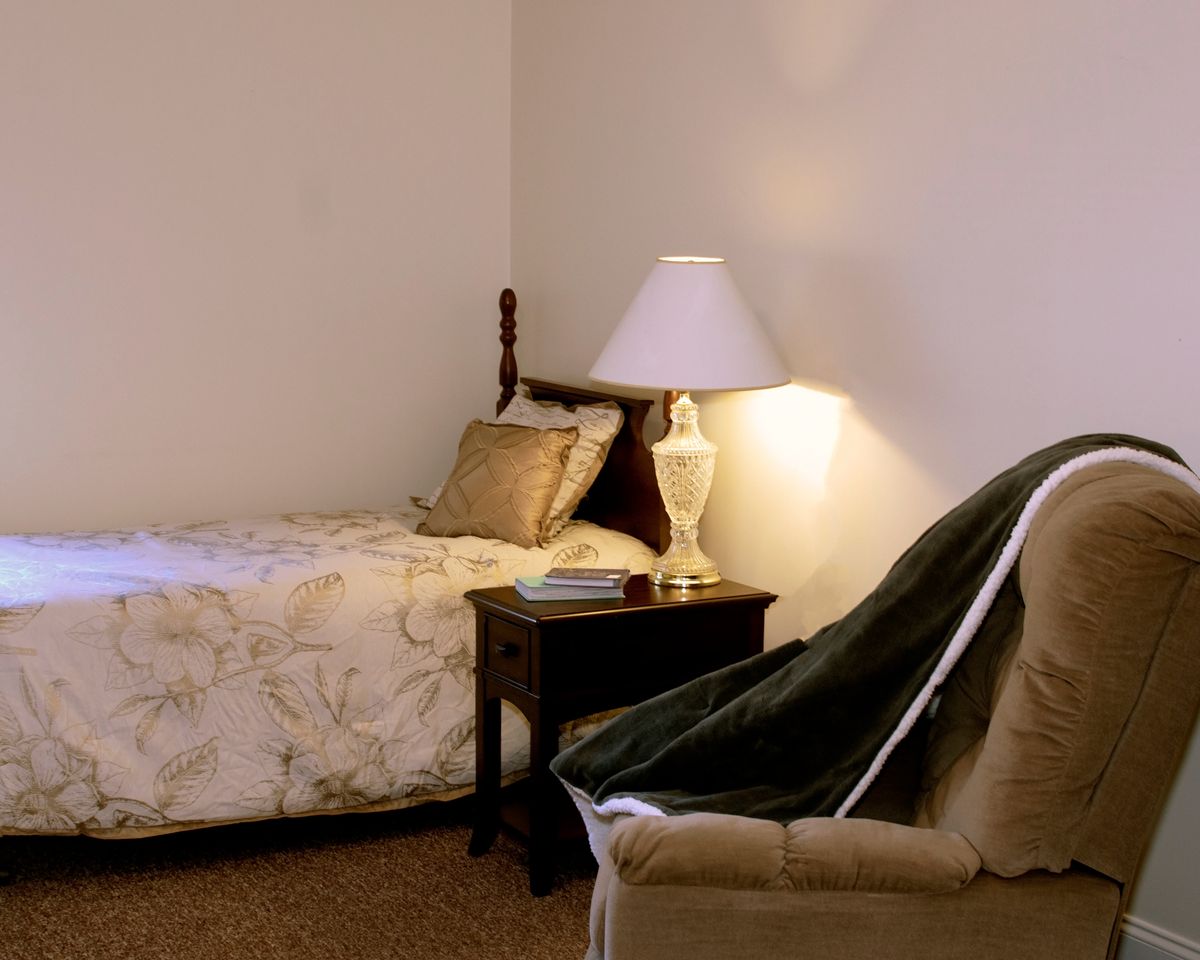
 Fully furnished
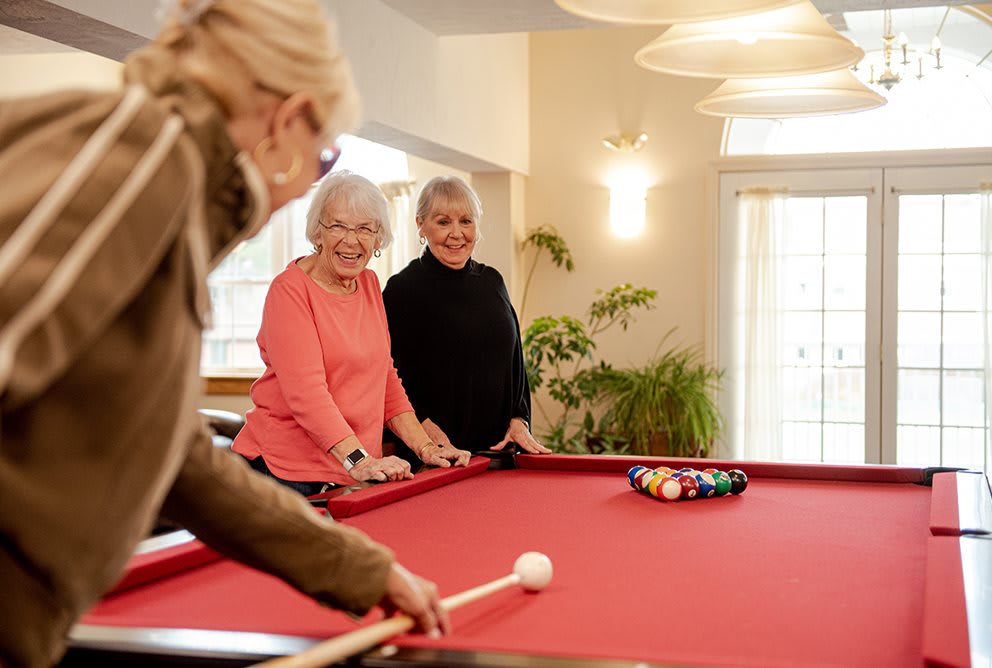
 Gaming room
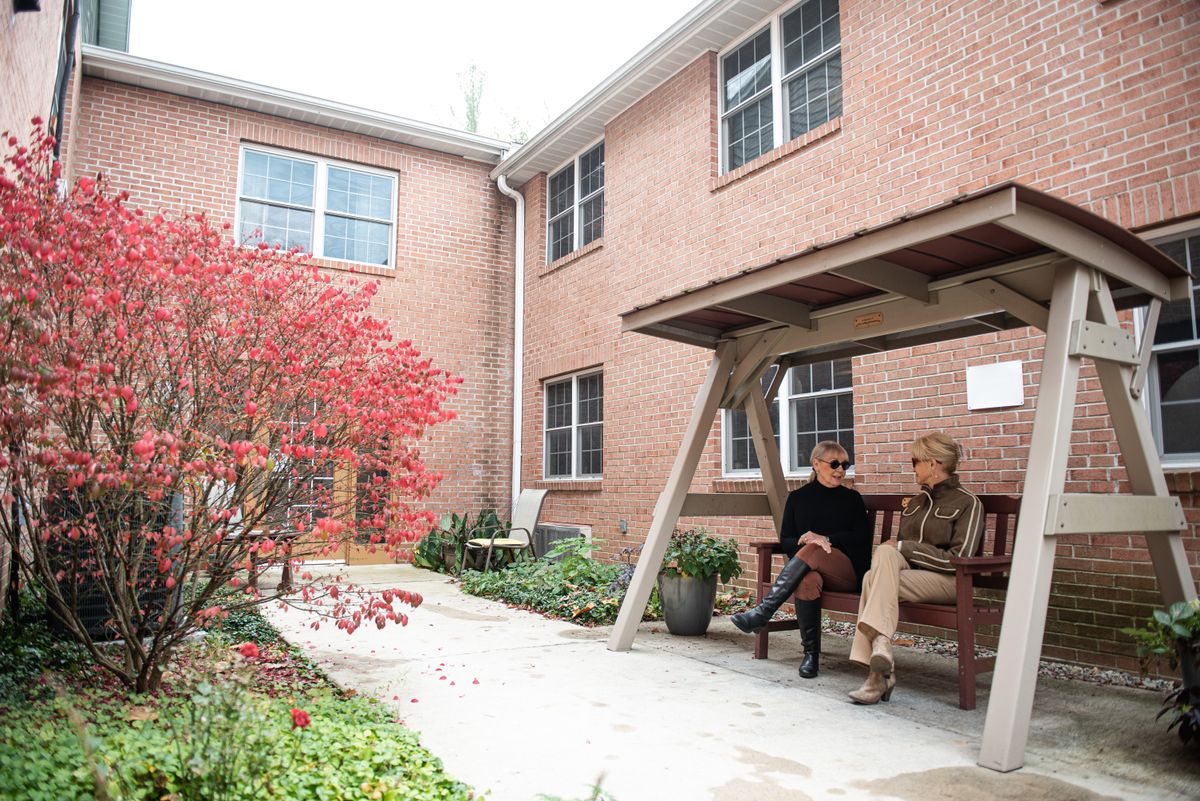
 Garden
 Ground floor units
 Handicap accessible
 Housekeeping services
 Indoor common areas
 Kitchenette
 Located close to restaurants
 Located close to shopping centers
 Move-in coordination
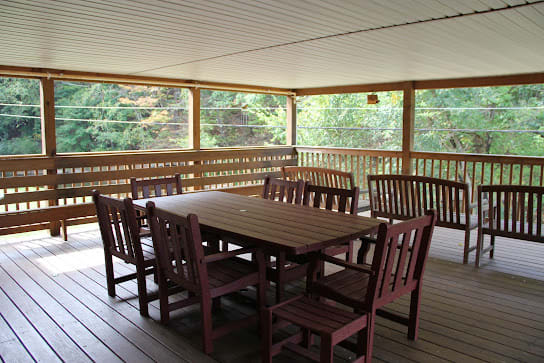
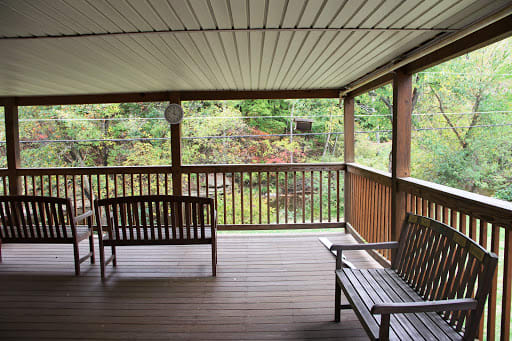
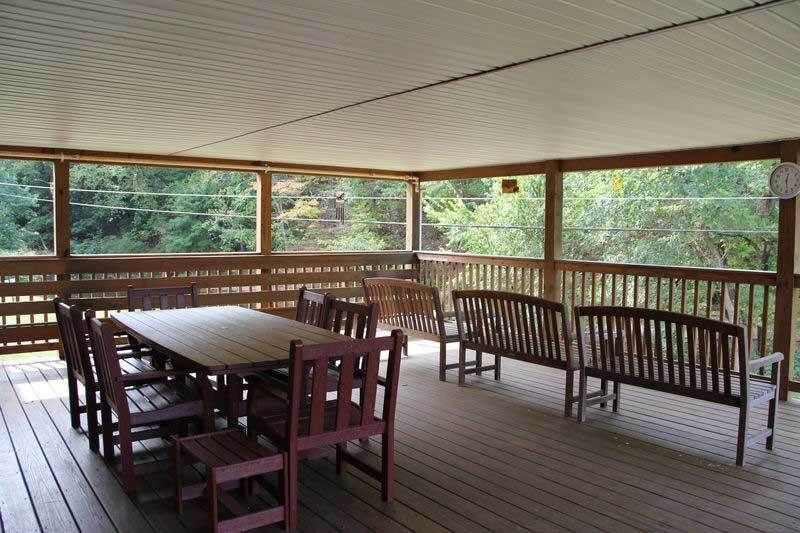
 Outdoor common areas
 Outdoor patio
 Private bathrooms
 Respite or short term stays offered
 Restaurant-style dining
 Small library
 Telephone
 Wellness center
 Wi-Fi/high-speed internet available
 Pittsburgh International (23 miles away)
 Community operated transportation
 24-hour call system
 24-hour nursing
 Accept incoming residents on hospice
 Administer insulin injections
 Ambulatory care
 Assistance with bathing
 Assistance with dressing
 Assistance with transfers
 Care with behavioral issues
 Diabetes diet
 Incontinence care
 Medication management
 Mental wellness program
 Mild cognitive impairment
 Physical therapy
 Preventative health screenings
 Special dietary restrictions
 Concierge services
 Planned day trips
 Trivia games
 Wii bowling
 Wine tasting

 Is Assisted Living Deductible on Your Taxes? Understanding the Complexities of Assisted Living Expenses and Deductions
 Assisted Living Support for Veterans: A Complete and Detailed Overview
 Exploring the Contrasts Between Assisted Living and Skilled Nursing