
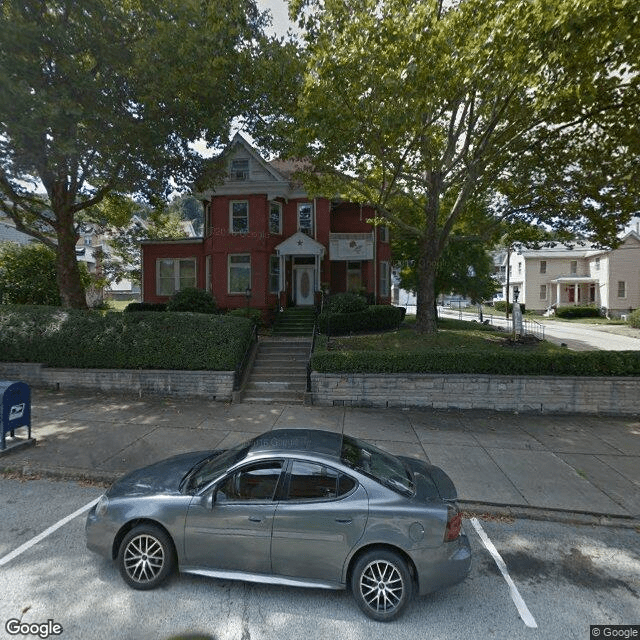
200 Caldwell Ave, Wilmerding, PA 15148
To contact a resident: (412) 823-1654
For more information about senior living options: (866) 208-4318
Evening Star Inc. Costs & Pricing
Evening Star Inc. offers competitive pricing for its services, particularly when compared to the average costs within Allegheny County and the broader Pennsylvania market. The monthly rate for a semi-private room at Evening Star Inc. is set at $2,300, which presents a significant savings compared to the county's average of $3,166 and the state average of $3,542. Similarly, for those seeking more privacy with a private room, Evening Star Inc.'s fee of $3,100 not only undercuts Allegheny County's average of $3,905 but also stands favorably against Pennsylvania's higher rate of $4,890. These cost structures reflect Evening Star Inc.'s commitment to providing affordable yet quality care within their community.
| Floor plans | Evening Star Inc. | Allegheny County | Pennsylvania |
|---|---|---|---|
| Semi-Private | $2,300 | $3,166 | $3,542 |
| Private | $3,100 | $3,905 | $4,890 |
Senior living communities with a similar price nearby
-
from -$125 / mo
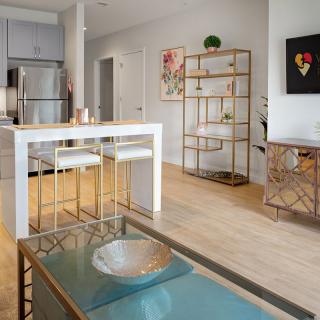
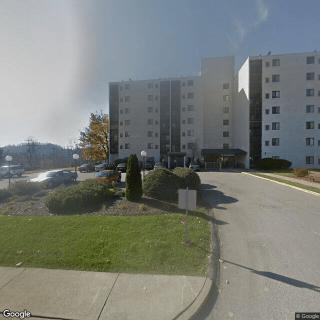
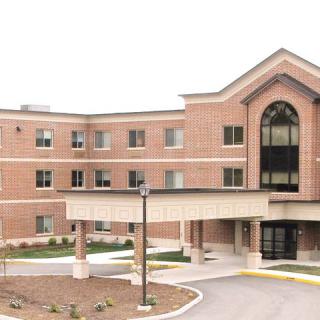
Terrace Place at Vincentian
$2,175 / month14.7 miles away -
from +$340 / mo
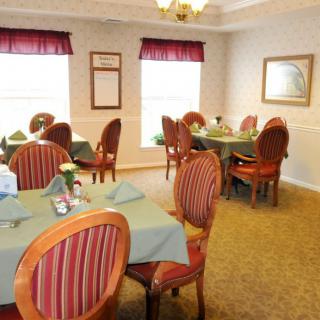
Concordia Of Cranberry
$2,640 to $4,050 / month24.1 miles away -
from +$200 / mo

Fawn Personal Care Home
$2,500 / month17.8 miles away -
from +$110 / mo
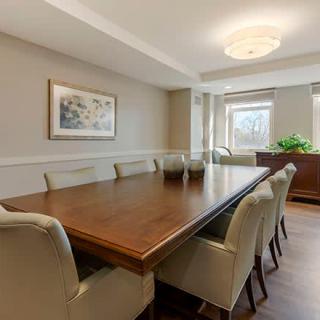
Brookdale Mt. Lebanon
$2,410 to $4,055 / month11.3 miles away -
from +$200 / mo
The Residence at Bethel Park
$2,500 to $4,330 / month13.2 miles away
Overall Review of Evening Star Inc.
Pros
 The staff were great with their uncle and provided attentive, compassionate care.
- The facility was bright, clean, and had a warm, home-like feel.
- Anthony, the owner, was described as an angel who is always on the premises and deeply invested in residents.
- The staff (Renee, Chris, and Stephanie) helped their loved one adjust and stayed in touch to give peace of mind.
- Families appreciated being able to see and talk to their loved ones via iPad when they couldn't be there in person.
- The staff accommodated the loved one's particular needs, including OCD tendencies, with patience.
- The environment is described as a labor of love and the finest place, with no odors and well-kept residents.
- The care extended the life and improved the quality of life for their loved one.
Cons
 It was extremely difficult for them to make the decision to place their loved one.
- They searched and searched and ended up with terrible choice after terrible choice.
- Every place they toured had very unkempt residents, residents crying out, seemingly disengaged staff and lots of odors.
- It was a chore to get anyone in charge to even speak to them.
Review
Evening Star Personal Care Home in Wilmerding, PA is best suited for families seeking a highly personalized, home-like care environment where a loved one can receive attentive, hands-on supervision in a smaller, intimate setting. The Victorian house-turned-PCH offers a warm, nonclinical atmosphere that emphasizes daily life as a settled routine rather than a crowded, impersonal campus. Residents benefit from regular, visible oversight by the owner and a consistent staff presence, which translates into predictable care, steady communication with families, and a dignified, supportive approach to daily living and end-of-life moments. This is the right fit for seniors who value continuity, warmth, and a strong sense of belonging within a home.
Those who should consider alternatives are clear: if a resident requires robust clinical oversight, complex medical management, or access to a broad slate of therapies and programming typical of larger facilities, a more traditional assisted living or memory-care campus may deliver the scale and depth of services those needs demand. Families evaluating options for residents who require specialized memory-care protocols, around-the-clock nursing coverage, or a wide network of on-site professionals might find that a bigger community better aligns with clinical expectations and long-term contingencies.
The strongest positives here pivot on people and atmosphere. Staff are repeatedly described as genuinely caring, capable of managing residents with diverse personalities and needs, and staying engaged with families even when a loved one is challenging. The owner, Anthony, is consistently on site, hands-on, and personally involved in daily operations and special moments. Communication with families is proactive and timely, when a resident grows nervous or needs reassurance, staff members such as Renee and Stephanie stay connected, sometimes via live video, to ensure no one feels forgotten. This level of attentiveness provides a rare sense of security that often takes weeks to cultivate in larger settings.
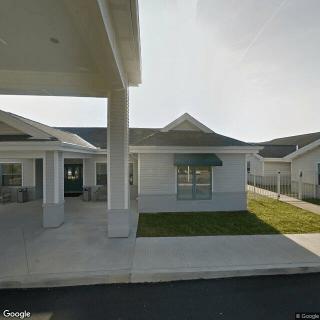
The environment itself reinforces the care narrative. A bright, clean facility with a home-like feel, it avoids odors and presents residents as well-groomed and cared-for, with meals cooked on premises and clearly planned menus. The space honors residents’ dignity through thoughtful details: a flag display and military insignia that foster pride, visible calendars for activities and meals, and an orientation board that conveys structure and predictability. These elements matter because they support mood, reduce agitation, and help families observe that routines and quality-of-life matters are prioritized every day.
Any potential drawbacks are tempered by the same strengths, though a practical reader should note trade-offs inherent in a small personal care home. The limited size and intimate staff footprint mean fewer on-site specialists or a broader menu of services than larger communities. For some families, this translates to more careful vetting of nursing availability, potential access to certain therapies, and the ability to scale care quickly if a condition worsens. Still, the decisive counterbalance is Anthony’s leadership and the staff’s willingness to tailor care to individual quirks and preferences, which many families describe as life-affirming and deeply comforting during transitions.
In making a decision, clients should match Evening Star PCH to a resident who thrives on close-knit, individualized attention and values a “labor of love” approach to care. Prospective families should verify staffing ratios, confirm nursing capabilities for evolving needs, and inquire about the breadth of activities and mobility supports available on campus. Visiting unannounced, speaking with multiple staff members, and observing interactions with current residents will reveal whether the home’s intimate culture translates into the level of reliability and reassurance sought. For those prioritizing warmth, continuity, and a highly personalized caregiving ethos, Evening Star stands out; for those needing broader clinical resources or large-scale programming, alternatives warrant exploration.
 Board and Care Home
 Bath tubs
 Indoor common areas
 Private
 Respite or short term stays offered
 Pittsburgh International (23 miles away)
 Ambulatory care
 Diabetic care
 Incontinence care
 Meals provided
 Comprehensive Guide to Qualifying for Home Health Care Services
 Powerful Realities of Elder Abuse and the Most Effective Ways to Report It
 Ten Vital Duties of a Senior Caregiver: A Comprehensive Guide