

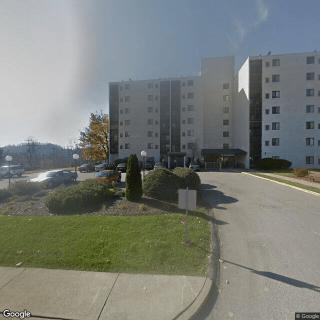
800 Elsie St, Turtle Creek, PA 15145
To contact a resident: (412) 825-9000
For more information about senior living options: (866) 208-4318
Overall Review of LGAR Health & Rehab Ctr
Pros
 The staff are great, professional, and friendly.
- He was treated with respect and dignity and received exceptional care from beginning to end.
- The care provided to Mom was wonderful, with every nurse, aide, therapist, and employee being kind, caring, and encouraging.
- Jennifer Burger is the best CNA; she takes care of everyone and everything.
Cons
 The facility is unresponsive; staff do not return calls.
 - The mother's nine-day stay was a nightmare with mean nurses and uncaring aides.
- The facility billed roughly $9,000 per month to Medicare for care.
- The staff did not send him to the hospital when dehydration occurred, nearly causing his death.
- He developed pneumonia, cellulitis, and a staph infection that were untreated or undertreated.
- After hospitalization, the family was told the father could not return, implying neglect and poor care.
- The organization is described as caring more about money than about the patient’s well-being.
- The place is labeled reprehensible, inhumane, lying, cheating, and a danger to beware of.
- They kicked him out after neglect, using Medicare benefits running out as a pretext.
- The reviewer plans to advocate against such places, calling them horrendous homes.
Review
LGAR Health & Rehab Center in Turtle Creek, PA, is best suited for families that value warm, hands-on day-to-day care from front-line staff and can actively supervise their loved one’s progress. The facility has produced meaningful positive experiences when care teams are engaged and consistent, and it can be a workable choice for short-term rehab or post-acute stays where a family member can stay closely involved. Yet the enduring takeaway is that reliability in communication and timely medical responsiveness varies enough to demand vigilant advocacy from families. This is not a hands-off choice; success hinges on active family participation and a clear plan for escalation.
For those weighing alternatives, it makes sense to consider facilities with a proven track record of consistently rapid communication and robust medical oversight. Residents with dementia or memory-care needs, fragile health, or complex conditions who require reliable monitoring and timely intervention should scrutinize whether staff turnover and shift-to-shift communication at LGAR can meet expectations. Additionally, families relying on Medicare coverage must understand admission processes, transfer rules, and discharge triggers, because experiences described by past residents’ families suggest possible pressure points around hospital transfers and post-pay consequences.
The strongest positive aspects across several reviews center on the care staff themselves. When staff members are attentive, collaborative, and genuinely cordial, families report meaningful, patient-centered care: nurses, aides, and therapists who are described as wonderful, kind, and encouraging. In particular, there are accounts of exceptional, respectful treatment for loved ones and recognition of staff persistence during difficult moments. A few frontline caregivers have stood out, such as individual CNAs who were highlighted as standout in meeting residents’ needs. These consistently caring interactions are the backbone of LGAR’s perceived value.
However, the most persistent and troubling themes are the negatives surrounding responsiveness and safety. Multiple entries allege that calls and inquiries go unanswered for long stretches, creating a perception of neglect or indifference. More alarming are claims of medical mismanagement, dehydration, delayed hospital transfers, and serious infections, that led to emergency care or hospitalizations, followed by accusations that financial considerations overshadowed patient welfare. One review describes a rapid decline after a stroke, with insistence that care issues and even discharge decisions were tied to Medicare benefit cycles, not patient safety. The spectrum of experiences from neglect to neglect-aware advocacy is wide enough to undermine confidence in consistent care.
Taken together, the pros and cons do not cancel each other out neatly. The presence of compassionate, capable frontline staff can deliver meaningful, person-centered experiences in favorable shifts or with proactive family involvement. Yet the cons, unreliable responsiveness, safety lapses, and facility practices around medical escalation and funding, pose real risk for residents who need predictable, promptly executed care plans. For families weighing this community, the decision hinges on risk tolerance and advocacy bandwidth: can a trusted family member or surrogate reliably monitor care, demand timely attention, and intervene when early warning signs appear? If not, the likelihood of years-long peace of mind fading into ongoing concern is high.
Practical next steps include scheduling an in-depth tour focused on clinical oversight, asking to meet the director of nursing and the rehab manager, and requesting recent incident and response data. Seek exact staffing ratios by shift, documented response times to call lights, and a clear policy for hospital transfers and hydration monitoring. Review any recent state or licensure reports and ask about recent improvements or changes in leadership. If the aim is long-term stability with minimal administrative friction, LGAR can work, but only for families prepared to be consistently engaged, to press for urgent responses, and to have a clear plan for seeking alternatives if care standards falter. In many cases, a more consistently responsive facility with a stronger track record of proactive medical management will be a safer, more predictable choice for a loved one’s care.
 Skilled Nursing Facility
 Pittsburgh International (22 miles away)







 Is a Geriatric Care Manager the Right Choice for Your Family?
 Compassionate Conversations: How to Comfort Someone Who Is Grieving
 Home Health Care Aides: Understanding Their Role and Supporting Your Family