
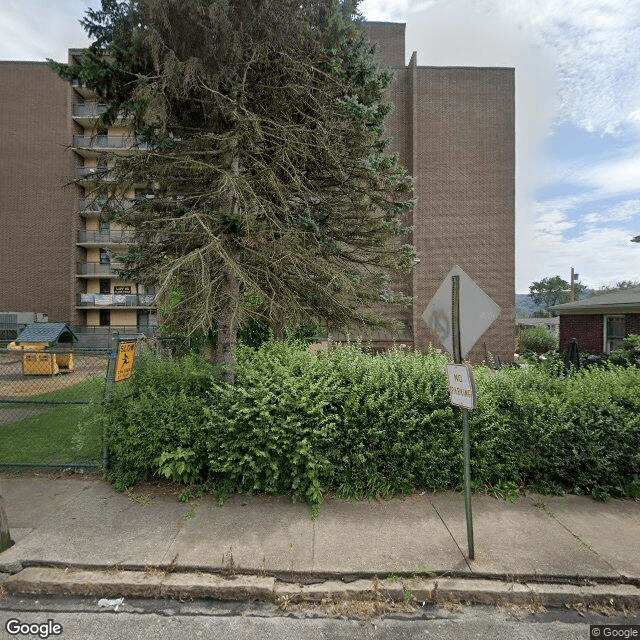
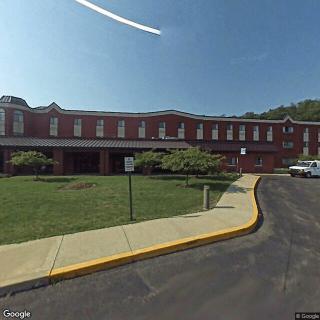
534 Brinton Ave, Trafford, PA 15085
To contact a resident: (412) 372-6004
For more information about senior living options: (866) 208-4318
Overall Review of Trafford Manor
Pros
 It seems pretty secure, and she is very happy with it.
- The people are nice.
Cons
 The Lady in the office is very rude.
- The Lady in the office is very argumentative and racist.
- Running people away from apartments is very evil.
- May she reap what she sows.
- The office lady never answers the phone anymore.
Review
Trafford Manor is best suited for seniors who want a straightforward, affordable, and relatively secure apartment option in Trafford, where daily life centers on a quiet, neighborly setting. The core appeal lies in the sense of safety and a simple, low-maintenance living arrangement rather than resort-level amenities or high-touch services. This community can work well for residents who value a stable, predictable environment and are comfortable navigating a building where the resident population and routine feel easy to manage. However, because management and front-desk responsiveness vary, it is important to note that this is not a place for those who require consistently proactive and respectful customer service. For seniors who demand highly responsive management, or who want a uniformly welcoming and professional front office, alternatives may be a better match.
On the upside, the strongest practical signal from residents is a felt sense of security. One reviewer highlights that the setup feels “pretty secure” and notes the satisfaction of a resident who lives there, suggesting that safety and peace of mind are real advantages. There are also mentions of “nice people” in the building, implying a friendly neighbor network that can support a comfortable day-to-day experience. For families weighing cost against livability, these soft positives, perceived safety and a cordial resident atmosphere, can translate into reliable social grounding and fewer everyday frictions. In short, the community can deliver a pleasant, uncomplicated street-level living experience when the staff interactions align with resident expectations.
Yet the most prominent red flags cluster around management and communication. A substantial portion of feedback centers on the front-office experience: a staff member described as rude, argumentative, and even racist, with concerns about whether housing authorities would approve such behavior. Another reviewer laments that the office “never answers the phone anymore” and questions what is happening with administrative oversight. Taken together, these voices suggest that the day-to-day experience hinges on the temperament and responsiveness of a single front-desk presence, creating a fragile foundation for the overall living experience. When office staff are slow to respond or disrespectful, routine tasks, applicant questions, lease specifics, maintenance coordination, become sources of friction rather than neutral, efficient processes.
Those central cons do not cancel the potential advantages, but they do redefine the calculus. The security and the presence of pleasant, approachable neighbors matter, yet inconsistent or hostile administrative interactions can undermine trust and ease. For anyone balancing budget against quality of life, Trafford Manor may still feel right for a resident who prioritizes a safe, calm home and is prepared to tolerate uneven customer service, perhaps because a family member already has a positive rapport with a specific staff member or because the resident community buffers some of the management gaps. However, for households where clear, respectful communication and reliable problem-solving are nonnegotiable, these downsides are likely to outweigh the upshots.
Prospective residents who should consider alternatives are those who require regular, proactive management, quick and courteous responses to inquiries, and a consistently professional front-office experience. Individuals sensitive to discriminatory or dismissive behavior will want to pursue other options with stronger codes of conduct and stronger staff training. Families evaluating long-term residency should also weigh how much weight is placed on administrative reliability versus the everyday benefits of a quiet building and a trusted, familiar neighbor network. If the overall experience hinges on a single staff relationship, the risk of a poor interaction or delayed maintenance becomes a meaningful guardrail against commitment.
To make a well-informed decision, prospective residents are urged to evaluate in person with a practical agenda. Visit at different times to observe how staff respond to inquiries, how easy it is to reach the office, and how maintenance requests are tracked and completed. Speak with current residents about their experiences with office staff and with the property’s responsiveness to problems. Ask about policies on discrimination, resident rights, and how conflicts are handled, and request concrete examples of how recent issues were resolved. If a clear, respectful, and predictable communication pattern emerges, Trafford Manor could be a workable home; if not, the search should continue toward communities with steadier management and more consistently customer-focused service.
 Active Adult Communities (55+)

 Supportive Employee Benefits That Help Caregivers Attain Better Work-Life Harmony
 Top Cars for Senior Drivers and Essential Safety Innovations
 A Closer Look at Private Pay Home Care