
282 Shawnderosa Drive, Tarentum, PA 15084
For more information about senior living options: (866) 208-4318
Fawn Personal Care Home Costs & Pricing
Fawn Personal Care Home offers a competitive pricing structure for its residents, with a monthly cost of $2,500 for a one-bedroom suite. This rate is significantly lower than the average costs in Allegheny County, which stands at $3,798, and even more so compared to the statewide average of $4,006 in Pennsylvania. This affordability positions Fawn Personal Care Home as an appealing option for individuals seeking quality personal care without the financial strain often associated with similar services in the region. Residents can enjoy a supportive living environment while benefiting from substantial savings compared to other facilities nearby.
| Floor plans | Fawn Personal Care Home | Allegheny County | Pennsylvania |
|---|---|---|---|
| 1 Bedroom | $2,500 | $3,798 | $4,006 |
Assisted Living communities with a similar price nearby
-
from +$140 / mo
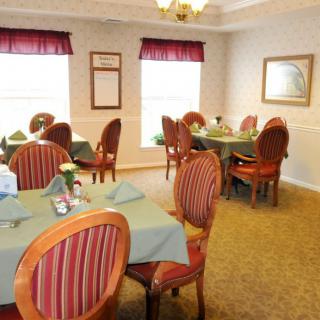
Concordia Of Cranberry
$2,640 to $4,050 / month14.1 miles away -
from -$90 / mo

Brookdale Mt. Lebanon
$2,410 to $4,055 / month21.9 miles away -
from +$450 / mo

Northland Heights
$2,950 to $4,200 / month14.8 miles away -
from +$445 / mo
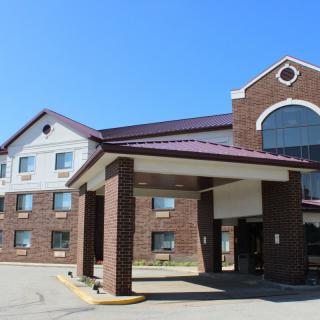
Southwestern Assisted Care Residence
$2,945 to $3,441 / month23.6 miles away -
from -$160 / mo
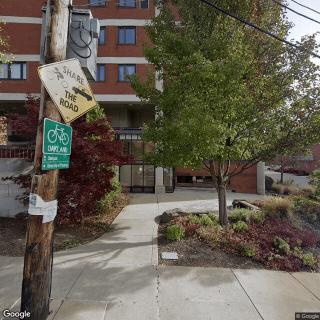
The Residence on Fifth
$2,340 to $4,170 / month16.2 miles away
Overall Review of Fawn Personal Care Home
Pros
 The home is a family-owned, small community that radiates love and exceptional care.
- The staff are friendly and genuinely caring.
- Shawn and his team provide excellent care and take COVID precautions.
- Shawn and his family operate a wonderful personal care home with excellent care, home-cooked meals, and a homelike setting.
- The property offers a relaxing vibe with horses, a trout stream, and peacocks.
- A former administrator notes that Shawn is experienced and understands each resident’s needs, delivering top-quality care.
- The home is a small, family-style facility with attentive medication management, transportation to appointments, in-home hairdresser services, and well-balanced meals.
Review
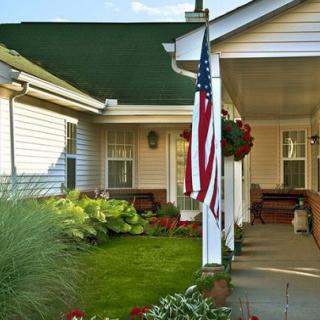
Fawn Personal Care Home in Tarentum, PA, is best suited for families seeking a warm, small, family-owned setting where residents are treated with daily personal attention. This community shines for seniors who prefer a homelike atmosphere over a corporate campus, where caregivers know residents by name, meals are shared family-style, and everyday routines feel calm and predictable. The landscape matters here: horses, a trout stream, peacocks, and a front porch that invites residents to linger, elements that convert into a sense of security and belonging. Owners Shawn and his team bring hands-on leadership, a straightforward commitment to individualized care, and a willingness to tailor services around each person’s needs.
Those who need robust clinical infrastructure or memory-care specialized programming may want alternatives. The home operates on a small, intimate footprint, which is excellent for personalized oversight but limits the breadth of on-site medical services, rehab options, and crisis response found in larger facilities. Families facing complex medication regimens, high nursing needs, or a requirement for round-the-clock oversight may find themselves seeking a setting with a bigger team and more formal clinical pathways.
Pros are tangible and practical: exceptionally attentive staff with a small caseload, direct owner involvement, and strong coordination of daily living needs. Medication management is clearly a focus, and the home provides transportation to medical appointments and access to services like on-site hairdressing. The meals are described as well-balanced and family-style, reinforcing a home ambiance rather than a hospital feel. The rural, relaxing setting with outdoor features, creek, fishing assistance, and the chance to interact with animals, reduces agitation and supports comfort and connection. These factors combine to create a high-quality, intimate care experience that more expansive facilities struggle to replicate.
However, the intimate scale is the flip side of the coin. The small footprint means fewer built-in options for specialized care, rehab, or dementia-focused programming, and residents needing constant nursing attention may outstrip what a single, family-run team can provide. The setting favors relationships and oversight over clinical redundancy; this is not a campus designed for high-intensity medical interventions. For some families, the trade-off is acceptable because the daily life feels calmer, more predictable, and more tied to residents’ preferences. For others, it may feel like a limitation when a crisis arises or when a resident’s needs evolve beyond what the home routinely manages.
To evaluate suitability, families should probe practical details: who handles medications and how often, how quickly a nurse is available, what physician access looks like, and how transportation to appointments is coordinated. Assess how flexible mealtime routines are, and whether family-style meals reflect residents’ nutritional needs. Inquire about activity calendars, social opportunities, and whether residents can participate in simple pleasures like fishing or porch chats. Finally, verify emergency protocols and backup staffing plans, so that comfort and continuity aren’t sacrificed if a caregiver is unexpectedly unavailable.
Overall, Fawn Personal Care Home stands out for families prioritizing a warm, tightly knit, home-like environment with hands-on leadership and deeply personal attention. It is particularly well suited for seniors who value close relationships with caregivers, enjoy a pastoral setting, and want coordinated help with daily tasks and appointments without entering a larger campus. Those who need extensive clinical services, memory-care specialization, or rapid access to 24/7 skilled nursing should consider alternatives that offer bigger medical teams and specialized programs. For the right resident, the rewards are clear: security in a familiar, caring community and the freedom to live with dignity in a setting that feels like home.
 5 resident community capacity
 Assisted Living
 Board and Care Home
 Respite Care
 Activities on-site
 Cable or satellite TV
 Devotional services off-site
 Dining room
 Fully furnished
 Garden
 Housekeeping services
 Indoor common areas
 Move-in coordination
 Outdoor space
 Telephone
 Wi-Fi/high-speed internet available
 24-hour supervision
 Ambulatory care
 Assistance with bathing
 Assistance with dressing
 Assistance with transfers
 Diabetes diet
 Diabetic care
 Meal preparation and service
 Medication management
 Special dietary restrictions
 Transportation arrangement (medical)
 Transportation to doctors appointments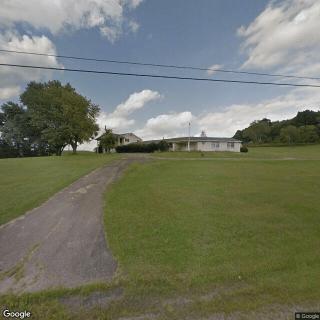

 How and When Medicaid May Cover Assisted Living Costs
 A Detailed Exploration of Assisted Living Medicaid Waivers Across the United States
 Comprehensive Residential Support and Assisted Living Solutions for Individuals with Disabilities