Applewood Personal Care Home in Brackenridge, PA

Save
Applewood Personal Care Home Applewood Personal Care Home

Applewood Personal Care Home in Brackenridge, PA

903 Morgan Street, Brackenridge, PA 15014

For more information about senior living options: (844) 490-3973

5 from 1 review
Assisted Living

What level of care are you interested in?

Assisted Living

Memory Care

Independent Living

Skilled Nursing Facility

Continuing Care Retirement Community (CCRC)CCRC

Other


Request a tour at Applewood Personal Care Home

    Overall Review of Applewood Personal Care Home

    Pros

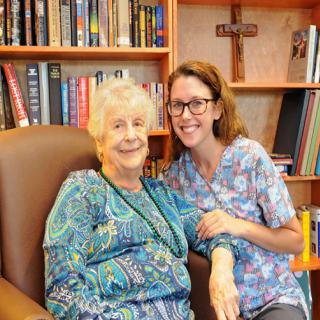
    • pro The staff are kind and caring.
    • pro The facility is very clean.
    • pro Most employees have been with the facility for more than five years.
    • pro They are never too busy to talk to tenants about concerns regarding a family member or to help a tenant.
    • pro Most tenants seem to treat the employees as good friends.
    • pro The staff made the reviewer's father comfortable in a couple of days.
    • pro The reviewer highly recommends the facility.

    Cons

    • pro My father was very difficult.

    Review

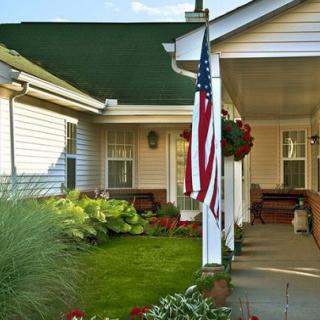
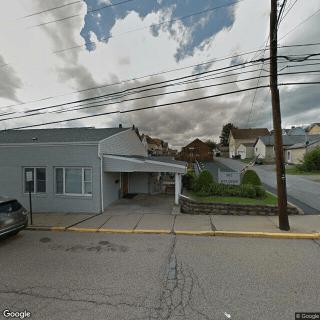
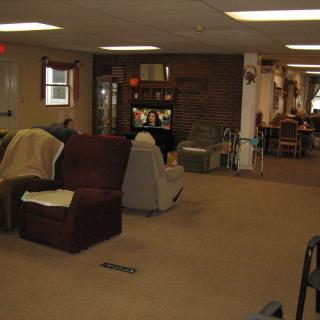
    Applewood Personal Care Home in Brackenridge, PA is best suited for families seeking a small, home-like setting where caregivers build real relationships with residents and families. The environment centers on warmth, cleanliness, and dependable daily routines. With a staff group that includes many long-tenured employees, residents benefit from consistent caregivers who know preferences, histories, and the small details that smooth daily life. The culture reads as respectful and affectionate - tenants appear comfortable with staff, and staff members are never too busy to discuss a concern. For seniors who are mildly frail or largely independent but want meaningful, person-to-person attention, Applewood delivers a rare sense of security and belonging.

    Families evaluating options for higher-acuity needs or specialized programming should consider alternatives. While the community shines on human connection and everyday comfort, it is not presented as a medical-intensive setting. Those requiring robust on-site nursing, memory-care focused activities, or a wider slate of structured therapies may find more suitable matches in larger facilities with dedicated clinical teams. For residents who need around-the-clock medical oversight or intensive behavioral management, a different model may reduce worry and ensure faster access to complex care.

    Several pillars of strength stand out. The facility's cleanliness is striking, reinforcing confidence in daily care and hygiene. The longevity of staff translates into fewer disruptions for residents: predictable routines, familiar faces, and a sense that caregivers truly know each resident's history. The readiness to address family concerns and the rapport between tenants and staff contribute to a calm, collaborative atmosphere. The anecdote about helping a difficult father settle comfortably in a couple of days underscores practical competence: the team can de-escalate challenges and restore comfort quickly.

    Those advantages translate into tangible decision checkpoints. If a family prioritizes consistency and emotional safety, Applewood's model lowers the friction many families feel when a loved one relocates. Observing interactions during a tour - how staff greet residents, how expectations are communicated, and how problems are resolved - will reveal the degree to which the community aligns with daily needs. A resident who values social warmth, regular conversation, and a respectful, quiet environment will likely feel more at home here than in busier, less personal settings.

    Still, careful note is due on what remains uncertain. The reviewed experience offers no explicit drawbacks, but the realities of a small personal care home typically include more limited medical and activity options than larger campuses. If the goal is extensive on-site therapy schedules, advanced wound care programs, or dementia-specific programming, alternatives with broader clinical resources may be preferable. The trade-off is clear: Applewood trades breadth for depth of personal attention and stability, so willingness to forego large-scale amenities in favor of intimate care will determine fit.

    Bottom line: Applewood Personal Care Home represents a strong fit for families prioritizing intimate, relationship-driven care in a clean, stable environment. It earns high marks for approachable staff, long-tenured caregiving teams, and a culture where residents are treated like friends. For those who require heavy medical oversight, specialized memory-care, or a bustling activity calendar, alternatives should be explored. The pros offset potential limits by delivering peace of mind, consistent daily life, and a genuine sense of community. Prospective families should visit, request care-planning conversations, and assess whether this homelike setting aligns with the resident's current and anticipated needs.

    Features

    Housing

    • 27 resident community capacity 27 resident community capacity

    Types of Care

    • Assisted Living Assisted LivingAssisted living facilities provide crucial support and care for seniors who may need help with daily tasks such as medication management, bathing, and meal preparation. These communities offer a safe and comfortable environment where seniors can maintain their independence while receiving the assistance they need to thrive in their golden years.

    Amenities

    • Beauty salon Beauty salonBeauty salons are important for seniors because they provide a space for them to feel pampered, socialize, and maintain their personal grooming and hygiene. Regular visits to a beauty salon can help boost seniors' self-esteem and overall well-being.
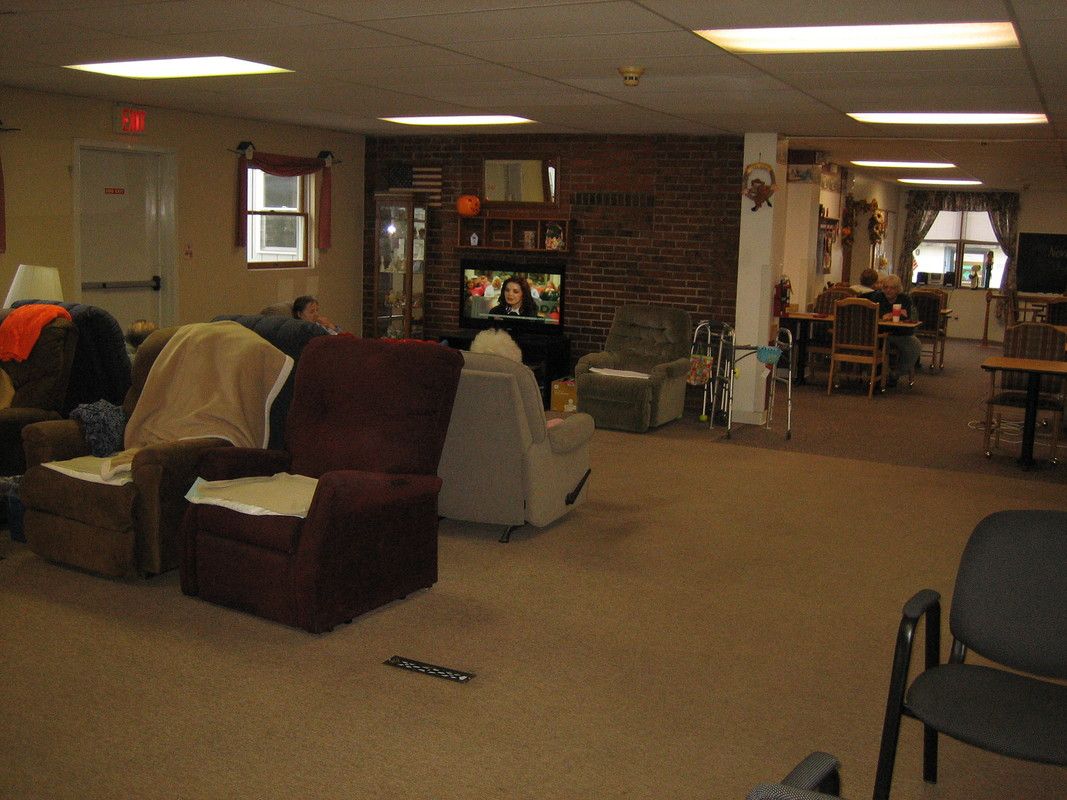
    • Cable or satellite TV Cable or satellite TVCable or satellite TV is important for seniors because it provides entertainment, news, and companionship, helping to combat loneliness and boredom. It also offers a wide range of programming options tailored to different interests and preferences.
    • Dining room Dining roomDining rooms are important for seniors as they provide a space for socialization, connection, and nutritious meals. They offer opportunities for residents to bond over shared meals, foster a sense of community, and promote healthy eating habits. Dining rooms also ensure that seniors have access to well-balanced meals tailored to their dietary needs and preferences.
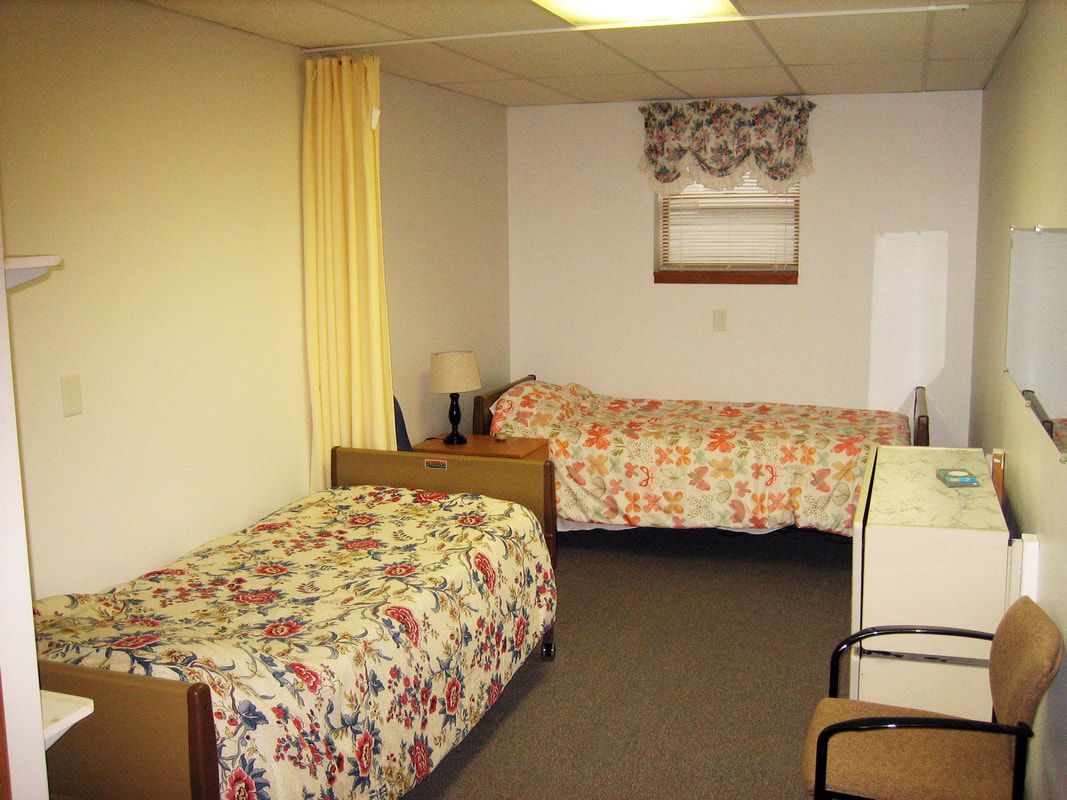
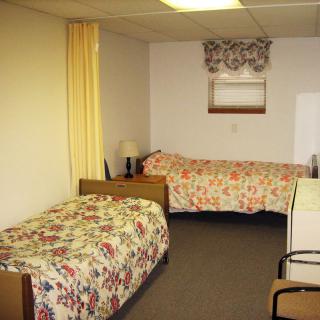
    • Fully furnished Fully furnishedFully furnished senior living communities are important for seniors because they provide convenience, comfort, and a hassle-free moving experience. Seniors can easily settle into their new living space without the stress of having to buy and move furniture. This allows them to focus on enjoying their new home and community.
    • Garden GardenGardens are important for seniors as they provide a peaceful and therapeutic environment for relaxation, physical activity, and socialization. Being in nature has been shown to reduce stress, improve mood, and promote overall well-being. Gardens also offer opportunities for seniors to engage in gardening activities, which can improve mobility, flexibility, and cognitive function. Additionally, gardens create a sense of community and connection with others who share a passion for plants and outdoor spaces.
    • Housekeeping services Housekeeping servicesHousekeeping services are important for seniors because they help maintain a clean and safe living environment, promote independence, and reduce the risk of accidents or illnesses. Additionally, having assistance with household chores can alleviate physical strain and allow seniors to focus on other aspects of their well-being.
    • Kitchenette KitchenetteKitchenettes are important for seniors living in senior living communities because they provide the convenience and independence of being able to prepare simple meals and snacks in the comfort of their own living space. This can help promote a sense of autonomy and well-being for seniors, allowing them to maintain some level of control over their dietary choices and daily routines.
    • Move-in coordination Move-in coordinationMove-in coordination is important for seniors because it helps ease the transition into their new living environment. It ensures that all logistics, such as packing, organizing movers, and setting up utilities are taken care of, allowing seniors to focus on settling in and adjusting to their new home. Having a smooth move-in process can alleviate stress and anxiety, making the transition smoother and more enjoyable for seniors.
    • Outdoor space Outdoor spaceOutdoor spaces are important for seniors as they provide opportunities for physical activity, social interaction, exposure to natural light and fresh air, and a sense of connection to nature. Having access to outdoor spaces can improve overall well-being and quality of life for older adults living in senior communities.
    • Restaurant-style dining Restaurant-style diningRestaurant-style dining is important for seniors because it allows them to enjoy delicious, nutritious meals in a social and upscale setting. This enhances their dining experience, promotes healthy eating habits, and fosters socialization with fellow residents, ultimately contributing to their overall well-being and quality of life.
    • Small library Small librarySmall libraries are important for seniors as they provide access to a variety of reading materials, including books, newspapers, and magazines. This can help stimulate their minds, keep them engaged, and provide a sense of community through book clubs and other social activities. Additionally, reading has been shown to improve cognitive function and overall mental well-being in older adults.
    • Telephone TelephoneTelephones are important for seniors as they provide a lifeline for communication with loved ones, emergency services, and healthcare providers. They offer a sense of security and independence, enabling seniors to stay connected and access assistance when needed.
    • Wi-Fi/high-speed internet available Wi-Fi/high-speed internet availableWi-Fi/high-speed internet is important for seniors to stay connected with loved ones, access online resources, and participate in virtual activities to combat feelings of loneliness and isolation. It also allows them to easily manage healthcare needs, access entertainment, and engage in lifelong learning opportunities.

    Care Services

    • 24-hour call system 24-hour call system24-hour call systems are important for seniors because they provide peace of mind and immediate assistance in case of emergencies. This technology ensures that help is always available, promoting safety and security for elderly individuals living alone or in assisted living facilities.
    • 24-hour supervision 24-hour supervision24-hour supervision is important for seniors to ensure their safety, well-being, and access to immediate assistance in case of emergencies or health issues. This constant support provides peace of mind for both seniors and their loved ones, allowing them to age in place with dignity and security.
    • Activities of daily living assistance Activities of daily living assistanceActivities of daily living assistance are important for seniors because they provide essential support with tasks such as eating, bathing, dressing, and mobility. This assistance helps seniors maintain their independence, dignity, and overall quality of life as they age.
    • Assistance with bathing Assistance with bathingAssistance with bathing is crucial for seniors as it helps maintain personal hygiene, prevents infections, and ensures their overall well-being and comfort. It also provides a sense of dignity and independence for seniors who may struggle with this task on their own.
    • Assistance with dressing Assistance with dressingAssistance with dressing is important for seniors because it helps maintain their independence, promotes personal hygiene, prevents accidents and injuries, and improves overall quality of life. This service ensures that seniors can continue to dress comfortably and confidently, despite any physical limitations they may have.
    • Assistance with transfers Assistance with transfersAssistance with transfers is crucial for seniors as it helps prevent falls and injuries, maintains their independence, and ensures they can safely navigate their living environment. It also provides peace of mind for both seniors and their loved ones.
    • Diabetes diet Diabetes dietA diabetes diet is crucial for seniors as it helps manage blood sugar levels, reduce risks of complications, and improve overall health and well-being. By following a balanced and nutritious diet tailored to their specific needs, seniors can better control their diabetes and enhance their quality of life.
    • Meal preparation and service Meal preparation and serviceMeal preparation and service are crucial for seniors as they may have limited mobility or energy to cook nutritious meals. Having access to healthy and convenient food options can ensure they are getting the proper nutrition needed to maintain their overall health and well-being.
    • Medication management Medication managementMedication management is crucial for seniors to ensure they are taking the right medications at the correct dosages and times. This helps prevent adverse drug interactions, reduces the risk of medication errors, and promotes overall health and well-being. Proactive management also allows for adjustments as needed based on changing health conditions or new prescriptions.
    • Mental wellness program Mental wellness programMental wellness programs are essential for seniors as they promote cognitive stimulation, emotional support, and social engagement. These programs help prevent isolation, depression, and cognitive decline, ultimately enhancing the overall quality of life for older adults.
    • Special dietary restrictions Special dietary restrictionsSpecial dietary restrictions are important for seniors because age-related changes in metabolism and health conditions can make it difficult for their bodies to process certain foods. By following a diet tailored to their specific needs, seniors can maintain their overall health and well-being, manage chronic conditions, and reduce the risk of complications such as malnutrition or food interactions with medications.
    Dining

    • Diabetes diet Diabetes dietA diabetes diet is crucial for seniors as it helps manage blood sugar levels, reduce risks of complications, and improve overall health and well-being. By following a balanced and nutritious diet tailored to their specific needs, seniors can better control their diabetes and enhance their quality of life.
    • Special dietary restrictions Special dietary restrictionsSpecial dietary restrictions are important for seniors because age-related changes in metabolism and health conditions can make it difficult for their bodies to process certain foods. By following a diet tailored to their specific needs, seniors can maintain their overall health and well-being, manage chronic conditions, and reduce the risk of complications such as malnutrition or food interactions with medications.

    Activities

    • Community-sponsored activities Community-sponsored activitiesCommunity-sponsored activities are important for seniors as they provide opportunities for social interaction, mental stimulation, and physical activity. These activities can help improve overall well-being, combat loneliness and isolation, and promote a sense of belonging and purpose among older adults.
    • Resident-run activities Resident-run activitiesResident-run activities are important for seniors as they encourage social interaction, creativity, and a sense of autonomy. These activities empower seniors to stay engaged and active in their community while fostering meaningful connections with their peers.
    • Scheduled daily activities Scheduled daily activitiesScheduled daily activities are important for seniors because they provide structure, socialization, mental stimulation, and physical activity. Engaging in regular activities can improve overall well-being and quality of life for seniors living in a community setting.

    Description

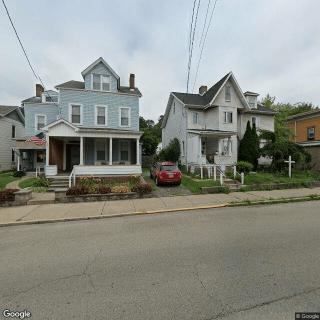
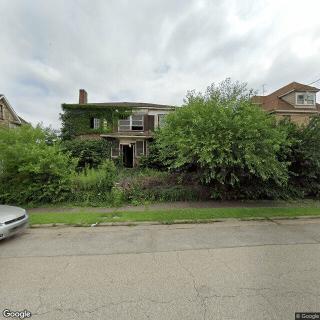
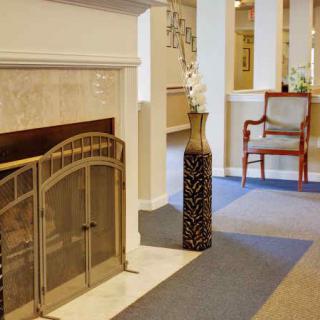
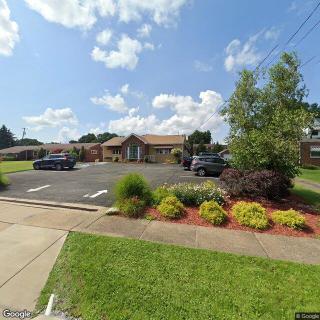
    Applewood Personal Care Home is a warm and inviting assisted living community located in Brackenridge, PA. Our community is designed to provide a comfortable and caring environment for seniors who need assistance with daily living activities.

    Our residents enjoy a wide range of amenities to enhance their quality of life. Each room is fully furnished, and we offer cable or satellite TV and Wi-Fi/high-speed internet so residents can stay connected and entertained. Our dining room offers restaurant-style dining, where residents can enjoy delicious meals prepared by our professional staff. For those who prefer to cook their own meals, we also provide kitchenette options.

    At Applewood Personal Care Home, the health and well-being of our residents are paramount. We have 24-hour supervision and assistance with activities of daily living such as bathing, dressing, and transfers. Our caring staff also provides medication management services to ensure that residents receive their medications on time.

    We understand the importance of mental wellness, which is why we offer a mental wellness program that includes engaging activities and social opportunities for our residents. We also accommodate special dietary restrictions to meet each resident's individual needs.

    In addition to our comprehensive care services and amenities, our community is conveniently located near various amenities in the area. There are cafes, parks, pharmacies, physicians' offices, restaurants, places of worship, theaters, and hospitals nearby for easy access.

    At Applewood Personal Care Home, we strive to create a supportive environment where residents can feel safe and comfortable while receiving the care they need. Contact us today to learn more about our community and schedule a tour.

    Nearby Places of Interest

    Physicians

    • Greater Pittsburgh Orthopaedic Associates - Brackenridge (0.3 miles)
    • Children's Community Pediatrics - Natrona heights (1.1 miles)
    • Orthopaedic Surgical Associates (1.2 miles)
    • Tri-County Cardiology (1.2 miles)
    • Valley Vision (1.2 miles)
    • Alle-Kiski Surgical Associates (1.2 miles)
    • Allegheny Valley Internal Medicine - Natrona Heights (1.3 miles)

    Restaurants

    • Devil Dog Saloon (0.3 miles)
    • Eat'n Park Restaurant (1.2 miles)
    • Bob's Sub (1.3 miles)
    • McDonald's (1.4 miles)
    • Glen's Frozen Custard (1.4 miles)
    • Burrell Inn (1.4 miles)
    • Denny's (1.4 miles)

    Hospitals

    • Alle-Kiski Medical Center (0.6 miles)
    • Childrens Hospital (6.5 miles)

    Parks

    • Riverview Memorial Park (0.8 miles)
    • Harrison Hills County Park (3.5 miles)
    • Deer Lakes Park (3.7 miles)
    • Freeport Riverside Park (5.7 miles)
    • Rachel Carson Park (5.7 miles)
    • Kennedy Park (9.1 miles)

    Pharmacies

    • Rite Aid (1 miles)
    • Walgreens (1.5 miles)
    • Health Mart Pharmacy (1.7 miles)
    • Burrell Pharmacy (1.7 miles)
    • Rite Aid (2.7 miles)
    • Rite Aid (3.2 miles)
    • CVS Pharmacy (4 miles)

    Places of Worship

    • Mount Saint Peter Roman Catholic Church (3.3 miles)
    • Pittsburgh Buddhist Center (4.4 miles)
    • St Irenaeus Church (8.1 miles)
    • Saint Susanna (10.4 miles)

    Theaters

    • Cinemark (3.8 miles)
    • South Pike Cinemas (6.3 miles)

    Cafes

    • Starbucks (4.2 miles)
    • Happy Day Cafe (7.2 miles)

    Frequently Asked Questions

    Where is Applewood Personal Care Home?

    Nearby Communities

    • Applewood Personal Care Homes - CLOSED

      Applewood Personal Care Homes - CLOSED

      Brackenridge, PA

      4 from 4 reviews
      $1,900 / month

      pro Well-kept, friendly staff, affordable, nutritious meals.

    • Platinum Ridge Center For Rehab & Healing

      Platinum Ridge Center For Rehab & Healing

      Brackenridge, PA

      4.3 from 66 reviews
       

      pro Extensive amenities and 24-hour care.

    • Cherry Blossom Personal Care Home

      Cherry Blossom Personal Care Home

      Tarentum, PA


      pro Excellent access to healthcare, dining, parks, and places of worship nearby.

    • Family House

      Family House

      Natrona, PA

       
      $1,200 / month

      pro Affordable private living with nearby health services.

    • Logan Place

      Logan Place

      Lower Burrell, PA

      4.1 from 57 reviews
      $3,223 to $5,624 / month

      pro Caring staff in a clean, welcoming setting with engaging activities and quality dining.

    • Westarm Therapy & Homecare

      Westarm Therapy & Homecare

      Lower Burrell, PA


      pro Excellent nearby amenities and healthcare access.

    • Fawn Personal Care Home

      Fawn Personal Care Home

      Tarentum, PA

      4.8 from 9 reviews
      $2,500 / month

      pro Small family-style setting with attentive medication care, transportation to appointments, and on-site grooming in a peaceful rural setting.

    • Longwood At Oakmont Personal Care Center

      Longwood At Oakmont Personal Care Center

      Verona, PA

      3.7 from 21 reviews
       

      pro Extensive amenities, spacious units, and a clear continuum of care with convenient transport.

    • Concordia At Ridgewood Place

      Concordia At Ridgewood Place

      Pittsburgh, PA

      4.2 from 17 reviews
      $2,320 to $3,430 / month

      pro Friendly, attentive staff; clean, well-maintained environment; good dining and engaging activities.

    Related Resources

    • va benefits for assisted livingAssisted Living Support for Veterans: A Complete and Detailed Overview

      The guide highlights the importance of assisted living facilities for aging veterans needing daily support, discusses unique challenges they face, and outlines available financial assistance from the VA, including the Aid and Attendance program. It emphasizes understanding eligibility criteria and navigating the VA system to access necessary benefits effectively.

    • assisted living vs skilled nursingExploring the Contrasts Between Assisted Living and Skilled Nursing

      The article compares assisted living and skilled nursing facilities, detailing their differing levels of assistance, medical support, cost structures, and day-to-day experiences. It emphasizes that assisted living is for those needing help with daily activities while maintaining independence, whereas skilled nursing facilities provide intensive medical care with 24-hour staff supervision.

    • when to move from assisted living to nursing home8 Key Indicators That Suggest It May Be Time to Transition from Assisted Living to Skilled Nursing Care
      The transition from assisted living to skilled nursing care is often prompted by complex medical needs that assisted living cannot meet, with key indicators including frequent health declines, increased falls, severe memory issues, and caregiver burnout. Families should recognize these signs early to discuss options with healthcare providers and prepare for the emotional and logistical aspects of moving to a facility that offers comprehensive medical support.


    Get Pricing Ask A Question Schedule A Tour Contact Senior Advisor