
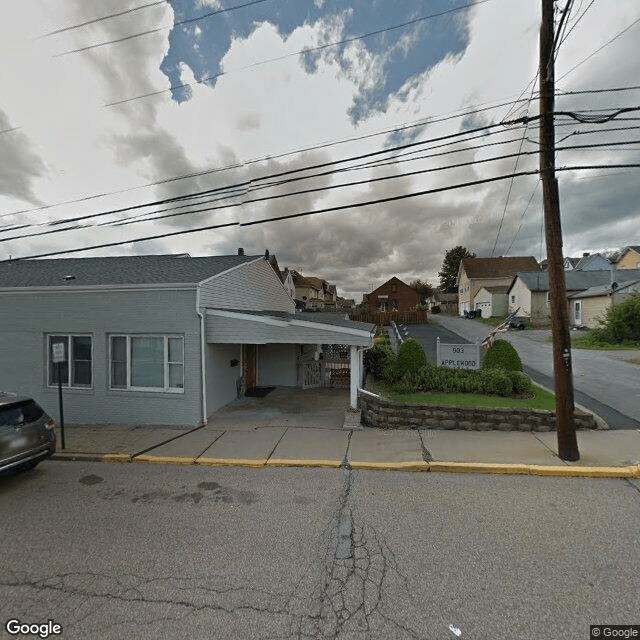
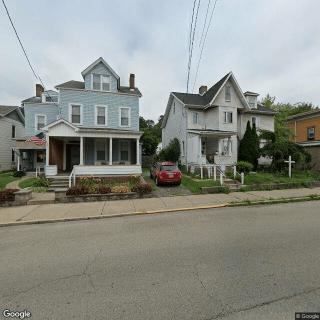
903 Morgan St, Brackenridge, PA 15014
To contact a resident: (724) 224-1822
For more information about senior living options: (866) 208-4318
Applewood Personal Care Homes - CLOSED Costs & Pricing
Applewood Personal Care Homes, though now closed, offered a semi-private room at a competitive monthly rate of $1,900. In comparison to the broader market within Allegheny County, where similar accommodations averaged around $3,166 per month, Applewood provided a more budget-friendly option. This trend continues at the state level in Pennsylvania, where the average cost for semi-private rooms reaches approximately $3,542. The pricing structure at Applewood reflected not only an affordable alternative for residents but also emphasized its commitment to accessibility in personal care services.
| Floor plans | Applewood Personal Care Homes - CLOSED | Allegheny County | Pennsylvania |
|---|---|---|---|
| Semi-Private | $1,900 | $3,166 | $3,542 |
Assisted Living communities with a similar price nearby
-
from -$250 / mo
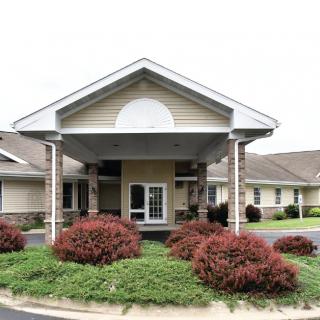
Grandview Estates Of Elizabeth
$1,650 to $1,850 / month24.6 miles away -
from -$200 / mo

Nor-Ridge
$1,700 to $2,500 / month19.4 miles away -
from +$60 / mo
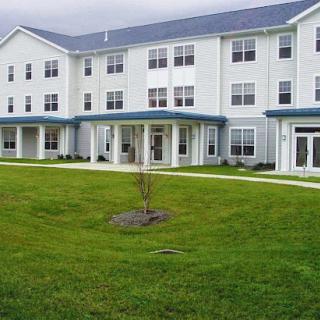
Redstone Highlands
$1,960 to $4,730 / month19.4 miles away -
About the same
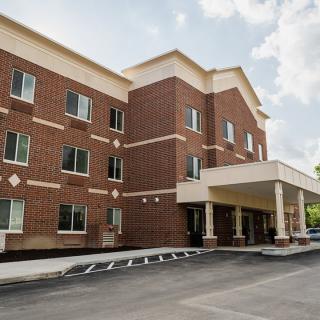
The Residence at Whitehall IL and PC
$1,885 to $4,110 / month21.7 miles away -
from +$330 / mo
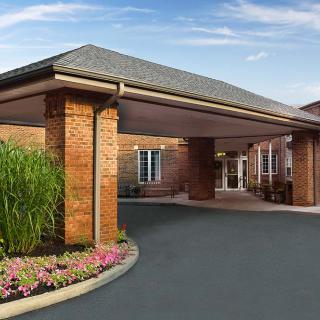
Celebration Villa of South Hills
$2,230 to $3,995 / month22.0 miles away
Overall Review of Applewood Personal Care Homes - CLOSED
Pros
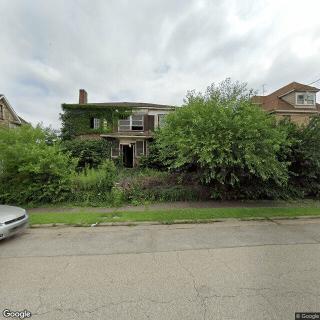
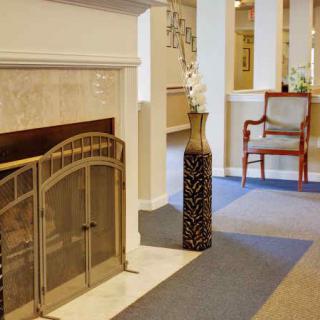
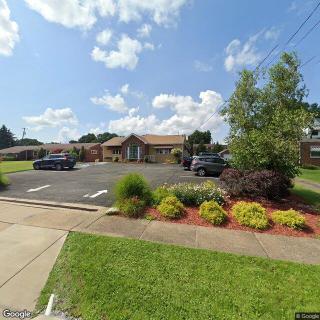
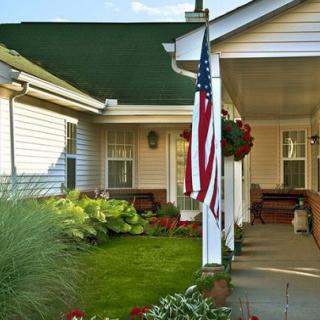
 Applewood is a very nice and well-kept place with friendly, helpful staff.
- The staff are kind and available to assist residents and their families.
- The facility is very clean, and many employees have been there for more than five years.
- The atmosphere is welcoming, and tenants seem to treat the staff as good friends.
- The price is right, and residents are fed well.
- The staff quickly helped a difficult resident become comfortable within a couple of days.
Cons
 They do not have a nurse on staff.
Review
Applewood Personal Care Homes in Brackenridge was well suited for seniors who want an affordable, home-like setting with genuinely caring staff and straightforward daily living support, provided medical needs are limited. The property was described as well kept and clean, with meals that residents felt were satisfying. Families noted a pace of adjustment that honors independence, suggesting the environment works best for individuals who can gradually acclimate to assisted living without requiring aggressive medical oversight from the start. In short, this community lined up with those seeking warmth, personal attention, and predictable routines at a value-based price point.
Because every decision hinges on medical needs, it is important to recognize who should consider alternatives. For residents with chronic health conditions, complex medication regimens, or a requirement for regular nursing supervision, alternatives with on-site nurses or a higher level of medical support will be more appropriate. The repeated caveat in the reviews, “they do not have a nurse on staff”, is a meaningful red flag for families prioritizing continuous clinical oversight, emergency responsiveness, or more intensive daily care. Given the facility is closed, it is no longer an option to consider, so families must identify current communities that deliver both the warmth described here and the necessary medical capacity.
On the strength side, the sustained affordability and the emphasis on cleanliness and a friendly, low-stress environment stand out. Several reviewers praised the staff for being kind, caring, and accessible, noting that many employees had long tenure and cultivated a sense of familiarity and trust with residents. The environment reportedly allowed a parent who could be challenging to settle in relatively quickly, indicating capable staff who are skilled at easing transitions and maintaining comfort. The social dynamic, where tenants and staff feel more like friends, adds emotional comfort that can reduce anxiety for both residents and families, a non-trivial factor when evaluating daily quality of life.
The most salient drawbacks center on medical coverage. The absence of an on-site nurse limits medical oversight, medication assistance, wound care, and timely escalation of health issues. While menus and general care may meet basic expectations, the lack of clinical staffing means this setting is not suitable for individuals requiring routine nursing interventions or quick clinical responses. The reviews do not indicate availability of specialized services such as memory care or complex rehabilitation, which further narrows suitability for residents with cognitive impairment or intensive therapy needs. In practice, this translates to a clear boundary: thriving here depends on maintaining independence with light-to-moderate assistance, rather than relying on robust clinical support.
Nevertheless, the core pros can meaningfully offset the main cons for the right resident. The combination of affordability, solid cleanliness, dependable staff, and a warm social atmosphere delivers a high value for households prioritizing companionship and daily living help over clinical intensity. Families who can plan around limited medical oversight, leveraging home health support or family oversight when health shifts occur, may find Applewood’s environment reassuring and cost-effective. The depth of staff experience and their willingness to engage with concerns also helps families feel that their loved ones are seen and cared for, which can reduce burdensome uncertainty during transitions.
In final judgment, the closure of this facility eliminates it as an option, directing families to seek current, operating communities that balance warmth with appropriate medical capacity. For those weighing similar choices, focus on three pillars: nursing presence and care staffing levels, transparent pricing and what services are included, and the overall atmosphere that supports both independence and daily assistance. Probe for critical questions: Is there a nurse on site, and if not, what is the frequency of clinical visits? How is medication management handled, and who supervises it? What systems exist for rapid response to health changes? What is the staff turnover, and how does that affect continuity of care? By anchoring decisions to these concrete criteria, families can identify options that preserve the positive emphasis Applewood offered, friendly, attentive care and a sense of community, while ensuring the medical safeguards essential to ongoing safety and health.
 Assisted Living
 Activities on-site
 Air-conditioning
 Beautician on-site
 Devotional services off-site
 Ground floor units
 Handicap accessible
 Indoor common areas
 Outdoor common areas
 Respite or short term stays offered
 Wheelchair accessible showers
 Wi-Fi/high-speed internet available
 Ambulatory care
 Diabetic care
 Incontinence care
 Medication management
 Meals provided
 BBQs or picnics
 Holiday parties
 Light therapy programs
 Live musical performances
 Reminiscence programs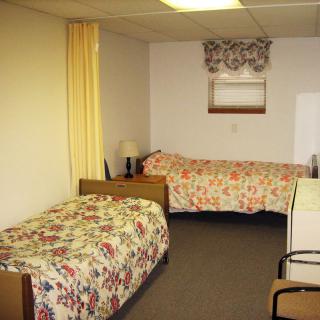

 Comprehensive Insights into Activities of Daily Living (ADLs) and Their Assessment
 Medicare Coverage for Assisted Living: An In-Depth Exploration
 Choosing the Right Senior Care: A Detailed Exploration of Assisted Living and Nursing Homes