








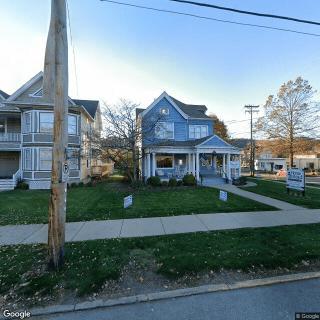
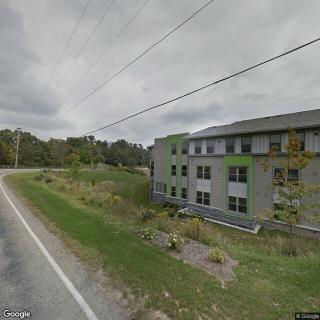
500 Route 909, Verona, PA 15147
For more information about senior living options: (866) 208-4318
Overall Review of Longwood At Oakmont Personal Care Center
Pros
 The care provided to residents is excellent.
- The staff are friendly and genuinely care about the residents.
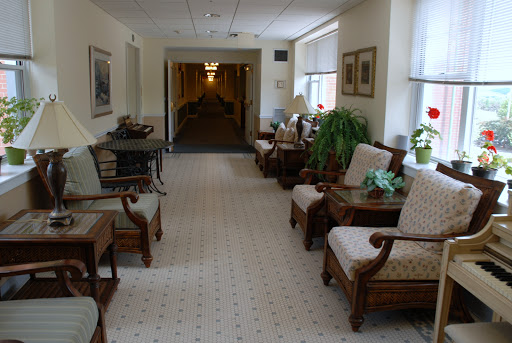
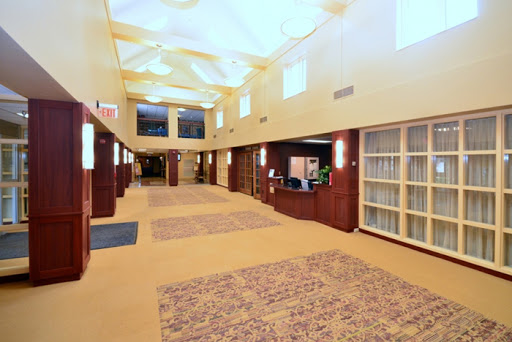
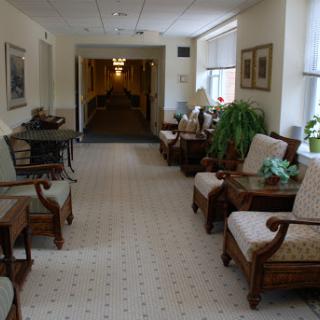
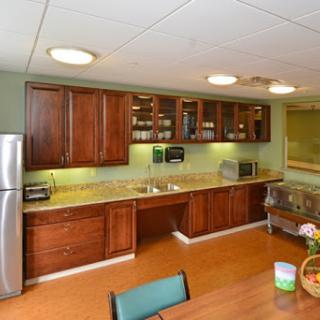
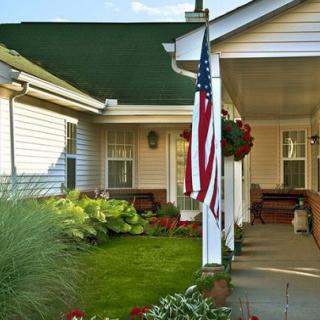
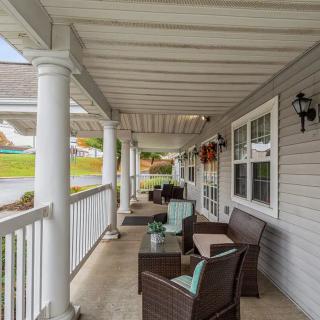
- The facility is well maintained, clean, and welcoming.
- Longwood at Oakmont offers independent living, assisted living, and skilled nursing care.
- Residents are described as an amazing, kind, and accomplished group.
- The community provides a full range of amenities, including a gym, pool, sauna, and on-site services like housekeeping and laundry.
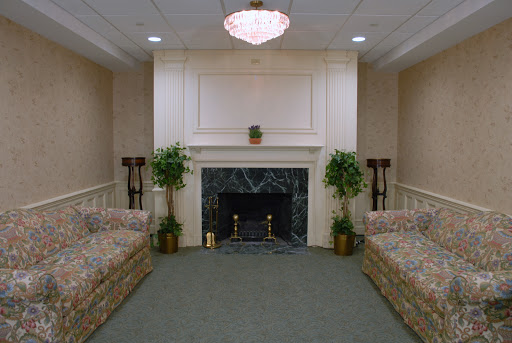
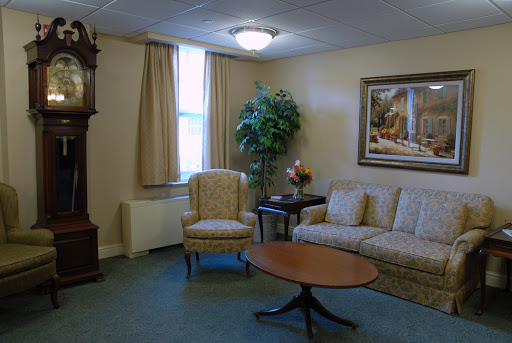
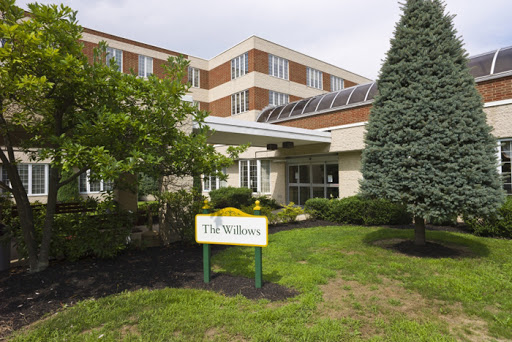
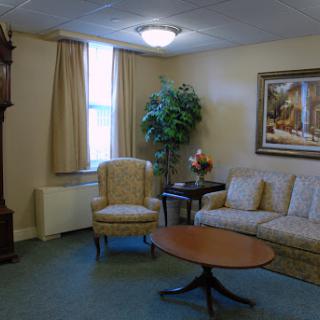
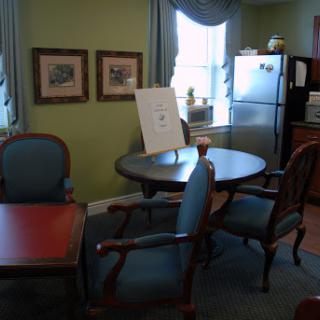
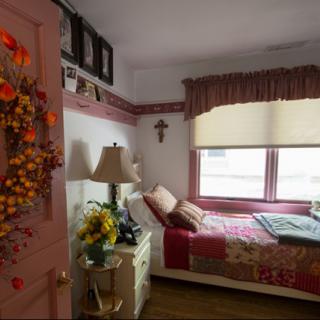
- The atmosphere feels homey and luxurious.
- The dining program is well managed, with multiple dining rooms and a flexible budget for meals.
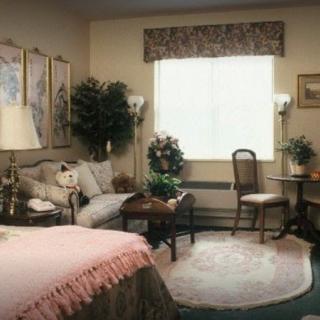
- Apartments offer comfortable layouts with features like full kitchens, washer/dryer, walk-in showers, and walk-in closets.
- The staff are professional, attentive, and dedicated to residents.
Cons
 The nursing home section is horribly understaffed, and even when workers are capable, they don’t have time to offer proper care to residents.
- A large segment of the staff is not high quality.
- It is outrageously expensive at $9,000 per month, with quality that does not justify the cost.
- The reviewer would not recommend the other areas, indicating uneven quality across the facility.
- A patient was crammed into a makeshift room that had once been a storage closet, illustrating inadequate accommodations.
- The staff were not very attentive at times, and help lights were sometimes left unanswered.
Review
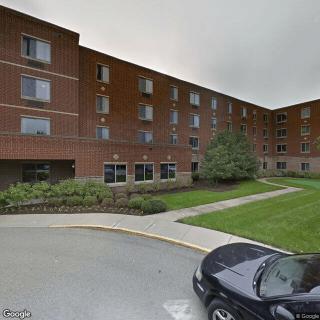
Longwood At Oakmont in Verona, PA is best suited for active seniors who want a large, campus-style community with a built-in path from independent living through assisted living to skilled nursing, all on one site. The appeal is clear for families willing to invest in a lifestyle-forward setting that delivers abundant amenities, robust social programming, and on-site conveniences. Residents gain access to multiple housing options, apartment living with full kitchens, walk-in showers, and generous common spaces; high-rise and cottages; plus a gym, pool, sauna, theater, and a diverse schedule of activities. The dining program stands out, with a restaurant-style experience and a fixed monthly dining budget that fosters regular meals in a gracious setting. For families prioritizing continuity of care without relocating, and who relish an expansive, self-contained community, Longwood At Oakmont presents a compelling, risk-tared package.
Nevertheless, compelling advantages come with notable caveats that should steer serious consideration toward alternatives for certain needs. The most persistent caution centers on staffing and cost. Several reviews flag undercurrents of management pressure and budget-driven constraints that show up as maintenance lag and inconsistent care quality, particularly on the nursing side. Statements about being “top heavy on brass” and concerns about pay scales suggest that leadership and staffing priorities may not always align with resident welfare. For families where budget discipline and predictable, high-quality nursing care are non-negotiables, these elements warrant careful scrutiny. The community’s scale and price point can be a mismatch for those seeking a tighter, more transparent operation or a lower-cost option with steadier staffing.
On the positive side, the pros create real value that can offset, for many, the concerns noted above. Care across Independent Living, Assisted Living, and Skilled Nursing is repeatedly described as excellent where it exists, and residents often appear happy and well cared-for. The staff, particularly in general interactions and hospitality roles, are frequently praised as friendly and genuinely invested in residents’ well-being. The physical plant is consistently described as well maintained, with ample space, accessible design, and a sense of homey luxury that comforts both residents and visitors. The breadth of amenities, on-site shuttle, transportation to appointments, three dining rooms, housekeeping, laundry, and a rich slate of programming from bingo to yoga, creates meaningful engagement and reduces isolation. For long-term plans where health needs may progress, the ability to move seamlessly from independent living to higher levels of care without moving to a different community is a strong, practical advantage.
The most meaningful caveat to weigh against those positives lies in the nursing and staffing experience. Reviews converge on a pattern: the nursing floor can feel understaffed, and the quality of caregivers varies. Even with dedicated and capable workers, time pressures can limit the level of hands-on attention residents receive. Cost remains a friction point as well; the facility’s price tag is consistently described as high, with some observers feeling they paid a premium that didn’t always translate into commensurate outcomes in care or comfort. Potential residents must align expectations with reality by probing current staffing ratios, turnover, and whether recent leadership changes have produced concrete improvements in daily care, maintenance, and accountability.
In balancing these elements, the favorable attributes tend to offset the drawbacks for residents who prize a comprehensive, amenity-rich environment and who can afford it, especially when independence must be preserved and care needs are expected to evolve gradually. The campus size and modern, varied living options provide a breadth of social opportunities and daily conveniences that few smaller communities can match. The willingness of the staff to connect residents to activities, the presence of multiple dining venues with flexible use of dining credits, and the integration of transportation and housekeeping into the monthly package create an overall sense of ease and dignity. The potential for leadership-driven improvements, evidenced by transfers of knowledgeable staff into key roles and the arrival of experienced supervisors in food services, offers reason to expect a positive trajectory, even if past concerns remain.
The practical takeaway is clear: engage with Longwood At Oakmont as a strong, if complex, option, but enter with a rigorous due-diligence mindset. Prospective families should schedule targeted tours that focus on nursing care workflows, talk directly with current residents about daily support levels, and request the most recent state-inspection outcomes and internal quality metrics. Verify the exact inclusions of monthly fees, the true cost of meals beyond the dining budget, and the allocation of resources toward maintenance and capital improvements. If independence and a full-spectrum social environment are the primary draw, and the family can tolerate the current staffing caveats, the community offers a compelling blend of space, services, and care options. If, however, a resident’s condition requires consistently top-tier nursing attention, or if cost transparency and low-variance staffing are paramount, it makes sense to compare alternatives with tighter budgets and more predictable care dynamics. In those cases, exploring other campuses with more stable staffing models or smaller, more intimate settings may prove prudent.
 40 resident community capacity
 1-bedroom apartments
 Detached homes
 Assisted Living
 Continuing Care Retirement Community (CCRC)
 Respite Care
 Skilled Nursing Facility
 Beauty salon
 Cable or satellite TV
 Dining room
 Full kitchen
 Fully furnished
 Garden
 General store
 Golf
Golf Housekeeping services
 Move-in coordination
 Outdoor space
 Party space
 Private bathrooms
 Resident parking
 Wi-Fi/high-speed internet available
 Pittsburgh International (22 miles away)
 Transportation & parking
 24-hour call system
 Activities of daily living assistance
 Assistance with bathing
 Assistance with dressing
 Assistance with transfers
 Diabetes diet
 Meal preparation and service
 Medication management
 Physical therapy
 Special dietary restrictions
 Educational speakers / life long learning
 Fitness programs
 Games
Games Live musical performances
 Religious services
 Tai Chi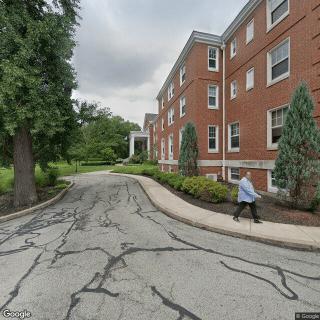


 Beyond the Bingo Hall: 50+ Enriching Activities for Seniors in Assisted Living
 Understanding the Distinctions: Assisted Living and Memory Care Explained
 Guiding Elderly Parents Who Refuse Assisted Living: 6 Practical Steps