





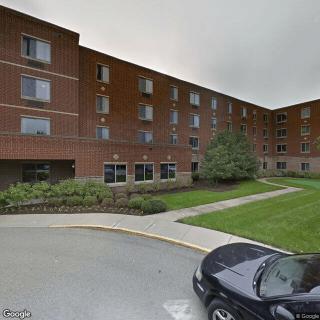
1215 Hulton Road, Oakmont, PA 15139
For more information about senior living options: (866) 208-4318
Overall Review of Woodside Place Of Oakmont
Pros
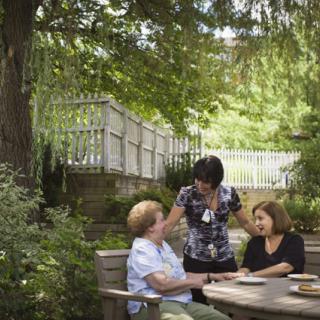
 Woodside Place is described as like family and as patient, professional, friendly, focused, fun-loving, thorough, well-trained, understanding, and caring.
- The Woodside Place team is best in class at what they do.
- There cannot be a better organization than the Woodside Place team.
- Presbyterian is an awesome, positive, and very professional senior care living home, with all of the people there welcoming and warm.
- The Presbyterian Home and all levels of care are well run and residents are well cared for.
- The facility is nice, roomy, with a staff that is very nice and meals that are sufficient.
- The dementia home at Woodside Place provides freedom in a safe and secure environment, and the quality of life is much better there.
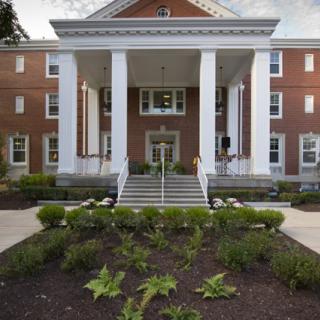
- Parking is ample, with handicapped parking and a ramp onto the sidewalk at the entrance.
Cons
 There is one terrible staff member, presumably due to greedy jackass owners.
- The facility's care and cleanliness have deteriorated rapidly, with high staff turnover and chronic understaffing.
- The aunt was not supervised and fell, resulting in her death.
- The reviewer felt excluded from care decisions and believes the mother was admitted too early, and warns others not to use this facility.
Review
Woodside Place of Oakmont in Oakmont, PA is best suited for seniors with memory-care needs who thrive in a warm, family-like setting where care feels personal and residents are treated with dignity. The community operates a specialized dementia/Alzheimer’s‑focused environment housed in a clean, attractive facility, offering a sense of freedom within secure boundaries. Families seeking a home that prioritizes relationship-building, patient staff interactions, and a culture described by residents and visitors as “best in class” will find the strongest alignment here. The setting and staff approach tend to appeal to those who value continuity, respectful routines, and a facility that feels more like a well-run home than a clinical campus.
Alternatives may be worth exploring for families with higher medical needs, urgent safety concerns about supervision, or a desire for more consistent staffing and lower turnover. Several reviews note staff changes and periods of under-staffing, with real-world implications for supervision and falls risk. For residents requiring intensive medical management, frequent rehab services, or rapid escalation of care, more traditional skilled nursing or larger memory-care campuses might offer more predictable staffing patterns and access to specialized teams. Additionally, if a facility’s ownership or leadership style matters to the family, those dynamics deserve scrutiny in person as part of the decision process.
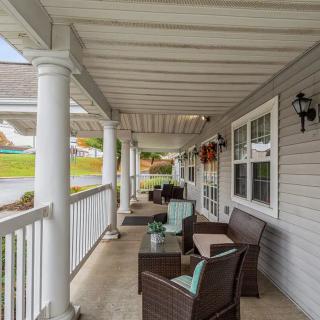
On the positive side, the strongest selling points are the caring, professional, and well-trained staff who approach residents with patience and warmth. A home-like atmosphere, clear dementia-focused programming, and a secure, clean environment translate into meaningful improvements in quality of life, residents appear calmer, more engaged, and better supported. The community is described as welcoming, with thoughtful layout and amenities, and parking and access considerations are straightforward for families visiting. The emphasis on freedom within safety for memory-care residents stands out as a practical balance between autonomy and security.
However, there are significant caution flags. Several reviews point to staff turnover and periods of short-staffing that can erode day-to-day supervision. The concern is not just morale but measurable safety, including a reported uptick in falls in an era when dementia residents can be vulnerable. One personal account alleges a tragic outcome tied to inadequate supervision, underscoring the need for rigorous oversight. A minority voice describes a poor staff member or a sense of misalignment with owners’ priorities, which can color the overall experience. While some families report satisfaction, these counterpoints warrant careful validation during tours and conversations with current residents and staff.
The key to making the pros count is investigating the practicalities behind the praise: staff-to-resident ratios, supervision protocols, and how care plans are executed on all shifts. The dementia program’s structure, continuous staff training, and a culture of warmth can offset staffing fluctuations if leadership maintains robust scheduling, accountability, and transparent communication with families. Prospective residents should request recent incident reports, review inspection results, and ask about fall-prevention measures, activity schedules, and how residents are engaged throughout the day. When these elements align, the warm, professional ethos becomes a meaningful remedy to the risks cited in other reviews.
For families prioritizing a memory-care community that feels like a supportive extended family, Woodside Place offers a compelling match, especially for those who value a dementia-specific setting that emphasizes quality of life and relationship-based care. If a higher degree of medical acuity, uninterrupted staffing, or fewer safety incidents is non-negotiable, exploring alternatives is prudent. The recommended approach is a direct visit with targeted questions: current staff stability, fall statistics, supervision routines, and how residents are integrated into daily life. With due diligence, Woodside Place can become a trusted home, or the right decision can emerge to pursue a facility that better aligns with the resident’s needs.
 37 resident community capacity
 Assisted Living
 Continuing Care Retirement Community (CCRC)
 Skilled Nursing Facility
 Beauty salon
 Cable or satellite TV
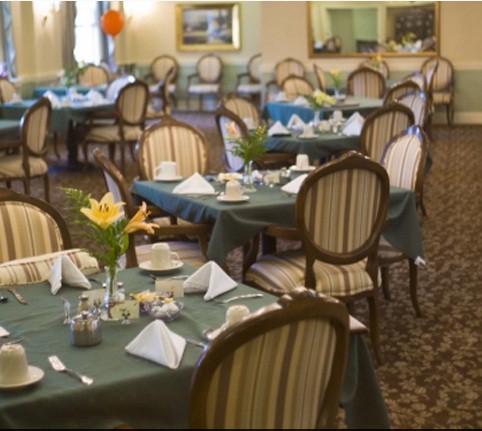
 Dining room
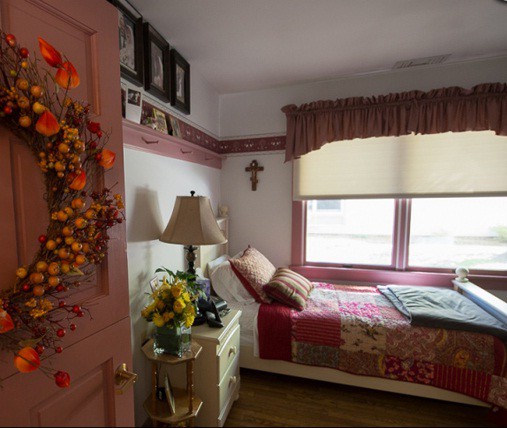
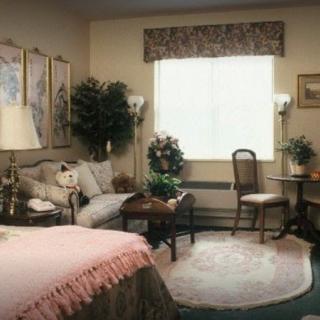
 Fully furnished
 Garden
 Housekeeping services
 Kitchenette
 Move-in coordination
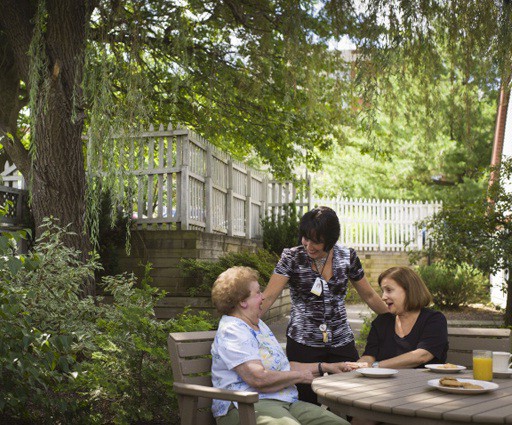
 Outdoor space
 Restaurant-style dining
 Small library
 Telephone
 Wi-Fi/high-speed internet available
 Pittsburgh International (21 miles away)
 24-hour call system
 Activities of daily living assistance
 Assistance with bathing
 Assistance with dressing
 Assistance with transfers
 Diabetes diet
 Medication management
 Mental wellness program
 Special dietary restrictions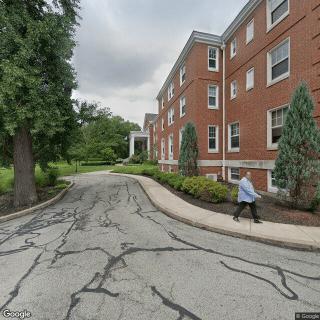




 Vibrant Senior Living: A Comprehensive Guide for Active Older Adults
 When to Transition from Assisted Living to Memory Care: Key Indicators, Steps, and Finding the Right Community
 Assisted Living and Memory Care: Understanding Their Core Differences