For more information about senior living options: (866) 208-4318
3 from 37 reviews
5 stars
12
4 stars
8
3 stars
1
2 stars
1
1 stars
15
Concordia at Rebecca Residence Costs & Pricing
Concordia at Rebecca Residence offers competitive pricing for its various room types, standing out as an affordable option within both Allegheny County and the broader Pennsylvania region. For instance, a semi-private room is priced at $1,850 per month, significantly lower than the county average of $3,166 and the state average of $3,542. Similarly, their one-bedroom units are available for $2,700, which is notably less than the county's $3,798 and the state's $4,006. Even in terms of studio accommodations, Concordia's rate of $3,100 is more economical compared to the local average of $3,637 and the state average of $3,737. Overall, these attractive pricing structures position Concordia at Rebecca Residence as a desirable choice for those seeking quality care without sacrificing financial stability.
Floor plans
Concordia at Rebecca Residence
Allegheny County
Pennsylvania
Semi-Private
$1,850
$3,166
$3,542
1 Bedroom
$2,700
$3,798
$4,006
Studio
$3,100
$3,637
$3,737
Skilled Nursing Facilities with a similar price nearby
Residents can get therapy on the property, and many describe real improvement.
Multiple reviews mention physical therapy and occupational therapy as part of life at Concordia at Rebecca Residence, including people staying there after falls or surgery. Several families also describe better mobility or progress during rehab. At least one reviewer specifically points out that therapy is handled on the premises rather than requiring outside arrangements.
common18 reviews mention this
Care teams are a mixed picture
Families describe both kind caregivers and noticeable breakdowns in responsiveness.
On the positive side, reviews repeatedly describe aides, nurses, and reception staff as pleasant, caring, and professional, and some families say concerns were addressed promptly by administration. Several reviewers also highlight patient help with personal care and medication timing as a strength. On the other hand, other residents and families report understaffing and long wait times for help, along with call bells not being answered promptly.
common9 reviews mention this
Clean grounds and bright interiors
Residents and families frequently mention cleanliness and well-kept spaces.
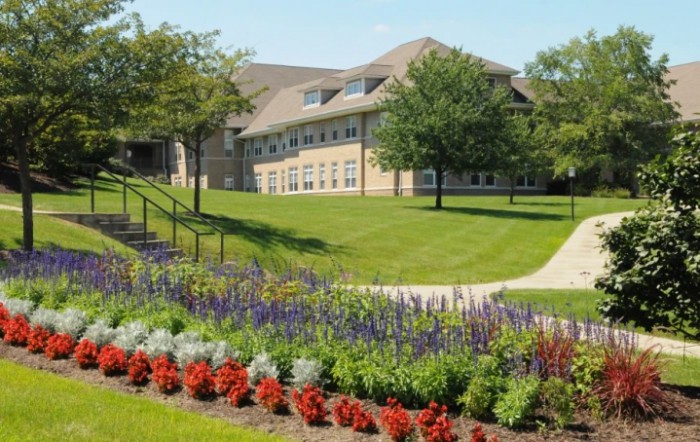
Many reviews describe the facility as clean, orderly, and well maintained, including both inside areas and the outdoor grounds. Several also mention the building looking bright and maintained, and some describe specific features like a pond or scenic outdoor spaces. A smaller number of critical reviews still acknowledge the beauty of the grounds but complain about overall condition, including cleanliness concerns.
common7 reviews mention this
Activities keep residents engaged
Residents report frequent activities, including off-site options.
Reviews commonly describe scheduled daily activities and resident engagement, with examples like bingo, cards, and prayer groups. Some families also mention musical groups, church involvement, and activities designed to include residents. While most comments are positive, at least one review says a loved one couldn’t participate due to care needs, and another expresses that there wasn’t much available compared with expectations.
caveat6 reviews mention this
Food quality is a point of conflict
Dining is inconsistent, with both praise and complaints about meals.
Several reviewers say the food is good, looks appealing, or is “gourmet,” and some mention that dietary needs were handled. Others report problems such as meals lacking freshness, limited appealing options, and concerns about appropriate meals for dietary restrictions. There are also complaints about service environment around meals and overall satisfaction with what residents are served.
caveat9 reviews mention this
Communication and help can lag
Families report delays and gaps with call bells, updates, and medication timing.
A recurring concern is responsiveness: multiple reviews mention call bells being ignored or help taking a long time, including reports that aides and nurses were not on the floor when needed. Some families also describe difficulties getting timely communication about falls, discharge concerns, or changes in medication. Several critical reviews also mention missed or late medications and problems coordinating care across departments.
How we summarize
Counts show how many written reviews mention each theme; a review can touch several themes, and only frequently mentioned themes are displayed.
Features
Housing
65 resident community capacity
Studio apartments
Types of Care
Assisted Living
Continuing Care Retirement Community (CCRC)
Memory Care
Respite Care
Skilled Nursing Facility
Amenities
Activities on-site
Air-conditioning
Beautician on-site
Beauty salon
Cable or satellite TV
Computer center
Devotional services off-site
Dining room
Fitness room
Fully furnished
Gaming room
Garden
Housekeeping services
Indoor common areas
Kitchenette
Laundry
Move-in coordination
Outdoor space
Private bathrooms
Restaurant-style dining
Small library
Telephone
Wellness center
Wi-Fi/high-speed internet available
Transportation
Pittsburgh International (19 miles away)
Community operated transportation
Transportation arrangement
Transportation arrangement (non-medical)
Transportation to doctors appointments
Care Services
12-16 hour nursing
24-hour call system
24-hour supervision
Activities of daily living assistance
Ambulatory care
Assistance with bathing
Assistance with dressing
Assistance with transfers
Diabetes diet
Diabetic care
Meal preparation and service
Medication management
Mental wellness program
Physical therapy
Special dietary restrictions
Walking wheelchair assistance
Dining
Diabetes diet
Meals provided
Special dietary restrictions
Activities
Activities off-site
Activities on-site
Community-sponsored activities
Concierge services
Devotional activities offsite
Fitness programs
Planned day trips
Religious services
Resident-run activities
Scheduled daily activities
Languages Spoken
English
Videos
Nearby Places of Interest
Restaurants
Narsici Winery (0.5 miles)
Strange Roots Experimental Ales (1.6 miles)
Eat'n Park (2.7 miles)
Primanti Bros. Restaurant and Bar Allison Park (2.8 miles)
Concordia at Rebecca Residence offers competitive pricing for its various room types, standing out as an affordable option within both Allegheny County and the broader Pennsylvania region. For instance, a semi-private room is priced at $1,850 per month, significantly lower than the county average of $3,166 and the state average of $3,542. Similarly, their one-bedroom units are available for $2,700, which is notably less than the county's $3,798 and the state's $4,006. Even in terms of studio accommodations, Concordia's rate of $3,100 is more economical compared to the local average of $3,637 and the state average of $3,737. Overall, these attractive pricing structures position Concordia at Rebecca Residence as a desirable choice for those seeking quality care without sacrificing financial stability.
The features offered by Concordia at Rebecca Residence are designed to create a supportive environment for residents with memory challenges, facilitating their daily routines while promoting independence and dignity. Assistance with dressing and bathing ensures that individuals feel comfortable and confident, while meal preparation and service cater to nutritional needs which are essential for overall health. Medication management helps maintain adherence to prescribed treatments, reducing confusion related to complex medication regimens. Support with activities of daily living ensures that residents receive help in navigating tasks like personal hygiene and transfers, enhancing their safety. The presence of 24-hour supervision provides peace of mind for families and caregivers, ensuring that assistance is readily available when needed. Additionally, the mental wellness program promotes cognitive engagement through tailored activities designed to stimulate memory and social interaction, while physical therapy supports mobility and physical well-being--further enriching the quality of life for those in advanced stages of dementia or Alzheimer's disease.
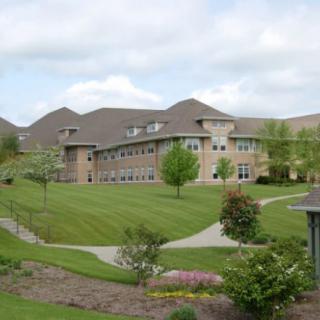
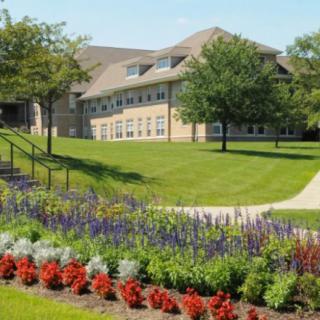
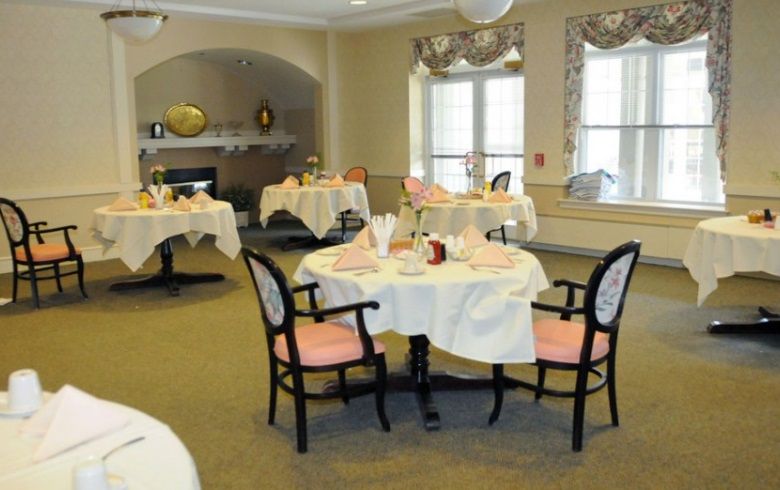
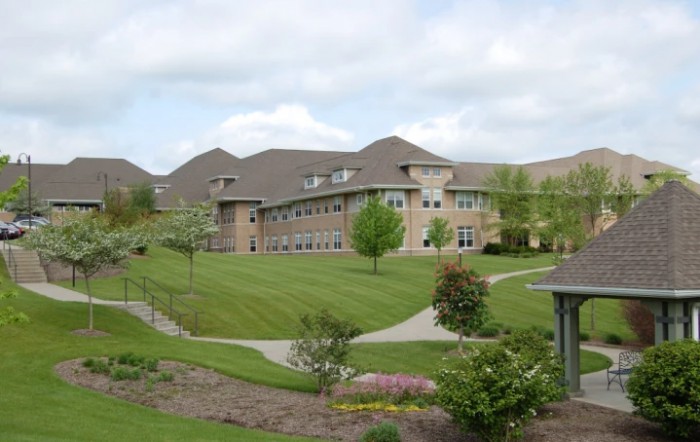
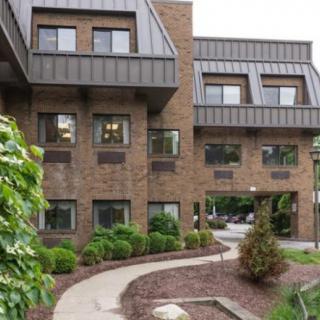
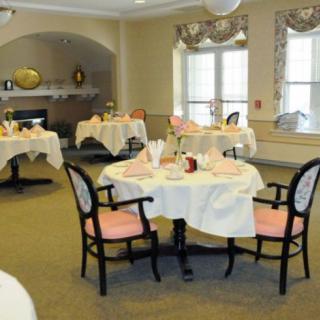
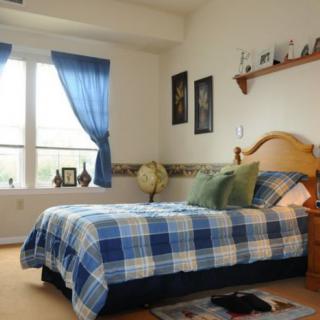
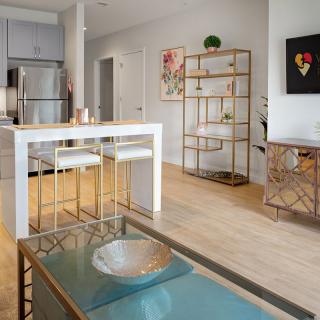
Concordia at Rebecca Residence on seniors.fyi includes 5 photos including images showing landscaping, building, dining, trees, physical therapy, exercise equipment, interior, decor, and more.
Nearby Communities
Cheswick Rehabilitation And Wellness Center
Cheswick, PA
2.5 from 62 reviews
Clean facility with caring staff.
Timpani Care Home
Gibsonia, PA
Warm, welcoming assisted living with social spaces and diabetic care.
Sunrise of Fox Chapel
Cheswick, PA
4.8 from 6 reviews
$4,230 to $5,010 / month
Comprehensive memory care with on-site services and active programs.
Concordia Of Fox Chapel
Cheswick, PA
4.7 from 12 reviews
$4,620 to $5,760 / month
Caring, professional staff with engaging memory-care activities and strong family communication.
Remed Gibsonia
Gibsonia, PA
Fully furnished with 24/7 care, meals, medication management, and medical transportation.
Hartwood Personal Care Home
Pittsburgh, PA
2 from 3 reviews
Cozy, personalized care in a homelike setting with engaged daily activities and caring staff.
Terrace Place at Vincentian
Allison Park, PA
4.9 from 16 reviews
$2,175 / month
Friendly, supportive staff; bright, social lobby; well-maintained apartments with engaging activities
Orion Personal Care Residence
Allison Park, PA
4.7 from 23 reviews
$3,740 to $4,010 / month
Experienced staff delivering a warm, home-like environment with fresh meals.
Fawn Personal Care Home
Tarentum, PA
4.8 from 9 reviews
$2,500 / month
Small family-style setting with attentive medication care, transportation to appointments, and on-site grooming in a peaceful rural setting.
Dementia encompasses a range of cognitive impairments characterized by types such as Alzheimer's and vascular dementia, and follows a seven-stage progression model known as the Global Deterioration Scale (GDS), highlighting varying symptoms and decline timelines. Early detection allows for lifestyle adjustments to potentially slow progression, while caregivers need support and resources to manage the challenges involved in caring for affected individuals.
The guide on holistic dementia care outlines the complexity of dementia and stresses the need for individualized caregiver strategies that include medical treatment, psychological support, and environmental adaptations, while emphasizing early detection, various therapeutic options, and caregiver support to enhance quality of life and maintain dignity.
Activities of Daily Living (ADLs) are fundamental tasks vital for an individual's independence, particularly in older adults over 85, and include functions like bathing and dressing; assessing ADLs alongside Instrumental Activities of Daily Living (IADLs) helps determine the level of required assistance due to age-related health challenges. Tailored support plans, involving family and community resources, are essential for maintaining dignity and autonomy in assisted living environments.
Exercise Equipment, Physical Therapy, and Therapy Room
Parking, Clouds, and Facility
Walkway
Get PricingAsk A QuestionSchedule A TourContact Senior Advisor
By clicking submit, you agree to our Partner's Terms of Use. You
also consent to receive calls and texts, which may be autodialed, from our Partner. Your consent is not a condition to
using our Partner's service. Please visit our Partner's Privacy Policy for information about their privacy practices.




 65 resident community capacity
 Studio apartments
 Assisted Living
 Continuing Care Retirement Community (CCRC)
 Memory Care
 Respite Care
 Skilled Nursing Facility
 Activities on-site
 Air-conditioning
 Beautician on-site
 Cable or satellite TV
 Computer center
 Devotional services off-site
 Dining room
 Fitness room
 Fully furnished
 Gaming room
 Garden
 Housekeeping services
 Indoor common areas
 Kitchenette
 Laundry
 Move-in coordination
 Outdoor space
 Private bathrooms
 Restaurant-style dining
 Small library
 Telephone
 Wellness center
 Wi-Fi/high-speed internet available
 Pittsburgh International (19 miles away)
 Community operated transportation
 12-16 hour nursing
 24-hour call system
 Ambulatory care
 Assistance with bathing
 Assistance with dressing
 Assistance with transfers
 Diabetes diet
 Diabetic care
 Medication management
 Mental wellness program
 Physical therapy
 Special dietary restrictions
 Walking wheelchair assistance
 Concierge services
 Planned day trips
 English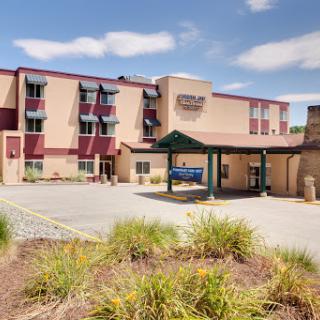
 Clean facility with caring staff.

 Understanding Dementia Through Its Seven Stages: A Comprehensive Look at Progression and Expectations
 A Holistic Dementia Care Guide: Effective Strategies for Memory Support
 Comprehensive Insights into Activities of Daily Living (ADLs) and Their Assessment